Rediscovering a Lost Masterpiece: The Immersive Resurrection of Frida Hansen at Venice

The 83rd Venice International Film Festival has long been a sanctuary for the avant-garde, but this year, the "Venice Immersive" category is hosting a project that bridges the gap between century-old Norwegian textile art and the cutting edge of spatial computing. Finding Frida, a 41-minute virtual reality documentary, has emerged as a standout contender in the competition, offering a haunting, photorealistic journey into the life of Frida Hansen—an artist once celebrated across Europe’s grandest halls, only to be largely erased from the annals of art history.
Directed by Hilde K. Kjøs and produced by RippleX Studios, the experience is more than a mere biographical film; it is a "spatial biography" that leverages photogrammetry, animated 3D environments, and archival audio to reconstruct a legacy that was nearly lost to time.
Main Facts: A New Frontier for the Documentary Form
Finding Frida arrives at a pivotal moment for immersive media. As VR moves away from purely gamified experiences, the "XR documentary" is finding its footing as a legitimate tool for historical preservation and emotional storytelling.
The project centers on Frida Hansen (1855–1931), a Norwegian textile artist who was a titan of the Art Nouveau movement. Despite winning gold medals at World’s Fairs and having her work purchased by major museums in the early 20th century, her name faded into obscurity following her death. The VR experience seeks to rectify this by placing the viewer directly inside her creative process and her personal tragedies.
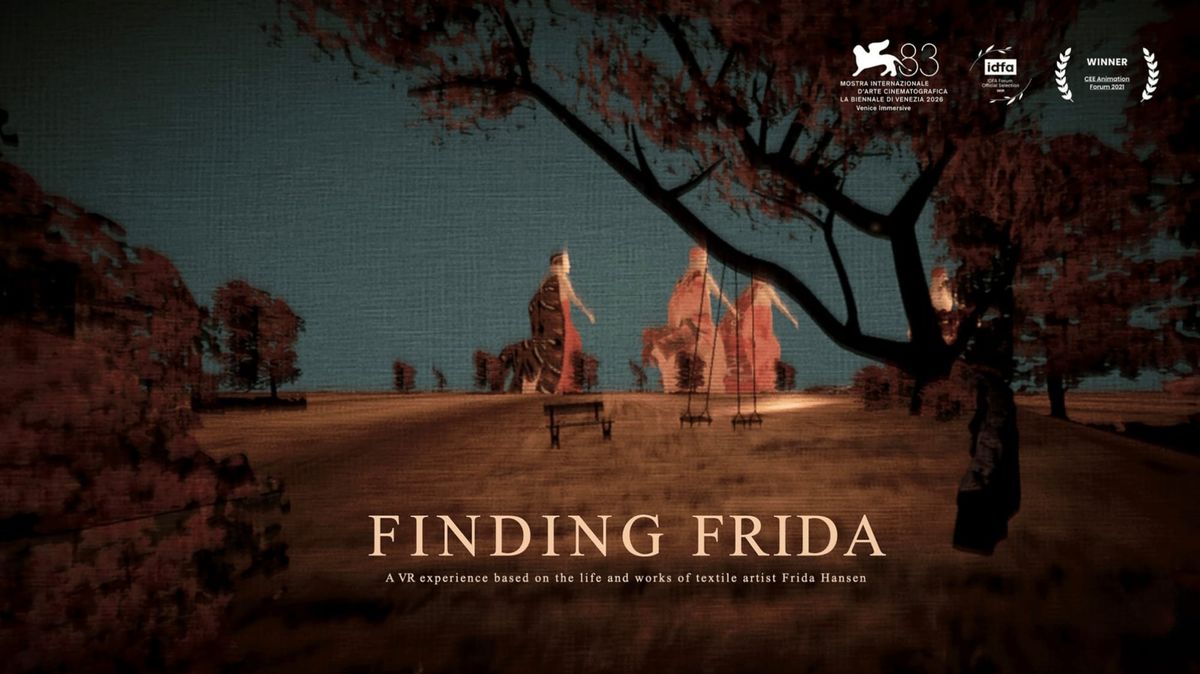
The technical specifications of the project are ambitious for the medium:
- Runtime: 41 minutes (an unusually substantial length for a VR narrative).
- Format: VR installation, with planned support for PCVR and standalone headsets.
- Narrative Lead: Cecilie Levy, Hansen’s great-great-granddaughter, serves as the writer and narrator.
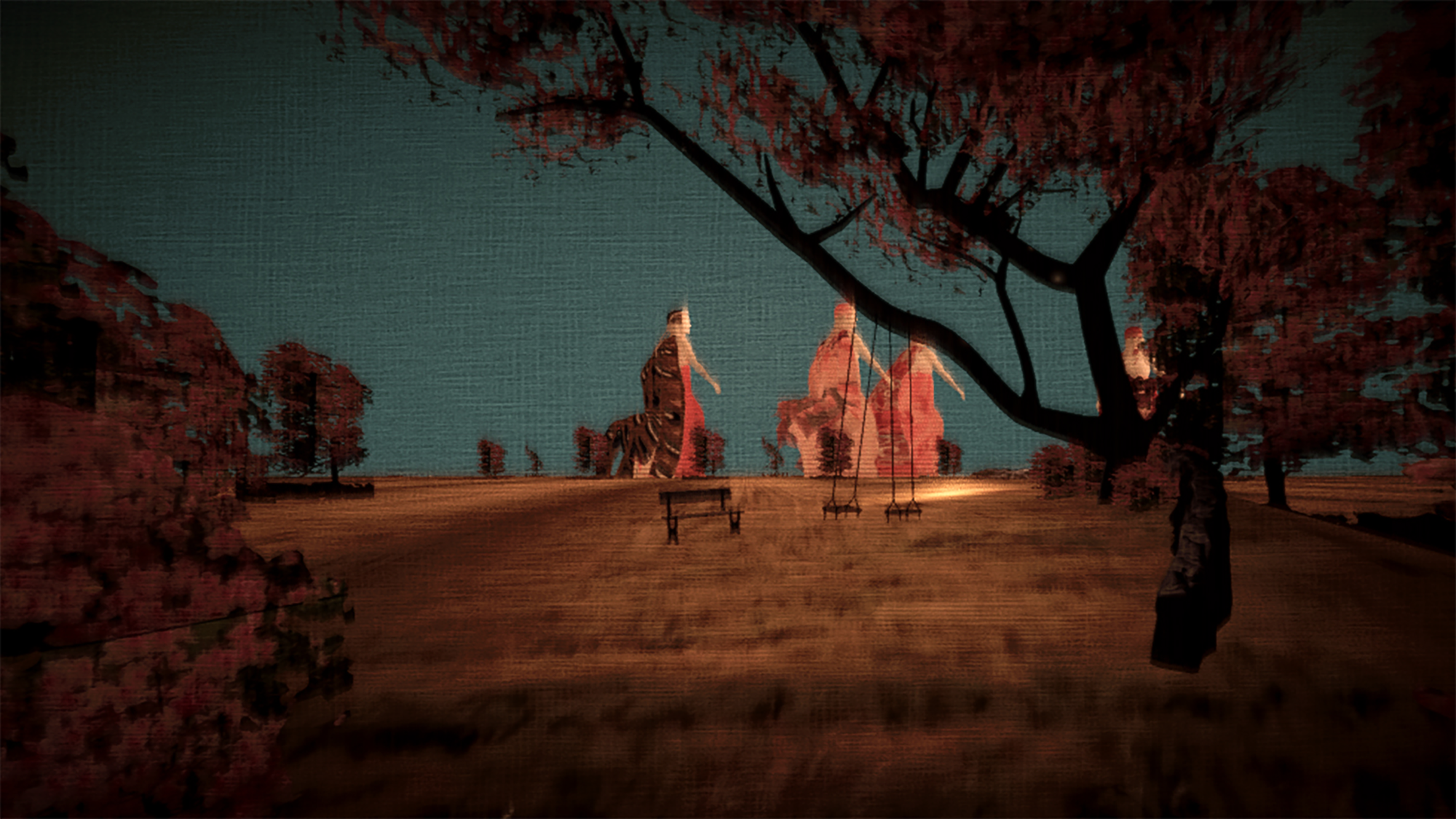
- Visual Style: A blend of photorealistic 3D scans of original artifacts and dreamlike, animated sequences that interpret Hansen’s mental state.
Chronology: From the Looms of Stavanger to the Canals of Venice
To understand the weight of Finding Frida, one must understand the rise and fall of the woman at its center. The narrative of the VR experience follows a chronological path that mirrors the dramatic arcs of Hansen’s life, divided into three distinct phases of "discovery."
The Golden Age and the Art Nouveau Movement
In the late 19th century, Frida Hansen was a pioneer. She developed a unique, patented "transparent weaving" technique that allowed light to pass through her tapestries, creating a shimmering, ethereal effect that became the hallmark of her style. The VR experience begins by placing the viewer in a miniature Art Nouveau villa—a symbol of the wealth and status Hansen enjoyed during her peak. As the viewer explores, the villa expands to full scale, immersing them in the opulence of the era.
Bankruptcy and Personal Tragedy
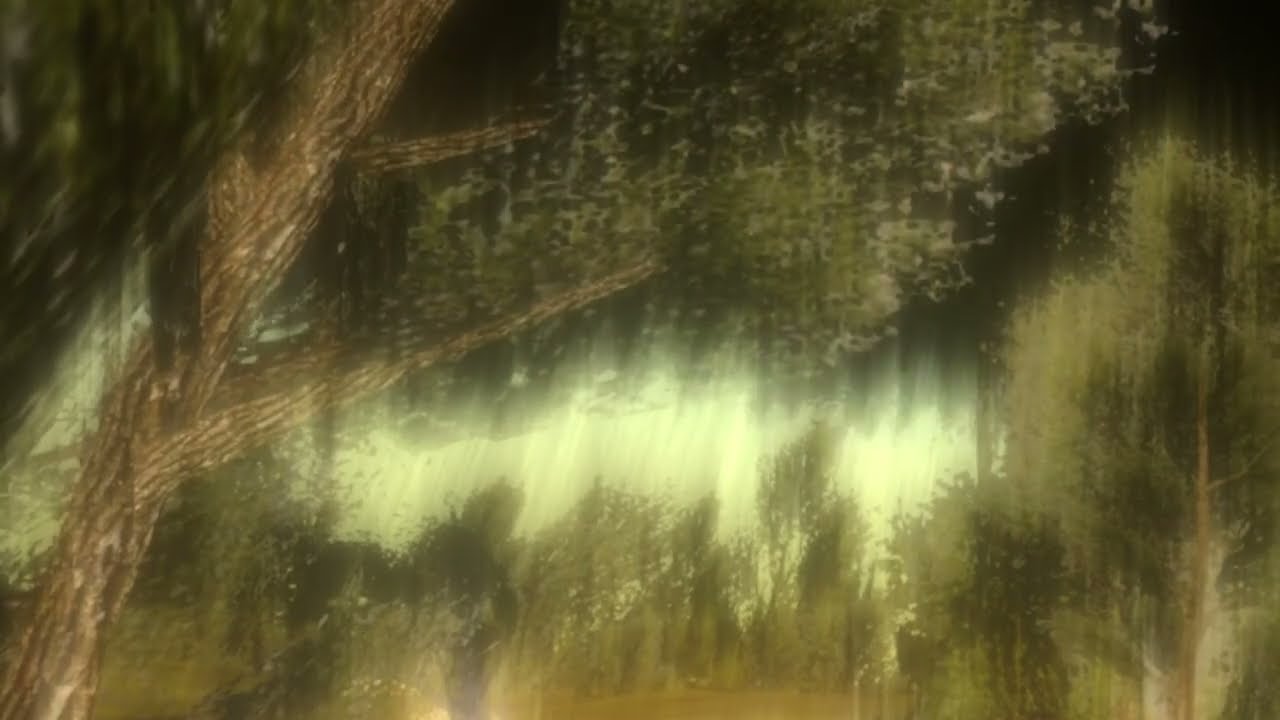
The documentary does not shy away from the darker chapters of Hansen’s life. Following a period of immense success, the family business collapsed, and Hansen suffered the devastating loss of several of her children. The VR environment reflects this shift through environmental storytelling; a lush, vibrant garden—symbolizing her early inspiration—is shown to wither and grey in real-time as the narrative explores her period of mourning and financial ruin.
The Artistic Reawakening
The final act of the chronology focuses on Hansen’s resilience. She rebuilt her life as an independent artist, founding her own workshop and reclaiming her status on the international stage. The experience concludes by examining why, despite her resilience, she was forgotten by the Norwegian art establishment of the mid-20th century, which favored more "nationalistic" and traditional styles over her cosmopolitan Art Nouveau aesthetic.
Supporting Data: The Technology of Memory
The production of Finding Frida involved a complex synthesis of analog history and digital innovation. The creators at RippleX Studios, led by producer Bjørn-Morten Nerland, utilized several key technologies to bring the 19th century into the 21st:
- Photogrammetry and 3D Scanning: The team performed high-resolution 3D scans of Hansen’s surviving tapestries and personal belongings. This allows viewers to lean in and inspect the intricate threads and weave patterns—details that would be lost in a 2D film.
- Spatial Audio and Reworked Foley: The soundscape is a critical component of the immersion. The team used "reworked foley" to recreate the sounds of a 19th-century weaving loom and integrated an original score that evokes the period’s atmospheric tension.
- Archival Voice Integration: The script, written by Cecilie Levy, incorporates voice-over material drawn directly from interviews with Hansen and contemporary historical sources. This provides an authentic "first-person" feel to the narration, grounding the surreal visuals in historical fact.
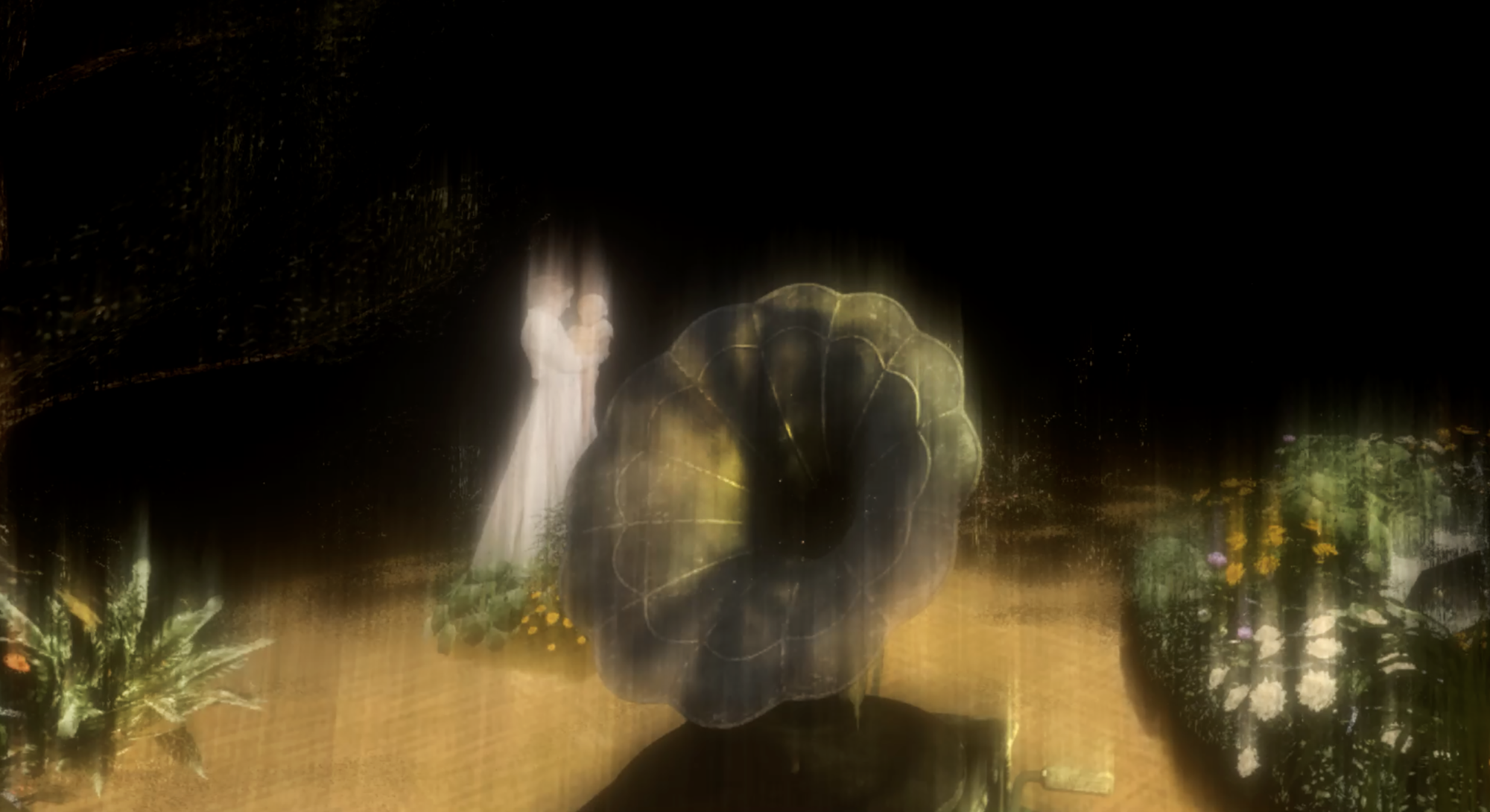
- Spatial Storytelling: Unlike traditional documentaries that rely on a linear "talking head" format, Finding Frida uses objects as portals. Touching a gramophone or an archival photograph triggers a transition into a new memory or environment, a technique known in the industry as "diegetic navigation."
Official Responses: A Labor of Love and Legacy
The creators of Finding Frida view the project as both a technical challenge and a personal mission.
Director Hilde K. Kjøs, who has been exploring the VR medium since 2019, emphasized the importance of the medium for this specific story. "VR allows us to step into the artist’s world in a way that no other medium can," Kjøs noted during the Venice premiere. "We wanted to create a space where Frida’s art isn’t just something you look at, but something you inhabit."
Writer and narrator Cecilie Levy brings a unique emotional layer to the project. As Hansen’s great-great-granddaughter, her narration is infused with a sense of familial duty. "For a long time, Frida was a ghost in our family history—someone famous but forgotten," Levy stated. "Writing this script was a process of finding her again, not just as an artist, but as a woman who fought through immense grief to keep her vision alive."
Bjørn-Morten Nerland, the founder of RippleX Studios, highlighted the studio’s commitment to "spatial storytelling." With over 15 years of experience in immersive projects, Nerland noted that Finding Frida represents a milestone for the studio in terms of narrative depth and technical execution, proving that VR can sustain long-form documentary content without losing audience engagement.
Implications: The Future of "Herstory" in the Metaverse
The premiere of Finding Frida at Venice Immersive carries significant implications for the art world and the VR industry at large.
The Reclaming of Female Narratives
There is a growing movement in the humanities to use technology to uncover the "hidden figures" of history—particularly women whose contributions were marginalized by contemporary historians. Finding Frida serves as a blueprint for how immersive tech can be used to "re-exhibit" lost works of art. By digitizing Hansen’s tapestries, the project ensures they are preserved in a medium that can be accessed globally, regardless of the physical condition of the original textiles.
Validating Long-Form VR
At 41 minutes, the project challenges the prevailing wisdom that VR experiences should be short (10–15 minutes) to avoid "headset fatigue." If Finding Frida succeeds in capturing and holding the attention of the Venice jury and audiences, it could pave the way for more "feature-length" immersive documentaries.
Distribution and Accessibility
While the project is currently an "XR installation" at Venice, the team’s plan for an international launch in Norway and beyond—coupled with the pursuit of distribution partnerships—points to a future where high-quality historical VR is available on consumer platforms like the Meta Quest or Apple Vision Pro. This would democratize access to museum-grade historical experiences, moving them out of elite festivals and into the homes of students and art lovers.
As the Venice International Film Festival concludes on September 12, Finding Frida stands as a testament to the power of technology to resurrect the past. It is a reminder that while thread and ink may fade, the digital realm offers a new kind of immortality for those who were nearly forgotten. For Frida Hansen, the "transparent weaver" of Norway, the light is finally shining through her work once again.