
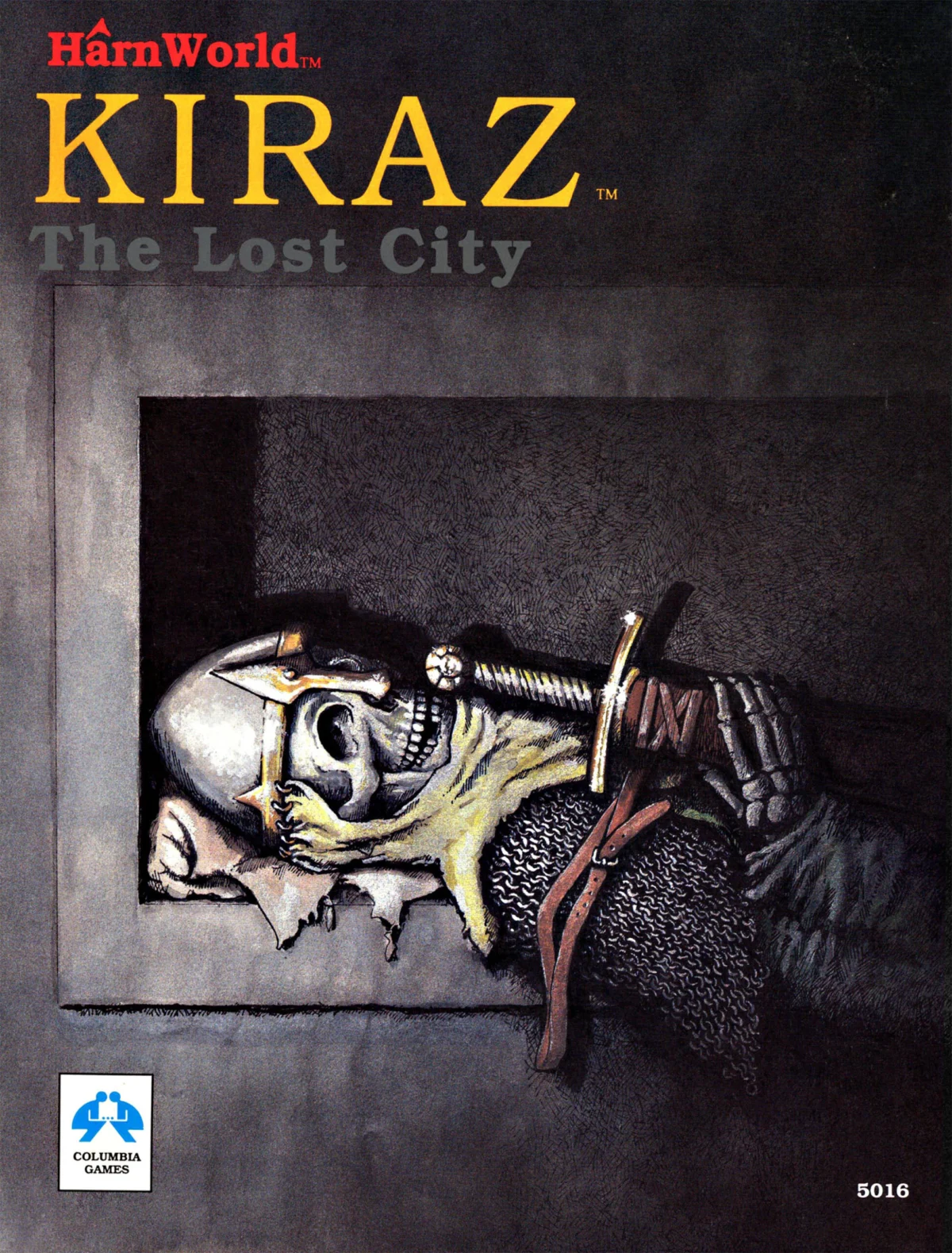
FOR IMMEDIATE RELEASE [City, State] – [Date] – In the rich tapestry of tabletop role-playing games, certain supplements stand as enduring testaments to imaginative world-building, even as they spark fervent debate over their practical utility. Among these is Kiraz: The Lost City, a HârnWorld module from Columbia Games, originally published in 1989.

The Captain Sulu Chronicles: Inside George Takei’s Vision for a ‘Lost Era’ Star Trek Prequel
The history of the Star Trek franchise is paved with "what ifs"—unproduced scripts, abandoned concepts, and pilot pitches that never quite made it to the screen. Perhaps none is as tantalizing to the fanbase as the proposed Captain Sulu spin-off. Long before the modern era of streaming brought legacy characters back to the forefront in [&

The Lost Epic of John Woo: Reevaluating Nicolas Cage’s ‘Windtalkers’ and the Cost of Hollywood Homogenization
The trajectory of John Woo’s Hollywood career remains one of the most fascinating "what-if" narratives in modern cinema. A maestro of the Hong Kong "heroic bloodshed" genre, Woo arrived in the United States in the early 1990s with a reputation for redefining action through a lens of operatic violence, liturgical symbolism, and a
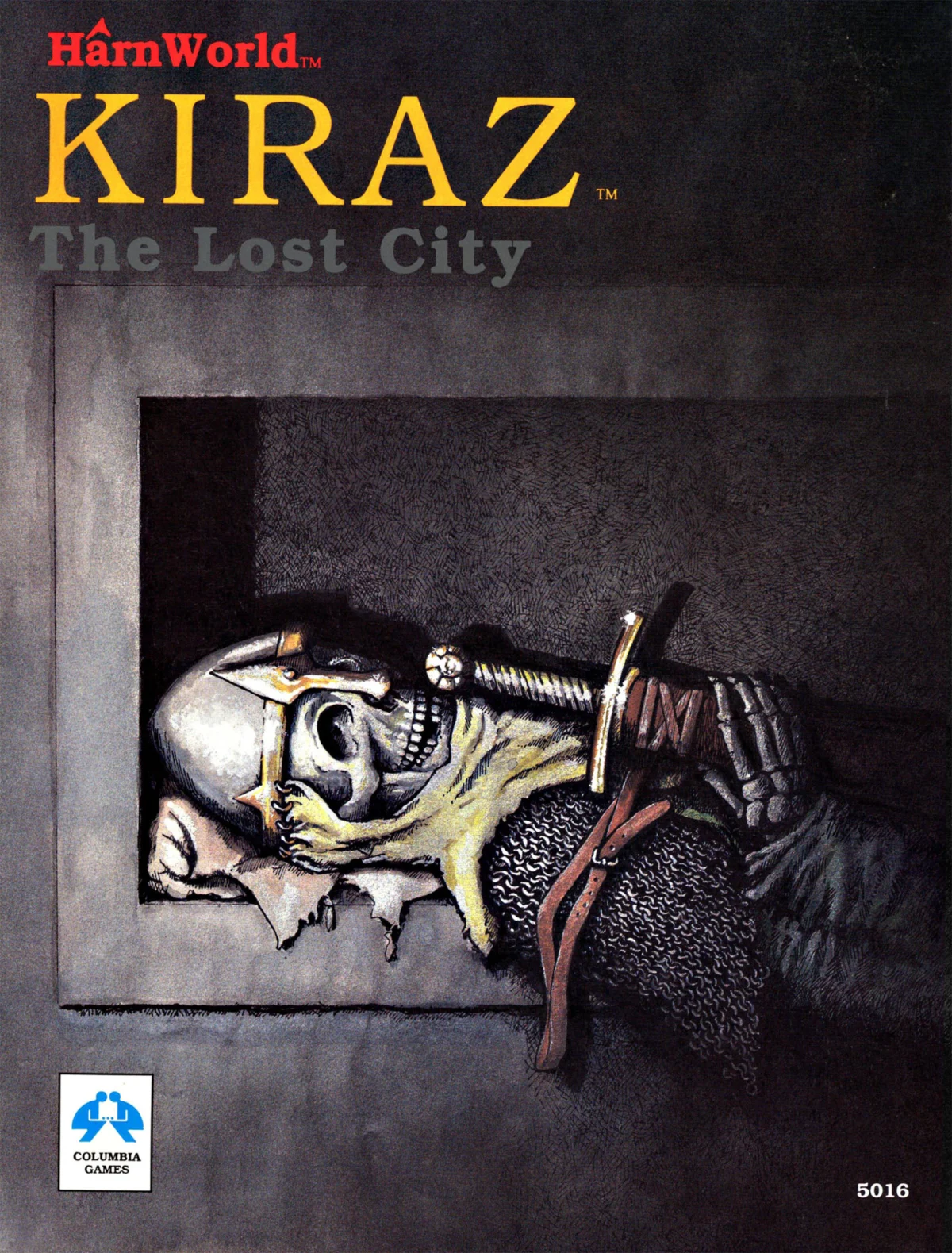
"Kiraz: The Lost City" – A HârnWorld Paradox: Superb Foundations, Unfulfilled Potential
Originally reviewed October 10th, 2001, and revisited for contemporary analysis, "Kiraz: The Lost City" remains a compelling yet conflicted artifact in the annals of tabletop role-playing games. Published by Columbia Games for its critically acclaimed HârnWorld setting, this module presents a richly detailed vision of an ancient dwarven c
