The 2026 Eisner Awards: A Night of Triumph, Tradition, and Digital Evolution at San Diego Comic-Con
The comic book industry reached its annual zenith this past Friday night as the 2026 Will Eisner Comic Industry Awards were officially announced during a glittering ceremony at San Diego Comic-Con (SDCC). Often referred to as the "Oscars of the Comics World," the Eisner Awards represent the highest honors in the medium, celebrating creative achievement across a spectrum that spans from mainstream superhero narratives to avant-garde webcomics and meticulously curated archival projects.
Despite a mid-week hiccup involving an accidental leak of the results on social media platforms like Reddit, the atmosphere in the Hilton San Diego Bayfront ballroom remained electric. The evening served not only as a celebration of current excellence but as a profound acknowledgement of the medium’s history, punctuated by the induction of a diverse class into the Will Eisner Hall of Fame.
Main Facts: The 2026 Winners’ Circle
The 2026 ceremony was characterized by a blend of veteran recognition and the rising influence of international and digital creators. The headline of the night was the formal induction of twenty-three luminaries into the Will Eisner Hall of Fame, a move that significantly broadens the canon of recognized comic book history.
The Will Eisner Hall of Fame Inductees
The Hall of Fame inductions are divided into two categories: those selected by a panel of judges and those chosen by a vote of industry professionals.

Judges’ Choice Inductees:
This year, the judges honored a massive cohort of nineteen pioneers, reflecting a concerted effort to recognize often-overlooked contributors to the craft. The inductees include:
- Bob Bolling: Known for his definitive work on Little Archie.
- Gerry Conway: The prolific writer behind "The Night Gwen Stacy Died" and the co-creator of The Punisher.
- Denys Cowan: A foundational figure in Milestone Media and a legendary artist for The Question.
- Edwina Dumm: Recognized as the first female editorial cartoonist in the United States.
- Go Nagai: The Japanese manga legend who revolutionized the "mecha" and "magical girl" genres.
- Hector German Osterheld: The influential Argentine journalist and writer of El Eternauta.
- Dave Sim: The controversial yet technically groundbreaking creator of Cerebus.
- Rick Veitch: A pioneer of the "deconstructionist" superhero era and a key collaborator on Swamp Thing.
(Other inductees include Mike Friedrich, Oliver Harrington, Don Heck, Abe Kanegson, Lee Marrs, Paul S. Newman, Tom Palmer Sr., Bud Plant, Mike Royer, Jimmy Swinnerton, and Carol Tyler.)
Voter-Selected Inductees:
Four legends were chosen by the wider community of creators and retailers:
- Colleen Doran: The versatile artist behind A Distant Soil and acclaimed Neil Gaiman adaptations.
- Jeff Smith: The creator of the cross-generational epic Bone.
- Akira Toriyama: The late, world-renowned creator of Dragon Ball, whose influence on global pop culture is immeasurable.
- Chris Ware: The master of formalist graphic design and creator of Jimmy Corrigan, the Smartest Kid on Earth.
Chronology: From Leak to Celebration
The road to Friday night’s ceremony was unusually turbulent. The timeline of the 2026 awards was marked by a digital-age complication that tested the resilience of the Comic-Con International (CCI) organizers.
The Pre-Ceremony Leak
On Wednesday, two days prior to the official gala, a thread appeared on the r/comicbooks subreddit purportedly listing the winners in several major categories. The leak reportedly originated from an unintentional early update to a secondary awards-tracking site. While the Reddit thread was eventually moderated, the "genie was out of the bottle," leading to a flurry of speculation across social media.
The Hall of Fame Ceremony
Earlier in the week, separate from the main Friday gala, the Hall of Fame inductees were honored. This allowed for a more focused tribute to the lifetime achievements of the nineteen Judges’ Choice selections. This staggered approach has become a staple of SDCC, ensuring that historical recognition isn’t overshadowed by the competitive "Best of the Year" categories.
The Friday Night Gala
The main event commenced at 8:00 PM on Friday. Despite the earlier leak, the ceremony proceeded with full pomp. Presenters included industry titans and surprise celebrity guests, all of whom emphasized that the "official" moment of recognition—walking across the stage to receive the trophy—remained the true pinnacle for the nominees.
Supporting Data: Analysis of Key Categories
The 2026 awards showcased a fascinating cross-section of the industry, with wins distributed among major publishers like Marvel and Dark Horse, as well as boutique indie houses like Drawn & Quarterly and Fantagraphics.
Best Humor Publication
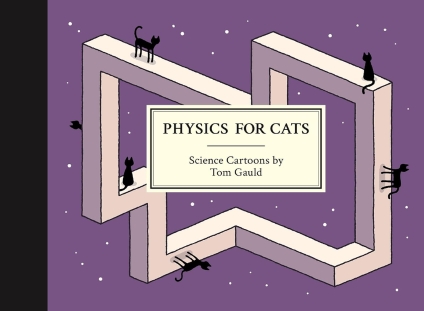
In a category filled with heavy hitters, Tom Gauld’s Physics for Cats (Drawn & Quarterly) took home the prize. Gauld, known for his minimalist style and dry, intellectual wit, beat out strong competition including:
- Spent: A Comic Novel by Alison Bechdel.
- Jeff the Land Shark by Kelly Thompson and Tokitokoro.
- The Great British Bump-Off by John Allison and Max Sarin.
Gauld’s victory underscores a trend in the humor category toward satirical, short-form observation rather than traditional slapstick.
Best Archival Collection/Project—Strips
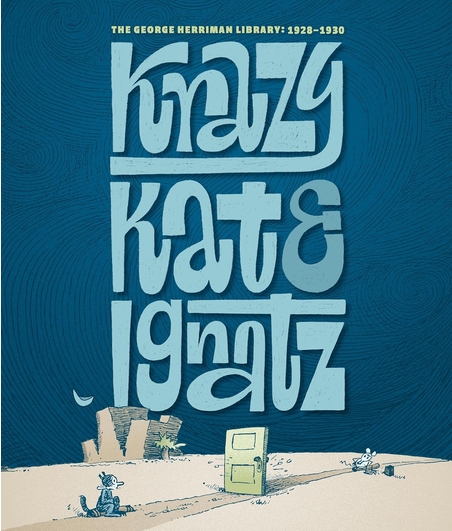
The preservation of comic history was headlined by The George Herriman Library: Krazy & Ignatz 1928–1930, edited by J. Michael Catron and Bill Blackbeard (Fantagraphics). This win highlights the ongoing industry effort to restore and archive the foundational works of the early 20th century in high-fidelity formats. It triumphed over other notable projects like the Barnaby Vol. 5 collection and the Arthur Ferrier’s Pin-Up Parade Box Set.
Best Comics-Related Book
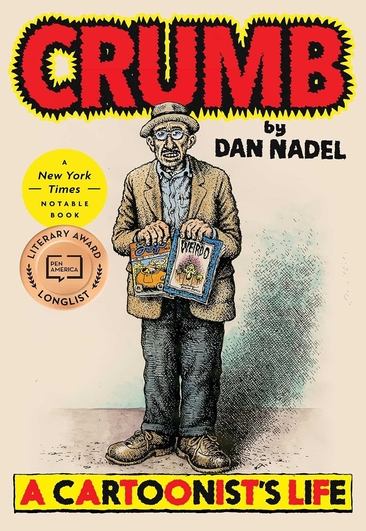
In the scholarly and biographical arena, Dan Nadel’s Crumb: A Cartoonist’s Life (Scribner) was the victor. As a definitive biography of the underground comix icon Robert Crumb, Nadel’s work was praised for its exhaustive research and nuanced portrayal of a complex figure. It stood out in a field that included Chip Kidd’s Only What’s Necessary (a look at Charles M. Schulz) and Raina Telgemeier’s Facing Feelings.
The Digital Frontier: Best Webcomic
The Best Webcomic category remains one of the most diverse and competitive, reflecting the medium’s migration to digital platforms. Petra Erika Nordlund’s Tiger, Tiger (tigertigercomic.com) claimed the award. The nautical fantasy adventure, praised for its lush world-building and character development, beat out corporate-backed entries on platforms like WEBTOON (The Legend of Parvaterra, Superfish) and other independent ventures like Sable: A Ghost Story.
Official Responses and Tributes
Beyond the competitive categories, the Eisner Awards serve as a platform for special honors that recognize the "unsung heroes" of the industry.
The Bill Finger Award
A poignant moment in the evening was the presentation of the 19th annual Bill Finger Award for Excellence in Comic Book Writing. This year’s recipients were Jenny Blake Isabella and the late Martin Pasko.
The award, named after the uncredited co-creator of Batman, is designed to honor writers who have provided significant contributions to the medium without receiving the full recognition they deserved during their careers. Isabella was honored for her decades of trailblazing work as both a writer and editor, while the posthumous award for Pasko celebrated his incredible run on Superman and his work in animation, including Batman: The Animated Series.
The Legacy of Akira Toriyama
The induction of Akira Toriyama was met with a standing ovation. Following his passing earlier in the year, the industry’s vote to include him in the Hall of Fame was seen as a necessary and emotional tribute to a man who, perhaps more than any other, bridged the gap between Eastern manga and Western comics, influencing generations of artists worldwide.
Implications: The State of the Industry in 2026
The results of the 2026 Eisner Awards offer a snapshot of an industry in transition. Several key implications can be drawn from this year’s winners and nominees:
- The Persistence of Print Preservation: Despite the shift toward digital, the "Best Archival" and "Best Comics-Related Book" categories show that there is a robust, high-end market for physical books that treat comics as serious art and history. The wins for Fantagraphics and Scribner suggest that the "prestige" wing of the industry is healthier than ever.
- Webcomics as a Creative Powerhouse: The win for Tiger, Tiger—an independent webcomic—over heavily marketed WEBTOON titles suggests that the Eisner voters still prioritize idiosyncratic, creator-owned visions over platform-driven content. This provides a glimmer of hope for independent digital creators in an increasingly consolidated market.
- Global Integration: The inclusion of Go Nagai, Hector German Osterheld, and Akira Toriyama in the Hall of Fame signals that the "Eisners" are no longer just an American award ceremony. They are becoming a global institution that recognizes the interconnectedness of the world’s comic traditions.
- Addressing Historical Gaps: The Judges’ Choice Hall of Fame inductees, featuring figures like Edwina Dumm and Oliver Harrington, show a deliberate and successful effort by the industry to correct its own historical narrative, ensuring that women and creators of color who built the foundations of the medium are finally given their due.
As the lights dimmed on the 2026 ceremony, the consensus among attendees was clear: while the leak may have spoiled the "what," it could not diminish the "why." The Eisner Awards remain the definitive statement on the artistic vitality and historical importance of the comic book medium. For the winners, the small gold trophy represents a lifetime of work; for the industry, it represents a roadmap for where the medium is headed next.