The Architecture of Imagination: Exploring the Visual Development of Modern Cinema and Gaming
The entertainment industry stands at a crossroads where technology and traditional artistry converge to create immersive worlds. At the heart of this convergence is the discipline of concept art—the foundational visual blueprint that dictates the aesthetic, mood, and narrative structure of blockbuster films and AAA video games. Recent retrospectives and artist spotlights from Concept Art World (CAW), a premier resource for the visual development community, have brought renewed focus to the masterminds behind some of the most iconic imagery of the last two decades.
From the subterranean grit of Gears of War 2 to the ethereal, aquatic romance of Guillermo del Toro’s The Shape of Water, the role of the concept artist has evolved from a preliminary sketcher to a primary world-builder. As the industry grapples with the rise of generative technology and the protection of intellectual property, the work of veterans like Eric Ryan and Dave Bolton serves as a testament to the irreplaceable value of human creativity.
Main Facts: The Pillars of Visual Development
Concept art serves as the "first light" for any major production. Before a single frame is filmed or a line of code is written, concept artists must translate abstract ideas into tangible visuals. The recent highlights from Concept Art World emphasize three critical areas of impact: character design, environmental storytelling, and cinematic atmosphere.
The Artists: Eric Ryan and Dave Bolton
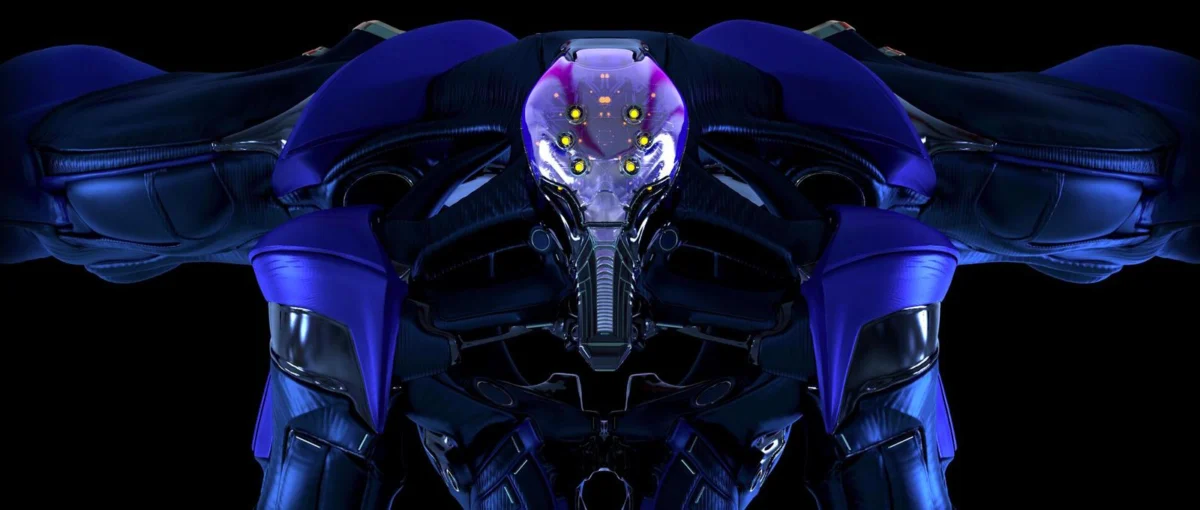
Eric Ryan stands as a titan in the industry, known for his ability to blend anatomical precision with fantastical elements. His portfolio, which spans major studios such as Sony Santa Monica and Riot Games, exemplifies the high-standard visual development required for modern gaming. Similarly, Dave Bolton’s work on Halo 4 represents a pivotal moment in the "Reclaimer Saga," where the visual language of one of gaming’s most storied franchises underwent a significant evolution.
The Projects: Narrative Through Design
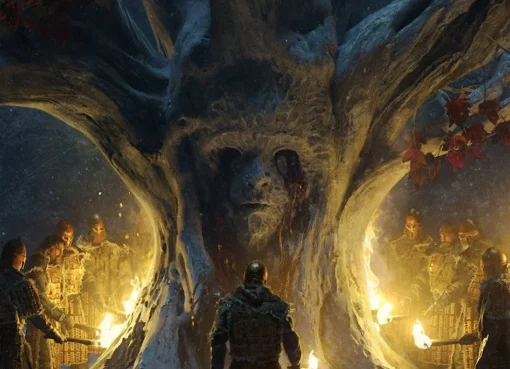
The projects currently under spotlight—Gears of War 2, Halo 4, and The Shape of Water—represent the diversity of the medium. Gears of War 2 (2008) refined the "destroyed beauty" aesthetic that defined the Xbox 360 era. Halo 4 (2012) pushed the technical boundaries of the Xbox 360, utilizing Bolton’s concept art to introduce the sleek, ancient aesthetic of the Forerunners. In cinema, Guillermo del Toro’s The Shape of Water demonstrated how concept art can bridge the gap between horror and fairy tale, creating a creature that was both monstrous and empathetic.
Chronology: A Timeline of Visual Evolution
To understand the current state of the industry, one must look at the chronological progression of these landmark projects and how they shaped the visual expectations of global audiences.
2008: The Gritty Realism of Gears of War 2
In the late 2000s, the gaming industry was obsessed with "gritty realism." Epic Games’ Gears of War 2 was the pinnacle of this movement. The concept art for this title moved away from the monochromatic grays of the first game, introducing more vibrant—yet still oppressive—color palettes. The visual development focused on "scale," illustrating the massive subterranean hollows of the Locust Horde. This era proved that concept art was essential for defining the "feel" of gameplay mechanics, such as the weight of the armor and the visceral nature of the environments.
2012: The Reimagining of a Legend in Halo 4
When 343 Industries took over the Halo franchise from Bungie, they faced a monumental task: evolving the visual identity without alienating the fanbase. Dave Bolton’s concept art was instrumental in this transition. By 2012, concept art had become more digital-centric, allowing for intricate lighting and material studies. Bolton’s work on Halo 4 introduced a more detailed, "high-fidelity" look to the Master Chief and the alien landscapes of Requiem, setting a new standard for the sci-fi genre.
2017: The Cinematic Synthesis of The Shape of Water
By 2017, the line between concept art and final film frame had blurred. For The Shape of Water, Guillermo del Toro collaborated with artists to create a "Fairy Tale for Troubled Times." The concept art didn’t just design a creature; it designed a mood—specifically a "wet," mid-century aesthetic that felt both nostalgic and alien. This project highlighted the artist’s role in color theory and lighting, which are now considered core components of the concept art process.
2024 and Beyond: The Digital Safeguard
Today, the industry faces a new chronological milestone: the era of Artificial Intelligence. Organizations like Concept Art World have taken a firm stance, as seen in their recent policy updates. The focus has shifted from merely showcasing art to protecting the "humanity" of the craft, ensuring that the decades of skill represented by artists like Ryan and Bolton are not exploited by automated systems.
Supporting Data: The Industrial Impact of Concept Art
The importance of concept art is not merely aesthetic; it is a massive economic driver for the $200 billion global gaming and film markets.
- Production Efficiency: According to industry studies, high-quality concept art can reduce 3D modeling and set construction time by up to 30%. By resolving design problems in the 2D phase, studios save millions in "re-work" costs.
- Franchise Longevity: The visual "DNA" established in games like Gears of War 2 (which sold over 5 million copies) and Halo 4 (which grossed $220 million on its first day) is what allows these franchises to persist for decades. The iconography—Master Chief’s helmet or the Lancer Chainsaw Rifle—starts as a concept sketch.
- Educational Growth: Concept Art World serves as a bridge for the next generation. With thousands of tutorials and artist spotlights, the site supports an ecosystem of aspiring professionals. The "Concept Art" keyword remains one of the most searched terms in digital arts, reflecting a growing labor market for visual development.
Official Responses: Protecting the Artist’s Vision
In response to the shifting landscape of digital media, Concept Art World and the artists they feature have established clear boundaries regarding the use of their work.
The Stance on AI
The official position of Concept Art World is unequivocal: "Any training of AI systems using this content is strictly prohibited." This reflects a broader industry movement where artists are demanding "Opt-in" rather than "Opt-out" systems for data scraping. This response is not just about technology; it is about the legal definition of "style" and "intellectual property."
Artist Perspectives
While Eric Ryan and Dave Bolton have focused on the technical execution of their craft, the general sentiment among industry veterans is that concept art is a "thinking" profession, not just a "drawing" one. A machine can generate an image of a monster, but it cannot understand the narrative reason why a creature in The Shape of Water needs to look vulnerable yet powerful. The "Official Response" from the creative community emphasizes that concept art is a form of visual problem-solving that requires human empathy and narrative context.
Implications: The Future of Visual Storytelling
The enrichment of our visual culture depends on the continued support of professional concept artists. The implications of the work showcased by Concept Art World reach far beyond the screen.
The Democratization of Skill vs. The Devaluation of Craft
While tools are becoming more accessible, the danger lies in the potential devaluation of the "master artist." If the industry prioritizes speed over the deep-seated creative process seen in the development of Halo or Gears of War, the unique "visual voice" of entertainment may become homogenized. The work of Eric Ryan serves as a reminder that mastery takes years of anatomical study and cultural observation.
The Role of Curation
As the internet becomes flooded with procedurally generated imagery, curated platforms like Concept Art World become more vital. They act as a "filter" for quality, ensuring that directors, art directors, and fans can find work that possesses genuine intent and professional rigor.
Conclusion
The journey through the portfolios of Dave Bolton, Eric Ryan, and the archival depths of Gears of War and The Shape of Water reveals a fundamental truth: the worlds we love are built on the backs of invisible giants. Concept art is the silent engine of the entertainment industry. As we move into an era of unprecedented technological change, the protection and celebration of these artists remain paramount. The "Fairy Tales for Troubled Times" are not just stories; they are meticulously crafted visions that require the steady hand of a human creator to truly come to life.
Concept Art World continues to stand as a sentinel for this craft, reminding us that behind every legendary hero and every breathtaking world, there is an artist with a pen, a tablet, and an original idea that no machine can truly replicate.