The Architecture of Memory: How Comic Art Preserves and Challenges Cultural History
The intersection of daily comic strips and collective memory serves as a unique barometer for cultural shifts. As veteran observers of the medium note, the simple panels of a daily cartoon often act as a catalyst for deep-seated recollections, ranging from the tactile sting of mid-century medicine to the shifting landscape of global agriculture and literary adaptation. In a recent retrospective analysis, the evolution of these cultural touchstones reveals a society in a constant state of flux, balancing the "indestructible" nostalgia of the past with the harsh economic and artistic realities of the present.
Main Facts: The Catalyst of Cartooning
Cartooning has long been more than mere entertainment; it is a historical record of the mundane and the monumental. Recent trends in the medium have highlighted several key areas of cultural evolution:
- The Medical Shift: The transition from mercury-based antiseptics like Merthiolate and Mercurochrome to "sting-free" alternatives like Bactine represents a broader shift in pediatric care and parental philosophy.
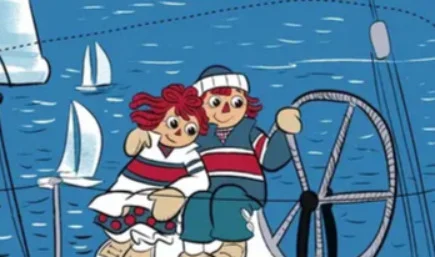
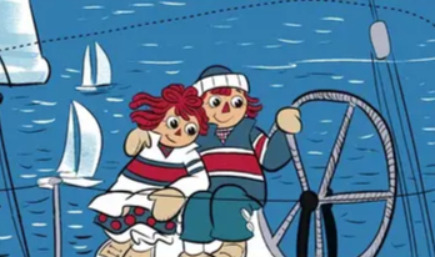
- Brand Longevity and Decay: While characters like Raggedy Ann and Andy (introduced in 1918) and the Jolly Green Giant (a 1960s icon) persist, their relevance is increasingly tied to an aging demographic, signaling a generational gap in brand recognition.
- The Agricultural Crisis: The collapse of the domestic canning industry, exemplified by the bankruptcy of major players like Del Monte, has led to the literal uprooting of California’s agricultural heritage.
- The Adaptation Paradox: Disney’s reliance on live-action reboots and the historical misinterpretation of literary classics like Jonathan Swift’s Gulliver’s Travels highlight the tension between commercial viability and artistic integrity.
Chronology: A Century of Cultural Touchstones
To understand the current state of these cultural markers, one must look at the timeline of their emergence and eventual transformation.
- 1918: Raggedy Ann and Andy are introduced. Originally designed as rag dolls, they symbolized a handmade, "indestructible" era of childhood that predated the plastic revolution.
- 1921–1937: The era of the "Greatest Generation" childhood, where children were raised on serialized books and the early cinematic marvels like Snow White, which famously drew families from mountain towns like Leadville, Colorado, to local theaters.
- 1939: Fleischer Studios releases its animated Gulliver’s Travels. This version cemented the "Lilliput" segment of the story in the public consciousness, arguably overshadowing the deeper satirical intent of Swift’s original 1726 text.
- 1964–1965: The Rolling Stones emerge as a blues/rock powerhouse on shows like The Mike Douglas Show, while the Kingsmen’s "The Jolly Green Giant" hits the airwaves, marking the peak of the Giant’s cultural saturation.
- 1996: The Hallmark Entertainment miniseries of Gulliver’s Travels, starring Ted Danson and produced by Whoopi Goldberg, attempts a "faithful" adaptation that nonetheless falls prey to modern sensibilities and political correctness.
- Present Day: The canning industry faces a terminal decline, and the "sting" of old-fashioned antiseptics has been replaced by sterilized, pain-free medical protocols.
Supporting Data: The Economic and Social Shift
The Decline of the Canning Industry
The most quantifiable evidence of cultural change lies in the grocery aisle. The "canned shelf" is shrinking as consumer preferences move toward frozen and fresh produce.
- Del Monte’s Financial Struggles: Once a titan of the industry, Del Monte Foods has faced significant restructuring and bankruptcy proceedings.
- The Peach Tree Cull: In California, the lack of a viable market for canned fruit has forced farmers to chop down approximately 420,000 peach trees. This represents a massive loss of agricultural capital and a permanent shift in the state’s land use.
- Frozen vs. Canned: The "Jolly Green Giant" brand survived largely because it pivoted to the frozen section. Data suggests that younger consumers perceive frozen vegetables as "fresher" and more nutrient-dense than their canned counterparts.
The Psychology of Antiseptics
The transition from Merthiolate to Bactine was more than a chemical change; it was a psychological one. Merthiolate (thimerosal) and Mercurochrome (merbromin) were staples of the 20th-century medicine cabinet.
- The "Sting" Factor: There was a prevailing belief in the mid-20th century that if a treatment didn’t hurt, it wasn’t working. This "no pain, no gain" approach to minor injuries was a hallmark of the school nurse’s office.
- Regulatory Intervention: In the late 1990s, the FDA effectively banned the over-the-counter sale of mercury-based antiseptics due to concerns over mercury poisoning, though the nostalgia for the "orange-red stain" of Mercurochrome remains for those born before 1980.
Industry and Official Responses
Disney and the Reboot Strategy
The entertainment industry, led by Disney, has responded to the fragmentation of the modern audience by leaning heavily on nostalgia. However, the results have been mixed.
- Live-Action Reboots: While Disney’s live-action versions of The Little Mermaid and Moana are designed to capture new generations, critics argue they often lack the "soul" of the originals.
- The Leadville Lesson: Historical accounts of the 1937 Snow White premiere suggest that "if you make it well, they will come." The industry response today often prioritizes brand recognition over the artisanal quality that made the original films cultural phenomena.
Literary Preservation
The academic community continues to struggle with the "Lilliput-ization" of Jonathan Swift. Scholars note that Gulliver’s Travels was never intended as a children’s story, yet cinematic adaptations almost exclusively focus on the giants and the tiny people, ignoring the Houyhnhnms (the wise horses) and the biting satire of the English government. The 1996 miniseries was praised by critics but criticized by literary purists for altering the gender of the Houyhnhnm leader for "political correctness," a move that many felt undermined Swift’s specific satirical targets.
Implications: The Weight of the Past
The overarching implication of these shifts is the "thinning" of cultural continuity. When we lose the specific "sting" of a certain medicine, the specific "yo-ho-ho" of a commercial giant, or the literal trees that provided our food, we lose the textures that define a generation.

The Educational Gap
As referenced in the works of cartoonists like Gauld and Rosen, there is a growing divide in "intellectual endurance." The anecdote of a spouse reading all seven volumes of Proust’s In Search of Lost Time and Tolstoy’s War and Peace while working a full-time job highlights a level of literary engagement that is becoming increasingly rare in the age of short-form content.
The Misunderstanding of Art
Modern dance, as explored through personal anecdote, often suffers from a similar gap in comprehension. The "deer and stag" performance—complete with plastic antlers and artificial rain—illustrates the "absurdity" that can occur when high art loses its connection to the audience’s vernacular. When art becomes a "lecture in a language you don’t speak," it risks becoming a parody of itself, much like the "politically correct" horses of the 1996 Gulliver.
The Legacy of the "Blues-Rock" Era
Finally, the evolution of bands like the Rolling Stones serves as a metaphor for the broader culture. Starting as a "dynamite blues/rock band," the group transformed into a commercial juggernaut. While their later hits reached a wider audience, many argue they lost the raw, foundational energy that defined their early years. This mirrors the trajectory of many of the brands and cultural icons discussed: they survive by becoming smoother, less painful, and more "marketable," but in doing so, they lose the "sting" that made them memorable in the first place.
Conclusion
The comics of today do more than provide a quick laugh; they act as the connective tissue between the rugged, often painful realities of the 20th century and the sanitized, digital landscape of the 21st. Whether it is the loss of 420,000 peach trees or the transition from mercury to "sting-free" sprays, these changes represent a fundamental shift in the human experience. As we look back through the lens of the "Comic Strip of the Day," we are reminded that while the "raggedy" dolls of the past may be gone, the memories they evoke remain as sharp—and sometimes as painful—as ever.