The End of an Era in Stars Hollow: Why ‘Gilmore Girls’ is Departing Netflix
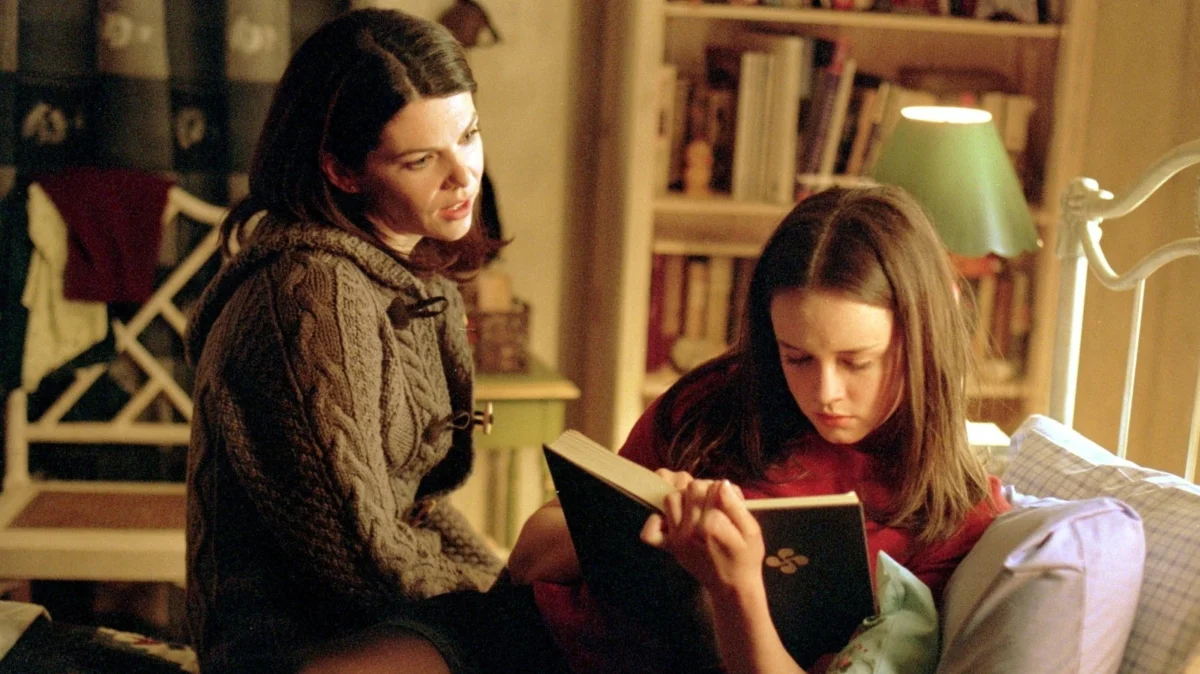
For over a decade, the fictional, foliage-heavy town of Stars Hollow, Connecticut, has had a permanent digital residence on Netflix. For millions of viewers, the rapid-fire banter of Lorelai and Rory Gilmore served as the ultimate "comfort television," a digital weighted blanket frequently revisited during the autumn months. However, the streaming landscape is shifting once again. Netflix has officially confirmed that the original seven-season run of Gilmore Girls is slated to leave the platform, marking a significant transition for one of the most successful licensed acquisitions in the streamer’s history.
While the original series—which aired from 2000 to 2007—is preparing its exit, the 2016 revival, Gilmore Girls: A Year in the Life, will remain on the service. This split creates a unique dilemma for fans and highlights the complex, often frustrating nature of modern streaming royalties and intellectual property rights.
Main Facts: The Great Stars Hollow Migration
The announcement came via social media, where Netflix’s official accounts signaled the end of an era. "It’s a show? It’s a lifestyle. It’s a religion," the streamer posted, echoing a famous line from the series. The news confirmed that Gilmore Girls Seasons 1 through 7 will officially depart the service in the United States. While initial reports suggested a 2024 departure, updated licensing data and internal timelines point toward a final "last call" for the series on the platform by June 2026, though some regions may see changes sooner.
The core of the issue lies in licensing. Gilmore Girls was produced by Warner Bros. Television. In the early 2010s, Netflix signed a massive deal to carry the series, which effectively introduced the show to a new generation of Gen Z and Millennial viewers who had missed its original run on The WB and The CW. This "Netflix Effect" turned a cult classic into a global juggernaut.
However, the 2016 miniseries, Gilmore Girls: A Year in the Life, occupies a different legal category. Because it was produced specifically for and by Netflix as a "Netflix Original," the streamer retains the exclusive rights to those four feature-length episodes indefinitely. Consequently, fans will soon face a fractured viewing experience: they may have to go to one service (likely Warner Bros. Discovery’s Max) to see Rory graduate high school, but return to Netflix to see her navigate her thirties.
Chronology: From The WB to the Streaming Wars
To understand why this departure is so significant, one must look at the timeline of the show’s evolution and its symbiotic relationship with Netflix.
2000–2006: The WB Era
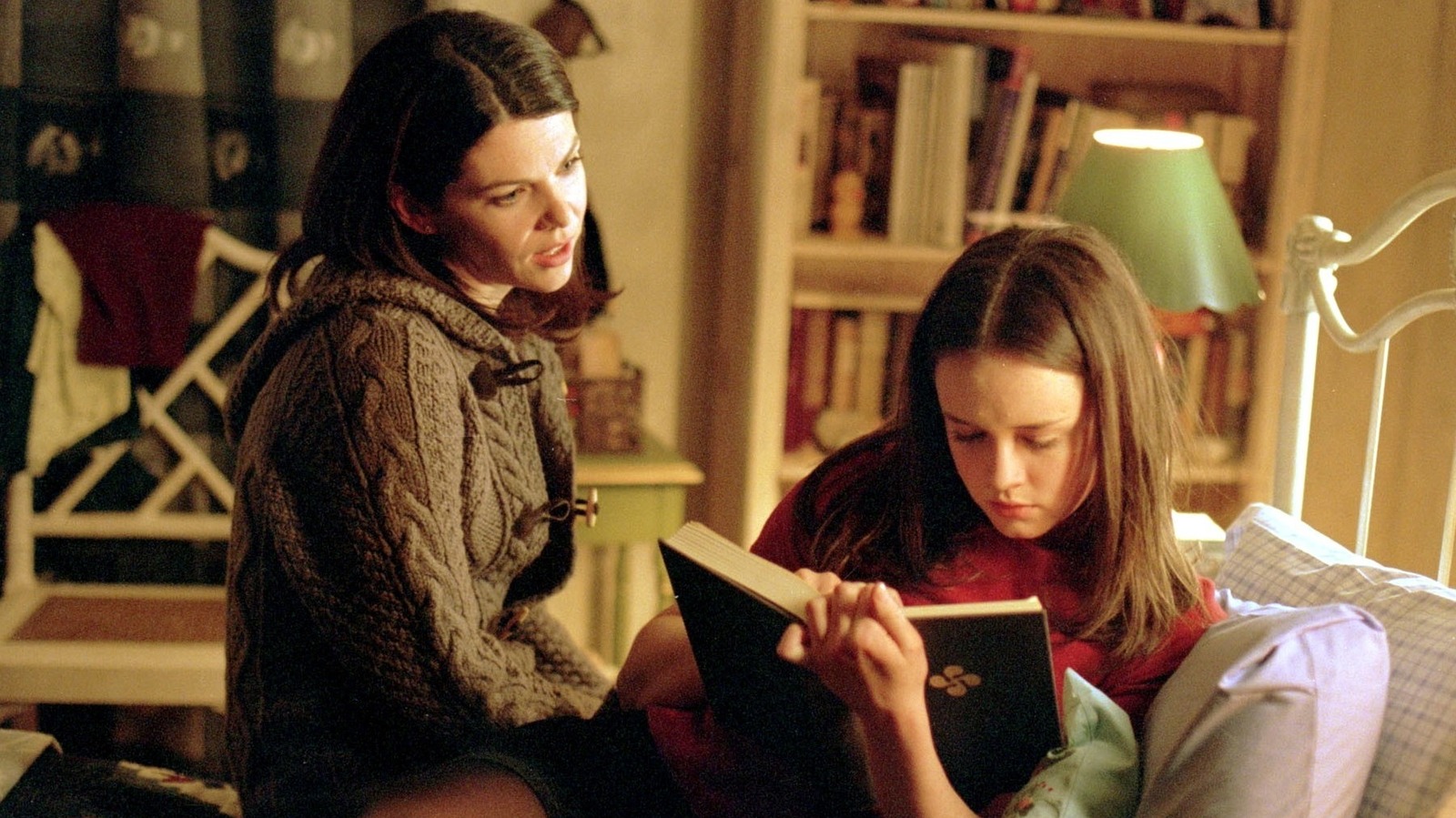
Created by Amy Sherman-Palladino, Gilmore Girls debuted on October 5, 2000, on The WB. It stood out for its hyper-literate, pop-culture-heavy dialogue and its focus on a multi-generational matriarchy. For six seasons, the show was the flagship of the network’s "family-friendly but edgy" brand.
2006–2007: The CW Transition and the "Lost" Season
In 2006, The WB and UPN merged to form The CW. During this transition, a contract dispute led to the departure of Amy Sherman-Palladino and her husband, executive producer Daniel Palladino. The seventh and final season was produced without them, leading to a dip in critical reception and a series finale that many fans found unsatisfying.
2014: The Netflix Renaissance
Netflix acquired the streaming rights to all seven seasons in 2014. Almost overnight, the show’s popularity exploded. It became a permanent fixture in Netflix’s "Trending" and "Rewatchable" categories. The data gathered from this period convinced Netflix that there was a massive, underserved appetite for more content from Stars Hollow.
2016: A Year in the Life
On November 25, 2016, Netflix released the revival. It brought back the original cast and, crucially, allowed the Palladinos to finish the story on their own terms, ending with the long-prophesied "final four words."
2024–2026: The Licensing Sunset
As Warner Bros. Discovery seeks to consolidate its most valuable assets onto its own platform, Max, the licensing agreement with Netflix has reached its expiration window. This move follows the pattern set by other "heavy hitters" like Friends and The Office, which left Netflix for their parent companies’ respective platforms.
Supporting Data: The Power of the "Comfort Watch"
The departure of Gilmore Girls is not merely the loss of a single title; it is the loss of a statistical powerhouse. According to Nielsen’s streaming ratings, Gilmore Girls frequently appears in the top 10 most-watched acquired series, often racking up over 500 million minutes of watch time in a single week—years after its original air date.
The "Autumnal" Spike
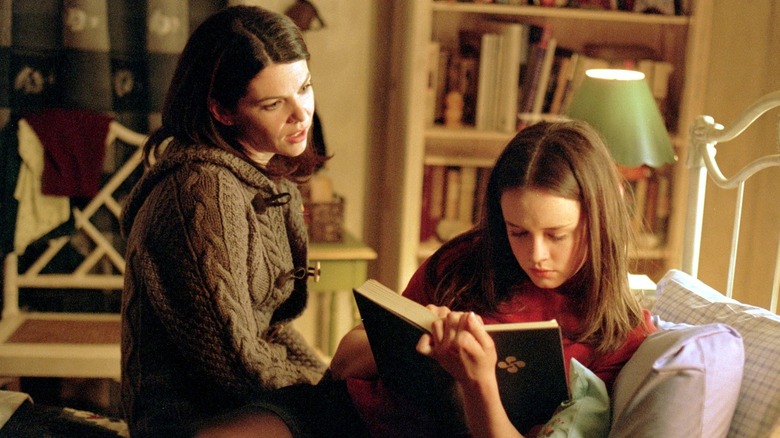
Data trends show that viewership for Gilmore Girls spikes significantly every year between September and November. The show’s aesthetic—characterized by cable-knit sweaters, falling leaves, and small-town festivals—has made it synonymous with the "cozy" subculture of the internet. For Netflix, losing this title means losing a guaranteed seasonal traffic driver.
Demographics and Longevity
The show possesses a rare "co-viewing" appeal. It is one of the few programs that maintains a high rating among teenagers, young adults, and older demographics simultaneously. Its dialogue-heavy nature also makes it a popular "second-screen" show, meaning users play it in the background while performing other tasks, leading to high "completion" and "repeat" rates that streaming algorithms prize.
Official Responses and Industry Context
While Netflix’s public-facing response was sentimental—"Raising a cup of coffee to every fan who visited Stars Hollow with us"—the underlying industry tone is one of cold pragmatism.
Warner Bros. Discovery (WBD) has been aggressive in clawing back its premium content. CEO David Zaslav has emphasized the value of "tentpole" IP. By moving Gilmore Girls to Max, WBD hopes to capture the millions of "comfort viewers" who currently pay for Netflix primarily to keep the show on loop.
Amy Sherman-Palladino has not commented specifically on the streaming move, as she is currently under an overall deal at Amazon MGM Studios (where she created The Marvelous Mrs. Maisel). However, she has frequently noted in past interviews that the show’s longevity is entirely due to the accessibility provided by streaming, stating that the "discovery" of the show by young girls today is what keeps the brand alive.
Implications: The Fractured Future of Digital Media
The removal of Gilmore Girls from Netflix serves as a cautionary tale for the "all-digital" consumer. It highlights three major shifts in the entertainment landscape:
1. The Fractured Narrative Experience
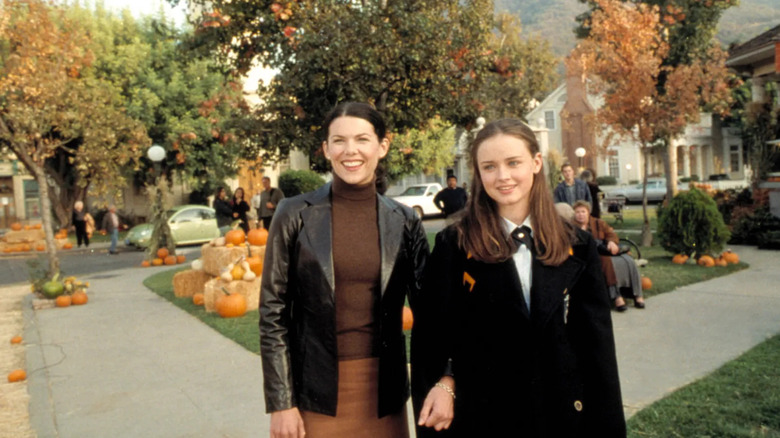
When the original series moves to Max (or another platform) while the revival stays on Netflix, the consumer is the one who suffers. To watch the complete story of Rory Gilmore from age 16 to 32, a viewer will soon require two separate monthly subscriptions. This "fragmentation" is a primary driver of "subscription fatigue" among consumers.
2. The Resurgence of Physical Media
This news has already triggered a spike in sales for Gilmore Girls DVD box sets. Collectors and "super-fans" are increasingly realizing that "digital ownership" on a streaming platform is a myth. If a licensing deal expires, the show disappears. For a series that fans watch annually, the one-time cost of a physical box set is becoming more economical than chasing the show across various $15-a-month platforms.
3. The Future of Stars Hollow
Does the departure from Netflix signal the end of the franchise? Not necessarily. While Netflix owns A Year in the Life, Warner Bros. owns the characters and the world. If the original series performs exceptionally well on a new platform like Max, it could provide the data needed for Warner Bros. to greenlight a second revival or a spin-off, independent of Netflix.
Conclusion: A Bitter Brew for Fans
For the residents of the digital Stars Hollow, the news is a bitter brew. Gilmore Girls was more than a show for Netflix; it was a cornerstone of the platform’s identity during its transitional years into a content-producing giant.
As the June 2026 deadline approaches, fans have a clear window to complete their final Netflix rewatches. While the coffee at Luke’s Diner will never truly go cold—thanks to the show’s eventual relocation—the convenience of having the entire Gilmore saga in one place is officially coming to an end. In the fast-talking world of Lorelai and Rory, the only thing that moves faster than their dialogue is the shifting loyalty of the streaming giants.