The Literary Journey Goes Mobile: Tiny Bookshop Sets Sail for iOS and Android
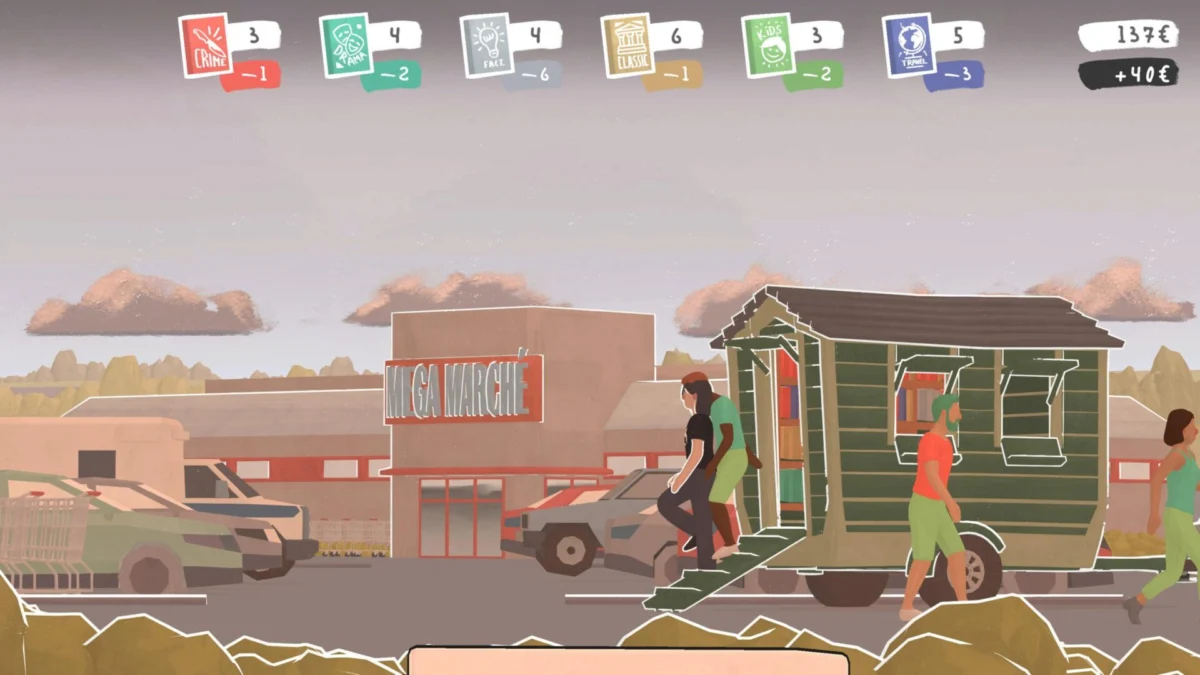
In an era where mobile gaming is often synonymous with high-octane action or predatory monetization schemes, a new contender is emerging to offer a gentler, more cerebral experience. Tiny Bookshop, the critically acclaimed "slice-of-life" management simulator developed by the independent studio Neoludic, is officially making its transition to mobile platforms. Scheduled for release on July 9th, the game aims to bring the tranquil atmosphere of "Bookstonbury" to the palms of players’ hands, offering a portable sanctuary for bibliophiles and casual gamers alike.
Main Facts: A Premium Experience in a Pocket-Sized Format
The upcoming mobile release of Tiny Bookshop on Android and iOS represents a significant milestone for Neoludic. Unlike many contemporary mobile titles that rely on "freemium" models, Tiny Bookshop is positioning itself as a premium experience. Upon its launch on July 9th, the game will offer a free-to-play demo, allowing users to sample the mechanics and atmosphere before committing to a purchase. Following the demo, a one-time fee will unlock the full game in its entirety.
Significantly, the developers have committed to a "clean" gaming experience. This means the title will be entirely devoid of microtransactions and intrusive advertisements. In a market saturated with "pay-to-win" mechanics and constant interruptions, Neoludic’s decision to stick to a traditional purchase model is a bold statement in favor of player immersion and artistic integrity.
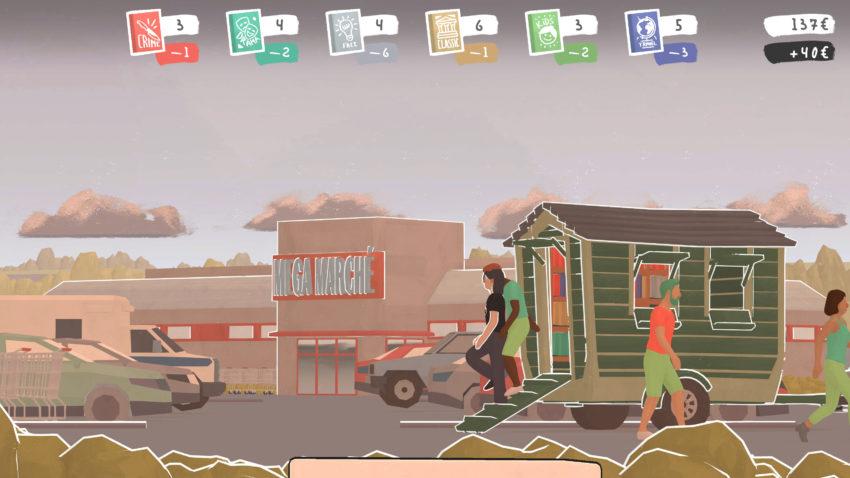
The mobile version is not merely a port but a reimagining of the interface. The developers have implemented a "touch-first" design, ensuring that the management of the shop—from shelving books to navigating the coastal roads—feels intuitive on a touchscreen. This transition aims to maintain the "cozy" aesthetic that has become the game’s hallmark while optimizing it for the hardware constraints and user behaviors associated with mobile devices.
Chronology: From Concept to the Streets of Bookstonbury
The journey of Tiny Bookshop began as a passion project rooted in the "cozy gaming" movement, a genre that prioritizes relaxation, social interaction, and non-violent progression. While the game initially garnered attention on PC platforms for its charming watercolor-inspired art style and low-stakes gameplay, the path to mobile has been a deliberate process of refinement.
The development timeline highlights a focus on community feedback. Early iterations of the game were showcased at various indie gaming festivals, where the core loop—collecting books, customizing a traveling trailer, and meeting the eccentric residents of Bookstonbury—was perfected.
In late 2022 and throughout 2023, the team at Neoludic focused on expanding the narrative depth of the game. Critics who previewed earlier versions noted that while the management aspects were solid, the true heart of the game lay in its "special customers." These NPCs (non-player characters) bring with them unique backstories and literary preferences, turning a simple management sim into a narrative-driven exploration of community.
As the July 9th release date approaches, the final phase of development has been dedicated to the "touch-first" optimization. This involved redesigning menus to be accessible for thumbs and ensuring that the text-heavy elements of the game—essential for a title about books—are legible on screens of varying sizes.
Supporting Data: The Mechanics of a Mobile Bookstore
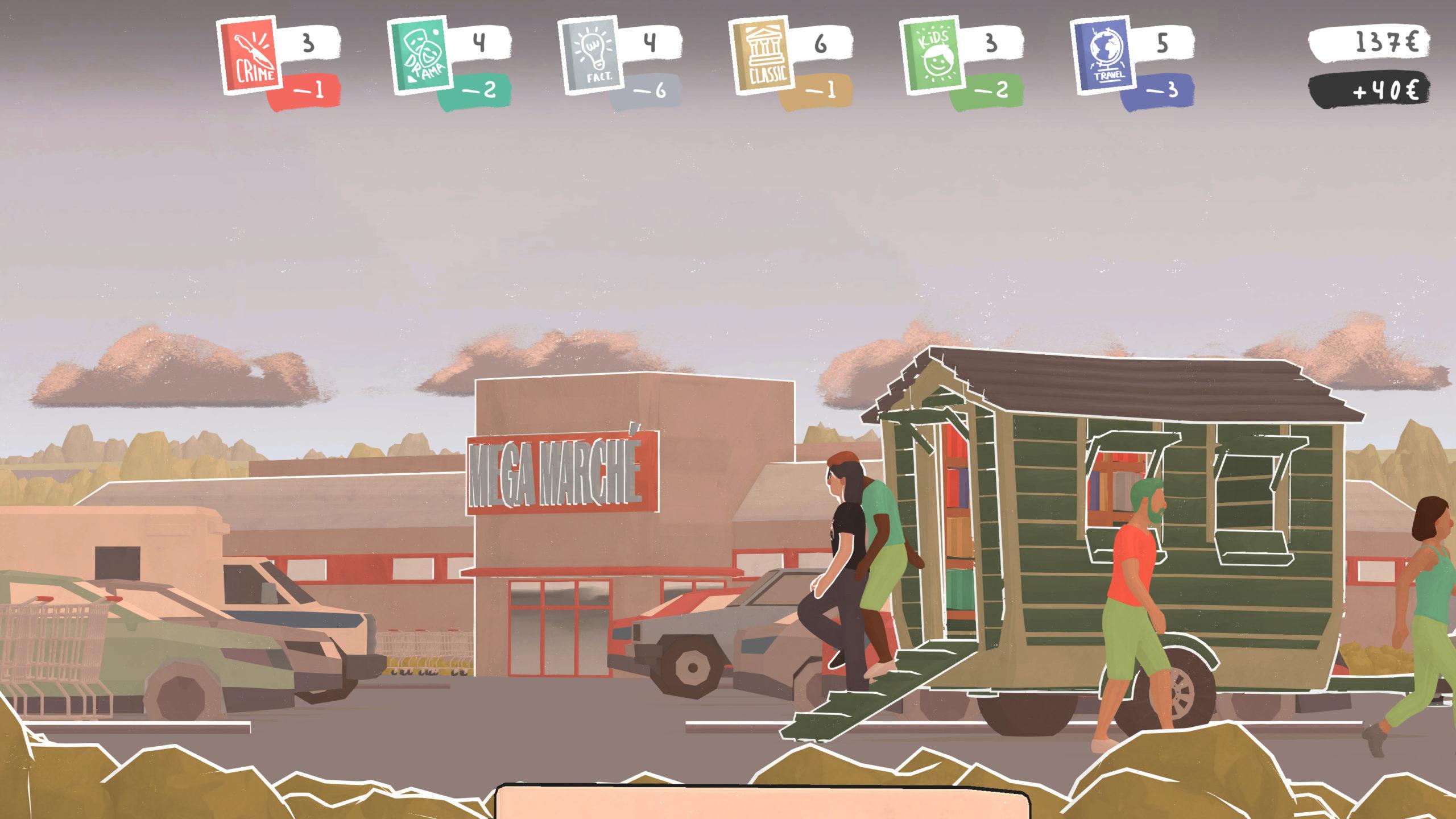
Tiny Bookshop operates on a blend of inventory management, environmental exploration, and social simulation. To understand the depth of the game, one must look at the three pillars of its gameplay:
1. Inventory and Curation
Players do not merely sell "generic" books. The game features a diverse catalog of titles across various genres. Success in Tiny Bookshop depends on the player’s ability to curate their stock based on their current location. A stop near a seaside resort might require light beach reads and romance novels, while a visit to a more academic or somber part of town might see a demand for philosophy or classic literature.
2. Customization and Progression
The "Tiny" in the title refers to the player’s mobile shop—a charming, customizable trailer. As players earn revenue, they can invest in aesthetic upgrades, such as new paint jobs, decorative plants, and improved shelving. These aren’t just cosmetic; they influence how many books can be carried and how long customers linger at the shop, which in turn affects sales and relationship-building opportunities.
3. The Social Fabric of Bookstonbury
The game is set in the fictional town of Bookstonbury, a place that feels like a composite of the English countryside and a sleepy coastal village. The data suggests that the game’s longevity comes from its character interactions. There are dozens of unique NPCs, each with a "friendship meter" that fills as the player provides them with the perfect book. High-level relationships unlock new story beats and occasionally grant the player rare items or books to add to their collection.
Official Responses: The Developer’s Vision
The move to mobile was a strategic and philosophical choice for the team at Neoludic. David Zapfe-Wildemann, a key figure at the studio, emphasized that the mobile platform aligns perfectly with the intended pace of the game.
“Bookstonbury was always the kind of place you should be able to carry around with you,” Zapfe-Wildemann stated during the mobile announcement. “Mobile is the natural home for a game like this: slow afternoons, long commutes, the last quiet half hour before sleep. We built the touch version to feel like it belongs there.”
This sentiment reflects a growing trend in the indie industry where developers are reclaiming the mobile space for high-quality, artistic experiences rather than high-frequency, dopamine-driven loops. The focus is on "slow gaming"—an approach that encourages the player to take their time, read the dialogue, and enjoy the ambient sounds of the wind and sea.
However, the developers have also been attentive to critical feedback regarding the user interface. Previous reviews of the PC version pointed out minor frustrations with text speed and dialogue boxes. In response, the mobile version features a refined dialogue system designed to be more flexible, allowing players to control the flow of information more effectively, ensuring that the "quaint and interesting" stories of the customers are never missed due to UI quirks.
Implications: A New Chapter for Cozy Gaming on Mobile
The release of Tiny Bookshop on mobile has broader implications for the gaming industry and the "cozy" genre at large.
The Shift Toward Premium Mobile Content
For years, the mobile market has been dominated by the "whaling" model—relying on a small percentage of players to spend large amounts on microtransactions. Tiny Bookshop joins a small but vocal group of indie titles (such as Stardew Valley and Gris) that prove there is a market for "one-and-done" premium purchases on phones. If successful, it could encourage more indie developers to bring their narrative-driven experiences to mobile without feeling pressured to include ads or gems.
The "Cozy" Revolution
The "Cozy" genre has exploded in popularity, partly as a response to global stressors. Games like Tiny Bookshop offer a form of "digital hygge"—a sense of comfort and security. By bringing this to mobile, Neoludic is providing a mental health break that is accessible anywhere. The implication is that gaming is increasingly being viewed not just as a challenge to be overcome, but as a space to inhabit.
Accessibility and Literacy
By centering a game around the joy of reading and the importance of physical books in a digital age, Tiny Bookshop serves as a digital love letter to literacy. It encourages a slower form of engagement, where the player is rewarded for paying attention to the nuances of a character’s personality rather than their reflexes.
Conclusion
As July 9th approaches, the anticipation for Tiny Bookshop continues to build among the indie community. By combining a fair business model with deeply researched "touch-first" mechanics and a heartwarming narrative, Neoludic is set to deliver one of the year’s most tranquil mobile experiences.
Whether you are a seasoned gamer looking for a break from the grind or a book lover looking for a new way to engage with the literary world, Tiny Bookshop promises a journey worth taking. In the quiet corners of Bookstonbury, players will find that sometimes the most rewarding adventures aren’t about saving the world, but about finding the right book for the right person at the right time.