
The New Kingdom of Egypt: An Era of Imperial Grandeur and Enduring Legacy
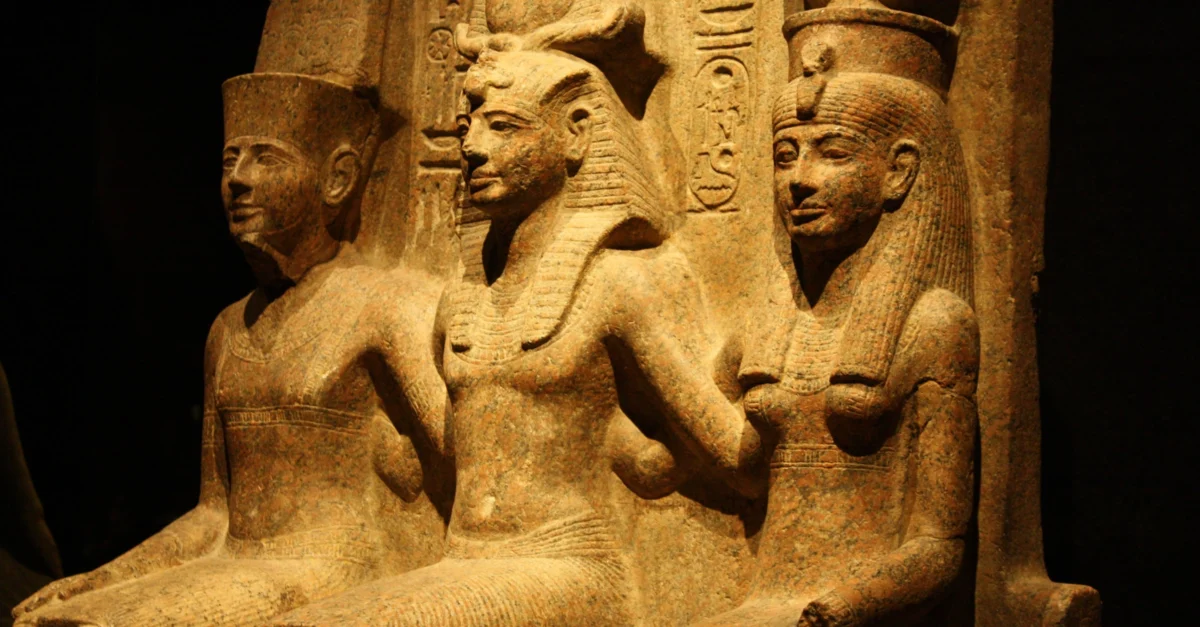
The New Kingdom of Egypt, spanning from approximately 1570 to 1069 BCE, represents the zenith of ancient Egyptian power, wealth, and cultural influence. Emerging from the tumultuous Second Intermediate Period and preceding the fragmentation of the Third Intermediate Period, this era transformed Egypt from a regional power into a formidable empire, asserting its dominance across the Near East. It is the most celebrated epoch in Egyptian history, home to iconic pharaohs whose names resonate through millennia and whose monumental achievements continue to captivate the modern imagination.
This period witnessed a profound shift in the very designation of Egypt’s rulers. It was during the New Kingdom that monarchs began to be known as "pharaohs," derived from the Greek word for the Egyptian Per-a-a, meaning "Great House" or royal residence. Prior to this, Egyptian rulers were simply "kings." The enduring popular use of "pharaoh" to refer to any Egyptian ruler, regardless of era, underscores the immense impact the New Kingdom has had on our contemporary understanding of this ancient civilization.
A Golden Age Defined: The Rise of Imperial Egypt
The New Kingdom’s prominence is not merely a matter of military might or territorial expansion; it is also the most comprehensively documented period in Egyptian history. A significant expansion of literacy during the preceding Middle Kingdom and Second Intermediate Period meant that by the New Kingdom, more individuals were engaging in writing and correspondence. This era also marked Egypt’s deeper immersion into international diplomacy and trade, necessitating a vast array of written contracts, treaties, royal letters, and bills of sale. The sprawling bureaucratic network required to administer such an expansive empire further generated an enormous volume of written material, much of which miraculously survives to this day, offering unparalleled insights into daily life, governance, and foreign policy.
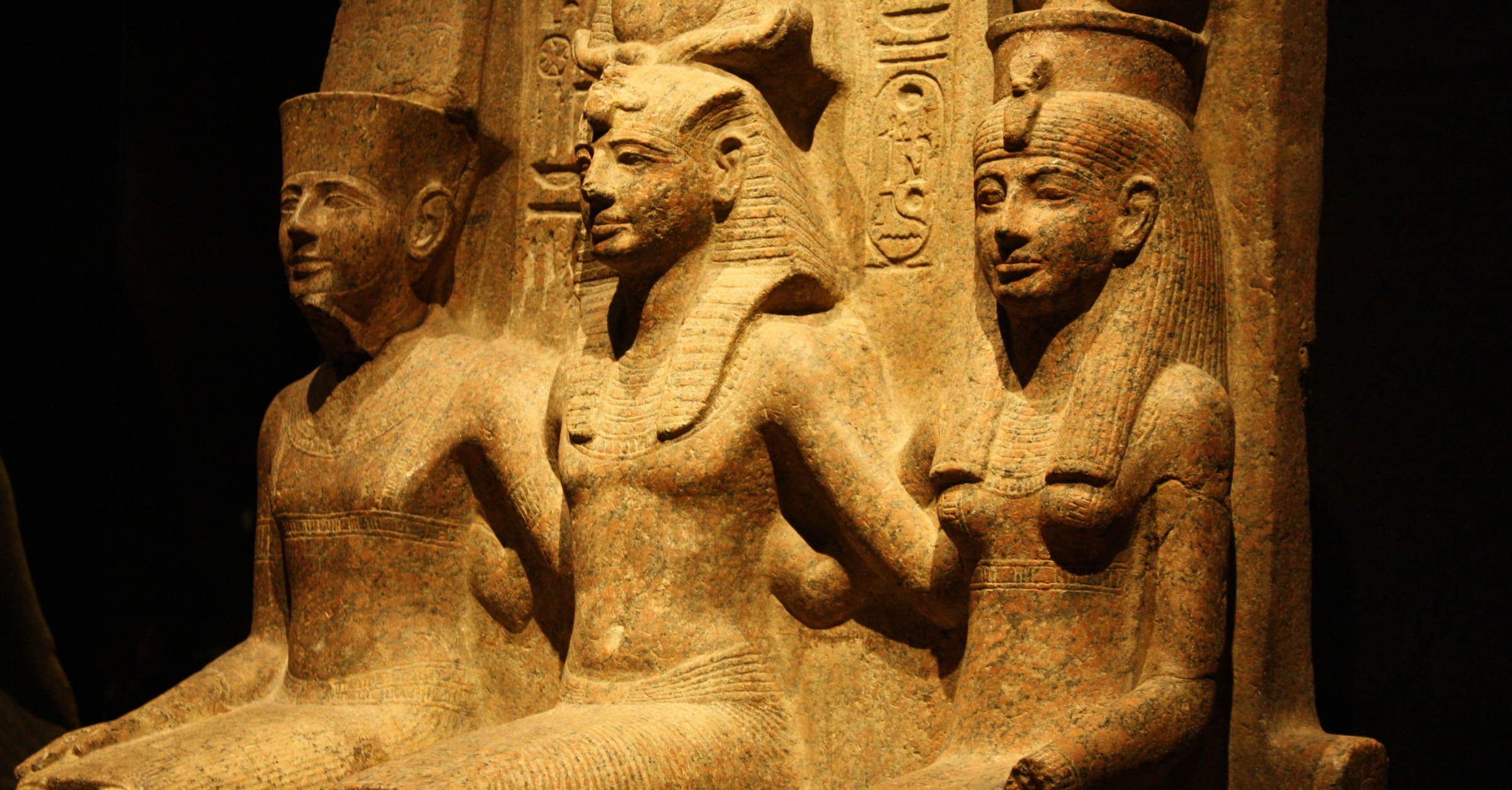
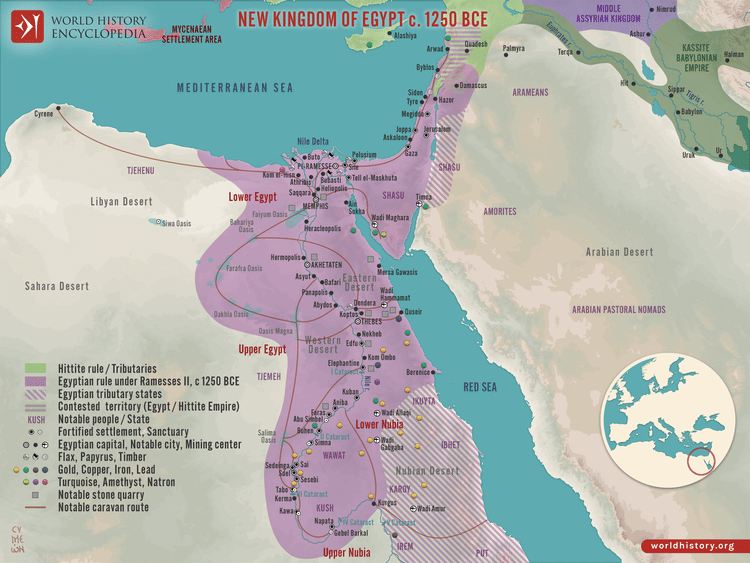
This burgeoning empire elevated Egypt’s standing on the international stage, making it a key member of what modern historians aptly term the "Club of Great Powers." Alongside formidable entities such as Assyria, Babylon, the Hittite New Kingdom, and the Kingdom of the Mitanni, Egypt engaged in complex diplomatic relationships and extensive trade networks, solidifying its position as a central player in the ancient world.
From Disunity to Dominion: The Genesis of the New Kingdom
The seeds of the New Kingdom were sown in the fertile ground of crisis. The Second Intermediate Period (circa 1782-1570 BCE) had seen Egypt fractured, with the foreign Hyksos kings establishing control in Lower Egypt from their capital at Avaris, while the Kingdom of Kush rose to power in the south. This unprecedented foreign presence, a consequence of the weakening 13th Dynasty, represented a profound challenge to Egyptian sovereignty.
However, the Hyksos, despite being viewed by later Egyptian writers as agents of chaos and destruction, inadvertently provided Egypt with crucial innovations. Archaeological evidence suggests a more complex relationship, likely cordial until the outbreak of hostilities. Critically, the Hyksos introduced advanced military technology, including the horse-drawn war chariot and the secret of bronze production – a metal significantly harder than Egypt’s native copper. As scholars Brier and Hobbs note, "Battles against the Hyksos also led Egypt to look beyond its northern borders for the first time and, with a better-equipped arm, eventually to dominate the Middle East." These military advancements would prove instrumental in Egypt’s imperial expansion.
The expulsion of the Hyksos marked the true beginning of the New Kingdom. The Theban king Seqenenra Taa (Ta’O) initiated the conflict, leading to his death in battle. His successor, Kamose, continued the fight, claiming victory over the Hyksos. However, it was Ahmose I (circa 1570-1544 BCE), founder of the 18th Dynasty, who ultimately achieved complete victory. Ahmose I waged three decisive battles to capture Avaris, driving the Hyksos first into Canaan and then Syria. With the foreign rulers decisively defeated and the Kushites pushed back south, Ahmose I unified the country under his rule from Thebes, initiating a new era of proactive defense and expansion. He immediately focused on securing Egypt’s vulnerable borders, establishing crucial buffer zones against future invasions. These strategic fortifications and military campaigns laid the foundation for the vast empire that would soon emerge.
The Illustrious 18th Dynasty: Architects of Empire
Ahmose I’s foresight in establishing buffer zones was key. His campaigns into Canaan and Syria, and against Kush in Nubia, consolidated a stable political and economic situation for his successor, Amenhotep I (circa 1541-1520 BCE).
Amenhotep I & Thutmose I: Consolidation and Early Expansion
Amenhotep I maintained his father’s policies, focusing on securing borders and making significant contributions to the arts and religious practices. It was under his reign that The Book of Coming Forth by Day (the Egyptian Book of the Dead) reached its definitive form. He was also a patron of the famed artists’ colony of Deir el-Medina, responsible for the magnificent tombs in the Valley of the Kings. Upon his death, he was deified by the artisans he supported, signifying his lasting cultural impact.
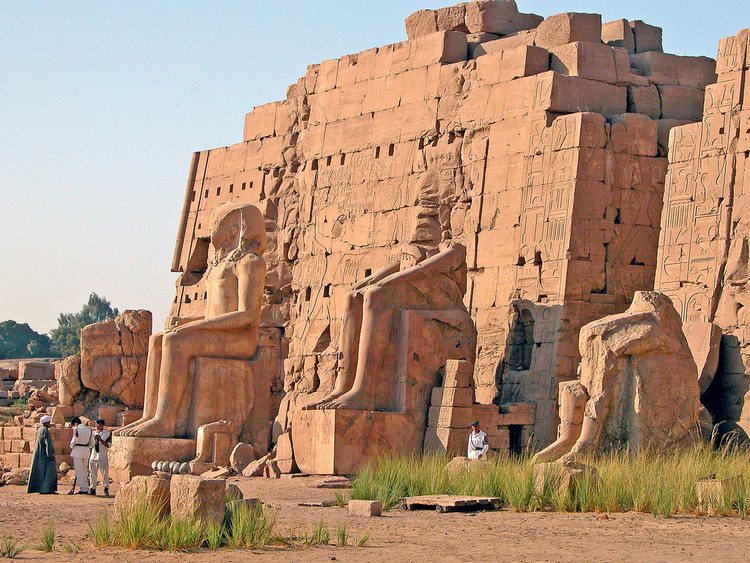
His successor, Thutmose I (1520-1492 BCE), proved to be a more aggressive expansionist. He swiftly quelled a Nubian rebellion, personally executing the Nubian king and displaying his body as a stark warning. He pushed Egypt’s southern frontier deep into Nubia before turning his attention north to Canaan and Syria. Thutmose I significantly contributed to the immense Temple of Karnak at Thebes, initiating the tradition of pharaohs adding to its grandeur. His reign solidified Egypt’s imperial ambitions.
Hatshepsut & Thutmose III: The Female Pharaoh and the Empire Builder
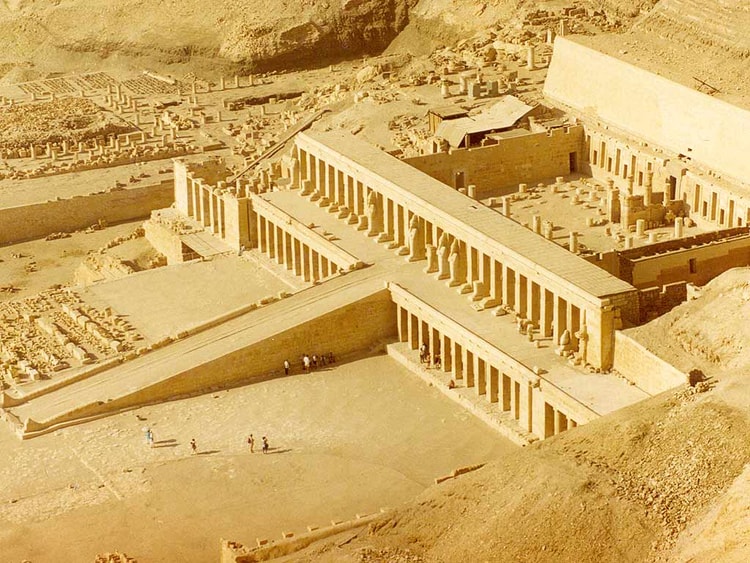
Thutmose II (1492-1479 BCE), son of Thutmose I, had a brief and relatively unremarkable reign, largely overshadowed by his powerful half-sister and queen, Hatshepsut (1479-1458 BCE). Hatshepsut, initially regent for her young stepson Thutmose III, swiftly ascended to full pharaonic power, an unprecedented move for a woman in ancient Egypt. She became one of the most successful and prolific builders among Egyptian rulers, second only to Ramesses II. Her magnificent mortuary temple at Deir el-Bahri stands as a testament to her architectural vision. She also organized a renowned and successful trading expedition to the Land of Punt, bringing immense wealth and exotic goods to Egypt. Her reign was marked by peace and prosperity, consolidating the empire’s foundations.
However, a perplexing historical "official response" to her reign was the systematic erasure of her name and images from monuments around 1458 BCE. While the precise reasons remain debated, it is widely attributed to Thutmose III, who may have sought to maintain traditional gender roles and prevent future female rulers from aspiring to power, thereby preserving the perceived natural balance (Ma’at) of Egyptian culture.
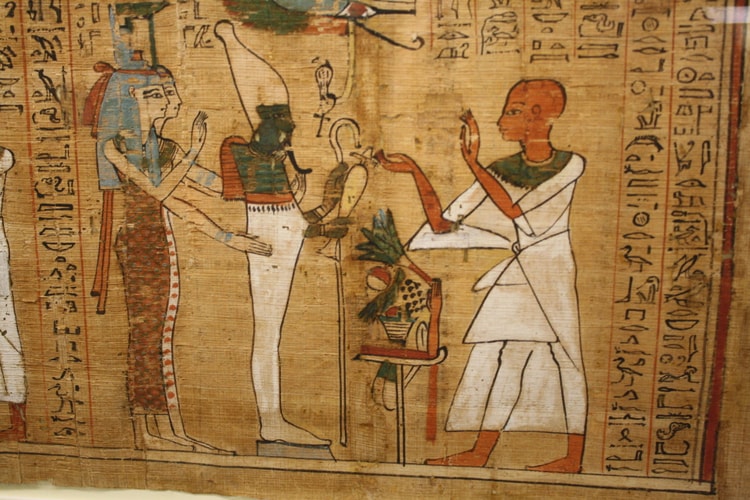
Thutmose III (1458-1425 BCE) inherited a prosperous and stable nation and transformed it into a sprawling empire. Often dubbed the "Napoleon of Egypt," he launched at least 17 military campaigns in 20 years, employing the Hyksos-derived war chariot and bronze weaponry with devastating effect. He subdued kingdoms from Libya to Syria, extending Egypt’s control further than ever before. His meticulous inscriptions and monuments provide "supporting data" that make his reign one of the best-documented in Egyptian history, detailing his military prowess and administrative acumen in managing the newly acquired territories.
Amenhotep III & the Rising Power of Amun
Subsequent pharaohs, Amenhotep II (1425-1400 BCE) and Thutmose IV (1400-1390 BCE), maintained and further solidified the empire, engaging in diplomacy and building projects. Thutmose IV is famously credited with restoring the Great Sphinx at Giza.
The reign of Amenhotep III (1386-1353 BCE) marked a pinnacle of Egyptian cultural, political, and economic opulence. His era produced some of the most impressive monuments of Egyptian architecture, reflecting immense wealth. However, beneath this glittering facade, a significant internal challenge was brewing: the steadily accumulating power of the priests of Amun. The Amun priesthood, centered at Thebes, had become extraordinarily wealthy, owning more land than the pharaoh himself and leveraging their spiritual authority for increasing temporal influence.
In an "official response" to this growing threat, Amenhotep III attempted to curb their power by promoting the minor god Aten, represented by the sun disc. While his efforts did elevate Aten’s status, they ultimately failed to diminish the entrenched power of Amun’s cult. This strategic move, however, set the stage for a far more radical transformation under his successor.
The Amarna Period: A Monotheistic Revolution
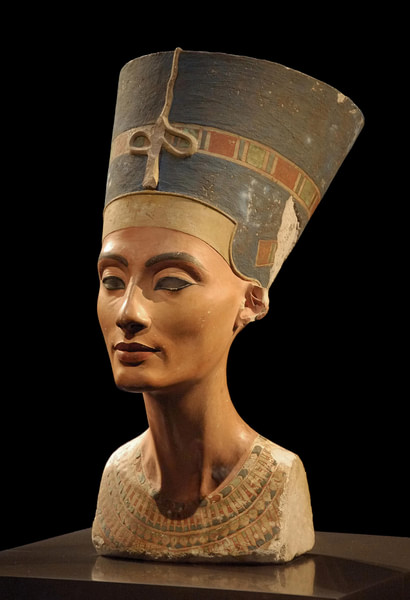
Amenhotep IV, better known as Akhenaten (1353-1336 BCE), inherited his father’s concern about the Amun priesthood and launched a truly revolutionary "official response." In the fourth or fifth year of his reign, he changed his name to Akhenaten ("Effective for Aten"), abolished the traditional polytheistic Egyptian religion – specifically targeting the cult of Amun – and elevated Aten to the position of the sole, true god. All other temples were closed, their worship proscribed, and at Karnak, Akhenaten even erected a temple to Aten. He then moved the capital from Thebes to a newly constructed city, Akhetaten (modern-day Amarna), to which he largely retired, neglecting many affairs of state. His wife, the renowned Nefertiti, whose magnificent bust is a global icon, played a prominent role during this period.
Akhenaten’s reforms, once seen as a genuine attempt at religious reformation, are now largely understood as a drastic political maneuver to neutralize the overwhelming power of the Amun priesthood. By outlawing their cult and banishing their god, he effectively stripped them of their wealth and influence, re-centralizing authority around the pharaoh and his new deity.
Tutankhamun & Horemheb: Restoring Order
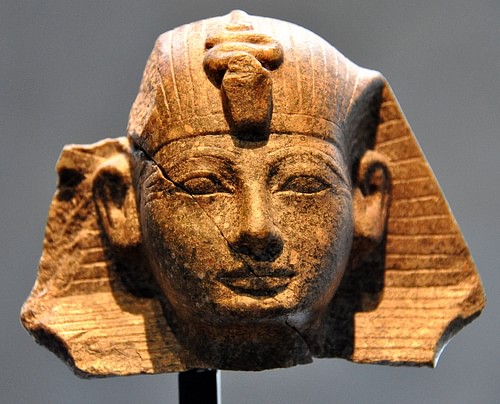
Upon Akhenaten’s death, his young son, Tutankhaten, swiftly changed his name to Tutankhamun (1336-1327 BCE). In a rapid "official response" to the Amarna heresy, he moved the capital back to Memphis, restored the religious center of Thebes, reopened the temples, and reinstated the traditional Egyptian religion. Though he initiated vital reforms that stabilized the country after Akhenaten’s tumultuous reign, his modern fame rests almost entirely on the discovery of his nearly intact tomb by Howard Carter in 1922.
The precise succession after Tutankhamun is somewhat murky. His widow, Ankhsenamun, may have attempted to secure a Hittite prince as a consort, a move that ended in the prince’s mysterious death. Ultimately, the vizier Ay, and then the general Horemheb (1320-1295 BCE), came to power. Horemheb dedicated himself to systematically erasing the memory of the Amarna Period kings. He destroyed Akhenaten’s monuments and inscriptions so thoroughly that their existence was only discovered because Horemheb used the ruined fragments as fill for his own building projects. Horemheb champions the old religion and traditions, restoring Egypt’s stature after Akhenaten’s neglect, though not to its previous peak under Amenhotep III. Dying without an heir, he appointed his vizier, Paramesse, who became Ramesses I, initiating the 19th Dynasty.
The Mighty 19th Dynasty: Warriors and Builders
The 19th Dynasty continued the work of restoration and military assertiveness. Ramesses I (1292-1290 BCE), an elderly man upon his ascension, swiftly appointed his son, Seti I, as successor. He continued Horemheb’s work, rebuilding temples and adding to Karnak, while authorizing Seti I to reclaim territories lost during Akhenaten’s reign.
Seti I & Ramesses II (The Great): The Apex of Power
Seti I (1290-1279 BCE) continued his father’s and Horemheb’s policies, further revitalizing Egypt and preparing his son for rule. His son, Ramesses II (The Great, 1279-1213 BCE), stands as perhaps the most famous and impactful pharaoh in Egyptian history. His modern notoriety often links him to the biblical Exodus story, though historical and archaeological "supporting data" firmly contradict this association. Ramesses II’s reign is unparalleled in its thorough documentation; he left more monuments and inscriptions than any other pharaoh, yet none mention Hebrew slaves, plagues, or a mass exodus.
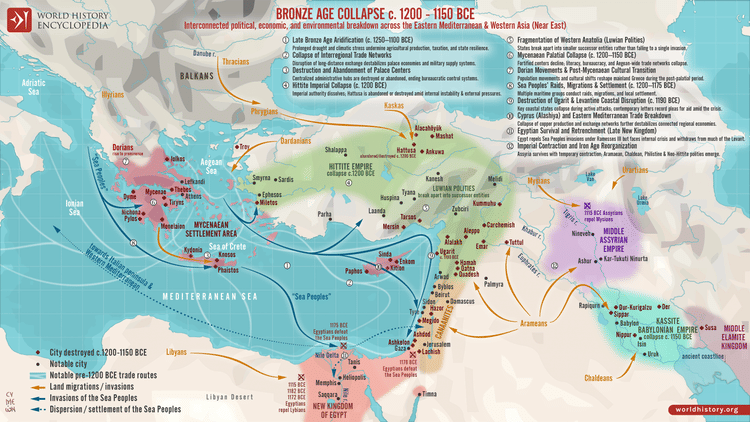
Ramesses II is renowned for his military prowess, particularly the Battle of Kadesh in 1274 BCE against the Hittites. While often celebrated as a decisive victory by Ramesses, it was more accurately a strategic draw, culminating in the world’s first recorded peace treaty. He also successfully repelled invasions by the enigmatic Sea Peoples, securing Egypt’s borders. His image as a great warrior-king, which he actively cultivated, belied a reign that saw few campaigns after Kadesh, focusing instead on internal prosperity and monumental building.
Egypt flourished under Ramesses II. His architectural legacy is immense, with nearly every ancient site bearing his name. In a move that would have profound "implications" for the future, he relocated the capital from Thebes to a new city, Per-Ramesses, built at Avaris in the north. This decision, perhaps intended to better secure the northern regions, inadvertently allowed the Amun priesthood at Thebes to consolidate power without direct pharaonic oversight, eventually rivaling the throne itself.
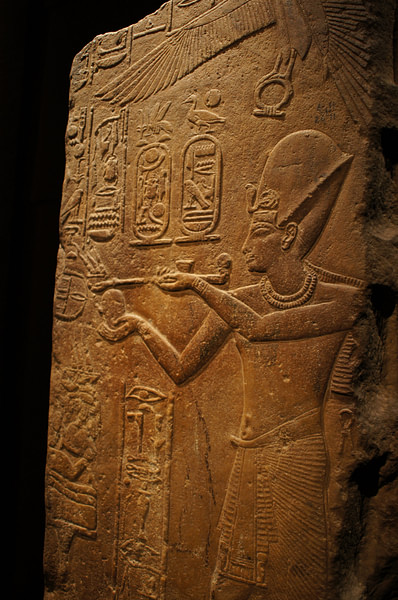
Ramesses II lived to an astonishing 96 years, his reign so long that few could remember a time before him. His death caused widespread apprehension. He was succeeded by his thirteenth son, Merenptah (1213-1203 BCE), who was nearly 60 when he ascended.
Merenptah & Succession Struggles
Merenptah quickly emulated his father’s warrior image, defeating the Libyans and repelling another invasion by the Sea Peoples. His famous Merenptah Stele provides the first extra-biblical mention of "Israel" as a distinct people or tribe.
The period following Merenptah’s death saw a succession crisis, indicating a weakening of central authority. Amenmesse (1203-1200 BCE) usurped the throne from the rightful heir, Seti II (1203-1197 BCE), seizing Thebes and extending his rule south. This instability foreshadowed the challenges of the next dynasty. Seti II eventually reasserted control, but the brief reigns of Merenptah Siptah and Queen Twosret (1191-1190 BCE), who ruled as regent and then pharaoh, further highlighted the fragile state of succession. The 19th Dynasty concluded with Setnakhte (1190-1186 BCE), a usurper who founded the 20th Dynasty.
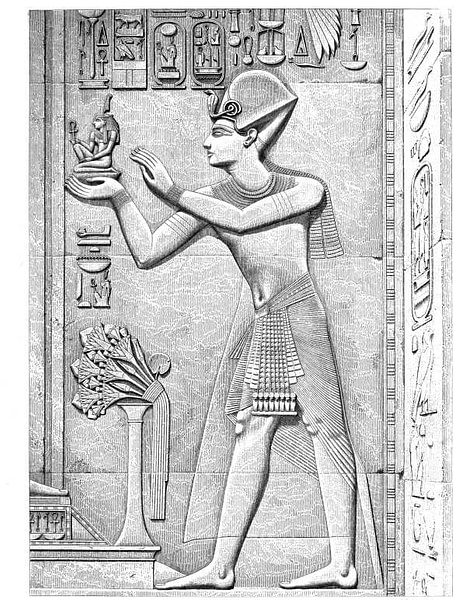
The Waning Power: The 20th Dynasty and the Ramessid Decline
The evident confusion and usurpers following Merenptah’s death indicated a breach in the sacred concept of ma’at (harmony and balance), a serious omen for Egypt’s stability. While Amenmesse’s usurpation failed, Setnakhte’s acceptance suggests he may have had a more legitimate claim or presented a necessary stabilizing force.
The Ramessid Period: Last Stand Against Decline
Setnakhte stabilized the government, but the records of his reign are less clear. He was succeeded by Ramesses III (1186-1155 BCE), often considered the last truly strong pharaoh of the New Kingdom. Ramesses III is primarily celebrated for decisively defeating the Sea Peoples, repelling their incursions from Egypt’s coasts for the final time. His monumental inscriptions detailing these battles provide crucial historical "supporting data" for understanding this major Bronze Age phenomenon.
Despite his military successes and efforts to maintain a strong central government, the empire was slowly eroding. The "implication" of the Amun priesthood’s unchecked growth, exacerbated by Ramesses II’s relocation of the capital, became starkly apparent. By Ramesses III’s reign, the priests of Amun commanded greater wealth and influence than the pharaoh, holding vast tracts of land and wielding significant authority in the provinces. The traditional role of the pharaoh as the divine intermediary began to diminish, as the priests of Amun increasingly fulfilled this function.
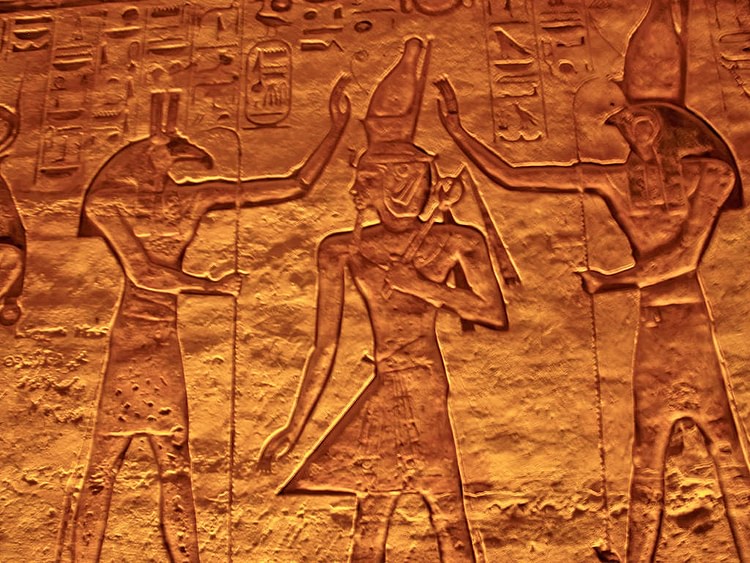
Ramesses III himself fell victim to an assassination plot orchestrated by one of his lesser wives. His successors, a series of pharaohs all named Ramesses (IV-XI), struggled immensely to maintain the shrinking empire against external incursions and the ever-growing internal power of the Amun priesthood. Their reigns saw a steady decline in pharaonic authority and monumental achievements. Ramesses VI (1145-1137 BCE), for instance, is ironically best known today not for his own deeds but because his tomb’s construction inadvertently buried and thus protected Tutankhamun’s tomb from grave robbers until the 20th century.
The latter part of the 20th Dynasty, particularly during the reign of Ramesses XI (1107-1077 BCE), saw the monarchy’s power rapidly decline. An obscure but significant episode, known as Whm Mswt (meaning "rebirth of culture" but actually denoting a period of political fragmentation), involved a high priest of Amun named Amenhotep. While details are scarce, the ultimate "implication" of this period is clear: the priests of Amun had amassed sufficient power to effectively rule Upper Egypt from Thebes, directly challenging the pharaoh’s authority in Lower Egypt.
The Fall of an Empire: Internal Strife and External Pressures
The division of rule between the Amun priesthood at Thebes in Upper Egypt and Ramesses XI’s dwindling authority in Lower Egypt mirrored the disunity of the earlier Intermediate Periods. Without a strong, unified central government, the policies that had preserved the empire for centuries became ineffective. Scholar Margaret Bunson aptly observes that the Ramessid pharaohs after Ramesses III had "little military or administrative competence" and that "the 20th Dynasty, and the New Kingdom, was destroyed when the powerful priests of Amun divided the nation and usurped the throne."
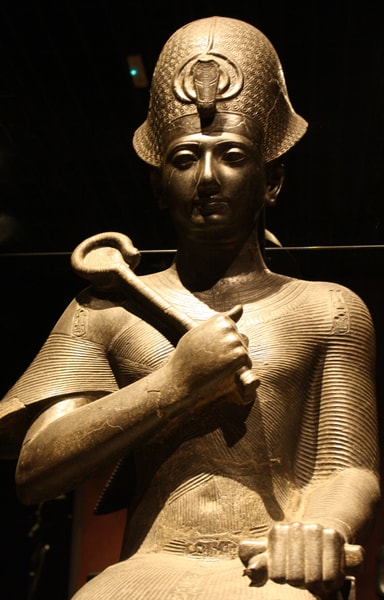
Ramesses II’s decision to move the capital north to Per-Ramesses proved to be a critical error. It effectively abandoned Thebes, the heartland of Amun worship, to the priests. While nominally under pharaonic authority, real power lay with those who commanded the greatest wealth and spiritual influence. The Amun priests exploited this distance, accumulating vast estates and revenues without direct interference from the distant pharaohs.
The Unchecked Rise of the Cult of Amun
The escalating power of the Amun priesthood was rooted in a theological shift. Amun had evolved to become the supreme deity, incorporating aspects of the creator god Atum and the sun god Ra, earning the title "King of the Gods." While early New Kingdom pharaohs associated themselves with Horus, and later Ramessid pharaohs with Ra (evidenced by the name "Ramesses" from Ra-Moses, "Son of Ra"), the priests of Amun positioned themselves as direct conduits to the ultimate creator and sustainer of the universe.
This rendered the pharaoh’s traditional role as the sole divine intermediary increasingly redundant. As scholar Jacobus Van Dijk explains, "The king no longer represented god on earth but was subordinate to him…Once it had been recognized that god’s will was the governing factor in everything that happened, it became mandatory to know his will in advance." Oracles, once a royal prerogative, became accessible to common people, with priests interpreting the god’s will through movements of his portable bark. This profound shift in religious authority, as Van Dijk concludes, "further minimalized the role of the king as god’s representative on earth; the king was no longer a god, but god himself had become king." With Amun recognized as the true sovereign, the political power of earthly rulers was drastically reduced and transferred to the priesthood.
Legacy and Transformation: Implications for Future Egypt
The New Kingdom officially ended around 1069 BCE with the death of Ramesses XI. His burial by Smendes I (1077-1051 BCE), a ruler from Tanis in Lower Egypt, marked a definitive break. Smendes proclaimed himself successor but ruled only a limited territory in Lower Egypt. The priests of Amun held sway in Upper Egypt, and the Nubians in the south reclaimed their lost lands, further diminishing Egyptian influence. Syria, Canaan, and Libya similarly broke free, and the vast Egyptian Empire collapsed.
Egypt entered the Third Intermediate Period, an era of disunity and weakness. Unlike the First and Second Intermediate Periods, which eventually led to stronger, more advanced unified kingdoms, the Third Intermediate Period concluded with the catastrophic Persian invasion of Egypt in 525 BCE following the Battle of Pelusium. After this, Egypt would never again achieve true autonomy for any significant length of time. Brief periods of native rule, such as the 30th Dynasty (circa 380-343 BCE), were fleeting. The country was subsequently taken by the Persians, then by Alexander the Great, and finally came under the rule of the Greek Ptolemaic dynasty (323-30 BCE), who, despite reviving many Egyptian customs, were foreign rulers. Their reign marked the last dynasty of Egypt before its absorption into the Roman Empire.
The New Kingdom, despite its eventual fall, left an indelible mark on history. Its pharaohs forged an empire, innovated in warfare and administration, and created an artistic and architectural legacy that continues to define ancient Egypt in the popular imagination. The "implications" of its rise and fall – the complexities of internal power struggles, the delicate balance between religious and secular authority, and the challenges of maintaining a vast empire – offer timeless lessons and continue to shape our understanding of one of history’s most fascinating civilizations.


Leave a Comment