The Unlikely Phenomenon of "Niu Lai": A Low-Budget Chinese Animation Ignites a Global Conversation on Authenticity
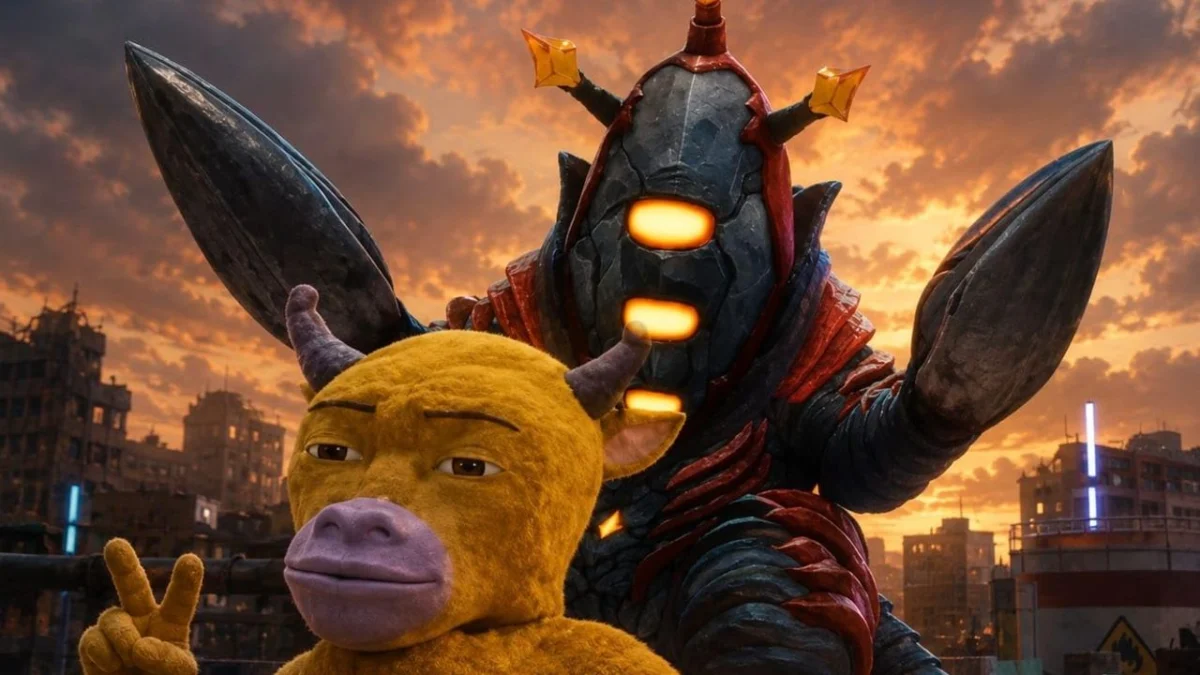
In an era saturated with hyper-polished, algorithmically-generated content, a curious cinematic anomaly has emerged from China, challenging the very definition of success in the digital age. "Niu Lai," an animated film crafted with minimal resources and seemingly amateurish execution, has defied all expectations to become a box office phenomenon, sparking a global dialogue about authenticity, human touch, and the future of creative production. This unlikely triumph, born from the dedication of a mother and son armed with secondhand computers, serves as a potent counterpoint to the glossy, high-budget productions that typically dominate the entertainment landscape, drawing parallels to a cultural rebellion from decades past.
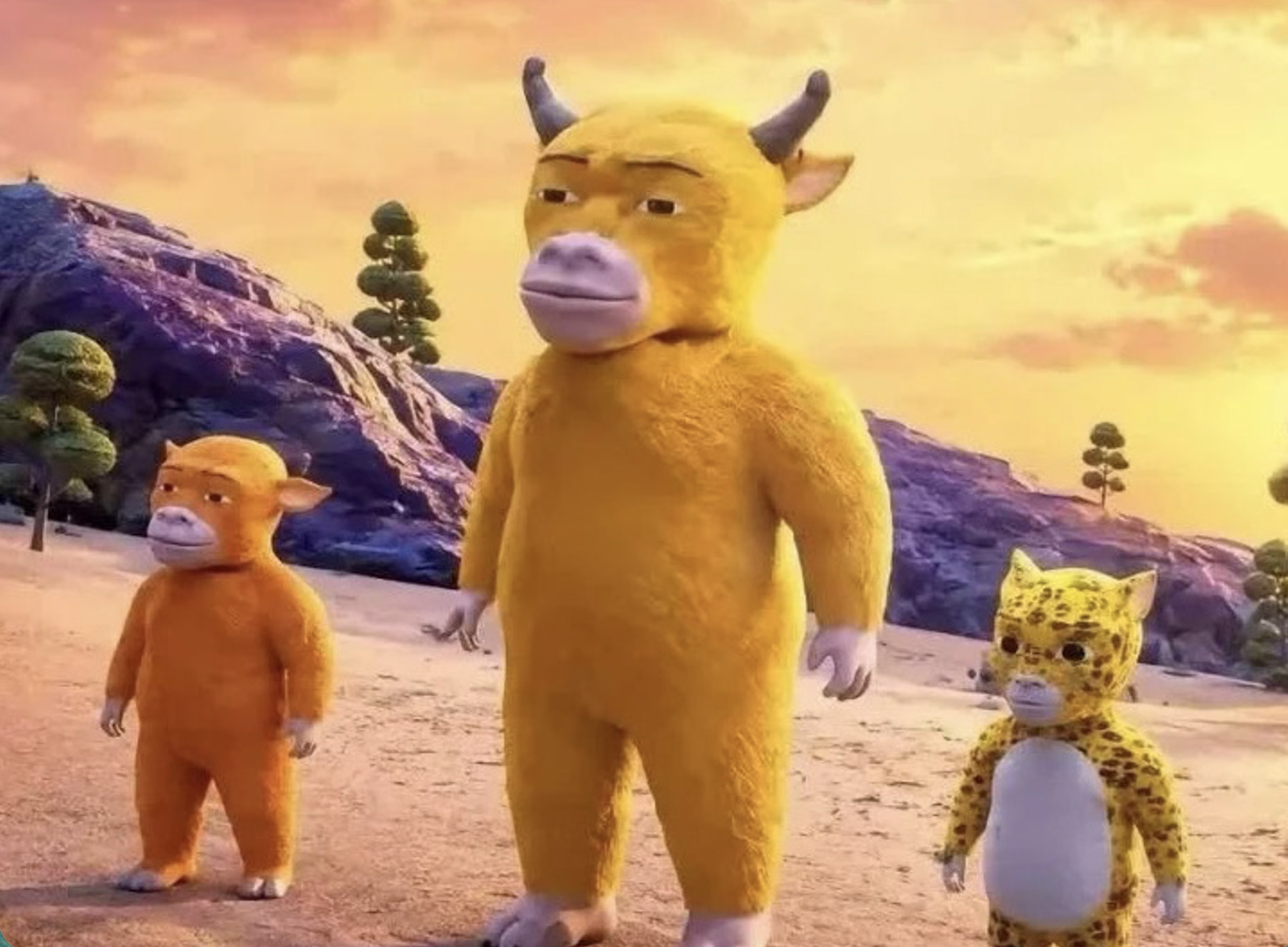
The narrative surrounding "Niu Lai" is as compelling as any fictional plot. Created almost entirely by Xin Yumeng, a former interior designer with no formal film training, and his mother, Sun Lifang, who penned the screenplay and voiced female characters, the film’s genesis is a testament to unwavering passion and resourcefulness. Xin Yumeng dedicated five years to its creation, personally handling every aspect from 3D modeling and animation to lighting and editing. The result, while undeniably lacking in technical sophistication – characterized by jerky movements, rudimentary 3D models, and peculiar sound effects – has resonated profoundly with audiences.
The "Punk Rock" of Animation: A Reaction Against the Polished and Predictable
The author draws a compelling parallel between the rise of "Niu Lai" and the punk rock movement of the 1970s. Just as punk emerged as a raw, rebellious reaction against the increasingly polished and formulaic sound of mainstream rock music, "Niu Lai" appears to be a similar outcry against the sterile perfection of contemporary digital animation.
In the early 1970s, advancements in music production technology led to a sound that was clean and pure, but often at the expense of the genre’s wild, visceral roots. This led to the emergence of bands like The Sex Pistols, The Damned, and The Clash, whose unvarnished, often provocative approach to music and performance shocked and captivated a generation. Their perceived "amateurism" and defiant attitude were precisely what made them appealing to a youth culture seeking authenticity and rebellion.
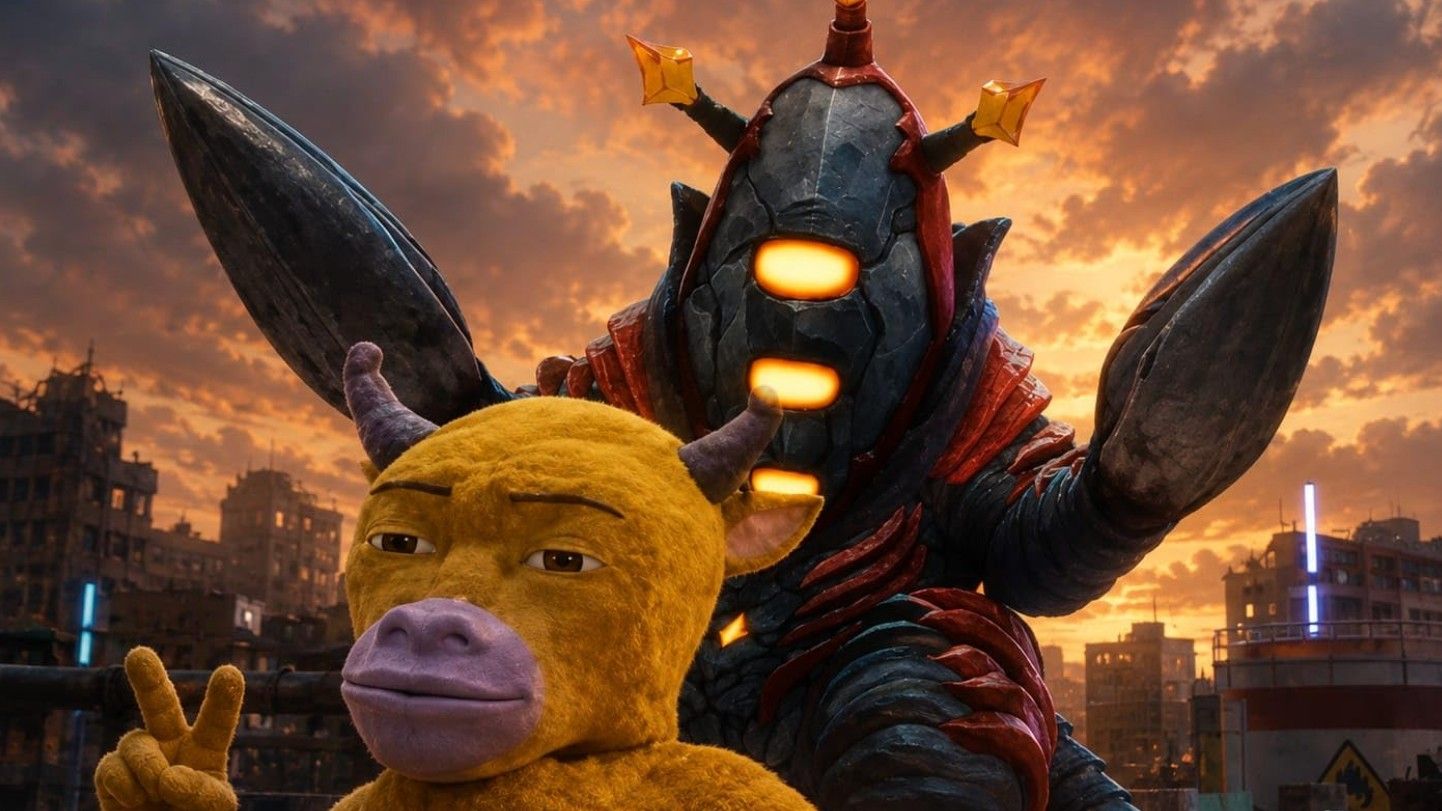
Fifty years on, a similar dynamic is playing out in the realm of visual arts and filmmaking, driven by the burgeoning capabilities of Artificial Intelligence. While AI offers unprecedented tools for creation, its output can often feel devoid of genuine human emotion and intention, leading to a homogenized aesthetic. In this context, "Niu Lai" emerges as an "anti-AI" statement, a celebration of the imperfections and unique character that arise from human endeavor. The film’s very lack of polish becomes its most potent selling point, signaling a return to the tangible, the handmade, and the undeniably human.
The Genesis of a Sensation: From Obscurity to Online Sensation
The journey of "Niu Lai" from an obscure, shoestring production to a national sensation is a modern-day fairy tale. Xin Yumeng, working in Dalian, a coastal city in northeastern China, meticulously crafted the film in his spare time. The initial release was remarkably understated: no trailer, no major publicity campaign, and a single, hand-drawn ink-wash poster. It premiered in a modest 245 cinemas on August 5th, generating a mere 7,169 yuan (approximately $1,000 USD) in its first nine days.
The turning point came not through traditional marketing channels, but through the organic power of social media. Initially, clips of "Niu Lai" were shared online with a sense of bemused mockery, highlighting its perceived low quality. However, as often happens in the digital sphere, the narrative shifted. The "so bad it’s good" phenomenon took hold, and audiences began to appreciate the film’s raw charm and the evident human effort behind it. This online buzz gradually translated into tangible audience interest, leading to a remarkable turnaround in its box office performance.
Data Points of an Unprecedented Success
The cumulative box office for "Niu Lai" has now surpassed 25.67 million yuan (approximately $160,000 USD), an astonishing return on its minimal investment. This figure has propelled it into the ranks of the top 10 highest-grossing animated films in China for the year, a feat made even more remarkable by its unconventional origins. The film’s popularity has been so profound that cinemas, lacking official promotional materials, resorted to having their staff hand-draw posters to display, further underscoring the audience’s embrace of the handmade and the personal.
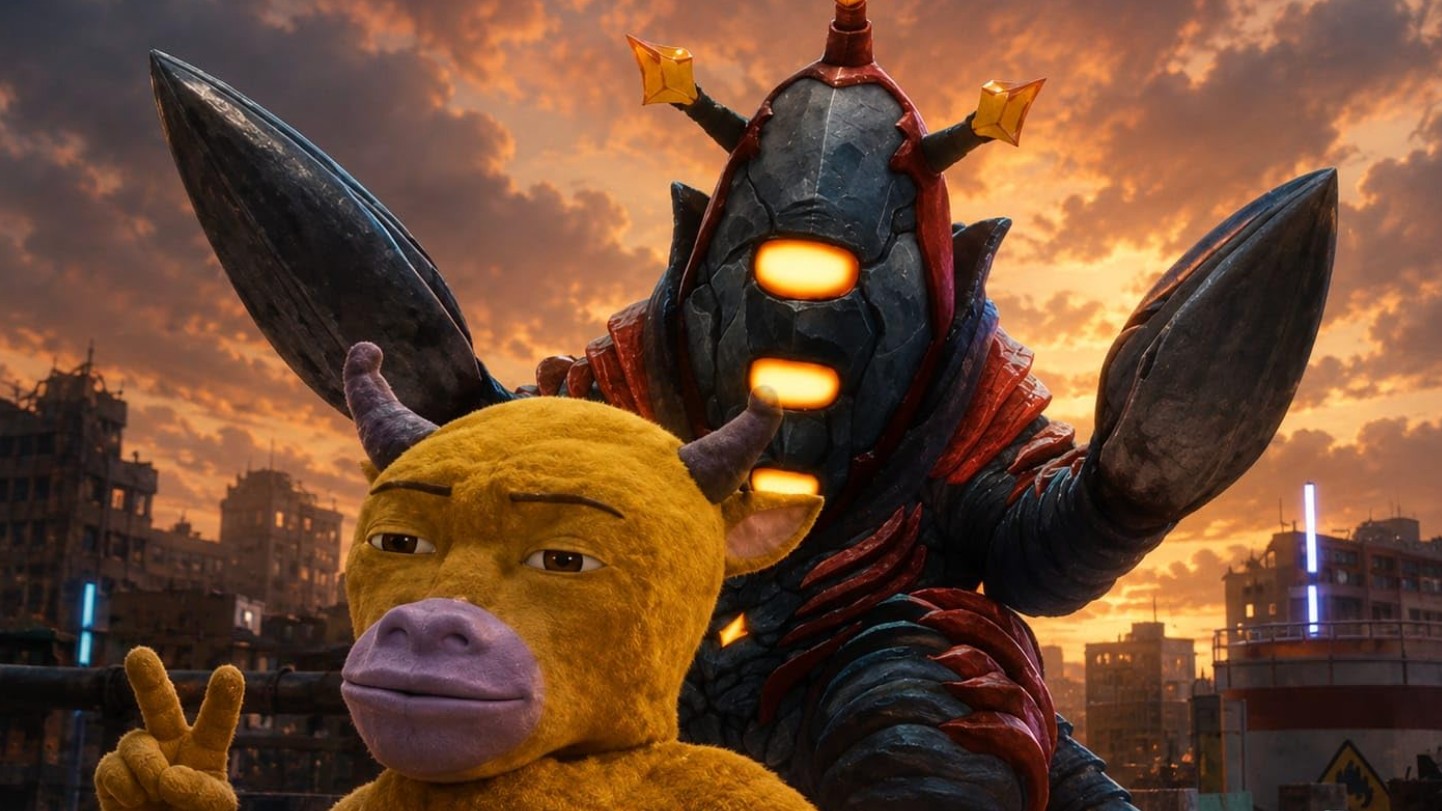
This success stands in stark contrast to the struggles of much larger, big-budget productions. The article alludes to the disappointing performance of films like "Supergirl," a $300 million blockbuster that failed to capture audience attention. This disparity highlights a potential shift in audience preferences, where a film’s emotional resonance and perceived authenticity may be outweighing its technical polish and financial backing.
The Human Touch in an AI-Dominated World
The author’s perspective offers a refreshing counterpoint to the prevailing narrative of technological advancement. While acknowledging the technical limitations of "Niu Lai," he argues that its very imperfections are what make it compelling. The film serves as a tangible reminder that art can be born from passion and dedication, even without vast resources or cutting-edge technology.
This sentiment resonates with a growing global sentiment. In countries like the UK, where the author is based, there’s a palpable weariness with AI-generated visuals, music, and videos. People are actively seeking out authentic alternatives, creations that bear the unmistakable imprint of human creativity and experience. The success of "Niu Lai" in China is seen as a powerful indicator of this broader trend, suggesting that in the near future, a lack of digital polish might actually be a selling point.
Implications for the Creative Industries and the Future of Content
The phenomenon of "Niu Lai" carries significant implications for the creative industries. It challenges the long-held assumption that technical proficiency and massive budgets are prerequisites for success. Instead, it emphasizes the enduring power of human connection, storytelling, and the raw expression of creativity.
For filmmakers and animators, the film offers a valuable lesson: authenticity and a genuine human touch can be powerful differentiators in a crowded marketplace. It suggests that audiences are not simply looking for visual spectacle, but for content that feels genuine, relatable, and imbued with a sense of personal investment.
Furthermore, the story of "Niu Lai" serves as a timely reminder of the potential pitfalls of an over-reliance on AI. While AI tools can be incredibly powerful, they risk leading to a homogenization of creative output if not guided by human intent and artistic vision. The film’s success suggests that the "human factor" – the imperfections, the quirks, the emotional depth that arises from individual experience – will continue to be highly valued.
The author concludes with an optimistic outlook, embracing this "cultural revolution" that prioritizes genuine expression over sterile perfection. It’s a movement that requires no spitting or profanity, but rather a renewed appreciation for the simple, honest act of creation. As the world grapples with the rapid advancements in AI and the evolving landscape of digital content, the story of "Niu Lai" offers a beacon of hope, reminding us that the most impactful art often comes from the most unexpected places, driven by the most human of motivations. The quest for authentic, soul-stirring content continues, and this low-budget animated gem from China has just provided a powerful new soundtrack to that pursuit.