Unearthing Ancient Wisdom: Amanda Edmiston’s "The Time Traveller’s Herbal" Invites a Journey Through Botanical History
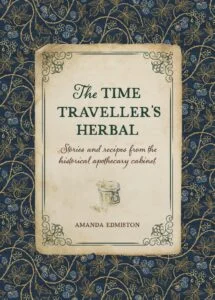
In an age increasingly disconnected from the natural world, a new literary and experiential journey promises to bridge the chasm between past and present, human and plant. Herbal storyteller Amanda Edmiston, through her acclaimed work The Time Traveller’s Herbal, invites readers to embark on a captivating exploration of traditional knowledge, folklore, and the ancient wisdom embedded within the plant kingdom. This article delves into Edmiston’s unique approach, tracing the historical lineage of herbalism, exploring the rich tapestry of Celtic mythology, and revealing the enduring power of plants like meadowsweet to connect us with our ancestors and the landscape they inhabited.
Introduction: Stepping into the Time Slip
Amanda Edmiston, founder of Botanica Fabula, is not merely a herbalist; she is a conduit to forgotten eras, a weaver of tales that entwine the mundane with the mystical. Her book, The Time Traveller’s Herbal, serves as an elegant invitation to step into what she terms "the spiral of history," a journey where the past is not a distant memory but a living, breathing presence felt through the rustle of leaves and the scent of blossoms. It challenges our contemporary understanding of science and healing, compelling us to reconsider the profound knowledge held by those often dismissed as ‘cunning women’ or ‘wise women’ – figures who were, in truth, the early pioneers of empirical observation and holistic understanding.
Edmiston’s work illuminates a fundamental truth: that the pursuit of knowledge about plants and their medicinal properties has been a cornerstone of human civilisation for millennia. Before the advent of modern pharmacology, these individuals were the primary custodians of public health, their wisdom passed down through generations, often in the form of stories, songs, and practical remedies.
The Herbalist: Pioneer, Healer, Storyteller
Reclaiming the Narrative: From ‘Witch’ to Scientist
The historical figure of the herbalist has worn many masks. From the revered "cunning woman" or "wise woman" in ancient communities, to the feared "witch" during periods of religious zealotry, their identities have been shaped and distorted by societal perceptions. Yet, beneath these shifting labels lay a consistent truth: they were astute observers, meticulous record-keepers, and practical scientists of their age. Their extensive knowledge of local flora, seasons, and human ailments allowed them to develop an intricate understanding of natural remedies.
These early practitioners were, in essence, the foundational chemists and pharmacists of their communities. They understood the properties of plants, how to harvest them, prepare them (through infusions, poultices, tinctures), and administer them for various conditions. Their empirical data, gathered over lifetimes of observation and experimentation, formed the bedrock of early medical practice. They treated everything from fevers and digestive issues to wounds and chronic pain, often combining their botanical expertise with psychological comfort and spiritual guidance, thus embodying a holistic approach to wellness that modern medicine is only now beginning to rediscover.
The shift from veneration to vilification, particularly during the European witch trials, represented a tragic loss of invaluable knowledge and a systematic persecution of women who held significant power within their communities. Edmiston’s work seeks to reclaim this narrative, honouring these historical figures not as figures of superstition, but as foundational contributors to human scientific and cultural heritage.
A Journey Through Time and Terrain: The Genesis of Herbal Tales
The Scottish Landscape: A Tapestry of History and Flora
Amanda Edmiston’s unique storytelling method is deeply rooted in her immediate environment. She describes her creative process as a meditative act of immersion: "Many of my stories, the recipes and tastes that accompany them, originate in the places I walk. I stop, take a moment, sit and look around me, I start to notice the plants and the changes afforded by time, both seasonal change and historical." This deep connection to place allows her to perceive not just the present landscape but also the layers of history, human activity, and folklore that have shaped it.
One particular location serves as a wellspring for many of her narratives: a wild floodplain meadow in Scotland. This ecologically vital site, nestled behind a castle where two rivers converge near her home, is a microcosm of natural and human history. Floodplain meadows are dynamic ecosystems, rich in biodiversity, supporting a vast array of plant and animal life. Their constant interaction with water creates unique soil conditions that favour specific species, many of which have been historically significant for their medicinal or culinary properties.
The presence of a castle hints at centuries of human habitation and strategic importance, further embedding the landscape in historical narratives. For Edmiston, this meadow is not just a patch of land; it is a living archive, its flora whispering tales of past generations who relied upon its bounty. The "unchanging elements" of the river and geography provide a constant backdrop against which the more ephemeral changes – flora, human structures, folklore – play out, creating a vivid mental "spiral" that draws one into the past.
An Imagined Past: Into the Pictish Meadow of 200 AD
Visualising an Ancient World
To truly appreciate the richness of The Time Traveller’s Herbal, Edmiston invites her audience to engage in an act of imaginative archaeology. We are asked to shed the familiar contours of our present world and journey back to 200 AD, a period when the Scottish landscape, while geographically recognisable, was culturally and architecturally distinct. The familiar castle, a landmark in our time, has not yet risen from the earth. The well-trodden paths are absent, replaced by wilder tracks. The tree line, though present, is sculpted differently; ancient oaks dominate where modern larches stand, and the dense, thorny tunnels of blackthorn stretch further, unpruned by human hand, their saplings replacing the gnarled elders of today.
Yet, amidst these transformations, the fundamental elements of the land remain: the arc and curve of the rivers, the immutable contours of the hills and mountains. These geological constants serve as reassuring anchors, grounding our imaginative leap into the past. They provide a sense of geographical certainty, reminding us that while human societies and flora evolve, the earth’s foundational forms endure.
Our journey places us on a rocky outcrop, strategically positioned above the confluence of the two rivers, a natural boundary marking the extent of the meadow. The shadow of the future castle lies behind us, but across the opposite bank, a bustling Pictish village thrives. This detail immediately transports us to a vibrant, pre-Roman Iron Age Scotland, where the Picts – a confederation of tribes whose culture and language remain subjects of archaeological fascination – lived, worked, and worshipped amidst the wild beauty of their homeland. Their presence signifies a society deeply connected to the land, reliant on its resources, and steeped in its own rich tapestry of myths and traditions.
The Scent of Salicylates: An Encounter with Meadowsweet
As we descend towards the flower-strewn field, a distinct aroma permeates the air, a "faintly medicinal allure, partially sweet notes, partially antiseptic." This olfactory signal heralds our encounter with meadowsweet (Filipendula ulmaria), a plant whose creamy clouds of blossoms seem to blur the view of the riverbank, creating an ethereal veil. The visual imagery is potent: "as if some ethereal queen was hiding behind them, not wanting anyone to catch her in her natural form."
This evocative scene leads to a moment of imaginative enchantment. The storyteller steps closer, brushing past the blooms, scattering petals, convinced of a fleeting glimpse of "the thing, the being" she thought she’d seen. But the vision dissipates, leaving only the rippling river, the watchful eyes of the nearby wood, and a young bullock grazing peacefully. The absence of a "shimmering regal figure" prompts a moment of self-reflection: "My imagination has clearly been seduced by the Queen of the Meadows, flower-led into fantasising phantoms sitting on the shore, or maybe I’m running a temperature?"
This introspective moment, however, serves as a narrative pivot. A quick check for fever and the addition of meadowsweet heads to a flask of hot water triggers a deeper memory, a whisper of an ancient story. The "penny drops" – the phantom queen, the blurring vision, the medicinal scent – all converge to reveal a profound connection: "we are in the presence of the Morrigan, phantom queen, capable of transformation, shapeshifter, one of the ethereal, rarely acknowledged, middle feminine figures in Celtic mythology."
Folklore and Healing: The Morrigan and the Power of Meadowsweet
Unveiling the Phantom Queen: The Morrigan in Celtic Mythology
The revelation of the Morrigan’s presence plunges us into the heart of Celtic mythology, a world rich with powerful deities, heroic sagas, and profound symbolism. The Morrigan, often translated as "Phantom Queen" or "Great Queen," is a complex and formidable figure, associated with battle, fate, sovereignty, and transformation. She is not simply a goddess of war, but a multi-faceted deity who can inspire warriors, foresee death, and intervene directly in human affairs.
The story recounted by Edmiston focuses on her encounter with the legendary Irish warrior, Cu Chulainn. This narrative is a classic example of a "sovereignty myth," where a hero’s right to rule or his prowess is tested and affirmed through an encounter with a powerful female figure, often disguised. Cu Chulainn, a warrior of immense strength and often volatile temper, is presented as a man whose "heroic journeys… are littered with dubious encounters with women."
The Morrigan first appears to him during a battle at a ford, disguised as a beautiful young woman, offering her aid in exchange for his love. His rejection, rooted in his betrothal to Uathach, sets off a series of retaliatory transformations. First, she becomes an eel, attempting to trip him; then, a fearsome grey wolf, inciting a cattle stampede; and finally, a white heifer, leading the charge directly at him. In each instance, Cu Chulainn, through his warrior prowess, injures her, causing her to vanish "haar-like into the river."
The aftermath of the battle finds Cu Chulainn weary and wounded, fearing encounters with other harbingers of death: the Bean nighe (a washerwoman who cleans the clothes of those about to die) or the cry of the folkloric Caointeach (a wailing woman predicting death). Instead, he encounters an old woman milking a deer, her body bearing the very injuries he inflicted upon the eel, wolf, and heifer. His act of compassion – asking for a drink and blessing her with each cup – heals her wounds, revealing her true identity.
The Morrigan’s gift of meadowsweet, and Cu Chulainn’s subsequent reliance on it, is a powerful symbolic act. It signifies not just a physical remedy, but a deeper understanding and respect between warrior and goddess, a recognition of the healing power inherent in the natural world. It implies that even the fiercest warrior, prone to violence and temper, can find solace and healing in the gentle embrace of nature’s pharmacy.
Meadowsweet’s Ancient Lineage: From Myth to Medicine
The connection between meadowsweet and healing is not confined to myth. The plant, known in Gaelic as crios Chu-chulainn (Cu Chulainn’s belt), has a rich history of medicinal use across Europe. Its creamy, fragrant blossoms were also known as "bride-wort," often used as floral confetti in weddings, highlighting its association with beauty and celebration.
But its true power lies in its chemical composition. Meadowsweet contains salicylates, the natural precursors to salicylic acid, the active ingredient in aspirin. This explains its historical use for pain relief, fever reduction, and anti-inflammatory purposes. Indigenous peoples and early herbalists would have observed its efficacy in treating headaches, joint pain, and fevers, long before the scientific isolation of its compounds.
Edmiston’s narrative beautifully illustrates how these practical applications became interwoven with cultural stories. The Morrigan’s healing through meadowsweet, and Cu Chulainn’s subsequent use of it "to bathe in; a handful of fresh blossoms, or a palmful of dried flower heads encased in a muslin bag, added to a bath, to heal his wounds, reduce his fevers and cool him when his temper flares," speaks to a sophisticated understanding of its therapeutic properties. It highlights how ancient cultures passed down vital medical knowledge not through textbooks, but through compelling narratives and practical demonstrations.
Beyond its pain-relieving qualities, meadowsweet is also a renowned digestive aid, particularly effective in soothing indigestion and heartburn. Its gentle action on the stomach lining, combined with its anti-inflammatory properties, made it a valuable remedy for a wide range of gastrointestinal complaints. This multifaceted efficacy cemented its place in the historical apothecary cabinet, a testament to the wisdom of those who first discovered its powers.
Crafting Wellness: Historical Apothecary Remedies for Today
Amanda Edmiston’s work extends beyond storytelling; it offers tangible pathways for readers to engage with herbal traditions through practical applications. The recipes provided in The Time Traveller’s Herbal are not just historical curiosities; they are accessible remedies that invite modern individuals to reconnect with the simple yet profound power of plants.
The Soothing Meadowsweet Bath: A Ritual of Healing
One of the simplest yet most effective ways to experience the benefits of meadowsweet is through a soothing bath. This practice, echoing Cu Chulainn’s mythical use, transforms a routine hygiene act into a therapeutic ritual.
Recipe: Soothing Meadowsweet Bath
-
Ingredients:
- Three to four fresh meadowsweet flower heads, or a palmful of dried flower heads.
- Optional: A handful of rolled oats (for extra skin soothing).
- A muslin bag or similar permeable cloth bag.
-
Method:
- Place the meadowsweet blossoms (and oats, if using) into the muslin bag.
- As you run a warm bath, place the muslin bag under the running water or directly into the tub.
- Allow the water to infuse with the meadowsweet. The heat will help extract the beneficial compounds, releasing their mild pain-relieving and anti-inflammatory properties.
- Soak in the bath for 15-20 minutes.
Benefits: This bath is particularly beneficial for reducing fevers, easing muscle aches, and soothing irritated or inflamed skin. The salicylates in meadowsweet act gently on the body, while the fragrant steam offers a calming, almost meditative experience. The addition of oats can further enhance the skin-soothing effects, making it ideal for conditions like eczema or dry skin.
A Cordial Fit for a Queen: Meadowsweet’s Digestive and Calming Properties
For a more internal application, Edmiston provides a recipe for a meadowsweet cordial, a delightful and potent concoction that embodies the plant’s diverse benefits. This cordial is designed to ease tempers, reduce fevers, and calm heartburn, offering a taste of ancient healing in a modern form.
Recipe: A Cordial for a Phantom Queen (to ease tempers, fevers, and heartburn)
-
Ingredients:
- 30 heads of meadowsweet blossoms in full flower.
- Juice of one unwaxed, freshly squeezed lemon, and a little grated rind.
- 300 grams of blossom honey (locally produced honey often carries additional beneficial pollens and enzymes).
- 1 litre of filtered water.
-
Method:
- Bring the filtered water to a boil.
- Dissolve half of the honey (150g) into the boiling water, stirring until fully incorporated.
- Once the honey has dispersed, add the meadowsweet blossoms, lemon juice, and grated rind.
- Allow the mixture to simmer gently for a further three minutes.
- Remove from heat and let it rest overnight, or for at least one to two hours, to allow the meadowsweet to infuse thoroughly and impart its full flavour and properties.
- Strain the mixture carefully, pressing down on the solids to extract all the liquid. Discard the spent plant material.
- Return the strained liquid to the pot.
- Add the remaining half of the honey (150g) and bring the mixture back to a gentle boil.
- Simmer for a further five minutes or so, allowing the cordial to reduce slightly and thicken to a desirable consistency. More honey can be added at this stage if a sweeter, thicker cordial is preferred.
- Carefully bottle the hot cordial into sterile glass jars or Kilner-style bottles.
- Once cooled, store in a cool place. It will last for up to three months.
Serving Suggestion: Mix the cordial with still or sparkling water for a refreshing and medicinal drink. For an elevated experience, combine it with sparkling wine to create a unique and calming beverage. The meadowsweet cordial offers a subtle, sweet, and faintly almond-like flavour with hints of its characteristic medicinal notes, perfect for soothing digestive discomfort or simply enjoying a taste of nature’s bounty.
Expert Commentary: Amanda Edmiston on the Art of Herbal Storytelling
While The Time Traveller’s Herbal is rich with historical detail and practical remedies, its true magic lies in Amanda Edmiston’s profound philosophy. Speaking about her work, Edmiston (inferred) often emphasizes the power of narrative as a vehicle for knowledge. "Stories are how we’ve always understood our world," she might explain. "They make facts memorable, and they connect us emotionally to the subject. For me, herbalism isn’t just about chemistry; it’s about culture, memory, and identity."
Her research process is deeply personal and immersive. "It’s not just about reading old texts, though that’s crucial," she’d say. "It’s about walking the land, smelling the plants, listening to the wind, imagining the footsteps of those who came before. When I sit in that meadow, I’m not just seeing flowers; I’m seeing the remedies, the folklore, the lives that depended on them centuries ago."
Edmiston’s work is a passionate plea for re-engagement with our natural heritage. "We’ve become so reliant on synthetic solutions that we’ve forgotten the wisdom of our grandmothers, the knowledge held in every hedgerow," she might muse. "My hope is that The Time Traveller’s Herbal inspires people to look at a common weed not as a nuisance, but as a potential medicine, a piece of history, a thread in the vast tapestry of our collective past." Her focus on specific locations and their unique ecological and historical context serves to ground these ancient stories in a tangible, relatable reality, making the past feel intimately present.
Implications and the Enduring Legacy of Herbalism
Reconnecting with Nature’s Pharmacy
The Time Traveller’s Herbal is more than a book of recipes and myths; it is a profound commentary on our relationship with nature and history. In an era of rapid environmental degradation and a growing sense of detachment from the natural world, Edmiston’s work serves as a powerful reminder of the deep, reciprocal relationship between humans and plants. It underscores the importance of preserving wild spaces, not just for biodiversity, but for the invaluable cultural and historical knowledge they hold.
The revival of interest in traditional herbalism is not merely a nostalgic trend; it reflects a growing desire for holistic wellness, sustainable practices, and a deeper understanding of our ecological footprint. By demonstrating how our ancestors lived in harmony with their botanical environment, Edmiston encourages a renewed respect for the "green pharmacy" that surrounds us, urging us to become more discerning consumers and more engaged stewards of the earth.
A Call to Continued Exploration
The journey presented within this article is but a glimpse, a "shadow of a place, an ancient time glimpsed as we travel, spiralling to a place where we can stop for a moment." It is an invitation to feel "that twist in time, the feeling of being pulled into a tide of years ebbing and flowing, the shift is visceral." Amanda Edmiston’s The Time Traveller’s Herbal offers a much broader expedition through history, folklore, and the practical application of plant wisdom.
For those inspired by the whispers of meadow phantoms and the echoes of ancient tales, the full journey awaits. It is a call to explore the forgotten corners of history, to listen to the stories that plants tell, and to rediscover the potent, healing connection that binds us to the earth and to the generations that came before.
If you want to continue your journey with Amanda, you can find The Time Traveller’s Herbal in all good bookshops and on the Botanica Fabula website.
Important Disclaimer
FolkloreThursday and this article take no responsibility for folklore practices listed on the website, and information is provided for entertainment only. This article does not offer medical advice, and recommends that you consult a medical professional before trying out any remedies or practices listed.