
HP Aggressively Targets SOHO Market with Significant Discounts on AI-Enabled Smart Tank Series
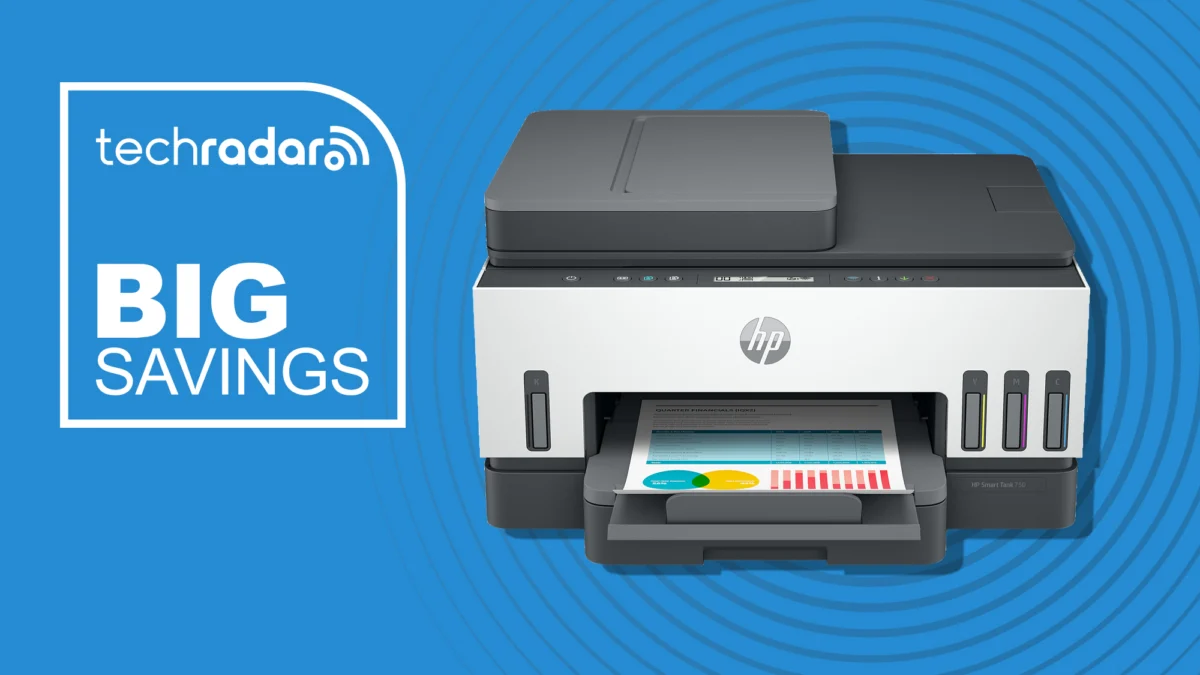
The landscape of home and small-office printing is undergoing a seismic shift as legacy manufacturers pivot from the traditional "razor-and-blade" business model toward high-capacity, value-driven hardware. In a move that signals a heightened competitive stance in the "ink tank" segment, HP has announced a sweeping sale across its premium printer lineup. Most notably, the tech giant has slashed the price of its flagship HP Smart Tank 7301 All-in-One model, reducing it from a standard retail price of $449.99 to a more accessible $299.99—a 33% discount that represents one of the most significant price drops in the current fiscal quarter.
This strategic pricing comes at a time when remote and hybrid work models have solidified, creating a permanent demand for "prosumer" grade hardware that balances the high-volume capabilities of office copiers with the compact footprint required for home environments.
Main Facts: The HP Smart Tank 7301 Deal
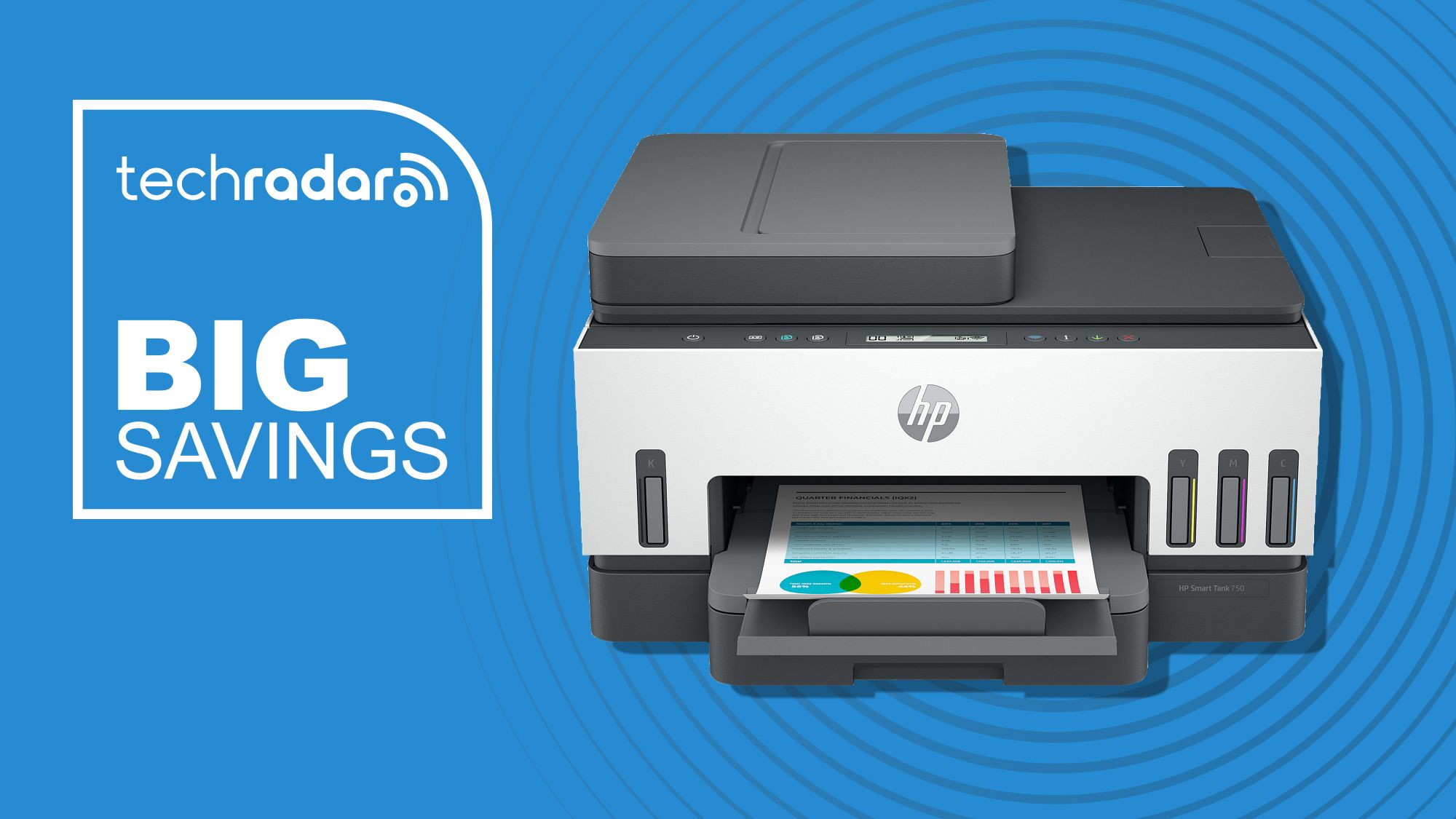
The centerpiece of HP’s current promotional campaign is the HP Smart Tank 7301, an all-in-one inkjet solution designed for users who have outgrown the limitations and high operating costs of entry-level cartridge printers. For $299.99, the unit offers a comprehensive suite of features typically reserved for higher-tier enterprise machines.
Key features of the HP Smart Tank 7301 include:
- Multifunction Capabilities: Seamlessly integrates printing, scanning, and copying.
- High-Volume Ink System: Utilizes a refillable tank system rather than traditional cartridges, significantly lowering the cost per page.
- Productivity Tools: Includes a 35-sheet Automatic Document Feeder (ADF) and automatic double-sided (duplex) printing.
- Connectivity: Robust support for dual-band Wi-Fi with self-healing capabilities, Ethernet, and the HP Smart App.
- Performance: Print speeds clocked at up to 15 pages per minute (ppm) for black text and 9 ppm for color documents.
The discount is part of a broader "AI-enabled" marketing push by HP, emphasizing the integration of smart software that optimizes print workflows and enhances security—a growing concern for home-based professionals handling sensitive corporate data.
Chronology: The Evolution of the "Tank" Revolution
To understand the significance of the Smart Tank 7301’s price drop, one must look at the historical trajectory of the printing industry. For decades, the industry operated on a "loss-leader" strategy: selling printers at or below cost while generating massive profit margins through proprietary ink cartridges.
The Disruption (2010–2015): The "tank" concept was pioneered by competitors like Epson with their EcoTank series. These printers were initially more expensive upfront but promised thousands of pages of "free" ink included in the box. HP, initially hesitant to cannibalize its lucrative cartridge business, eventually recognized the market’s shift toward sustainability and transparency.
The HP Response (2016–2021): HP launched its "Smart Tank" line to compete directly with Epson and Canon. This era saw the introduction of thermal inkjet technology adapted for continuous ink supply systems (CISS). The goal was to provide the reliability of HP’s thermal printheads with the volume capacity of a tank system.
The AI and Cloud Integration (2022–Present): The current generation, which includes the 7301, marks the third major iteration of HP’s tank technology. In the last 24 months, HP has shifted focus toward the "Smart" aspect of the name. This involves integrating the HP+ ecosystem, which uses cloud-based AI to predict maintenance needs, provide advanced scanning features (like auto-flattening of book pages), and enhance cybersecurity through "Wolf Essential Security" protocols. The current sale represents HP’s attempt to dominate this mature market by lowering the barrier to entry for their most advanced consumer-grade tank system.
Supporting Data: Cost Analysis and Technical Specifications
The economic argument for the HP Smart Tank 7301 is rooted in its long-term yield data. According to HP’s internal testing and ISO/IEC 24712 standards, the ink bottles included in the box are rated for:
- Black Ink: Approximately 6,000 pages.
- Color Ink (CMY): Approximately 8,000 pages.
In comparison, a standard inkjet cartridge typically yields between 200 and 400 pages. For a user printing 500 pages a month, a traditional printer would require a new set of cartridges almost every month, costing upwards of $600 per year. The Smart Tank 7301, even at its original $450 price point, usually pays for itself within the first year of heavy use. At the $300 sale price, the "break-even" point compared to a $100 budget printer occurs in less than six months.
Detailed Specifications:
- Paper Handling: A 250-sheet input tray is paired with a 100-sheet output tray. This capacity is nearly double that of standard home inkjets, reducing the frequency of manual intervention.
- Scan Quality: The flatbed and ADF scanners offer an optical resolution of up to 1200 dpi. This is sufficient for high-fidelity archival of photographs and crisp digitization of text documents.
- Duty Cycle: While HP recommends a monthly page volume of 400 to 800 pages to maintain printhead health, the machine is rated for a maximum duty cycle of 5,000 pages per month, providing a safety margin for "crunch periods" like tax season or end-of-semester projects.
Official Responses and Corporate Strategy
While HP has not issued a specific press release for this individual price drop, the company’s recent quarterly earnings calls provide context for such aggressive discounting. HP CEO Enrique Lores has frequently emphasized the company’s "Future Ready" strategy, which focuses on three pillars: driving growth in "Big Bets" (like high-volume ink), expanding the HP+ subscription and software ecosystem, and leading in sustainability.
By discounting the Smart Tank 7301, HP is effectively onboarding users into its "Smart" ecosystem. The company’s marketing materials for the 7301 emphasize that "Smart Tank is designed for those who print a lot and want a low cost per page without sacrificing the advanced features of a modern, connected device."
Furthermore, HP’s push toward "AI-enabled" models refers to the HP Smart App’s ability to use machine learning for "Smart Tasks." This includes the ability to scan a document and have the AI automatically extract data, name the file based on content, and upload it to specific cloud folders (Dropbox, Google Drive, or OneDrive) in a single step.
Implications: The Future of the SOHO Market
The $150 price cut on the HP Smart Tank 7301 has several long-term implications for the consumer electronics market and the environment.
1. Increased Pressure on Competitors:
HP’s aggressive pricing puts immediate pressure on Epson and Canon. If the market leader can offer a 35-sheet ADF and duplex printing at the $300 threshold, competitors will likely be forced to either lower their prices or accelerate the release of new hardware with superior specs. This "price war" is a net win for consumers, particularly small business owners and students.
2. The "Green" Dividend:
One of the most profound implications of the shift to tank-based printing is the reduction in plastic waste. Traditional cartridges are complex, multi-material components that are difficult to recycle. Ink bottles, by contrast, are simple plastic containers with a much higher ink-to-plastic ratio. HP claims that the Smart Tank system can reduce cartridge waste by up to 90%. By making these machines more affordable, HP is accelerating the adoption of more sustainable printing habits.
3. The Death of the Budget Inkjet:
For years, the $60-$99 "disposable" printer was a staple of big-box retailers. However, as consumers become more tech-savvy and environmentally conscious, the high cost of replacement ink for those units has become a major point of friction. Deals like the one on the 7301 suggest that the industry is moving toward a future where the "entry-level" printer is a $200-$300 tank system that lasts for years, rather than a $70 cartridge-hog that is replaced every 18 months.
4. Software as the New Differentiator:
As hardware specifications among the top three manufacturers (HP, Epson, Canon) begin to plateau, the battlefield is shifting to software. HP’s emphasis on "AI-enabled" features suggests that future value will be found in how well a printer integrates with a user’s digital life. Features like remote printing from a smartphone, voice-activated printing via Alexa or Google Assistant, and automated security patches are becoming the new standard.
Conclusion
The HP Smart Tank 7301 at $299.99 is more than just a seasonal sale; it is a reflection of a maturing industry that is finally aligning its business model with consumer demands for value and sustainability. For the home office professional or the busy household, the transition from cartridges to tanks represents the single most effective way to reduce overhead costs without sacrificing the modern conveniences of wireless, high-speed document processing. As HP continues to lean into its AI-driven software ecosystem, the hardware becomes a gateway to a more efficient, automated way of handling the physical-to-digital bridge.



Leave a Comment