The Evolution of the Undead: ‘The Walking Dead: Dead City’ Season 3 and the Pivot to Human Drama
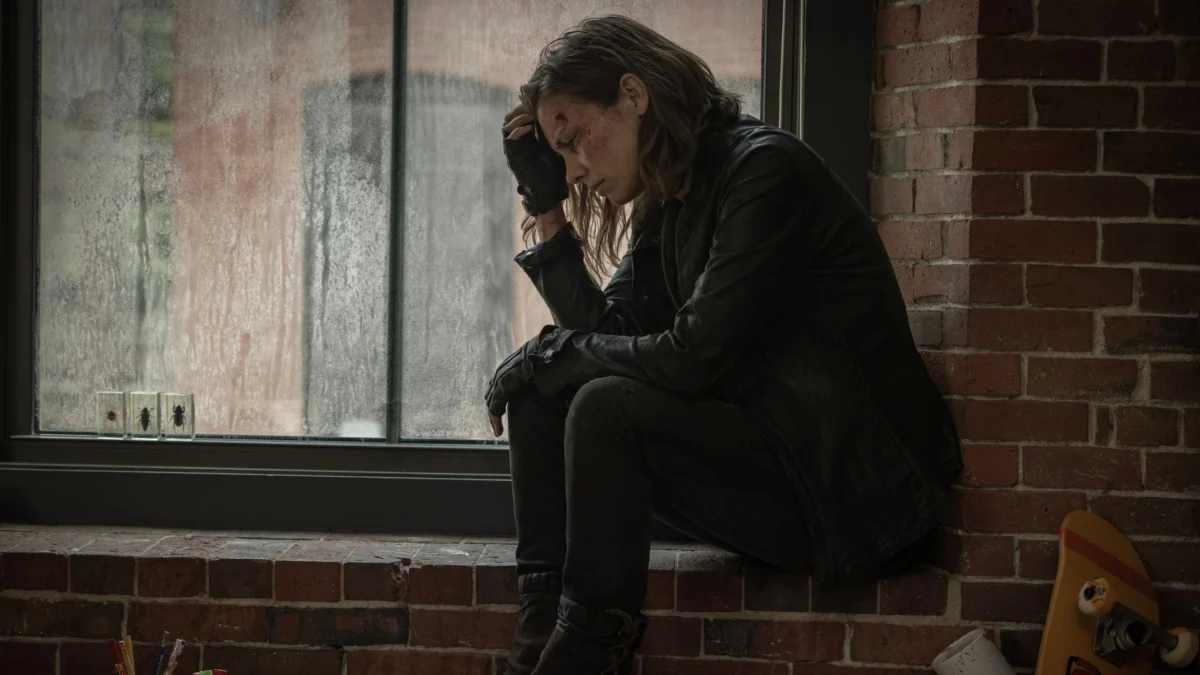
The landscape of television changed forever in 2010 when a small-town sheriff woke up in a world overrun by the walking dead. For twelve years and eleven seasons, AMC’s The Walking Dead (TWD) defined the survival horror genre, creating a global phenomenon that transcended the boundaries of traditional cable television. As the franchise prepares for the highly anticipated third season of its Manhattan-based spinoff, The Walking Dead: Dead City, scheduled to premiere on July 26, 2026, the series finds itself at a creative crossroads.
While the original series was rooted in the visceral terror of an undead apocalypse, Dead City has signaled a definitive shift in the franchise’s DNA. By prioritizing psychological depth and complex character dynamics over the traditional "monster-of-the-week" horror, the show is redefining what a zombie series can be—for better or for worse.
Main Facts: The Return to Manhattan
The Walking Dead: Dead City Season 3 is set to debut on AMC and its streaming counterpart, AMC+, on July 26, 2026. This upcoming installment continues the journey of two of the franchise’s most iconic and polarized figures: Maggie Greene (Lauren Cohan) and Negan Smith (Jeffrey Dean Morgan).
The spinoff, which first premiered in 2023, took the survivors out of the rural woods of Virginia and Georgia and thrust them into the concrete canyons of a long-isolated Manhattan. The island, which was barricaded by the military in the early days of the outbreak, has become a microcosm of post-apocalyptic evolution. Season 3 promises to delve deeper into the burgeoning political structures of the city, focusing on the "New Babylon" federation and the various factions vying for control of the island’s resources—specifically methane-based energy derived from the dead.
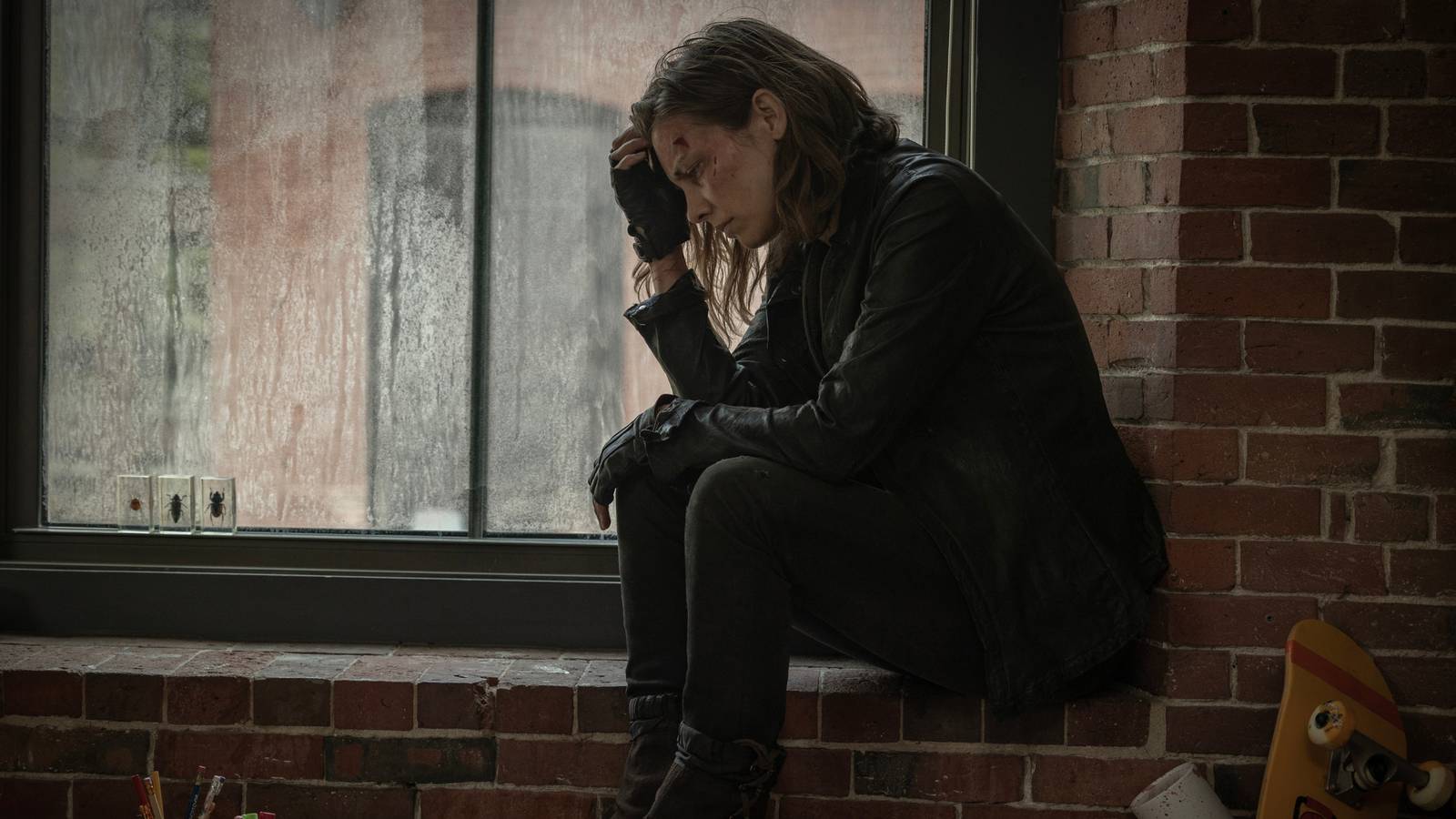
The core of the series remains the "unholy alliance" between Maggie and Negan. Decades after Negan brutally murdered Maggie’s husband, Glenn, the two are forced into a proximity that oscillates between murderous intent and reluctant mutual respect. Season 3 is expected to push this relationship to its breaking point as they navigate a landscape where the living are far more dangerous than the millions of walkers roaming the streets.
Chronology: From Survival Horror to Geopolitical Drama
To understand the tonal shift in Dead City, one must look at the chronological evolution of the Walking Dead universe (TWDU).
- The Survival Era (2010–2014): The early seasons of the flagship show, under the guidance of Frank Darabont and later Scott M. Gimple, focused on the immediate terror of the walkers. The "threat" was environmental and existential.
- The Rebuilding Era (2015–2018): As the survivors found permanent settlements like Alexandria and the Hilltop, the focus shifted toward the "warring tribes" trope, culminating in the Savior War.
- The Civilizational Era (2019–2022): The final seasons introduced the Commonwealth, a massive nation-state that brought back concepts of class warfare, legal systems, and large-scale governance.
- The Spinoff Era (2023–Present): With the end of the main series, AMC launched a series of "boutique" spinoffs. The Ones Who Live focused on epic romance; Daryl Dixon explored a religious odyssey in Europe; and Dead City emerged as a gritty, urban psychological drama.
By the time Dead City Season 3 arrives, the franchise will have spent nearly four years focusing on these specialized narratives. The chronology shows a clear trajectory: as the characters become more adept at killing zombies, the zombies themselves become less of a narrative driver and more of a backdrop for human conflict.
Supporting Data: The Diminishing Role of the Undead
Critics and fans have noted a significant statistical and narrative decline in the prominence of walkers within Dead City. In the original series, "zombie kills" were a primary metric of action. In Dead City, the focus has shifted toward dialogue-heavy scenes and political maneuvering.

The Season 3 trailer provides telling evidence of this shift. In one notable scene, Maggie discusses "rounding up walkers" with the same casual tone one might use for clearing brush or fixing a fence. This "domestication" of the threat suggests that the characters no longer view the undead as an existential crisis, but rather as a "locational hazard" or a resource to be managed.
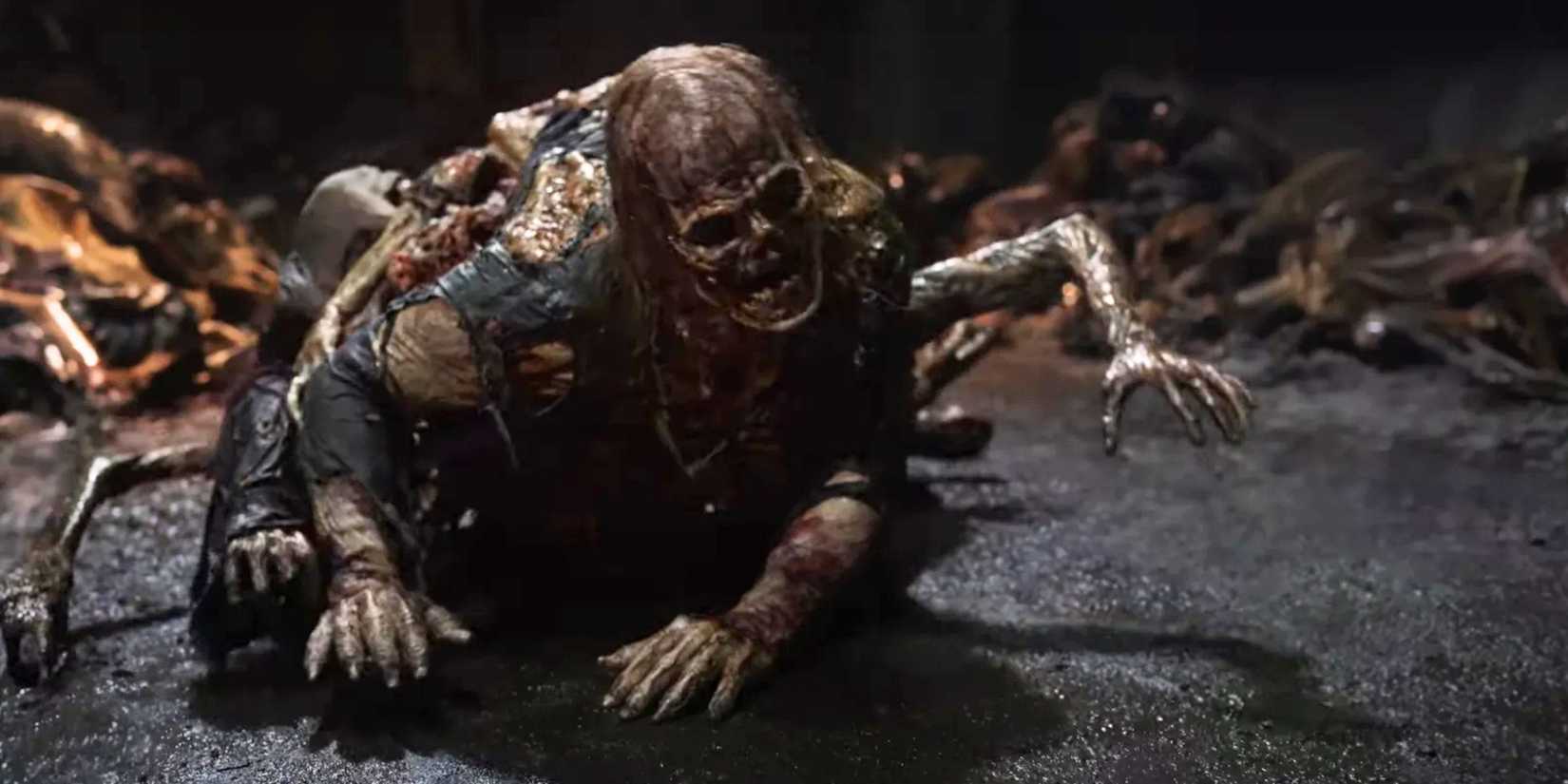
Furthermore, Dead City has largely ignored the "Variant Walker" lore that was teased at the end of The Walking Dead: World Beyond and featured heavily in Daryl Dixon. While Daryl Dixon introduced "burners" (acid-blooded zombies) and "super-strength" variants, Dead City has stayed conservative. Aside from the "Walker King"—a grotesque multi-zombie mass seen in Season 1—the spinoff has relied on standard walkers. This lack of biological innovation in the undead suggests that the writers are intentionally moving away from "creature feature" tropes to keep the audience’s attention on the Maggie-Negan psychodrama.
Official Responses and Creative Intent
While AMC has not released a formal "manifesto" regarding the change in tone, showrunner Eli Jorné and franchise overseer Scott M. Gimple have frequently spoken about the need for "tonal variety" to keep the franchise alive.
In previous press tours, Jorné emphasized that Dead City was designed to be "smaller, more intimate, and more focused on the internal lives of these two people." The creative intent appears to be a move toward "Prestige TV" aesthetics—utilizing the post-apocalyptic setting as a stage for a Shakespearean drama about grief, revenge, and the impossibility of forgiveness.
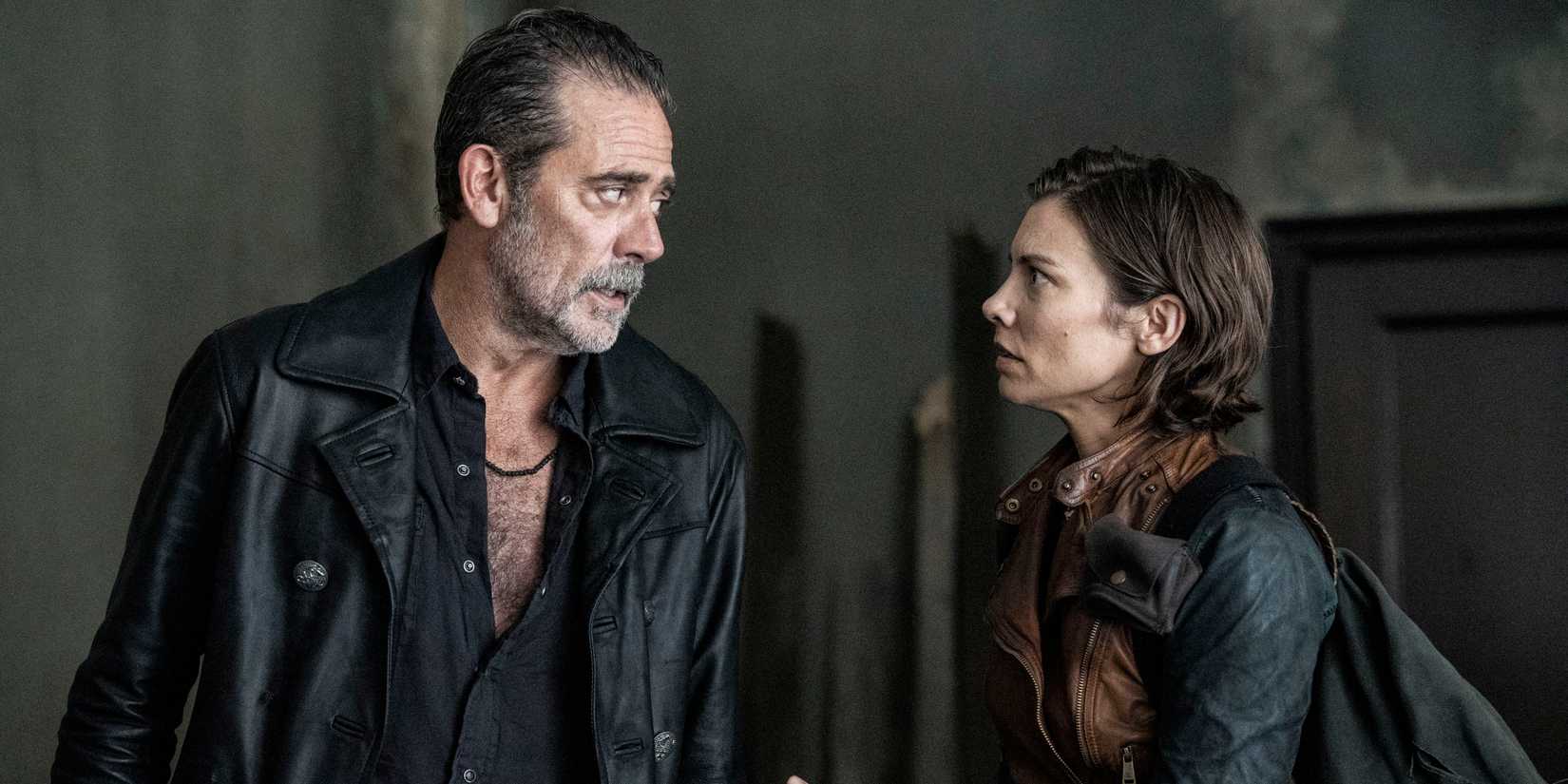
The official marketing for Season 3 has leaned heavily into the "New York" of it all. By filming on location in New Jersey and utilizing high-end CGI to recreate a decaying Manhattan, the production team is signaling that the setting and the politics are the new stars. The "official response" to fans missing the horror of the early years is, essentially, that the characters have outgrown that fear—and the audience is expected to do the same.
Implications: Is the Zombie Genre Evolving or Erasing Itself?
The shift seen in Dead City Season 3 has significant implications for the future of the horror genre on television.
1. The "Human-Centric" Risk
By making walkers a secondary concern, Dead City risks losing the "ticking clock" element that made the original series so tense. If the zombies are just a "maintenance problem," the show becomes a standard post-apocalyptic political thriller. While this allows for deeper acting opportunities for Cohan and Morgan, it may alienate the "gore-hound" demographic that built the franchise.
2. The Fragmentation of the Fanbase
The TWDU is currently split into three distinct "flavors." Fans who want classic horror and world-building tend to favor Daryl Dixon. Fans who want romance and closure favor The Ones Who Live. Dead City is carving out a niche for fans of gritty, character-driven noir. The implication is that AMC no longer expects a single show to please everyone; instead, they are diversifying their portfolio.
3. The Legacy of Maggie and Negan
Season 3 will likely be the definitive word on whether these two characters can ever coexist. If the show continues to prioritize their human drama, it could lead to one of the most sophisticated character studies in modern television. However, if the "human vs. human" conflict becomes repetitive, the absence of a genuine undead threat will be felt more keenly.
4. The Future of the "Urban Apocalypse"
Dead City’s depiction of Manhattan as a series of warring city-states sets a precedent for future spinoffs. It suggests that the "end of the world" is over, and the "new world" has begun. The implications for the wider TWDU are clear: the story is no longer about surviving the dead; it is about living with the consequences of what the survivors did to stay alive.
Conclusion
As The Walking Dead: Dead City Season 3 approaches its July 2026 release, it stands as a testament to the franchise’s resilience and its willingness to alienate its own conventions. By transforming the zombie from a monster into a "maintenance issue," the show is forcing its audience to confront the real horror: the enduring capacity for human cruelty and the heavy burden of history. Whether this pivot to human drama will sustain the franchise for another decade remains to be seen, but one thing is certain—in the streets of New York, the dead are the least of Maggie and Negan’s problems.