The Art of the Virtual Stage: Unpacking Performance in Video Games with Kirsty Rider and Jane Perry
The digital realm of video games has evolved far beyond simple entertainment. It has become a fertile ground for storytelling, a canvas for visual artistry, and, crucially, a stage for compelling performances. Yet, the unique discipline of acting within this medium often remains misunderstood, even by those within the broader acting profession. The solitary nature of voice and motion capture, devoid of immediate audience reaction or the tangible presence of fellow actors, presents a distinct challenge. However, when actors successfully connect with the narrative and their characters, even in isolation, the result can be the birth of unforgettable digital personas.
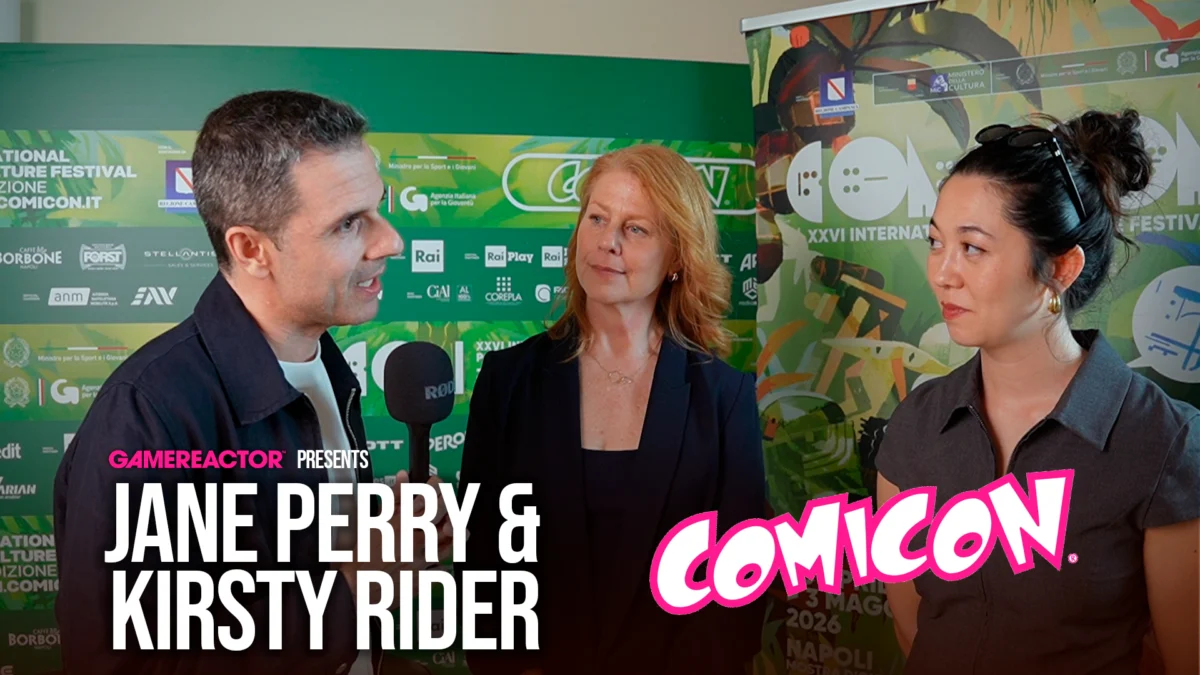
This profound aspect of video game performance was a central theme during a captivating discussion at Comicon Napoli 2023, where acclaimed actresses Kirsty Rider and Jane Perry shared insights into their craft. Their experiences bringing characters like Selene in Returnal, Lune in Clair Obscur: Expedition 33, and Alyssa Ashcroft in Resident Evil Village (as implied by the mention of "Resident Evil Requiem," likely referring to the latest installment featuring Alyssa) to life offered a fascinating glimpse into the dedication and artistry involved. The interview, captured with subtitles for wider accessibility, delved into the nuances of their roles, the weight of franchise legacies, and the personal journeys of embodying these virtual beings.
The Genesis of Iconic Characters: From Isolation to Immortality
The power of a video game performance lies in its ability to transcend the limitations of its creation. Unlike traditional theatre or film, where actors feed off the energy of a live audience or the immediate presence of their co-stars, video game actors often work in isolation. A soundproof booth becomes their stage, a script their sole companion. Yet, it is within this solitude that a unique alchemy can occur. When an actor truly immerses themselves in the narrative, forging a deep connection with their character’s motivations, fears, and desires, the first take can indeed be the definitive one. This raw, unadulterated passion, channeled through voice and motion, is what breathes life into pixels and polygons, transforming them into characters that resonate with players on an emotional level.
Kirsty Rider and Jane Perry, both celebrated for their contributions to the gaming landscape, exemplify this phenomenon. Their ability to inhabit complex characters, imbuing them with depth and authenticity, has cemented their place in the pantheon of virtual performers. Their presence at Comicon Napoli provided a platform to illuminate the often-unseen labor and artistic integrity that underpins these celebrated roles.
A Tale of Two Actresses: Navigating Legacy and New Beginnings
The conversation at Comicon Napoli was structured around the distinct yet intertwined experiences of Rider and Perry. While Rider’s work on Clair Obscur: Expedition 33 saw her create an original character, Perry has navigated the exciting, yet daunting, territory of taking on established roles within beloved franchises.
Kirsty Rider: Forging a New Path with Lune
Kirsty Rider’s portrayal of Lune in the upcoming Clair Obscur: Expedition 33 represents the thrill of creating a character from the ground up. Original roles offer a unique canvas for an actor, allowing them the freedom to define a character’s nuances without the burden of pre-existing interpretations. This freedom, while exhilarating, also demands a profound act of imagination and empathy. Rider, in her discussion, likely elaborated on the process of collaborating with the development team to sculpt Lune’s personality, voice, and emotional arc. The ability to connect with a character’s story, even in the absence of visual cues or interactive elements during the initial recording sessions, is paramount. The "first take is the real one" sentiment highlights the importance of capturing that initial, uninhibited emotional response, a testament to the actor’s ability to fully embody the character’s essence from the outset.
Jane Perry: Embracing the Shadow of Legacy with Alyssa Ashcroft
Jane Perry’s journey with the Resident Evil franchise, specifically her role as Alyssa Ashcroft in Resident Evil Village, presented a different set of challenges. Stepping into the shoes of a character within a globally recognized and deeply cherished franchise carries an inherent weight. Fans of Resident Evil are notoriously passionate and possess a strong sense of ownership over its iconic characters and narratives. Perry candidly acknowledged this pressure during the interview, revealing a thoughtful approach to her performance.
"Before playing Alyssa Ashcroft, and even Diana Burnwood, because there were two actresses who played Diana Burnwood before I came along, if I sit and think about that too much, I probably get really freaked out." This statement underscores the psychological tightrope walk of taking on a legacy role. The fear of not living up to fan expectations or deviating too significantly from established character traits can be paralyzing. However, Perry’s subsequent words reveal a mature and professional mindset.
The mention of Diana Burnwood from the Hitman games is significant. Perry’s involvement in that franchise, where she also stepped into a role previously held by another actress, provided her with valuable experience in navigating established character arcs. This prior experience likely informed her approach to Resident Evil.
"But actually with Resident Evil in particular, I was aware that game is a phenomenon, and the fans of that game are just extraordinary. So I was peripherally aware of the fact that Alyssa already has a huge following, and I guess I wanted to just honour her and her story the best I could, and that was my biggest intention, was just to do a good job." Perry’s humility and dedication to honoring the existing character and narrative are palpable. Her primary objective was not to reinvent Alyssa, but to embody her with respect and integrity, ensuring that her performance would be a worthy addition to the Resident Evil canon. This focus on honoring the character and delivering a strong performance, rather than succumbing to the pressure of imitation, is a hallmark of a seasoned and skilled actress.
The BAFTA-Winning Alchemy: Selene’s Depth in Returnal
Beyond her role as Alyssa Ashcroft, Jane Perry’s performance as Selene Vassos in Returnal stands as a monumental achievement, recognized with a BAFTA award for Best Performance. This award is not merely a testament to her talent but also a powerful validation of the artistic merit of video game acting. The interview at Comicon Napoli provided an opportunity to revisit the genesis of this acclaimed performance, with Perry hinting at the deeper insights that can be found in the full interview.
The article directs readers to a separate piece detailing "how she developed her work on Selene in Returnal." This suggests that the development process for Selene was particularly intricate and layered. Returnal is a game known for its psychological depth, its exploration of trauma, grief, and the cyclical nature of existence. To embody Selene, an astronaut trapped in a hostile alien world, reliving the same agonizing moments repeatedly, required Perry to tap into a profound well of emotional expression.
The solitary nature of motion capture and voice recording likely played a crucial role here. Without immediate feedback, Perry had to rely on her internal compass, her understanding of Selene’s fragmented psyche, and her ability to convey complex emotions through subtle vocal inflections and physical performances. The BAFTA win signifies that her interpretation resonated deeply, capturing the essence of Selene’s despair, resilience, and eventual, albeit fragile, hope. This achievement elevates the conversation around video game performance, demonstrating that it can be as nuanced, impactful, and award-worthy as any other acting discipline.
Supporting Data: The Growing Influence of Performance in Gaming
The increasing sophistication of video game technology has directly fueled the demand for more nuanced and compelling performances. Advancements in motion capture, facial animation, and voice acting technology allow for greater realism and emotional fidelity. This evolution has led to:
- Increased Realism: Modern games can now capture incredibly subtle facial expressions and body language, demanding a higher level of performance from actors.
- Narrative Complexity: Storytelling in games has become more intricate, with characters grappling with complex psychological issues, moral dilemmas, and profound emotional journeys. This requires actors capable of conveying a wide range of human experience.
- Player Empathy: When actors deliver powerful performances, players are more likely to connect with the characters, invest in their stories, and experience a deeper level of emotional engagement with the game.
- Industry Recognition: The growing recognition of video game acting as a legitimate art form is evidenced by the increasing number of awards ceremonies and categories dedicated to gaming performances, including the BAFTA Games Awards.
The careers of actresses like Kirsty Rider and Jane Perry are emblematic of this trend. They are not merely providing voices for characters; they are crafting complex personalities, driving narratives, and forging emotional connections that are integral to the gaming experience.
Official Responses and Industry Implications
The discussions with Kirsty Rider and Jane Perry at Comicon Napoli serve as unofficial yet powerful endorsements of the evolving landscape of video game performance. Their willingness to share their processes and insights highlights a growing trend within the industry:
- Talent Crossover: As the quality of video game narratives and performances improves, more established actors from film and television are venturing into the gaming space. This not only brings new talent but also elevates the perception of video game acting.
- Investment in Performance: Game development studios are increasingly investing in high-caliber voice and motion capture talent, recognizing its critical role in creating immersive and engaging experiences.
- Artistic Validation: Awards like the BAFTA for Jane Perry’s performance in Returnal provide crucial artistic validation, signaling that video game acting is a discipline worthy of critical acclaim and professional recognition.
- Fan Engagement: Actors engaging with fans at events like Comicon Napoli foster a deeper appreciation for their craft and the characters they portray. This direct interaction builds stronger connections between creators and their audience.
The implications of this ongoing evolution are significant. As video games continue to push the boundaries of interactive storytelling, the role of the actor will become even more central. The ability to deliver authentic, emotionally resonant performances will be a key differentiator for games striving to create truly memorable and impactful experiences. The work of Rider and Perry is not just about bringing characters to life; it’s about shaping the future of narrative art in the digital age.
The conversation at Comicon Napoli, and the subsequent article, offers a valuable window into the dedication, skill, and artistry required to excel in video game performance. As the medium continues to mature, the contributions of talented actors like Kirsty Rider and Jane Perry will undoubtedly be recognized as foundational to the immersive and emotionally resonant worlds we experience through our screens.