The Blade of Subversion: Analyzing the Surprising Narrative Links Between Arya Stark and Éowyn of Rohan

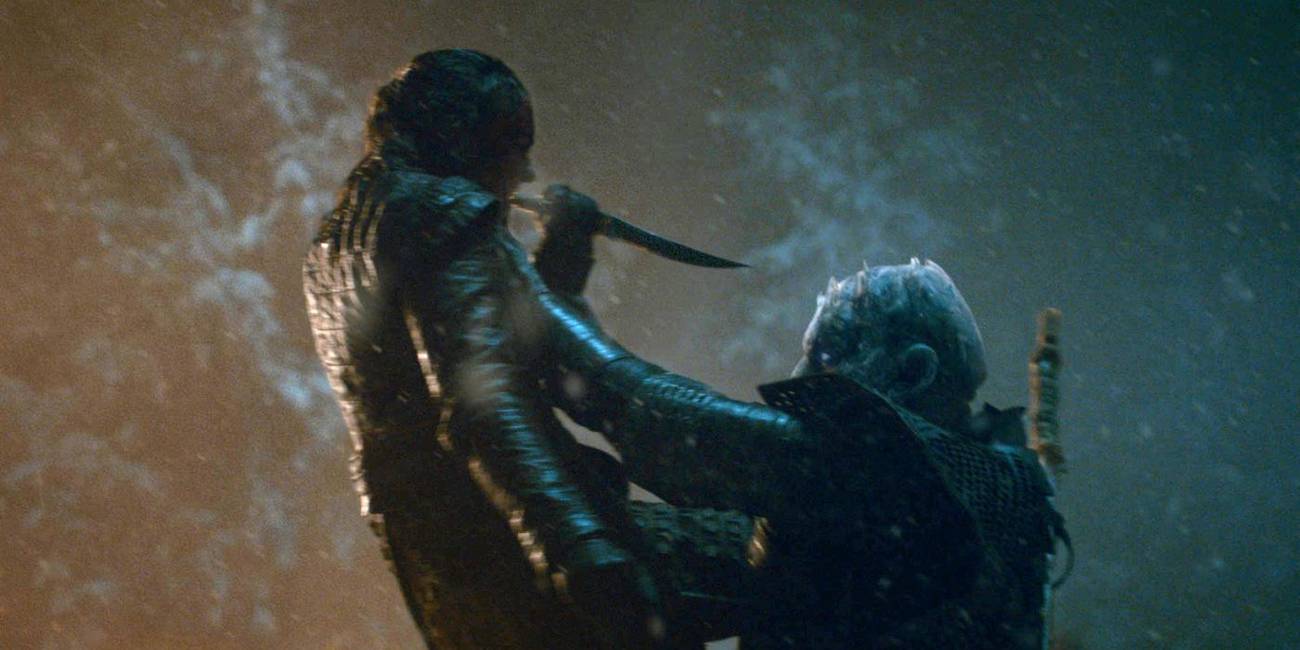
In the pantheon of modern fantasy, few moments have sparked as much debate, fervor, and academic scrutiny as the climax of the Great War in Game of Thrones. When Arya Stark lunged through the frozen mists of Winterfell to shatter the Night King, she didn’t just end a fictional threat; she ignited a conversation about the nature of heroism, the subversion of prophecy, and the enduring influence of J.R.R. Tolkien on George R.R. Martin’s world.
A recent exclusive interview with Professor Carolyne Larrington—a Senior Research Fellow at the University of Oxford and a preeminent scholar of Old Norse and Medieval literature—sheds new light on this pivotal moment. Prof. Larrington, the author of two definitive books on the folklore and mythology of Westeros, suggests that the resolution of the Night King’s arc was not merely a shock for shock’s sake. Instead, it was a calculated echo of one of the most iconic moments in The Lord of the Rings: the slaying of the Witch-king of Angmar by Éowyn of Rohan.
Main Facts: The "No Man" Archetype
The core of Prof. Larrington’s analysis rests on the structural similarities between two of fantasy’s most formidable female protagonists. While separated by decades of publishing history and vastly different tonal landscapes, Arya Stark and Éowyn serve as the "unexpected variable" in their respective wars against the undead.

The Subversion of the Invincible Antagonist
In both The Lord of the Rings and Game of Thrones, the primary supernatural threat is led by a figure who represents a seemingly insurmountable wall of masculine martial power.
- The Witch-king of Angmar: The Lord of the Nazgûl, a wraith-king who famously boasted that "no living man may hinder me."
- The Night King: A silent, primordial force of nature who survived dragonfire and bested legendary warriors like Theon Greyjoy and Jorah Mormont.
The Gendered Loophole
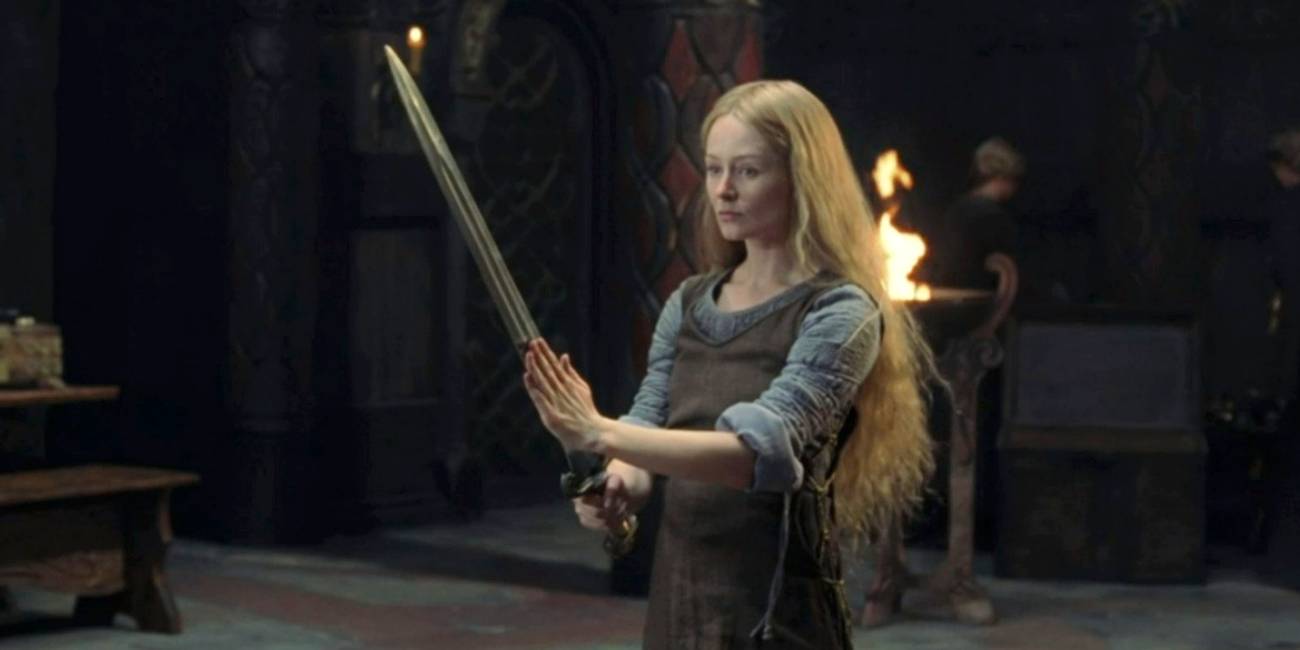
The resolution of both conflicts hinges on a linguistic or societal loophole. In Tolkien’s The Return of the King, the prophecy uttered by Glorfindel centuries earlier—that the Witch-king would not fall by the hand of man—is realized when Éowyn removes her helmet and declares, "I am no man!"
In Game of Thrones, the showrunners David Benioff and D.B. Weiss leaned into a visual and narrative version of this loophole. While Jon Snow was the "Prince That Was Promised" in the eyes of many fans—the traditional male hero—it was Arya, a girl who spent years rejecting the "lady-like" roles of Westerosi society, who delivered the killing blow.

Chronology: Paths to the Killing Blow
To understand the weight of these comparisons, one must look at the parallel trajectories of these two characters. Both began as noblewomen stifled by the expectations of their stations and ended as the literal saviors of their worlds.
The Rise of the Shieldmaiden
Éowyn’s journey is one of repressed agency. As the niece of King Théoden, she was expected to remain in the "Golden Hall" of Edoras, tending to the elderly and the wounded while the men rode to glory. Her transformation into "Dernhelm"—a disguised male soldier—was an act of desperation and defiance. She rode to the Battle of the Pelennor Fields not for glory, but because she refused to be left behind in the ruins of her civilization.
The Evolution of the Faceless Assassin
Arya Stark’s path was more visceral and prolonged. Following the execution of her father, Ned Stark, in Season 1, Arya’s story became a masterclass in survival and identity erasure.
- Disguise (Seasons 1-2): Like Éowyn, Arya first survived by pretending to be a boy ("Arry") to escape King’s Landing.
- Training (Seasons 5-6): Her time in Braavos with the Faceless Men provided the technical expertise—stealth, speed, and the ability to fight in the dark—that would eventually allow her to sneak past the Night King’s White Walker generals.
- The Homecoming (Season 8): Arya returned to Winterfell not as a lady, but as a weapon.
The chronology of Game of Thrones shows that while the showrunners eventually moved past George R.R. Martin’s unfinished novels, they remained tethered to the foundational tropes of the genre established by Tolkien, even as they sought to subvert them.
Supporting Data: Narrative Symmetry and Weaponry
The comparison between Arya and Éowyn is bolstered by the specific mechanical details of their victories. Both kills required a specific, magical implement and a momentary distraction by a secondary character.
| Feature | Éowyn (Lord of the Rings) | Arya Stark (Game of Thrones) |
|---|---|---|
| Antagonist | Witch-king of Angmar (Undead Wraith) | The Night King (Undead Leader) |
| The Distraction | Meriadoc Brandybuck (Hobbit) | Theon Greyjoy / Bran Stark |
| The Weapon | Ancient Barrow-blade / Sword | Valyrian Steel Dagger |
| The Twist | "I am no man" (Gender Subversion) | The "Knife Drop" (Skill Subversion) |
| The Prophecy | Glorfindel’s Prophecy | "Blue Eyes" (Melisandre’s Prophecy) |
The use of the Valyrian steel dagger is particularly significant. As Prof. Larrington notes, there is a "poetry and symmetry" in Arya using the very blade that was once intended to kill her brother, Bran. This mirrors the "Barrow-blade" used by Merry to stab the Witch-king’s knee—a weapon forged by the ancient enemies of Angmar, specifically designed to break the spell that knit the wraith’s undead flesh together.
Official Responses: The Expert Take
Professor Larrington’s insights provide a bridge between fan reaction and literary tradition. In her interview, she acknowledges the friction caused by the show’s decision to pivot away from Jon Snow.
"I think what the showrunners are doing is thinking back to Tolkien, and thinking back to that crucial moment in the Battle of the Pelennor Fields," Larrington explained. "It’s that unexpectedness of the wrong gender, as it were, being the killer. And Éowyn is a highly trained warrior. So too is Arya."
However, Larrington also touches upon the "Messiah" problem that has haunted the Game of Thrones finale since its airing in 2019. "What you kind of had there was the story of a messiah in Jon Snow. Someone who has died and been reborn… who seems to have all the prophecies about him."
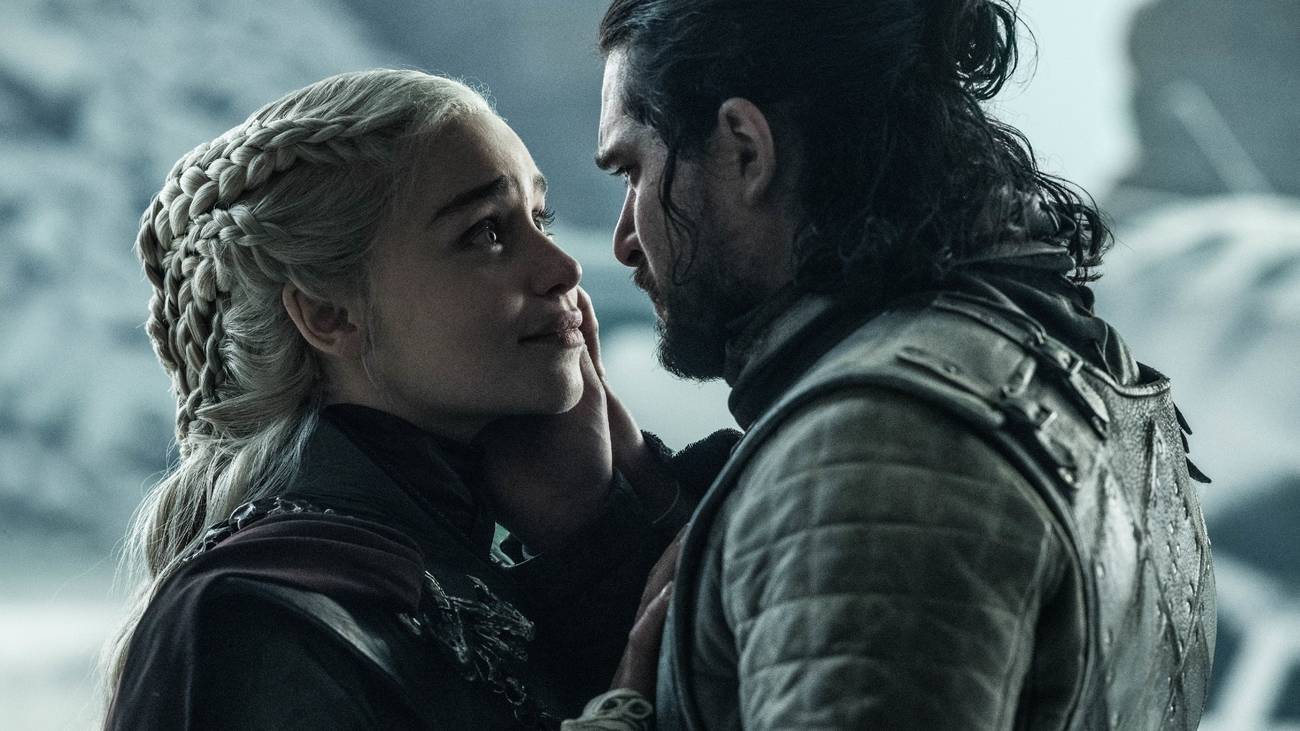
According to Larrington, the decision to give the kill to Arya was a deliberate move to bypass the "Aragorn archetype." While Aragorn in The Lord of the Rings fulfills the prophecy of the "King who returns," he is not the one who destroys Sauron or the Witch-king. By separating the "Political Hero" (Jon Snow) from the "Martial Hero" (Arya Stark), Benioff and Weiss were attempting to replicate Tolkien’s decentralization of heroism, though with arguably more polarizing results.
Implications: The Legacy of the Subverted Hero
The decision to have Arya kill the Night King has lasting implications for how fantasy narratives handle their "Chosen Ones."
1. The Deconstruction of the "Messiah"
By sidelining Jon Snow in the final confrontation with the Great Other, Game of Thrones challenged the idea that the "rightful king" must also be the "greatest warrior." This reflected a more cynical, modern take on power: Jon’s value was in his ability to unite disparate factions (Wildlings, Northmen, and Valyrians), while Arya’s value was her specialized, lethal utility.
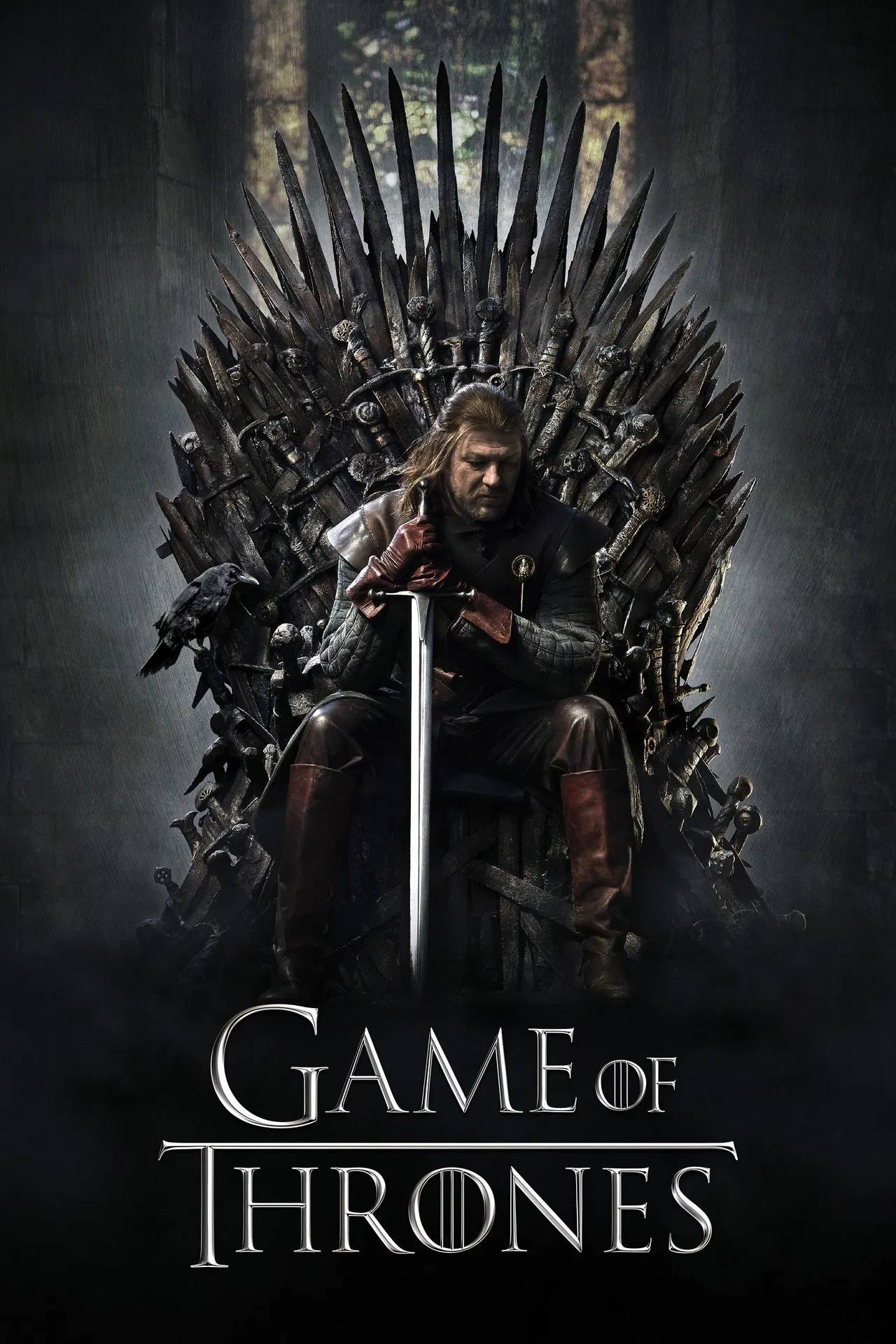
2. The Evolution of Female Agency in Fantasy
Éowyn’s victory was a landmark in 1950s literature, but her story ended with her renouncing the sword to become a "healer" and marrying Faramir. Arya’s ending—sailing off into the "Sunset Sea" to explore the unknown—represents a modern evolution. She does not return to a domestic role; she remains an agent of her own destiny, uncoupled from the patriarchal structures of Westeros.
3. The Tolkien-Martin Dialectic
The Game of Thrones franchise continues to thrive with House of the Dragon and other upcoming prequels, but the shadow of Tolkien remains long. The Arya-Éowyn connection proves that even when a series attempts to be "gritty" and "subversive," it often finds its most resonant moments by returning to the mythological roots of the genre.
Final Assessment
While the Game of Thrones finale remains a point of contention for many, the scholarly perspective provided by Prof. Carolyne Larrington suggests that the show’s climax was more than a subversion of fan expectations—it was a deep, perhaps even subconscious, tribute to the foundational architecture of fantasy. Arya Stark didn’t just kill the Night King; she stepped into a role carved out by Éowyn decades prior, proving that in the battle against the darkness, the most effective weapon is often the one the enemy—and the audience—never saw coming.