The Archeology of a Joke: How ‘We Are Pat’ Reclaims One of Comedy’s Most Infamous Failures
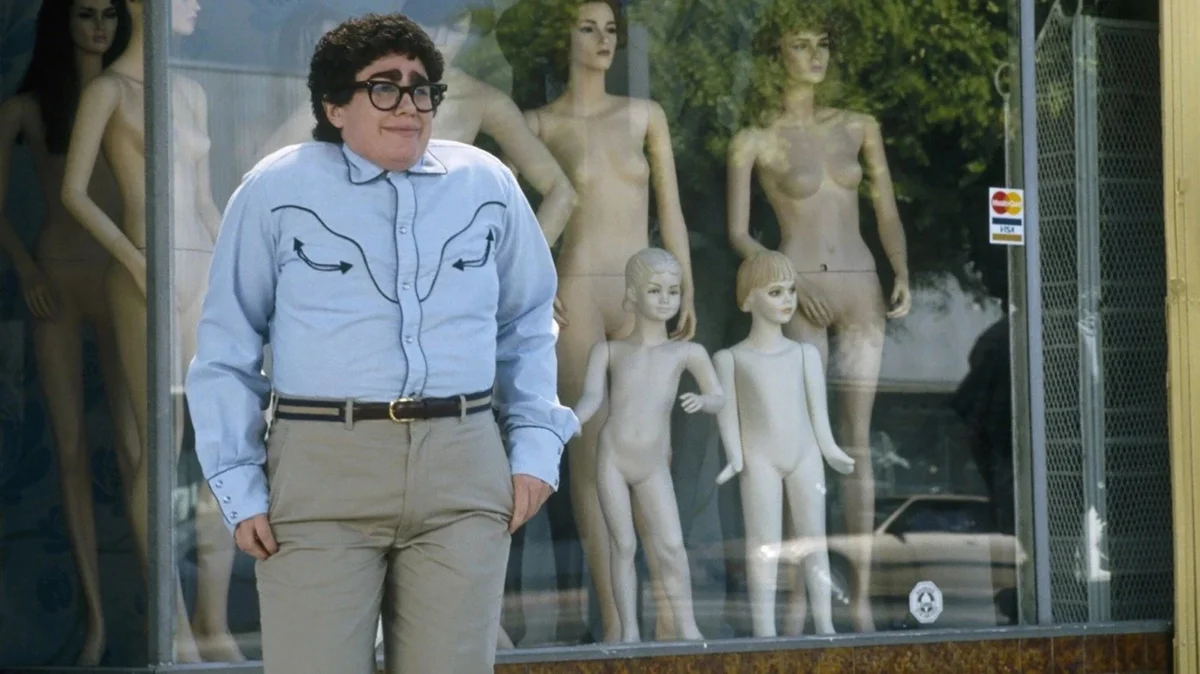
In the annals of cinematic history, few films occupy a space as ignominious as It’s Pat. Released in 1994 and based on the recurring Saturday Night Live sketch created by Julia Sweeney, the film remains a member of the "0% Club" on Rotten Tomatoes—a rare distinction reserved for creative efforts that fail to garner a single positive professional review. For decades, It’s Pat was dismissed as the ultimate symbol of 1990s "sketch-to-screen" hubris. However, Ro Haber’s 2026 documentary, We Are Pat, performs a radical act of cultural archeology, transforming a legendary flop into a profound meditation on gender, authorship, and the shifting sands of comedic morality.
Main Facts: A New Lens on a Narrative Disaster
We Are Pat is not a standard "making-of" documentary. While most retrospectives on Saturday Night Live (SNL) lean into nostalgia—such as Jason Reitman’s high-octane Saturday Night—Ro Haber’s film uses the character of Pat as a Rorschach test for modern identity politics.
The documentary centers on Julia Sweeney, the creator and star of the original sketches and film, as she engages in a vulnerable dialogue with the very community that has, in recent years, labeled her work "hateful propaganda." Rather than a defensive posture, the film facilitates an exchange between Sweeney and a panel of transgender and non-binary comedians, including River Butcher and Grace Freud.
The core thesis of the documentary is that Pat—a character defined by the "mystery" of their gender—exists at a crossroads. To some, Pat is a relic of transphobic mockery; to others, Pat is an accidental non-binary icon who exposed the anxieties of the cisgender world. Haber’s film refuses to choose a side, instead insisting that the character’s legacy is a messy, multi-layered reality where harm and humor coexist.
Chronology: From Studio 8H to the 0% Rotten Tomatoes Graveyard
To understand the weight of We Are Pat, one must trace the character’s trajectory through the American zeitgeist:
1. The Birth of an Enigma (1990–1992)
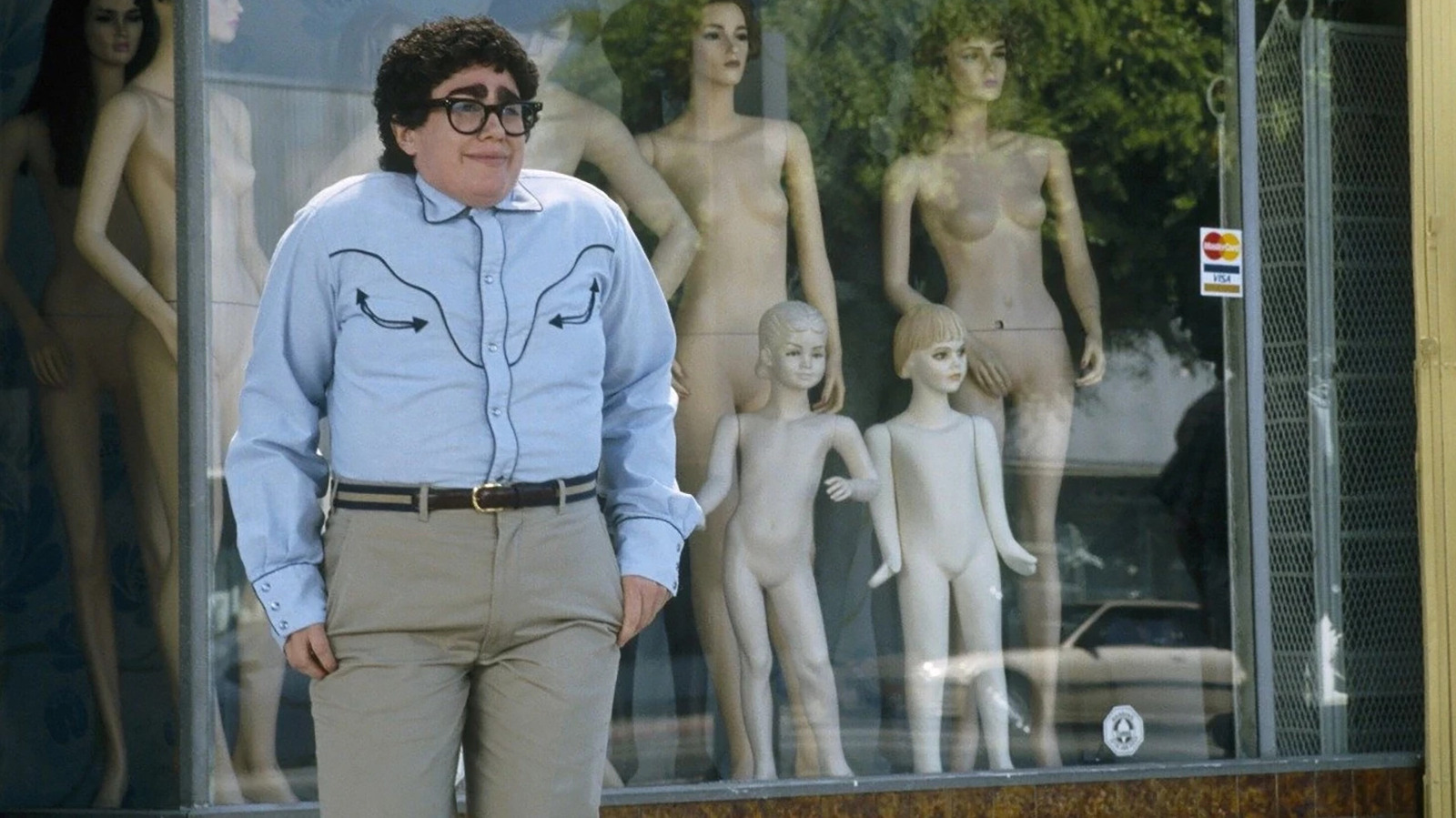
Julia Sweeney introduced Pat Riley to national audiences in 1990. The premise was deceptively simple: Pat was an annoying, socially awkward individual whose gender was impossible for coworkers and strangers to discern. The comedy was derived from the frantic, often desperate attempts of those around Pat to "clock" them using pronouns, hobbies, or physical traits. At the height of the character’s popularity, Pat was a breakout hit, leading to a cameo in a Pearl Jam music video and a best-selling "autobiography."
2. The Cinematic Collapse (1994)
Emboldened by the success of Wayne’s World, Disney’s Buena Vista Pictures greenlit a feature-length adaptation. The production was famously troubled. The script, co-written by Sweeney and Jim Emerson, reportedly received an uncredited polish from a young Quentin Tarantino. However, upon release, the film was a catastrophe. Critics found the one-note joke exhausted after five minutes, and audiences stayed away in droves. The film grossed just over $60,000 against an $8 million budget.
3. The Cultural Re-evaluation (2010s–2020s)
As public discourse around gender identity evolved, Pat moved from being a "forgotten flop" to a "problematic artifact." In 2014, Transparent creator Jill Soloway publicly denounced the character as "anti-trans propaganda," arguing that the joke was centered on the "monstrosity" of a person who does not fit the gender binary.
4. The Reclamation (2026)
Ro Haber’s documentary arrives at a time when the "cancel culture" era has transitioned into a "reclamation" era. We Are Pat captures the moment when the trans community began to look back at Pat not just with anger, but with a complex sense of recognition.
Supporting Data: The Anatomy of a Failure
The statistical and critical history of It’s Pat provides the necessary context for why Haber’s documentary is so essential.
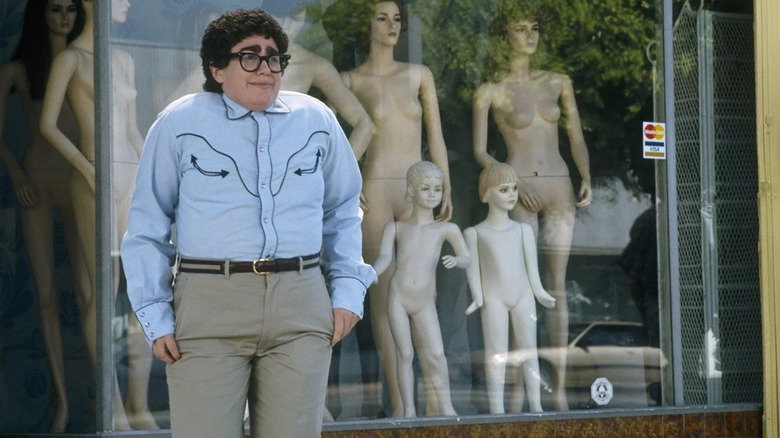
- Critical Consensus: On Rotten Tomatoes, the film holds a 0% rating based on 11 reviews. The consensus at the time of release focused on the "thinness" of the premise rather than the gender politics.
- Box Office Performance: With a domestic gross of $60,822, it remains one of the lowest-grossing wide-release films in the history of a major studio.
- The "SNL" Success Rate: Out of 11 feature films based on SNL sketches, It’s Pat sits at the absolute bottom of the heap, contrasting sharply with the $183 million success of Wayne’s World.
- Changing Perspectives: The documentary cites internal surveys and social media discourse from the early 2020s showing a divide in the LGBTQ+ community. While 45% of respondents viewed the character as offensive, nearly 30% viewed Pat as a "proto-queer" figure whose existence—however clumsy—was a rare moment of visibility in 90s media.
Official Responses: Julia Sweeney and the Writers’ Room
One of the most striking elements of We Are Pat is the participation of Julia Sweeney herself. In an era where many veteran comedians respond to criticism by "digging in their heels" and decrying "woke culture," Sweeney offers a refreshingly transparent self-critique.
In the film, Sweeney reveals that the character was born out of her own frustrations with the rigid gender expectations placed on women in the entertainment industry and the male-dominated writers’ room at SNL. "I was trying to find a way to be a person who didn’t have to perform ‘femininity’ to be funny," Sweeney explains in the documentary. She acknowledges the "unintentional harm" the character caused, admitting that while she saw Pat as someone comfortable in their own skin, the audience often saw someone to be feared or mocked.
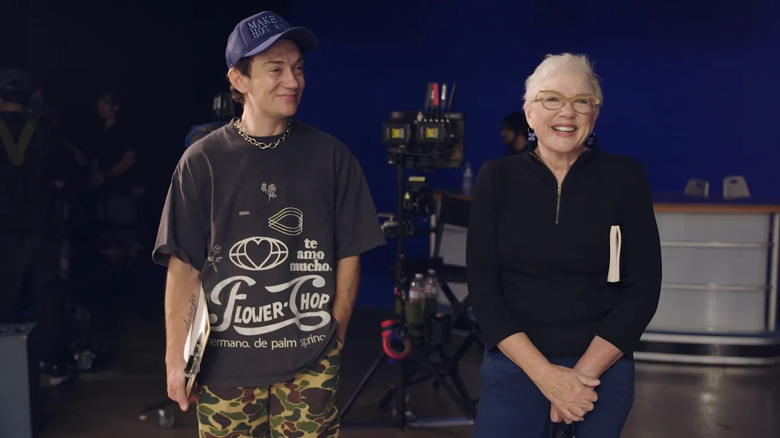
The documentary also features an "all-trans writers’ room" assembled by Haber. This group, including comedian Grace Freud, was tasked with a unique challenge: Could Pat be funny today?
The responses from the room were varied:
- River Butcher provides the film’s most cited quote, suggesting that Pat is simultaneously transphobic, funny, and a non-binary icon.
- Grace Freud is shown working directly with Sweeney to refine Pat’s physical mannerisms. In a scene described by critics as "profoundly cinematic," the veteran Sweeney passes the torch to Freud, a younger trans comedian, effectively "blessing" a new interpretation of the character that centers on trans agency rather than cisgender confusion.
Implications: Comedy as a Living Document
The release of We Are Pat has significant implications for how we view the history of comedy and the responsibility of creators.
1. The End of the "Safe" Retrospective
Haber’s film signals a shift away from the sanitized, celebratory documentaries usually produced by major networks. It suggests that the most interesting way to engage with a legacy is to interrogate its failures and its casualties.
2. The Power of Reclamation
The documentary proves that marginalized communities do not always want "problematic" art to be erased. By engaging with Pat, the trans comedians in the film are reclaiming a piece of their own history. They are moving the character from the category of "mockery" to the category of "coding," where they can project their own experiences onto a character that was previously used against them.
3. A Blueprint for Accountability
Julia Sweeney’s approach in the film provides a potential blueprint for other creators. By showing up, listening, and admitting to the limits of her original vision, she moves the conversation past the "canceled vs. not canceled" binary and into a space of genuine artistic evolution.
4. The Complexity of Nostalgia
Ultimately, We Are Pat asks audiences to do an "archaeological dig" on their own memories. It forces viewers to ask why they laughed in 1991 and what that laughter says about the world they lived in then versus the world they inhabit now.
As the film becomes available on VOD, it stands as a testament to the idea that no piece of art—no matter how poorly reviewed or culturally maligned—is ever truly "dead." It simply waits for the right hands to dig it up and find the meaning hidden beneath the surface. We Are Pat doesn’t just change how we see a legendary flop; it changes how we see the very act of looking back.