Unraveling Ancient Egypt’s Third Intermediate Period: A Saga of Resilience and Transformation
Cairo, Egypt – For centuries, the Third Intermediate Period (circa 1069-525 BCE) of ancient Egypt has been cast in the shadow of its more illustrious predecessors, often labeled a "dark age" of chaos and decline. Following the grandeur of the New Kingdom and preceding the eventual foreign domination of the Late Period, this era, spanning nearly five and a half centuries, was long dismissed as a mere epilogue to Egyptian greatness. However, modern Egyptology is steadily revising this narrative, revealing a complex epoch marked by political decentralization, cultural adaptation, and surprising resilience in the face of internal fragmentation and mounting external pressures. Far from a complete collapse, the Third Intermediate Period was a crucible where Egyptian identity was tested, transformed, and ultimately endured, setting the stage for subsequent eras.
Main Facts: A Shifting Sands of Power
The Third Intermediate Period (TIP) is a chronological demarcation coined by 20th-century Egyptologists to categorize a segment of ancient Egyptian history. It bridges the New Kingdom (circa 1570-1069 BCE), an era of imperial might and centralized rule, and the Late Period (525-332 BCE), characterized by recurrent foreign subjugation. Unlike the unified "kingdom" periods, intermediate periods historically denote times of disunity and divided governance. The First (2181-2040 BCE) and Second (circa 1782-1570 BCE) Intermediate Periods were indeed marked by internal strife, with power struggles between rival dynasties – Herakleopolis and Thebes in the First, and Thebes against the Hyksos in the Second.
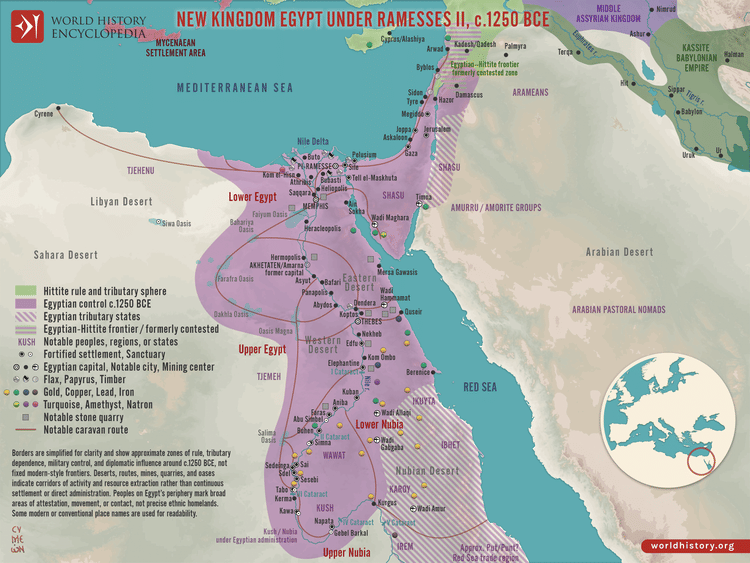
The Third Intermediate Period, however, presented a unique tapestry of power distribution. Initially, authority was almost equally shared between two prominent cities: Tanis in Lower Egypt, serving as the seat of secular rule, and Thebes in Upper Egypt, a powerful theocracy dominated by the High Priests of Amun. Yet, what truly distinguished this period was not just internal division, but the increasing encroachment and eventual invasions by foreign powers. Libyans integrated into the political fabric, followed by the formidable incursions of the Kushites from the south, and finally, the decisive Persian conquest from the east. This era, therefore, is frequently and accurately referenced as the age of foreign invasion, fundamentally altering the course of Egyptian autonomy.
Chronology: Dynasties and Dominions
The journey through the Third Intermediate Period is a complex sequence of dynasties, shifting capitals, and evolving power dynamics.
The Dawn of Disunity: The 21st Dynasty (c. 1077-943 BCE)
The New Kingdom’s decline, particularly evident during the 20th Dynasty, saw the pharaoh’s authority wane significantly. Economic hardship, civil unrest, and a series of weak rulers diminished the crown’s influence, while the High Priests of Amun at Thebes steadily amassed immense wealth and political power. By the reign of Ramesses XI (1107-1077 BCE), the last pharaoh of the New Kingdom, the god Amun, through his priests, had effectively become the de facto ruler of Upper Egypt. Decisions of state, from civic cases to matters of policy, were often determined by oracles, with the god’s statue "nodding assent" during public festivals, as scholar Marc van de Mieroop describes.
Upon Ramesses XI’s death, Smendes (circa 1077-1051 BCE), a powerful governor of Lower Egypt, assumed the throne, founding the 21st Dynasty and moving the capital from Per-Ramesses to Tanis. Simultaneously, the High Priests of Amun at Thebes, like Herihor (circa 1080-1074 BCE), asserted their own legitimate right to govern Upper Egypt. This dual rule, contrary to earlier assumptions of inevitable civil war, was characterized by a surprising degree of cooperation and mutual recognition. Kings of Tanis and High Priests of Thebes, often related by marriage, undertook joint projects and policies. The prestigious position of God’s Wife of Amun, a highly influential and wealthy office, was frequently held by daughters from both ruling houses, symbolizing this shared authority. Early Egyptologists, accustomed to a paradigm of centralized rule, often misconstrued this decentralized governance as chaos. However, as Egyptologist John Taylor notes, "the period as a whole was stable and represents far more than a temporary lapse from traditional pharaonic rule."
"The Tale of Wenamun," a fictional or semi-historical account from this time, vividly illustrates Egypt’s diminished international standing. A simple mission to procure timber, which would have been effortless during the New Kingdom, becomes a perilous, humiliating ordeal, highlighting the fragmentation of power and loss of prestige. Yet, this era also saw the integration of foreign elements, particularly Libyans (Meshwesh or Ma), into Egyptian society and leadership, demonstrating a remarkable degree of tolerance previously unseen.
Libyan Ascendancy: The 22nd and 23rd Dynasties (c. 943-712 BCE)
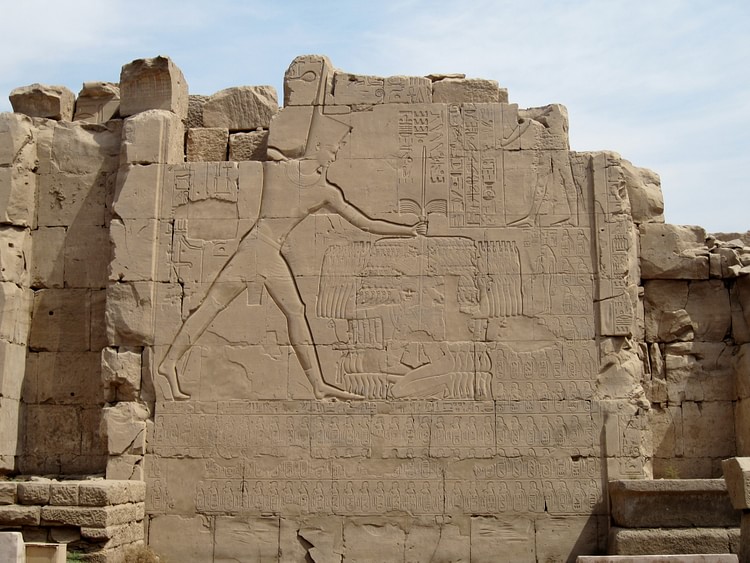
The 22nd Dynasty marked a more overt Libyan presence in Egyptian governance, with rulers openly adopting Libyan names. It was founded by Shoshenq I (943-922 BCE), a powerful figure who managed to reunify Egypt and launched ambitious military campaigns reminiscent of the New Kingdom’s imperial days. He is widely believed to be the biblical Shishak who sacked Jerusalem and plundered Solomon’s Temple, a claim supported by an inscription at Karnak detailing his campaign into Judah and Israel, despite the omission of Jerusalem itself.
Shoshenq I brought significant reforms, centralizing power by making the High Priesthood of Amun an appointed, rather than hereditary, position, thereby placing Thebes under royal control. His military successes revitalized Egypt’s economy and restored a semblance of its former glory. However, this unity proved ephemeral. Following Osorkon II (872-837 BCE), Egypt once again splintered into numerous smaller kingdoms, with self-styled monarchs ruling from Herakleopolis, Tanis, Sais, Memphis, Hermopolis, and Thebes. This fragmentation rendered the country vulnerable.
The Kushite Kings: The 24th and 25th Dynasties (c. 747-656 BCE)
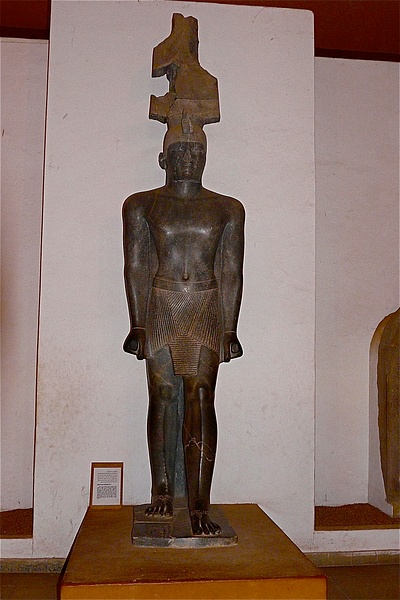
To the south, the Kingdom of Kush, with its capital at Napata, had long admired and adopted Egyptian culture. Recognizing Egypt’s disunity, the Kushite king Kashta (circa 750 BCE) strategically moved to exert influence. He had his daughter, Amenirdis I, appointed God’s Wife of Amun, effectively securing control over Thebes and Upper Egypt. With Lower Egypt in disarray, Kashta peacefully declared himself King of Upper and Lower Egypt, founding the 25th Dynasty, also known as the Nubian or Kushite Dynasty.
His son, Piye (747-721 BCE), solidified Kushite rule, conquering Lower Egypt after its kings challenged his authority. Piye’s successor, Shabaka (721-707 BCE), completed the unification, ruling from Sais to the south. The Kushite pharaohs, far from being foreign oppressors, deeply revered Egyptian civilization. They initiated building projects, preserved historical documents, and actively sought to restore ancient traditions. Shabaka’s son, Haremakhet, became High Priest of Amun, further cementing their commitment to Egyptian customs.
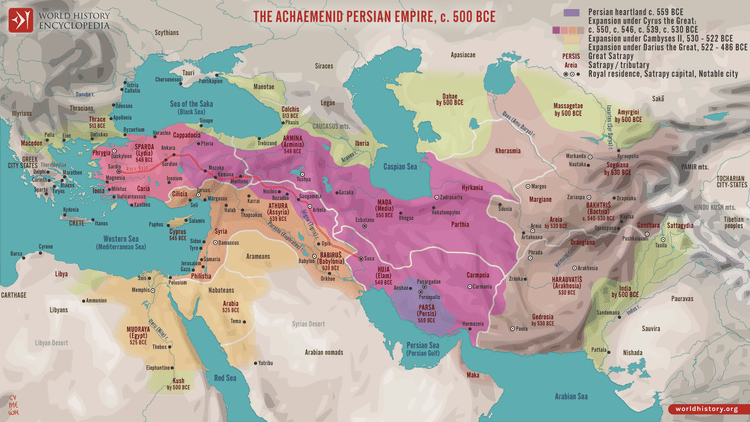
However, the Kushite rule brought Egypt into direct conflict with the burgeoning Assyrian Empire. Previous Egyptian campaigns in the Levant, particularly Shoshenq I’s, had removed buffer zones, bringing Egypt’s borders dangerously close to Assyrian dominion. Under Shabaka, Egypt sheltered Assyrian rebels, and under Shebitku (707-690 BCE), it supported Judah against Sennacherib. This defiance provoked the wrath of Assyria. Esarhaddon invaded in 671 BCE, capturing the family of the Kushite king Taharqa (c. 690-671 BCE) and forcing him to flee. Though Taharqa’s successor, Tantamani (circa 669-666 BCE), briefly reclaimed Egypt, the full might of Ashurbanipal descended in 666 BCE, leading to a decisive Assyrian conquest.
The Saite Renaissance: The 26th Dynasty (c. 664-525 BCE)
The Assyrians, content with tribute, installed Necho I (circa 666 BCE) as a puppet ruler. Upon Necho I’s death, his son Psammeticus I (circa 665-610 BCE) ascended the throne, founding the 26th Dynasty and initiating the Saite Period, with its capital at Sais. Psammeticus I, a shrewd leader, outwardly complied with Assyrian demands while meticulously planning their expulsion. By 656 BCE, he had launched a naval assault on Thebes, secured his daughter Nitocris I’s appointment as God’s Wife of Amun, and systematically eliminated Assyrian-aligned officials.
Psammeticus I successfully liberated Egypt from Assyrian rule and embarked on a monumental program of restoration and reform. This era is often regarded as a "Saite Renaissance," characterized by a conscious revival of Old and Middle Kingdom artistic and architectural styles, a flourishing economy, and a strong military. His son, Necho II (610-595 BCE), continued this legacy, famously commissioning a canal linking the Nile to the Red Sea and building a powerful navy with Greek mercenaries. He is also known for defeating King Josiah of Judah at the Battle of Megiddo.
Successive rulers, Psammeticus II (595-589 BCE), Apries (589-570 BCE), and Amasis II (570-526 BCE), maintained Egypt’s resurgence. Amasis II, a brilliant general and administrator, particularly propelled Egypt to new heights of prosperity, securing its borders, stimulating trade, and fostering cultural achievements. His reign represents the zenith of the Saite Period, restoring much of Egypt’s lost prestige.
The End of Autonomy: The Persian Invasion (525 BCE)
Amasis II was succeeded by his young and inexperienced son, Psammeticus III (526-525 BCE). This was a critical juncture, as the mighty Persian Empire, under Cambyses II, was casting its shadow over the Near East. According to Herodotus, a diplomatic slight involving a "fake wife" sent by Amasis to Cambyses fueled the Persian king’s desire for vengeance.
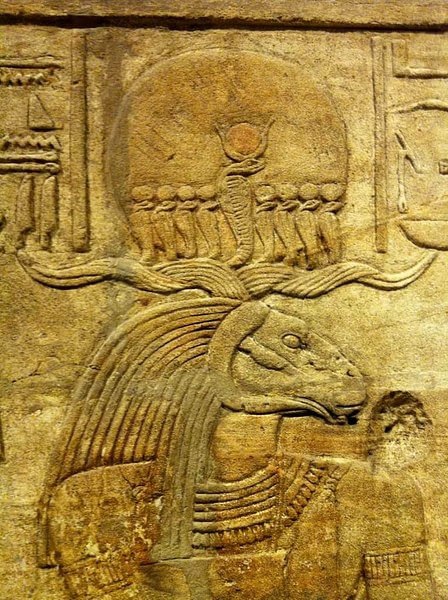
In 525 BCE, Cambyses II launched a full-scale invasion of Egypt. The decisive Battle of Pelusium, near the eastern Delta, became legendary. Knowing the Egyptians’ reverence for animals, especially cats (sacred to the goddess Bastet), Cambyses II reportedly had his soldiers paint images of Bastet on their shields and drove animals before them. The Egyptians, fearing sacrilege, hesitated to fight effectively and eventually surrendered. Psammeticus III was captured, his family executed, and he himself was later executed for fomenting revolt. With his death, the 26th Dynasty and, by traditional reckoning, the Third Intermediate Period, came to a definitive end.
Supporting Data: Cultural Currents and Economic Realities
The notion of the Third Intermediate Period as a cultural void is deeply flawed. Despite political fragmentation and foreign influence, Egyptian culture continued to evolve and flourish in distinct ways.
Artistic Innovation and Religious Evolution
Continuity of Burial Rites: Funerary practices, central to Egyptian belief, remained robust. Elaborate burial rites for the upper classes and royalty continued, producing impressive works of art. The royal tombs at Tanis, for instance, yielded exquisite sarcophagi and treasures, rivaling those of the New Kingdom.
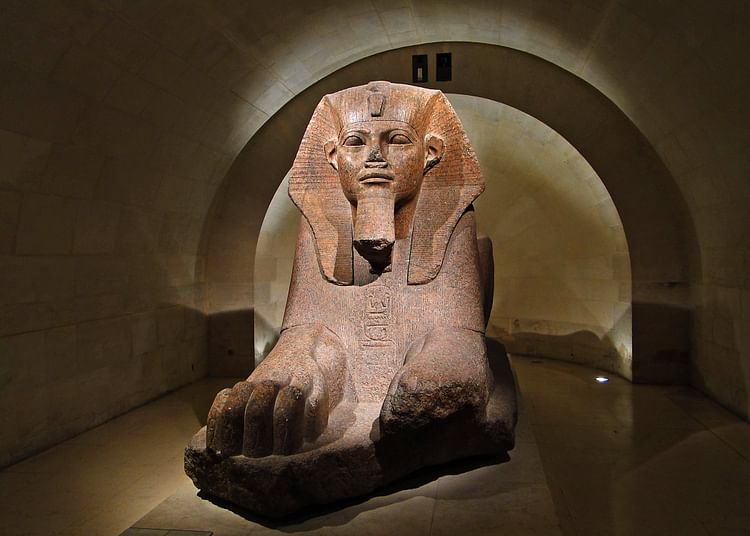
Mastery in Metalwork: The period saw striking innovation in craftsmanship, particularly in bronze, faience, silver, and gold. Intricate statuary, relief carvings, and inscriptions demonstrate a sophisticated artistic tradition, adapting and incorporating new influences while maintaining core Egyptian aesthetics.
Religious Shifts: Religious practices during the TIP saw a focus on the pharaoh as a son of god, leading to the development of the mammisi (birth house) – a local temple dedicated to the worship of a child god, often associated with the sun and part of a divine triad. While the cult of Amun remained powerful, especially at Thebes, the worship of Isis, often alongside Osiris and their child-god Horus, gained immense popularity. The cult of Isis would ultimately transcend Egypt, traveling to Rome and influencing early Christianity, highlighting its enduring significance beyond this period.
Economic Dynamics in a Divided Land
The decentralization of power brought inherent economic challenges. Without a strong central government to manage resources, ensure consistent trade policies, and orchestrate large-scale projects, economic stability could fluctuate wildly. However, this also fostered regional self-sufficiency and localized economic hubs.
Revitalization under Strong Leaders: Periods of unified rule, such as under Shoshenq I and especially Amasis II, saw significant economic revival. Amasis II, for example, expertly managed government spending, stimulated internal trade, and secured vital international trade routes.
Foreign Trade and Mercenaries: The necessity of defending against foreign invaders led to the increased use of foreign mercenaries, particularly Greeks, who were paid for their services, injecting foreign currency and goods into the economy. This also fostered new trade relationships and cultural exchanges.
Archaeological Insights: Unearthing a Complex Past
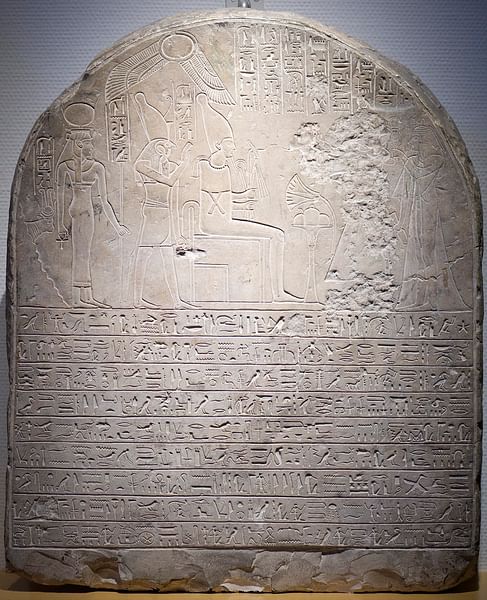
The scarcity of official records from the Third Intermediate Period has long complicated its reconstruction. Unlike earlier periods with their extensive royal archives and temple inscriptions, the TIP offers a fragmented documentary record. This is partly attributed to the fact that many administrative centers, like Tanis, were located in the marshy Delta region, where humid conditions accelerated the decay of papyri and other organic materials.
However, significant archaeological discoveries, such as the royal necropolis at Tanis, have been instrumental in revising perceptions. The tombs of Psusennes I and Shoshenq I, filled with gold, silver, and lapis lazuli, offered tangible proof of immense wealth and sophisticated craftsmanship, challenging the "dark age" narrative of poverty and cultural stagnation. These finds underscore that while the political landscape was fragmented, material culture and artistic expression continued to thrive.
Official Responses: Reassessing Historical Narratives
The traditional view of the Third Intermediate Period as a "dark age" of confusion and collapse is largely a product of early 20th-century Egyptology. Scholars of that era, often influenced by contemporary political ideals favoring strong, centralized governments, interpreted decentralized rule as inherently perilous and indicative of societal breakdown. The absence of a unifying "Middle Kingdom" or "New Kingdom" to follow the TIP further cemented its portrayal as a permanent decline, an "epilogue" from which Egypt never truly recovered its indigenous grandeur.
However, this interpretation has undergone substantial revision in recent decades. Modern Egyptologists, including scholars like John Taylor and Marc van de Mieroop, argue for a more nuanced understanding. They contend that all three intermediate periods, despite their political fragmentation, maintained a remarkable continuity of Egyptian culture. For the Third Intermediate Period specifically, the coexistence between Tanis and Thebes, the integration of Libyans, and the Kushite reverence for Egyptian traditions point to a period of adaptability and resilience rather than unmitigated chaos. Decentralization, in this view, was not necessarily a sign of weakness but an adaptive strategy that allowed regional centers to thrive and preserve cultural identity in the absence of a dominant central authority. The "dark age" myth is increasingly seen as an oversimplification that does a great disservice to an era that, despite its challenges, actively shaped and preserved Egyptian civilization.
Implications: A Legacy of Endurance and Foreign Influence
The Third Intermediate Period left an indelible mark on the trajectory of ancient Egypt, fundamentally altering its political landscape and cultural identity.
The Permanent Shift in Power Dynamics: The period cemented a lasting shift away from the absolute authority of the pharaoh as the sole intermediary between gods and men. The entrenched power of regional governors, military leaders, and especially the Amun priesthood, meant that even when Egypt was reunified, central authority was often challenged or shared. This decentralized tendency would resurface throughout the Late Period.
Setting the Stage for the Late Period and Hellenistic Rule: The experience of foreign invasion, first by the Kushites (who, while culturally appreciative, were still external rulers) and then by the Assyrians and Persians, permanently altered Egypt’s geopolitical standing. The repeated invasions demonstrated Egypt’s vulnerability and foreshadowed the continuous cycle of foreign domination that would define the Late Period, culminating in Greek (Ptolemaic) and later Roman rule. The Persian conquest of 525 BCE effectively ended indigenous Egyptian autonomy for centuries, transforming Egypt into a satrapy of vast empires.
The Enduring Spirit of Egyptian Culture Amidst Adversity: Despite the political fragmentation and foreign interventions, Egyptian culture proved remarkably resilient. Artistic traditions, religious beliefs (with shifts like the rise of Isis’s cult), and funerary practices not only persisted but often thrived and adapted. The Saite Renaissance itself was a testament to the enduring power of Egyptian heritage, attempting to restore past glories even as the world around it changed. This cultural endurance allowed Egypt to maintain a distinct identity even under successive foreign rulers, influencing the very empires that sought to control it.
Lessons from Decentralization and Adaptation: The Third Intermediate Period offers valuable insights into how ancient societies could adapt to profound political change. It demonstrates that "collapse" is often a relative term, and that cultural vitality can persist, and even evolve, in the absence of a unified state. The ability to integrate foreign elements, forge alliances, and adapt religious practices highlights a dynamic and flexible civilization rather than a stagnant one in terminal decline. Ultimately, the Third Intermediate Period was a transformative era, a complex tapestry of challenge and resilience that irrevocably shaped the future of one of the world’s greatest civilizations.