The Aesthetics of Excess: Why John Woo Believes Logic is the Enemy of Action Cinema
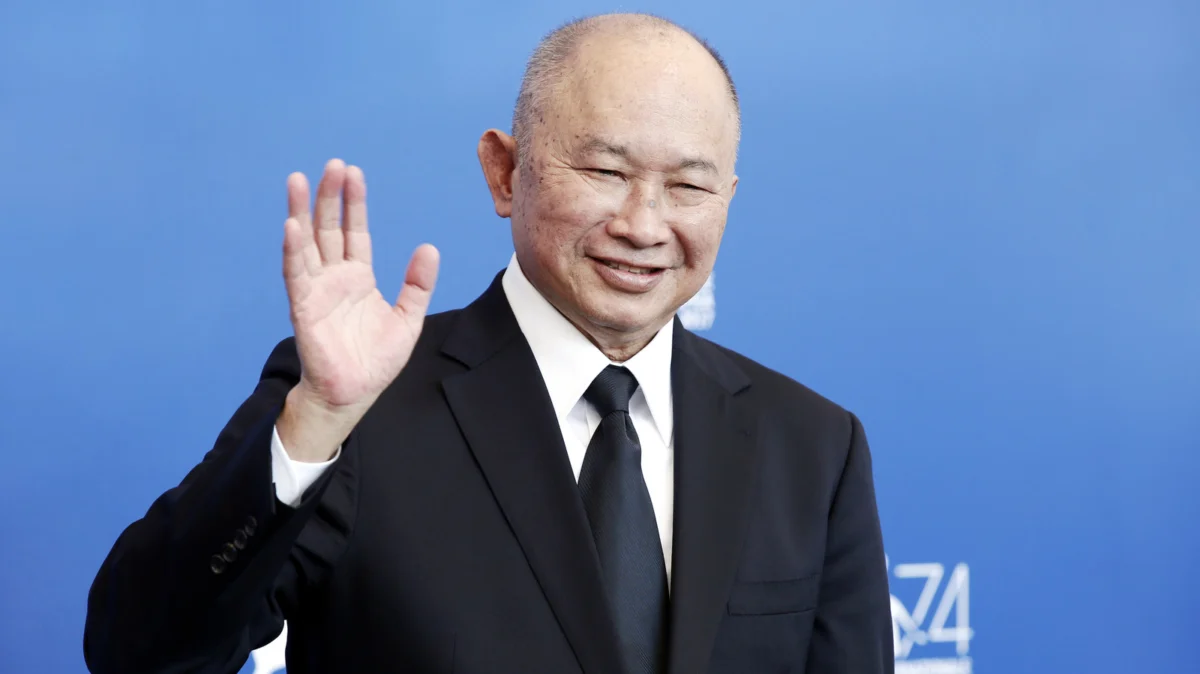
In the pantheon of global cinema, few directors have managed to turn the mechanical brutality of a shootout into a form of high art quite like John Woo. The legendary Hong Kong filmmaker, responsible for some of the most visceral and visually arresting action sequences in history, has long operated under a creative manifesto that prioritizes emotion, rhythm, and style over the rigid constraints of reality.
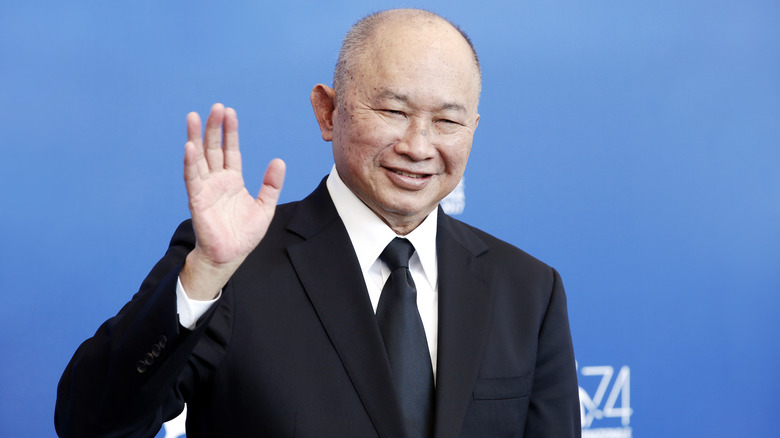
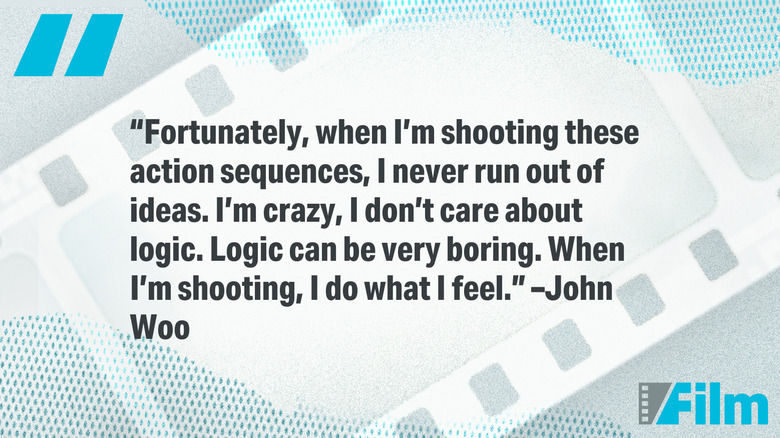
Recently, a resurfaced sentiment from Woo has sparked a wider conversation about the state of modern action filmmaking and the audience’s growing obsession with "realism." Speaking on the philosophy behind his most celebrated works, Woo famously remarked: "Fortunately, when I’m shooting these action sequences, I never run out of ideas. I’m crazy, I don’t care about logic. Logic can be very boring. When I’m shooting, I do what I feel."
This declaration is more than just a witty soundbite; it is the foundational principle of "Heroic Bloodshed," a subgenre Woo pioneered that transformed the landscape of international cinema. By examining Woo’s career, the technical "illogic" of his choreography, and the implications of his style on modern blockbusters, we can understand why his dismissal of boredom—and logic—remains his greatest gift to the medium.
The Architect of Gun-Fu: A Stylistic Revolution
John Woo did not merely direct action movies; he invented a visual language. Born in Guangzhou and raised in Hong Kong, Woo’s early career was shaped by the mentorship of wuxia legend Chang Cheh. From Cheh, Woo learned the importance of masculine bonding and the "death of the hero." However, it was Woo’s decision to marry the swordplay tropes of traditional Chinese opera with the gritty aesthetics of American film noir and the kinetic violence of Sam Peckinpah that birthed his signature style.
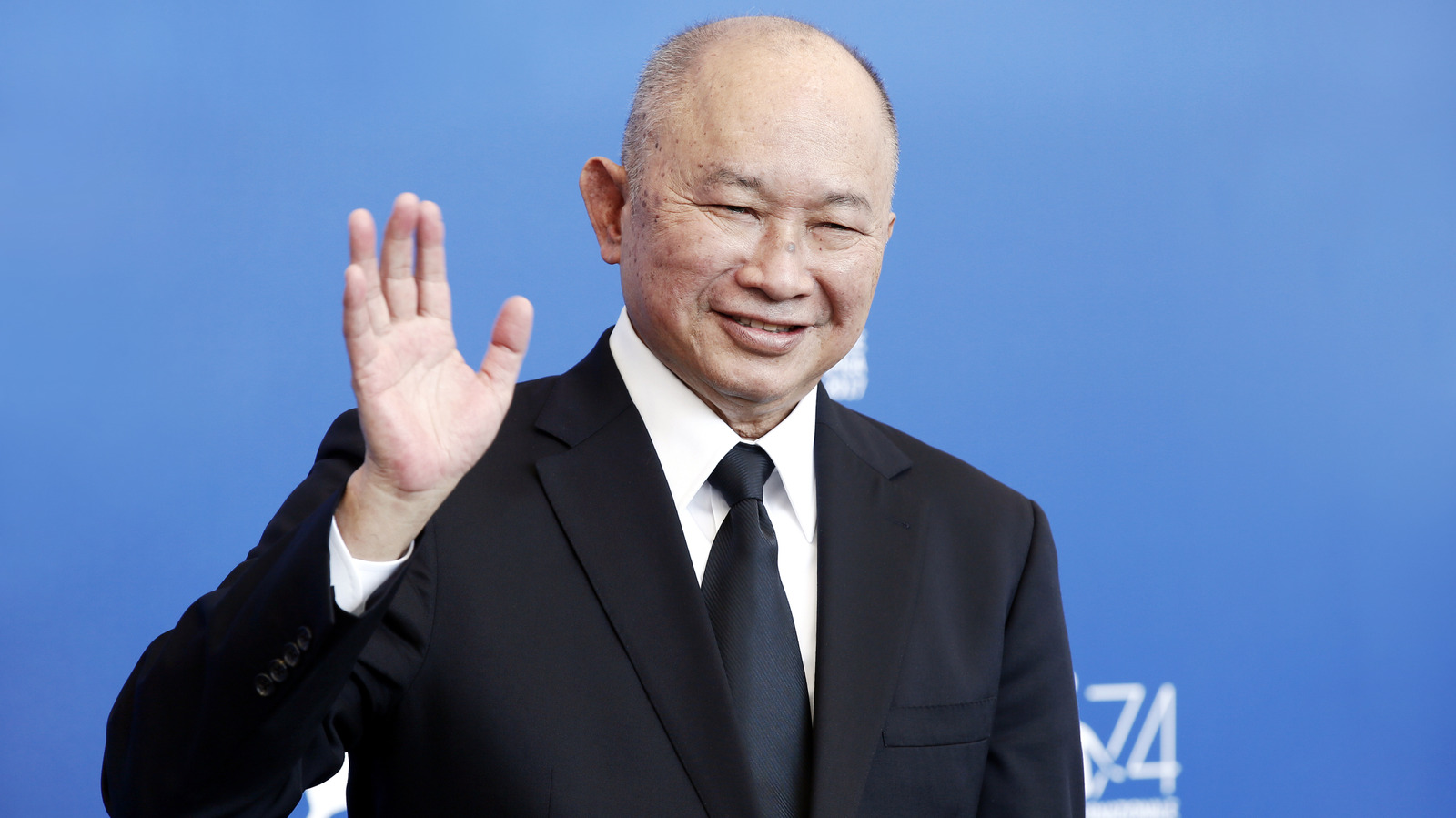
Known as "Gun-fu," this blend of firearm violence and martial arts choreography treats a gun not as a mere tool of destruction, but as an extension of the protagonist’s body—much like a sword in a samurai epic. In films such as A Better Tomorrow (1986) and The Killer (1989), Woo introduced the world to the "bullet ballet." His use of slow motion, dual-wielding pistols, and Mexican standoffs became iconic, influencing everything from video games like Max Payne to the high-octane sequences of the John Wick franchise.
Woo’s approach is often compared to that of a choreographer like Bob Fosse or a conductor like Herbert von Karajan. For Woo, a shootout is a dance. The flying sparks, the exploding glass, and the fluttering white doves are not there because they make sense in a tactical environment; they are there because they evoke a sense of tragic beauty.
Chronology of a Master: From Hong Kong to Hollywood and Back
The evolution of Woo’s "illogical" brilliance can be traced through several key phases of his career:
- The Formative Years (1970s – early 1980s): Woo spent years directing comedies and traditional martial arts films, honing his craft but feeling creatively unfulfilled.
- The Golden Era of Heroic Bloodshed (1986–1992): With the release of A Better Tomorrow, Woo found his voice. This period saw the release of his magnum opus, Hard Boiled (1992), a film that pushed the limits of practical effects and stunt work to their absolute breaking point.
- The Hollywood Leap (1993–2003): Woo transitioned to American cinema with Hard Target, followed by the massive success of Face/Off (1997) and Mission: Impossible II (2000). While Hollywood attempted to rein in his excesses, Woo’s signature flourishes—the slow-motion walks and the doves—remained.
- The Return to Epic Roots (2004–Present): Returning to Asia, Woo directed the historical epic Red Cliff, proving he could handle massive scale just as well as intimate gunfights. His most recent project, Silent Night (2023), returned to his experimental roots by telling a story entirely without dialogue.
Supporting Data: The Anatomy of the "Tea Room Shootout"
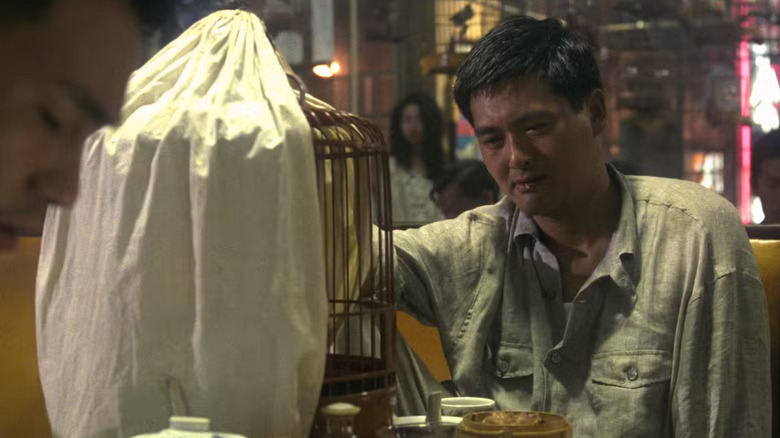
To understand Woo’s disdain for "boring logic," one must look at the data provided by his most famous sequence: the "Tea Room Shootout" from Hard Boiled. Starring his frequent collaborator Chow Yun-fat as Inspector "Tequila" Yuen, the scene is a masterclass in controlled chaos.
In this sequence, Tequila engages a gang of smugglers in a crowded, multi-level tea house. From a logical standpoint, the scene is impossible. The sheer volume of ammunition fired from Tequila’s dual Berettas exceeds any realistic magazine capacity. The physics of his slide down a banister while firing accurately at multiple targets defies the laws of momentum.
However, the "feeling" Woo sought to capture was one of overwhelming pressure and righteous fury. To achieve this, the production used:
- Hundreds of squibs: Small explosive charges used to simulate bullet hits on furniture and walls.
- Real Bird Cages: The use of cages and flying feathers added a layer of fragile innocence being destroyed by violence.
- Flour and Dust: Woo used white flour to accentuate the impact of bullets, creating a misty, dreamlike atmosphere amidst the carnage.
By ignoring the "logic" of a standard police raid, Woo created a sequence that is still studied in film schools today as the pinnacle of practical action directing.
Official Responses: The Philosophy of Feeling
The quote "Logic can be very boring" originated from the director’s commentary for Hard Boiled, but it has been echoed in various interviews throughout his fifty-year career. Woo has often stated that he views himself as a romantic. In his eyes, the characters he portrays—hitmen with codes of honor, or cops who sacrifice everything for justice—are modern-day knights.
When critics point out the absurdity of his films—such as the plot of Face/Off, where a hero and villain literally swap faces—Woo’s response is consistently rooted in the emotional truth of the moment. For Face/Off, the logic of the surgery was secondary to the operatic exploration of identity and family.
"If I stay in the logic, I lose the rhythm," Woo once explained in a DGA interview. "In a musical, people don’t ask why the characters are suddenly singing in the street. In my movies, the action is the song." This perspective shifts the burden of proof from the director to the audience; it asks the viewer to stop "watching" the movie and start "feeling" it.
Implications: The Crisis of Modern Realism and Media Illiteracy
John Woo’s philosophy serves as a vital counterpoint to a troubling trend in modern media consumption. In the age of "cinema-sins" culture and YouTube "nitpickers," audiences have become increasingly obsessed with "plot holes" and "logic gaps." This demand for narrative fiction to mirror the mundane rules of reality is, as Woo suggests, killing creativity.
1. The Death of the Visual Metaphor
When audiences demand that every action have a logical explanation (e.g., "Where did he get that extra magazine?"), directors are forced to spend screen time on exposition rather than expression. Woo’s use of doves is a perfect example. Logically, there is no reason for a flock of birds to fly through a church during a gunfight. Emotionally, they represent the flight of the soul and the presence of God in a place of death. If Woo had prioritized logic, one of the most iconic images in cinema history would never have existed.
2. The Rise of Media Illiteracy
The push for realism often leads to a misunderstanding of cinematic language. Modern viewers frequently mistake "depiction" for "endorsement" or "unrealism" for "bad writing." By rejecting logic, Woo forces the audience to engage with the film as a work of art rather than a technical manual. His films require a high degree of "suspension of disbelief," a muscle that many modern audiences are letting atrophy.
3. The Legacy of Influence
Without John Woo’s illogical approach, we would not have the gravity-defying stunts of The Matrix or the neon-soaked "Gun-fu" of John Wick. Directors like the Wachowskis and Chad Stahelski understood that the "cool factor"—that intangible sense of awe—is more important than a realistic depiction of ballistics. The global success of these franchises proves that, deep down, audiences still crave the spectacular over the sensible.
Conclusion: The Beauty of the "Crazy" Director
John Woo’s admission that he is "crazy" and "doesn’t care about logic" is not an admission of sloppiness. Rather, it is the declaration of a master who has mastered the rules so thoroughly that he knows exactly when to break them.
In a world where media is increasingly sanitized, focus-grouped, and polished into a dull sheen of "believability," Woo’s work stands as a reminder of what cinema can be when it is allowed to be wild. As we look forward to the future of the action genre, we can only hope that more filmmakers take a page from Woo’s book. After all, if we wanted logic, we could stay at home and look at our bank statements. We go to the movies to see a man slide down a banister with two guns blazing while white doves fly through the air—because, as John Woo knows, anything less would be very boring indeed.