
The Lilac Revolution: Reclaiming the Legacy of Kutt Magazine
The early 2000s were a transformative, if often overlooked, period for queer media. Long before the algorithmic curation of social media and the mainstreaming of "Pride" as a corporate marketing season, queer culture lived in the tactile, ink-stained world of independent zines. Among the most influential, yet elusive, of these publications was Kutt. Originally published between 2002 and 2003, the magazine served as a defiant, high-aesthetic "dyke" counterpart to the legendary Butt Magazine.
Now, two decades after its final issue hit the shelves of niche boutiques and underground bookstores, Kutt is returning to the public eye. The London-based publisher and cultural tastemaker, Idea, has announced the release of a comprehensive facsimile edition, bound as a single volume. This reissue reproduces all three original issues page-for-page, offering a new generation of readers and collectors a window into a specific, radical moment in lesbian history.
Main Facts: The Return of a Cult Artifact
The reissue of Kutt is more than a simple reprint; it is an act of cultural archaeology. Compiled into a single, high-quality volume, the facsimile edition brings back a publication that had become nearly impossible to find on the secondary market. According to Idea, Kutt has long been one of the most frequently requested out-of-print titles in their archive, fetching high prices among collectors of fashion and indie-media history.
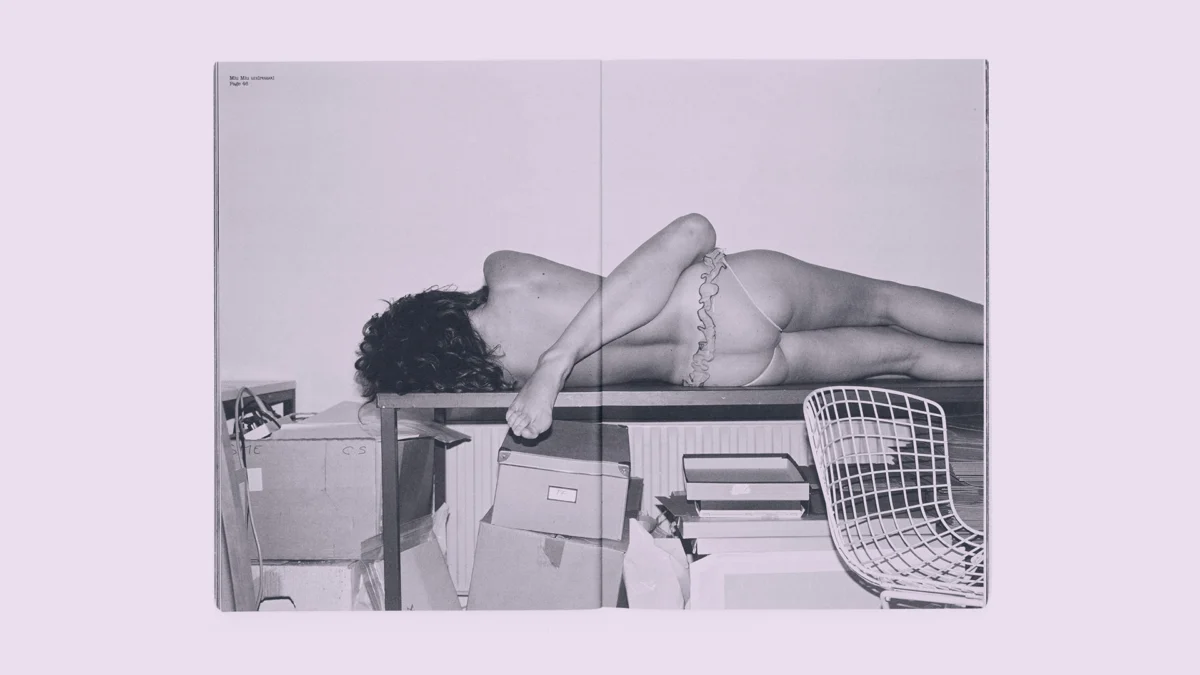
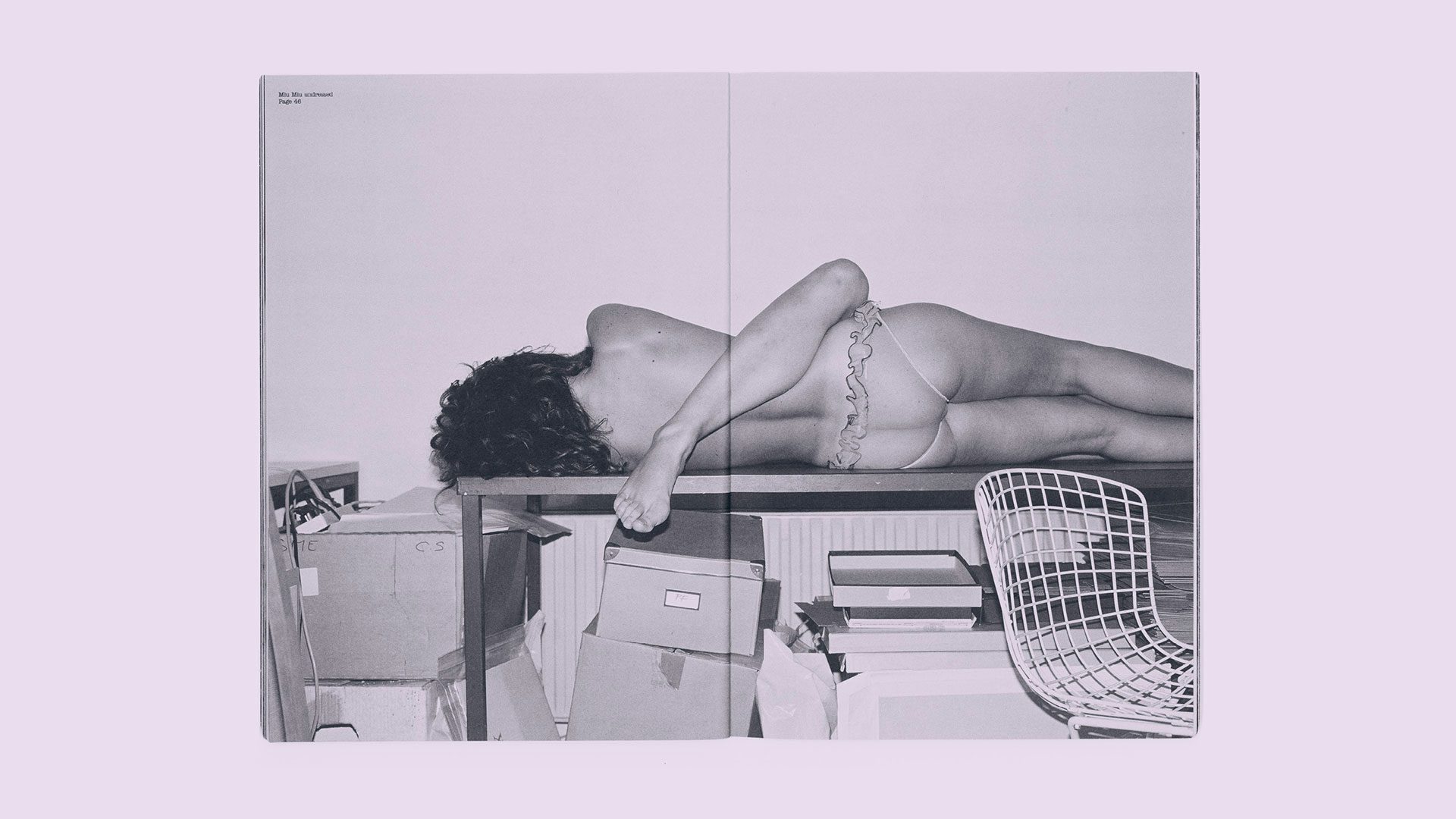
Founded by Jessica Gysel, Kutt was defined by its "unapologetic, punkish attitude" and a visual identity that was instantly recognizable. While many queer publications of the era leaned into a glossy, heteronormative-adjacent aesthetic to court mainstream advertisers, Kutt went in the opposite direction. It was printed on distinctive lilac-hued paper, a color choice that became synonymous with the publication’s identity—soft yet subversive.
The magazine’s contributor list remains a "who’s who" of early-2000s creative talent. From the photography of Martien Mulder to the presence of indie-film icon Chloë Sevigny, Kutt captured the intersection of fashion, art, and lesbian identity during a time when those worlds rarely overlapped in the public sphere.
Chronology: From Underground Zine to Archival Treasure
2001–2002: The Genesis
In the late 1990s and early 2000s, the "zine" scene was the primary heartbeat of queer creative expression. Butt Magazine, launched in 2001 by Gert Jonkers and Jop van Bennekom, had revolutionized the way gay men were portrayed—moving away from sanitized imagery toward a raw, candid, and often erotic realism.
Jessica Gysel, seeing the success and cultural impact of Butt, recognized a vacuum in the media landscape for queer women. While lesbian magazines existed, they often felt disconnected from the burgeoning "indie-sleaze" and high-fashion circles of the time. In 2002, Gysel launched Kutt as a lesbian counterpart, adopting a similar focus on authentic portraiture and long-form, conversational interviews.
2002–2003: The Three Issues
Kutt only produced three issues during its original run. Despite this brevity, its impact was immediate. It operated out of the cultural underground, distributed through a tight-knit network of international stockists.
- Issue 1 (2002): Established the "lilac" aesthetic and featured Chloë Sevigny, signaling the magazine’s connection to the avant-garde film and fashion worlds.
- Issue 2 & 3: Continued to push the boundaries of lesbian visibility, featuring contributors like Martien Mulder and focusing on subjects who were influential in the art and fashion scenes of Amsterdam, Paris, and New York.
2004–2023: The Long Hiatus and Cult Growth
After 2003, Kutt ceased publication as Gysel moved on to other projects, most notably founding Girls Like Us in 2005—a publication that expanded on the themes of Kutt with a more intersectional, feminist, and arts-focused lens. During these two decades, Kutt transitioned from a contemporary zine to a mythical artifact. As digital media rose, the physical copies of Kutt became "holy grails" for queer historians and fashion students.
2024: The Idea Reissue
Recognizing the enduring relevance of the magazine’s aesthetic and its historical importance, Idea—a publisher known for reviving lost icons of style—partnered with Gysel to create the facsimile edition. The reissue coincides with a broader cultural resurgence of interest in Y2K-era queer history and the "indie" publishing movement.
Supporting Data: The Aesthetic and Contributor Roster
The significance of Kutt is rooted in its refusal to conform to the "lesbian chic" trends of the early 2000s. Instead, it embraced a DIY, punk-inflected aesthetic that felt both timeless and hyper-specific to its era.
The Visual Language
- The Lilac Paper: The choice of lilac-colored pages was a deliberate departure from the standard white or pink associated with women’s magazines. It gave the publication a muted, sophisticated, yet undeniably "queer" feel.
- Photography Style: The imagery in Kutt was characterized by a lack of over-retouching. It favored natural lighting, candid poses, and a sense of intimacy between the photographer and the subject.
- Typography: The magazine utilized a clean, often minimalist layout that allowed the photography and the interviews to breathe, a hallmark of the Dutch design influence (Gysel is based in Brussels, but the magazine shared DNA with the Amsterdam-centered Butt).
Notable Contributors
The magazine served as a platform for artists who would go on to become household names in the creative industries. Martien Mulder’s photography for Kutt is often cited as some of the most evocative work of the period. The inclusion of Chloë Sevigny—the quintessential "cool girl" of the era—helped bridge the gap between the lesbian underground and the broader world of independent cinema and fashion.
Official Responses: Reflections on Visibility
Founder Jessica Gysel has been vocal about the differences between the media landscape of the early 2000s and today. In reflecting on the reissue, she emphasizes that Kutt was born out of a necessity for a community that was largely invisible in the mainstream.
“There’s a lot more lesbian visibility now than there was in the early 2000s,” Gysel told Creative Review. “At that time, we were really part of the underground.”
Her comments highlight a crucial distinction in queer history. Today, "visibility" is often mediated through social media platforms and corporate sponsorships. In 2002, visibility was a manual process—it required the physical act of printing a magazine, distributing it by hand, and creating spaces where queer women could see themselves reflected without the filter of the male gaze or commercial interests.
Idea, the publisher behind the reissue, noted that Kutt represents a "pure" form of independent publishing. They described the magazine as being among the "rarest and most frequently requested" items in their inventory, suggesting that the modern appetite for the magazine is driven by a desire for the authenticity that defined the pre-social-media era.
Implications: Why Kutt Matters in 2024
The reissue of Kutt by Idea carries several significant implications for the contemporary cultural landscape.
1. The Archival Turn in Queer Culture
There is a growing movement to document and preserve queer history that exists outside of mainstream narratives. The Kutt facsimile edition serves as a tangible archive of lesbian life at the turn of the millennium. It preserves not just the faces and stories, but the feeling of the era—the paper stock, the layout, and the specific "cool" that defined a generation of queer creatives.
2. The Fetishization of the Physical
In an age of digital ephemeralness, the revival of a physical zine speaks to a broader "analog boom." Collectors and younger generations (Gen Z, in particular) are increasingly drawn to physical media as a way to connect with history. The fact that Kutt is being reissued as a high-end volume by Idea suggests that the "zine" has been elevated from a cheap, disposable item to a prestigious object of art.
3. Redefining "Cool"
Kutt was instrumental in defining a specific aesthetic that is currently seeing a massive revival: "Indie Sleaze." By bringing these issues back into circulation, the reissue provides the original source material for an aesthetic that is often imitated today. It reminds the fashion and art worlds that the roots of this "cool" were deeply queer and rooted in lesbian subculture.
4. A Blueprint for Future Media
The success of the Kutt reissue may encourage other publishers to look into their archives. It proves that there is a market for niche, historical queer media. For contemporary queer creators, Kutt serves as a blueprint for how to build a community-focused publication that prioritizes artistic integrity over mass-market appeal.
Conclusion
The return of Kutt is more than a nostalgic trip back to 2002; it is a vital reconnection with a radical spirit of independent publishing. Through the efforts of Jessica Gysel and the curated eye of Idea, this lilac-hued relic has been given a second life. As it finds its way onto the coffee tables of a new generation, Kutt continues to do what it did best two decades ago: asserting the presence of the lesbian underground with style, grit, and an unapologetic sense of self. In the words of its founder, the underground may have evolved, but the need for authentic, uncompromising spaces—whether in print or in person—remains as urgent as ever.



Leave a Comment