
The Poetry of the P.I.: How ‘Spider-Noir’ Resurrects the Golden Age of Film Noir Through ‘Double Indemnity’
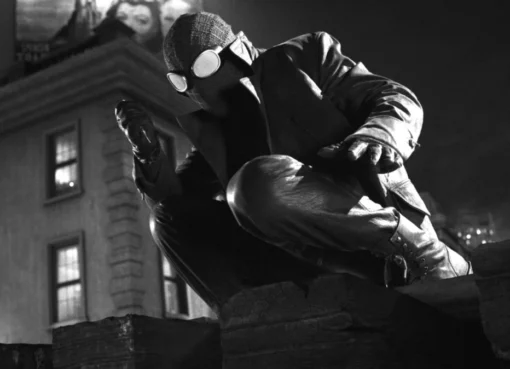
The intersection of superhero mythology and the grit of 1930s hardboiled fiction has found its most sophisticated expression to date in Prime Video’s Spider-Noir. Starring Academy Award winner Nicolas Cage as Ben Reilly—a weathered, disillusioned private investigator in a Great Depression-era New York—the series is more than a mere spin-off of the Spider-Verse franchise. It is a meticulous stylistic homage to the cinematic language of the 1940s.
Recent analysis of the series’ second episode reveals that the showrunners are not merely skimming the surface of the genre; they are engaging in deep-tissue tributes to the classics. Most notably, a pivotal opening exchange in Episode 2 serves as a direct reference to Billy Wilder’s 1944 masterpiece Double Indemnity, signaling a sophisticated narrative bridge between modern comic book tropes and the cynical poetry of Raymond Chandler.
I. Main Facts: A Dialogue of Shadows
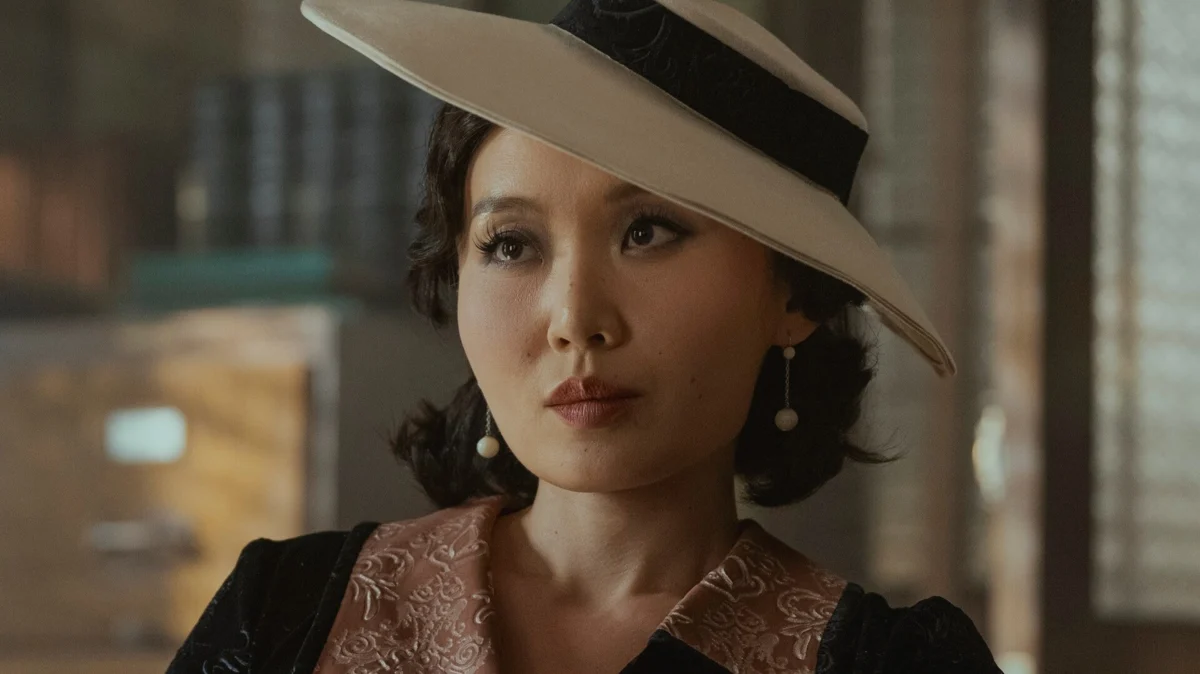
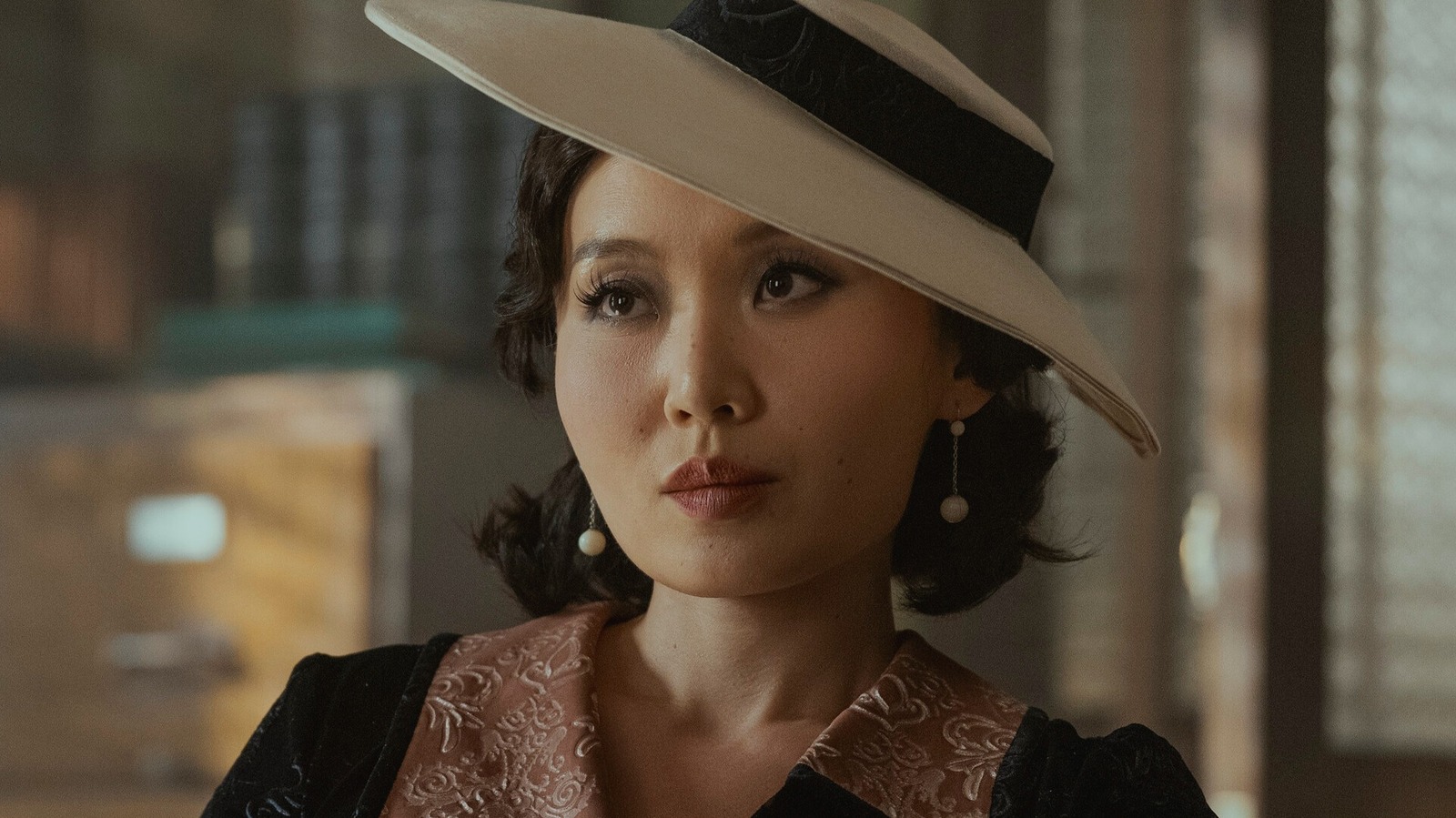
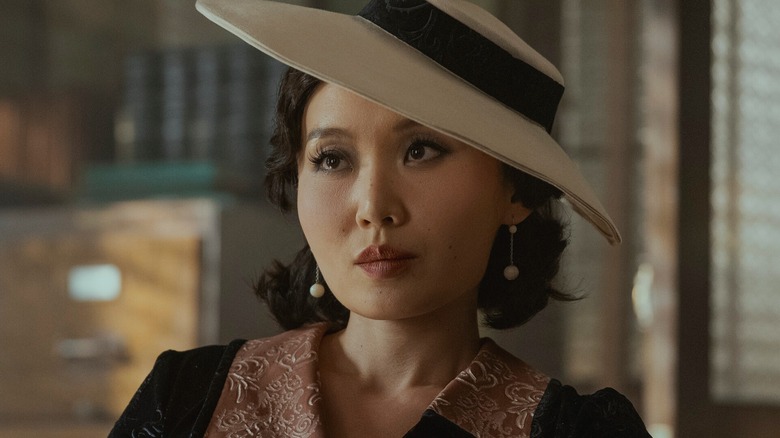
In the opening minutes of Spider-Noir Episode 2, the series cements its identity as a "hardboiled" detective story. The scene features a high-stakes conversation between Ben Reilly (Cage) and Cat Hardy (played by Li Jun Li), a morally ambiguous nightclub singer who embodies the classic femme fatale archetype.
The dialogue utilizes a rhythmic, "what-if" structure that mirrors the iconic verbal sparring found in Double Indemnity. Specifically, when Hardy asks, "Do you think I’m withholding from you, Mr. Reilly?" and Reilly responds with, "What if I said I did?", the series is directly invoking the ghost of Walter Neff and Phyllis Dietrichson.
The Source Material: ‘Double Indemnity’
Released in 1944, Double Indemnity is widely considered the quintessential film noir. Directed by Billy Wilder and co-written by the legendary novelist Raymond Chandler, the film is famous for its rapid-fire, double-entendre-laden dialogue. The "I wonder if you wonder" scene between Fred MacMurray and Barbara Stanwyck established a blueprint for sexual tension masked as investigative banter—a blueprint that Spider-Noir adopts to define the relationship between Reilly and Hardy.
II. Chronology: The Evolution of Ben Reilly
To understand the weight of this homage, one must look at the chronological development of the character and the narrative arc leading to the Episode 2 encounter.
- The Comic Origins (2009): The character of Spider-Man Noir was introduced in a Marvel limited series that reimagined Peter Parker in 1933. This version was grittier, used firearms, and dealt with social injustice during the Depression.
- The Cinematic Debut (2018): Nicolas Cage voiced the character in Spider-Man: Into the Spider-Verse, providing a comedic yet brooding take on the "black-and-white" hero.
- The Live-Action Transition (Episode 1): The Prime Video series introduces us to an older Ben Reilly who has long since retired "The Spider" mask. He is struggling with poverty and a loss of purpose in a corrupt New York. The premiere ends with Reilly being forced to use his dormant powers against Flint Marko (Jack Huston), a bodyguard with sand-based abilities.
- The Catalyst (Episode 2): Following the disappearance of Marko, Cat Hardy enters Reilly’s office. This meeting serves as the narrative engine for the rest of the season, shifting the show from a character study into a full-blown conspiracy thriller.
III. Supporting Data: The Chandleresque Influence and Genre Tropes
The "Double Indemnity" reference is not an isolated Easter egg; it is symptomatic of the show’s broader commitment to the writings of Raymond Chandler. Chandler’s work—such as The Big Sleep and The Lady in the Lake—is characterized by a specific brand of existential malaise mixed with sharp, cynical wit.
The "What-If" Mechanism
In film noir, dialogue is rarely about the exchange of information; it is a power struggle. The "what-if" retorts used in Spider-Noir serve three distinct functions:
- Subtextual Courtship: It allows characters to flirt without breaking the professional veneer of the P.I.-client relationship.
- Deflection: It allows the femme fatale to test the detective’s intelligence and moral compass.
- Rhythmic Pacing: It mimics the staccato delivery of 1940s cinema, distinguishing the show from the more naturalistic dialogue of contemporary superhero media.
Visual and Narrative Archetypes
The series leverages "supporting data" from the history of noir to flesh out its world:
- The Femme Fatale: Li Jun Li’s Cat Hardy is the modern successor to Barbara Stanwyck. Her character is built on the "calculated affection" trope—where a woman uses her charm to ensnare a man into a criminal conspiracy.
- The Enforcer: Jack Huston’s Flint Marko provides a bridge between noir "muscle" and comic book "super-villainy." By grounding a character like Sandman in the role of a mob bodyguard, the show maintains its gritty atmosphere while satisfying the requirements of the Marvel brand.
IV. Official Responses: The Creative Vision of Nicolas Cage
Nicolas Cage has been vocal about his approach to the role, emphasizing that he is playing a character who is a composite of different cultural icons. In an interview with Esquire, Cage described his performance as being "70 percent [Humphrey] Bogart, and 30 percent Bugs Bunny."
The "Bogart" Element
Cage’s reference to Bogart (the star of The Maltese Falcon and Casablanca) explains the gravitas and world-weariness he brings to Ben Reilly. The character’s disillusionment stems from a personal tragedy that occurred after he abandoned the Spider-Man moniker. This "lost optimism" is a staple of the noir protagonist—a man who once believed in the law but now only believes in survival.
The Aesthetic Choice: Monochrome vs. Color
The production team made a bold creative decision to offer the series in both monochrome and color. Showrunners have noted that while the color version highlights the "pulp" elements of the comic book origins, the black-and-white version is the intended way to experience the Double Indemnity homages. The use of chiaroscuro lighting—heavy shadows and high-contrast highlights—is essential to the noir aesthetic, as it visually represents the moral ambiguity of the characters.
V. Implications: The Future of Genre-Bending in Streaming
The success of Spider-Noir and its high-brow references to Billy Wilder and Raymond Chandler suggests a significant shift in how studios approach superhero content.
1. The "Prestige-ification" of Comics
By leaning into the history of cinema and literature, Spider-Noir appeals to an older, more cinephilic audience that might otherwise be fatigued by the standard Marvel Cinematic Universe formula. It treats the "superhero" element as a secondary layer to a primary genre exercise (in this case, the hardboiled detective story).
2. The Preservation of the Noir Legacy
For younger audiences, Spider-Noir serves as an introductory gateway to the classics of the 1940s. By referencing Double Indemnity, the show encourages viewers to seek out the origins of these tropes, potentially revitalizing interest in the Golden Age of Hollywood.
3. A New Model for the "Spider-Verse"
The Sony/Marvel partnership is expanding beyond the "multiverse" concept into "genre-verse" territory. If Spider-Noir succeeds by being a detective thriller, it opens the door for other variants to explore horror, western, or political thriller genres with similar stylistic rigor.
Conclusion
Spider-Noir is a rare example of a franchise property that respects its ancestors as much as its source material. The Episode 2 opening scene is more than just clever writing; it is a bridge across eighty years of storytelling. By placing Nicolas Cage’s Ben Reilly in the shadow of Fred MacMurray’s Walter Neff, Prime Video has created a series that is as much a lesson in film history as it is an evolution of the Spider-Man mythos. In this seedy corner of Depression-era New York, the greatest power is not the ability to climb walls, but the ability to survive a conversation with a dangerous woman.


Leave a Comment