Hagia Sophia: An Enduring Monument Facing the Test of Time and Tremors
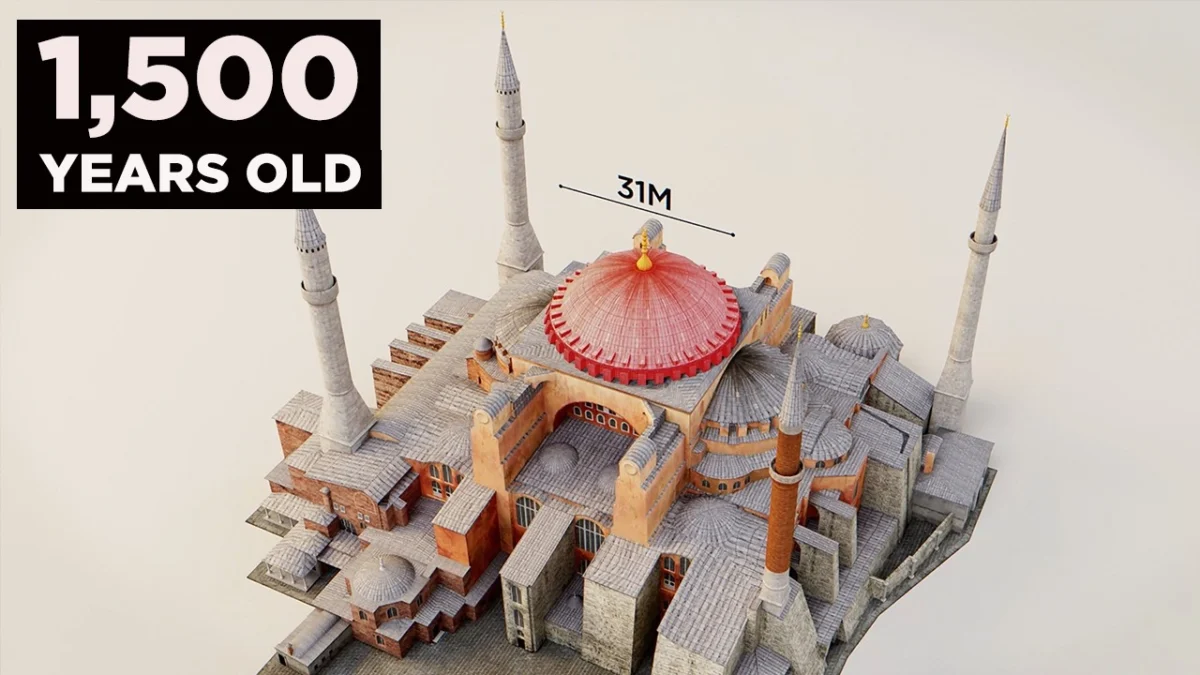
Istanbul, Turkey – June 11, 2026 – Few structures in the world resonate with the weight of history and architectural ambition quite like the Hagia Sophia in Istanbul. A testament to centuries of evolving empires, faiths, and artistic expression, this iconic edifice stands not only as a symbol of Istanbul but as a living chronicle of human civilization. Yet, beneath its majestic dome lies a profound vulnerability: its susceptibility to the seismic forces that have shaped and threatened this ancient city for millennia. This ongoing reality has propelled a meticulous and vital undertaking: the seismic retrofitting of the Hagia Sophia, an effort to safeguard this irreplaceable monument for generations to come.
While Istanbul is globally recognized for its rich historical tapestry, including its former identity as Constantinople, its precarious position atop active fault lines often escapes general awareness. This geological reality, however, is intrinsically linked to the very survival of the Hagia Sophia. The structure, which has transitioned from a cathedral to a mosque, then a museum, and most recently back to a mosque, has endured repeated seismic damage throughout its long existence. The current engineering endeavors, detailed in a compelling new video by The B1M, underscore the critical importance of preserving this architectural marvel.
The Genesis of a Masterpiece: Engineering for Eternity
The construction of the Hagia Sophia, initiated in the 4th century, was a feat of engineering that pushed the boundaries of its time. Its design, particularly the revolutionary central dome and the intricate system of supporting semi-domes, was a bold response to the need for a vast, unobstructed interior space capable of accommodating immense congregations. This groundbreaking architectural solution, however, also laid the groundwork for its recurring vulnerability to seismic activity.
The video delves into the construction of this iconic dome, a complex interplay of arches, pendentives, and supporting structures designed to distribute immense weight. The challenges of its initial construction were immense, requiring innovative techniques to span such a large area and achieve the desired height. The resulting form, while breathtaking, inherently possesses a degree of flexibility that, under the violent shaking of an earthquake, can lead to catastrophic structural failure.
A Chronicle of Resilience: Enduring Earthquakes Through the Ages
The history of the Hagia Sophia is indelibly marked by the destructive power of earthquakes. Since its earliest iterations, the structure has suffered significant damage on multiple occasions. Perhaps the most dramatic incident occurred in 558, when the original dome, built with a lighter construction, experienced a complete collapse. This catastrophic event necessitated a complete rebuild, and it was during this reconstruction that the more robust, slightly steeper dome that we recognize today was erected.
Further seismic events in the 10th and 14th centuries also inflicted partial collapses, underscoring the persistent threat posed by the region’s geological instability. Each of these episodes not only tested the structural integrity of the building but also spurred advancements in its repair and reinforcement, contributing to its layered architectural history. These repairs and modifications, often undertaken with the knowledge and materials available at the time, represent a continuous dialogue between the monument and the forces of nature.
Echoes of Antiquity: Recycled Splendor and Imperial Foundations
Beyond its structural innovations, the Hagia Sophia is a repository of historical artifacts and architectural elements salvaged from even older wonders. Host Fred Mills highlights the presence of eight magnificent green marble columns that grace the upper levels of the structure. These columns are widely believed to have been repurposed from the ruins of the Temple of Artemis at Ephesus, one of the Seven Wonders of the Ancient World. Their inclusion in the Hagia Sophia speaks to a deliberate act of historical continuity and a desire to imbue the new structure with the prestige of ancient marvels.
The floor also holds historical significance, featuring red stone embedded in its surface. This stone, brought from the Egyptian desert, was once the very spot where Byzantine emperors were crowned. It serves as a tangible link to the imperial rituals and ceremonies that once took place within these hallowed walls, further cementing the Hagia Sophia’s role as a stage for pivotal historical events. These recycled elements are not merely decorative; they are material embodiments of the past, woven into the fabric of the present.
A Living Tapestry: Witness to Civilizations
The Hagia Sophia transcends its identity as a place of worship or a museum. It stands as a veritable built record, a palimpsest bearing the imprints of Roman, Greek, Christian, and Islamic civilizations. Its architecture, its mosaics, its inscriptions, and even the very stones that compose its walls tell a story of cultural exchange, religious evolution, and the rise and fall of empires.
The scaffolding currently visible around the structure is a stark reminder of its ongoing vulnerability and the proactive measures being taken to ensure its longevity. The "big one," as the anticipated major earthquake is often referred to, is a constant concern for Istanbul, and by extension, for the Hagia Sophia. The current retrofitting project is a testament to humanity’s enduring desire to preserve its heritage, a recognition that this monument is more than just stone and mortar; it is a vessel of collective memory.
The ongoing restoration efforts are comprehensive, addressing not only the critical structural elements like the dome but also the intricate floors, the stately columns, and the breathtaking mosaics that adorn its interior. The aim is to reinforce the building against seismic stress while meticulously preserving its historical and artistic integrity. If successful, these endeavors will ensure that the Hagia Sophia continues to stand as a beacon of architectural brilliance and historical significance, gracing Istanbul’s dramatic urban and geographical landscape for another millennium and a half, perpetually incorporating its rich past into its enduring present.
The Seismic Challenge: Engineering for a Shifting Earth
Istanbul’s position on the North Anatolian Fault Zone places it among the world’s most seismically active regions. The Hagia Sophia, with its massive unsupported spans and inherent structural complexities, is particularly susceptible to the amplified forces generated by earthquakes. The inherent dynamism of its construction, while innovative for its time, presents significant challenges for modern seismic engineering.
The video from The B1M likely details the specific engineering strategies employed in the retrofitting process. This could include:
- Foundation Strengthening: Assessing and reinforcing the foundation to ensure it can withstand the lateral forces of an earthquake. This might involve deep pilings, soil stabilization techniques, or the installation of base isolation systems.
- Dampening Systems: The implementation of advanced dampening technologies, such as tuned mass dampers or viscous dampers, designed to absorb seismic energy and reduce the swaying motion of the structure. These systems act as shock absorbers, dissipating the destructive forces of an earthquake before they can cause significant damage.
- Reinforcement of Key Structural Elements: Identifying and reinforcing critical load-bearing elements, including the dome, pendentives, and supporting walls. This could involve the use of advanced composite materials, steel reinforcement, or new construction techniques that enhance the ductility and strength of these components.
- Crack Repair and Sealing: Meticulous repair of existing cracks and the sealing of the structure to prevent water ingress, which can further weaken the building over time.
- Monitoring Systems: The installation of sophisticated sensor networks to continuously monitor the structural health of the Hagia Sophia, providing real-time data on its performance during seismic events and allowing for immediate assessment of any damage.
The challenge lies not only in understanding the physics of earthquakes but also in applying these principles to a structure that is a work of art as much as an engineering marvel. The retrofitting must be sensitive to the historical fabric of the building, avoiding any interventions that would detract from its aesthetic or historical value.
Official Responses and Global Significance
The ongoing efforts to preserve the Hagia Sophia are not merely a local concern; they represent a global commitment to safeguarding cultural heritage. International organizations and architectural historians have long recognized the monument’s unparalleled significance. While specific official statements from Turkish authorities or international heritage bodies regarding the current retrofitting project were not detailed in the original text, the undertaking itself signifies a robust official response to a known threat.
The Turkish Ministry of Culture and Tourism, along with national and international architectural conservation agencies, would undoubtedly be involved in overseeing and funding such a monumental project. The presence of the scaffolding and the extensive engineering work are public affirmations of the government’s dedication to protecting this national treasure.
Furthermore, the Hagia Sophia’s designation as a UNESCO World Heritage site places it under the purview of international conservation standards and expectations. Any significant structural work would likely be subject to review and approval by UNESCO to ensure adherence to best practices in heritage preservation.
Implications for the Future: A Monument to Endure
The seismic retrofitting of the Hagia Sophia carries profound implications for the future of Istanbul and for the broader understanding of heritage preservation.
- Preservation of Cultural Identity: The Hagia Sophia is intrinsically linked to Istanbul’s identity. Its continued existence ensures the preservation of a tangible connection to the city’s layered past, vital for maintaining its cultural distinctiveness in an increasingly globalized world.
- Technological Advancement in Heritage Conservation: The complex engineering challenges presented by the Hagia Sophia drive innovation in seismic retrofitting techniques. The lessons learned from this project can be applied to the preservation of other vulnerable historical structures worldwide, particularly those situated in earthquake-prone regions.
- A Symbol of Resilience: Successfully safeguarding the Hagia Sophia against seismic threats will serve as a powerful symbol of human resilience and our capacity to overcome natural challenges through ingenuity and dedication. It demonstrates that even the most ancient and seemingly fragile structures can be adapted to withstand the forces of nature.
- Continued Tourism and Economic Impact: The Hagia Sophia is a major tourist attraction, drawing millions of visitors annually. Its structural integrity is crucial for the continued flow of tourism, which is a significant contributor to Istanbul’s economy.
- Inspiration for Future Generations: By investing in the preservation of such a monumental structure, Turkey and the international community send a clear message to future generations about the importance of valuing and protecting our shared heritage. It inspires awe and a deeper appreciation for the achievements of the past.
The Hagia Sophia, a masterpiece born of ancient ingenuity and continually shaped by the ebb and flow of history, now faces its most critical test: the relentless power of the earth. The ongoing retrofitting project is not merely an act of repair; it is a profound statement of our commitment to preserving the legacy of human civilization, ensuring that this magnificent monument continues to stand as a testament to our enduring spirit for centuries to come.