"Bookshelf" by Alley Cat Games: A Tense Dance Between Order and Feline Chaos Reaches Critical Acclaim
FOR IMMEDIATE RELEASE
London, UK – [Insert Current Date] – Alley Cat Games, known for its diverse and engaging tabletop experiences, has once again captured the imagination of the board gaming community with its latest dexterity offering, Bookshelf. This charming yet intensely dramatic cooperative game masterfully intertwines the human penchant for meticulous arrangement with the notoriously playful (and destructive) instincts of our feline companions. Far from a simple stacking challenge, Bookshelf has quickly garnered significant praise, with industry critics hailing it as a potential successor to established classics in the genre, possibly even surpassing the beloved Rhino Hero.
The game, presented in a compact tin, distills a universal domestic struggle into a captivating tabletop experience. Players are tasked with constructing an increasingly precarious tower of books and shelves, all while navigating the whimsical demands of a resident cat determined to sprawl across their carefully crafted displays. The inherent tension, coupled with its cooperative spirit and delightful thematic execution, has positioned Bookshelf as a must-play title for families and casual gamers seeking a blend of challenge, laughter, and tactile satisfaction.
The Main Facts: A Feline Frenzy of Dexterity and Cooperation
Bookshelf emerges as a standout title from Alley Cat Games, carving a distinct niche within the burgeoning family and party game categories. At its heart lies a deceptively simple yet profoundly engaging premise: an ongoing battle between the human desire for order and the anarchic charm of a cat. Players are plunged into a cooperative mission to construct a towering bookshelf, layer by layer, meticulously placing miniature wooden books and card-stock shelves, all while accommodating a persistent cat meeple that must be moved higher with each successful storey.
The game’s design, credited to Caezar Al-Jassar, showcases a keen understanding of what makes dexterity games compelling. It’s not merely about steady hands; it’s about synchronized effort, clear communication, and collective problem-solving under pressure. Each turn presents a fresh challenge as players simultaneously attempt to place books indicated on a drawn card, then retrieve and reposition the weighty cat meeple to the newly formed level above. The ultimate goal is a towering eight-storey structure, a testament to shared skill and nerve.
What truly elevates Bookshelf beyond a mere stacking exercise is its compelling thematic integration. The cosy artwork and components bring the familiar scenario of a cat-infested home library vividly to life, transforming simple game actions into moments of relatable domestic drama. This thematic cohesion, combined with the game’s cooperative nature, fosters an environment of shared triumph and collective commiseration, turning every collapse into a dramatic shared groan and every successful placement into a communal cheer.
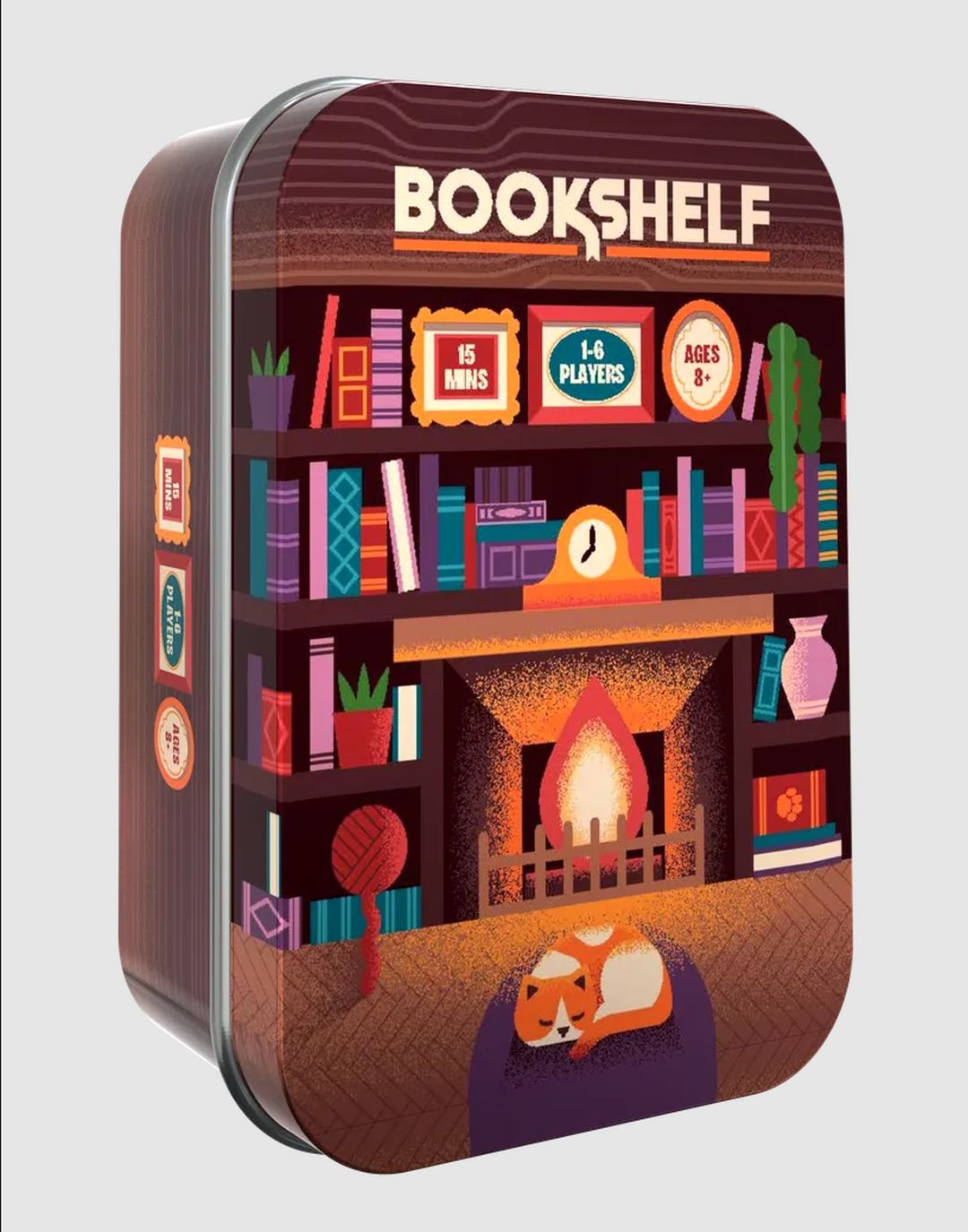
The game’s swift play time of 15-20 minutes, its accessibility for 1-6 players aged 8 and up, and an attractive RRP of £12.99 further solidify its appeal as an ideal pick-up-and-play experience. Its compact tin packaging ensures portability, making it a perfect companion for game nights, family gatherings, or even a quick break during a busy day.
Chronology of Creation: From Concept to Critical Darling
The journey of Bookshelf from an initial spark of an idea to a critically acclaimed tabletop game is a testament to thoughtful design and thematic ingenuity. While specific development dates are often kept proprietary, we can infer a logical progression that led to its successful launch.
Conception and Initial Spark
The core idea for Bookshelf likely originated from designer Caezar Al-Jassar’s observation of a common household dynamic: the irresistible allure of stacked objects for cats. The tension between a carefully curated display of books and a cat’s instinct to climb, explore, and inevitably, dislodge, provides a rich vein for game mechanics. This relatable, universally understood conflict forms the emotional bedrock of the game, setting it apart from more abstract dexterity challenges. The challenge for Al-Jassar would have been to translate this simple, humorous observation into a playable, engaging, and balanced system.
Design and Prototyping: Building the Foundations
The design process for Bookshelf would have involved extensive prototyping and iteration. Early versions likely explored various methods of stacking, different materials for the "books" and "shelves," and diverse ways to incorporate the "cat" element. The choice of small wooden blocks for books and sturdy card-stock for shelves suggests a careful balance between stability and fragility, essential for a dexterity game. The inclusion of a weighty cat meeple, rather than a lighter component, adds a crucial element of risk and physical interaction, mimicking the real-world impact of a cat settling onto a precarious structure.
The cooperative aspect would have been a deliberate design choice, aiming to foster a shared experience rather than competitive rivalry. This aligns with a growing trend in tabletop gaming towards more inclusive and less confrontational play. Playtesting would have been vital to fine-tune the difficulty curves, ensuring the "Normal" and "Hard" modes offered genuinely distinct challenges without becoming frustratingly impossible or trivially easy. Balancing the number of books per card, the size of the shelf cards, and the weight distribution of the cat meeple would have required numerous adjustments to achieve the desired level of "delightful tension."
Artistic Direction and Component Production: Bringing the Theme to Life
The aesthetic appeal of Bookshelf is undeniable, playing a significant role in its overall charm. The "cosy theme" is brought to life through thoughtful artwork that evokes the warmth of a home library, albeit one under feline siege. The choice of miniature wooden books in varied colours adds to the tactile pleasure and visual appeal, enhancing the sense of building a genuine (if tiny) library. The cat meeple itself, presumably rendered in an endearing style, contributes to the game’s personality, making the "pesky" creature still "cute" as described by the reviewer.
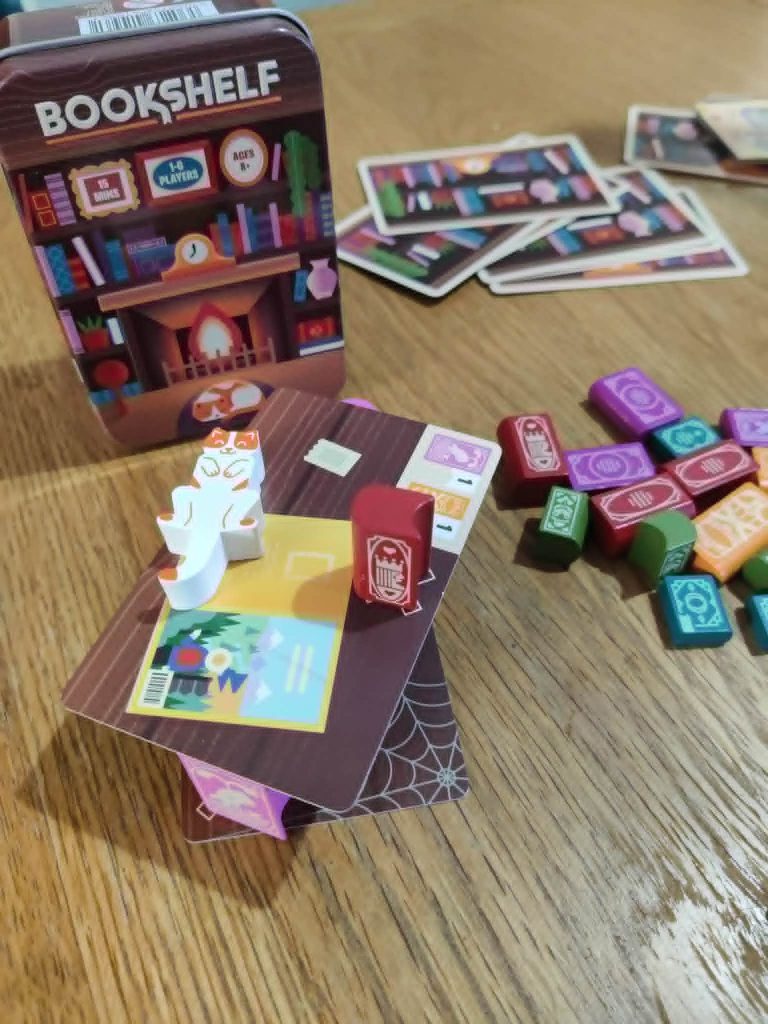
Alley Cat Games’ decision to package Bookshelf in a tin is also a strategic one. Tin games often convey a sense of premium quality and durability, while also being highly portable and gift-friendly. This packaging choice aligns with the game’s identity as a concise, engaging experience suitable for a wide audience. The production quality of the components—the sturdy cards, well-crafted wooden books, and distinctive cat meeple—underscores Alley Cat Games’ commitment to delivering a polished product.
Launch and Initial Reception: Entering the Limelight
Upon its release, Bookshelf quickly caught the attention of reviewers and players alike. The review by Tim Clare, published in Tabletop Gaming, represents a significant early endorsement. His emphatic declaration that Bookshelf not only lives up to high expectations but "might – whisper it – be better!" than the venerable Rhino Hero serves as a powerful testament to its immediate impact. Such comparisons, particularly to a widely celebrated classic, are rare and indicative of a game that truly resonates with its audience. The "Must Play" logo further solidifies its critical success, signalling to consumers that this is a title worth seeking out. This positive initial reception sets a strong precedent for its long-term success in the competitive board game market.
Supporting Data: Unpacking the Mechanics and Comparisons
To fully appreciate Bookshelf‘s brilliance, it’s essential to delve deeper into its mechanics and understand why it stands out, especially when placed alongside a giant like Rhino Hero.
Deconstructing the Gameplay Loop
The core gameplay of Bookshelf is a masterclass in elegant simplicity that belies its dramatic tension. Each round unfolds as follows:
- Card Draw and Strategy: A player draws a "Bookshelf card." This card is crucial, as it dictates the configuration of books to be placed in the current round. It features designated spots where the wooden book meeples must be simultaneously stacked. This simultaneous action is key to the cooperative challenge, requiring players to communicate and coordinate their movements without explicit turns.
- Synchronized Stacking: With the new bookshelf card laid as the base for the current level, players work together to place the specified wooden books onto the marked spots. This requires a delicate touch, spatial awareness, and often, a shared breath as the small wooden pieces are carefully positioned. The goal is not just to place them, but to place them in a way that provides a stable foundation for the next "shelf" card.
- The Cat’s Ascent: Once the books are seemingly stable, the most nerve-wracking moment arrives: retrieving the cat meeple from the previous level and moving it to the newly constructed shelf. The cat meeple, being a solid component, adds significant weight and can easily destabilize a hastily built structure. Its placement often requires a slow, deliberate motion, with all players holding their breath.
- Assessing Stability: If the tower holds, without any books or cards collapsing, the team successfully completes the round. The sense of collective relief and accomplishment is palpable. If it tumbles, the team groans in shared disappointment, but often with a laugh, ready to try again.
- Reaching the Summit: The game continues, round after round, building higher and higher. The ultimate objective is to successfully construct an eight-storey bookshelf. Achieving this monumental feat as a team is the ultimate victory.
The Power of Cooperation: Shared Stakes, Shared Joy
The cooperative nature of Bookshelf is perhaps its strongest asset. Unlike competitive dexterity games where one player’s success comes at another’s expense, Bookshelf fosters a genuine sense of camaraderie. Every precarious placement, every wobbling tower, and every successful cat relocation is a shared experience. This leads to:
- Heightened Tension: The stakes are collective. When the tower sways, everyone feels the impending doom. When it holds, everyone exhales in unison. This shared emotional journey makes the game incredibly engaging.
- Encouraged Communication: Players naturally start to offer advice, warn of potential instability, and coordinate their movements ("You place the left one, I’ll get the right!"). This informal communication adds another layer of interaction.
- Reduced Frustration: When the tower inevitably collapses, the blame isn’t on a single player. It’s a collective failure, often met with laughter and an immediate desire to "try again, we almost had it!" This makes the game incredibly forgiving and fun, even in defeat.
- Universal Appeal: The cooperative aspect makes Bookshelf highly suitable for mixed age groups and different skill levels, as everyone is working towards a common goal, making it a true family game.
The Rhino Hero Comparison: A Battle of Giants
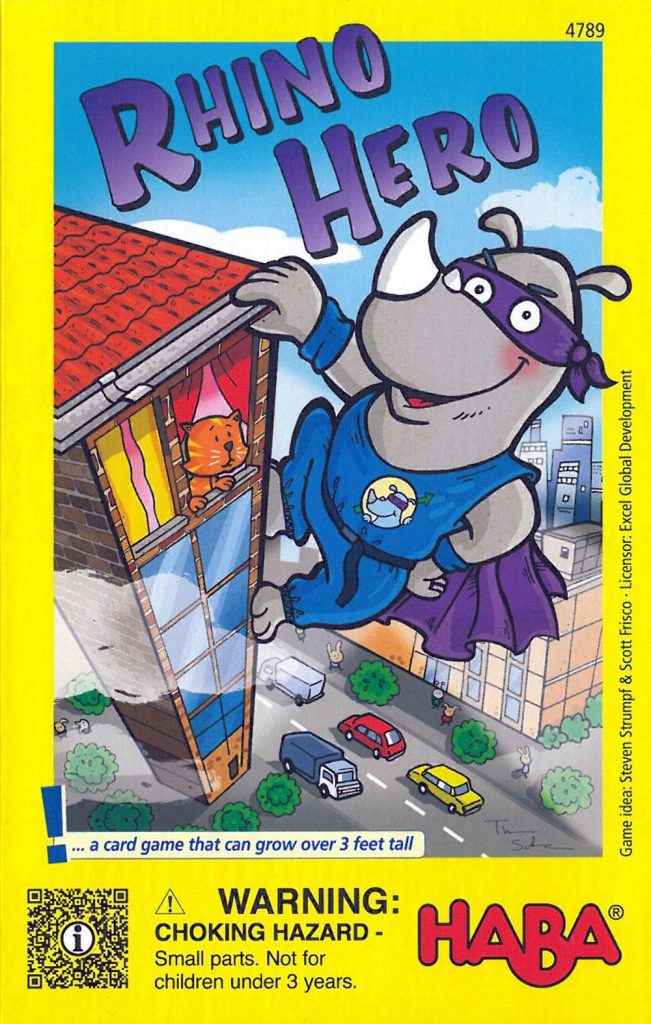
The most direct and significant comparison for Bookshelf is Haba’s Rhino Hero, a beloved classic in the dexterity genre. Let’s explore why Bookshelf might, surprisingly, be considered superior:

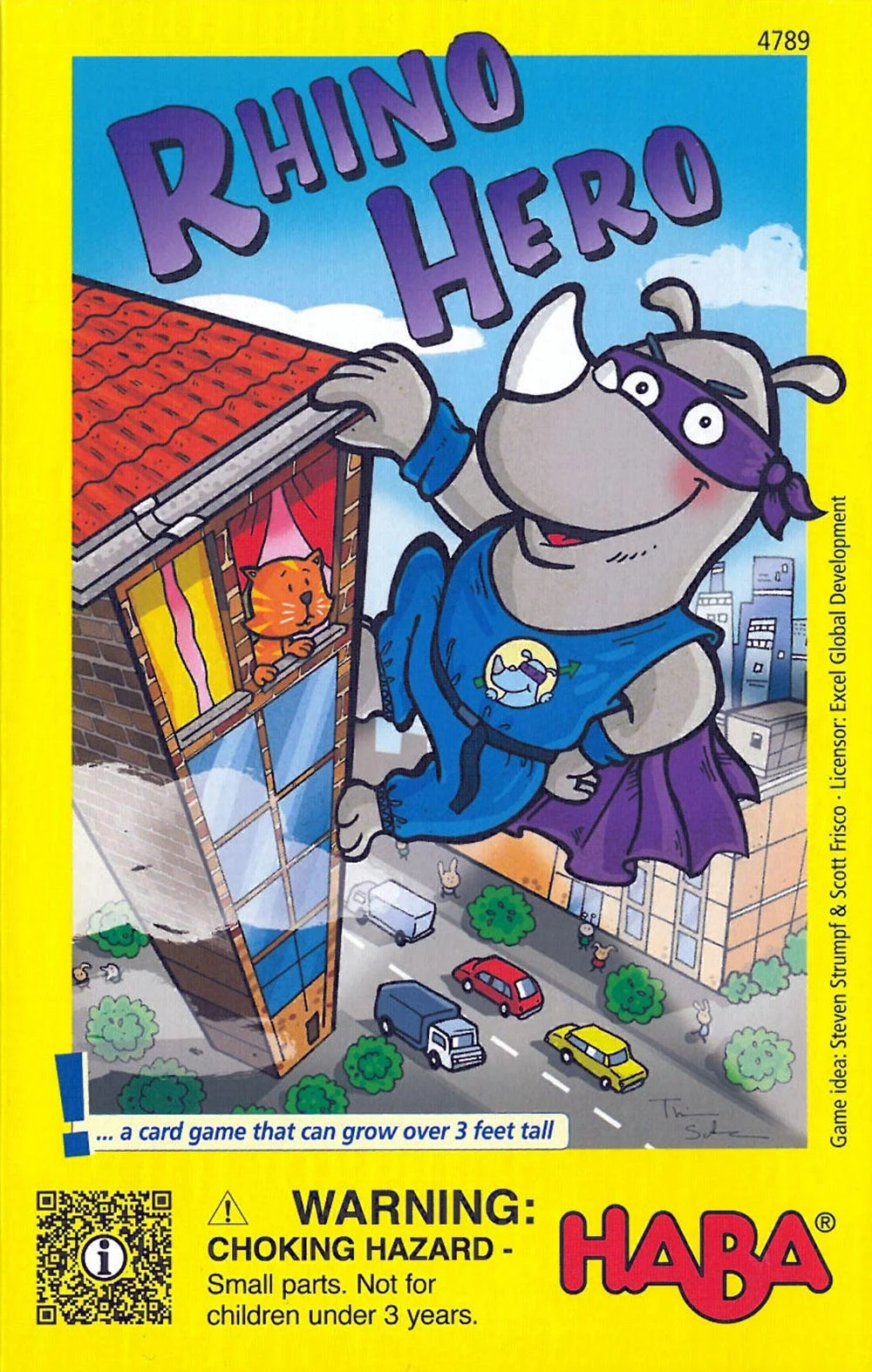
- Rhino Hero Overview: Rhino Hero involves players competitively building a skyscraper of cards, using bent wall cards to create support for floor cards, then placing a heavy wooden rhino meeple on specific spots. It’s simple, taut, and famously funny, known for its quick turns and dramatic collapses.
- Thematic Depth: While Rhino Hero‘s theme of a superhero rhino climbing a building is charming, Bookshelf‘s theme of domestic chaos with a cat feels more universally relatable and emotionally resonant. The aesthetic pleasure of arranging books vs. the feline disruption creates a more narrative, almost whimsical, backdrop.
- Cooperative vs. Competitive: This is the most significant divergence. Rhino Hero is competitive, aiming to be the last player to successfully place the rhino or a wall card. Bookshelf is purely cooperative. For many, the shared experience of building and failing together in Bookshelf can be more enjoyable and less stressful than the competitive pressure of Rhino Hero. This makes Bookshelf a more inclusive choice for families or groups who prefer non-confrontational games.
- Tactile and Tactical Nuances: Bookshelf‘s combination of wooden books and card-stock shelves offers a different tactile experience. The books are small, chunky, and require precise placement, while the cards form the wider, more precarious surfaces. The simultaneous placement of books, guided by the card, adds a tactical element not present in Rhino Hero‘s turn-based wall-and-floor placement. The need to strategically distribute the cat’s weight on a new, potentially uneven surface also adds a layer of complexity.
- "Babel-esque Hubris": Tim Clare’s description of Bookshelf as an "ever-shakier exercise in Babel-esque hubris" perfectly encapsulates the escalating tension. Each successful level builds confidence, yet simultaneously increases the fragility of the entire structure. This feeling of pushing boundaries, of daring the tower to defy gravity, is a core part of its appeal, perhaps even more pronounced than in Rhino Hero.
While Rhino Hero remains a justly regarded classic, Bookshelf‘s blend of cooperative play, relatable theme, and subtle mechanical refinements arguably offers a fresh, perhaps even more satisfying, experience for a modern audience.
Official Responses and Publisher’s Vision
While the original review doesn’t provide direct quotes from Alley Cat Games or designer Caezar Al-Jassar, we can infer their strategic intent and the game’s place within their portfolio based on the product’s attributes and the publisher’s reputation.
Alley Cat Games: Expanding the Horizon of Family Fun
Alley Cat Games has a history of publishing a diverse range of games, from heavier Euro-style titles to lighter, more accessible fare. The release of Bookshelf fits perfectly into a strategy of broadening their appeal to the family and party game market.
- Accessibility and Broad Appeal: With an age rating of 8+ and a quick playtime, Bookshelf is designed to be highly accessible. This indicates a deliberate effort by Alley Cat Games to cater to a wider demographic, introducing new players to the joy of tabletop gaming through a fun, intuitive experience.
- The "Tin Game" Strategy: Packaging Bookshelf in a compact tin is a smart move. Tin games are often perceived as great value, durable, and highly portable. They make excellent gifts and are easy to store and transport, enhancing the game’s practicality for travel or casual play. This format allows Alley Cat Games to offer a quality product at an attractive price point (£12.99), making it an impulse purchase for many.
- Commitment to Quality Components: Despite the modest price, the review highlights the quality of the wooden books, cards, and cat meeple. This commitment to production value, even in smaller-box games, reinforces Alley Cat Games’ reputation for delivering satisfying physical products.
- Innovation in Dexterity: While dexterity games are not new, Bookshelf‘s unique thematic twist and strong cooperative element demonstrate Alley Cat Games’ willingness to innovate within established genres. They’re not just re-treading old ground but actively seeking fresh perspectives. This positions them as a publisher that values creative design.
Caezar Al-Jassar: Crafting Engaging Experiences
Designer Caezar Al-Jassar’s vision for Bookshelf is evident in its elegant simplicity and deep engagement. His design philosophy likely prioritizes:
- Thematic Integration: The seamless blend of the "books vs. cat" theme with the dexterity mechanics is a hallmark of strong design. It’s clear that the theme wasn’t simply pasted on but was integral to shaping the gameplay.
- Cooperative Dynamics: Al-Jassar’s choice of a cooperative model speaks to a desire to create shared positive experiences. He likely aimed to minimize player elimination or direct conflict, focusing instead on mutual support and collective achievement.
- Scalability and Replayability: The inclusion of "Normal and Hard modes" suggests a thoughtful approach to replayability and catering to different skill levels or desired challenges. This ensures the game remains fresh over multiple plays.
- Tactile Feedback: The deliberate choice of wooden books and sturdy cards, along with the weighty cat meeple, points to a design that values physical interaction and satisfying tactile feedback.
Ultimately, Bookshelf represents a successful collaboration between a visionary designer and a publisher dedicated to bringing engaging and high-quality tabletop experiences to a broad audience. Its critical reception is a direct reflection of this synergy.
Implications: Reshaping the Landscape of Light Gaming
The success of Bookshelf carries several significant implications for the tabletop gaming industry, particularly within the dexterity and family game segments, and for Alley Cat Games itself.
Raising the Bar for Dexterity Games
Bookshelf demonstrates that dexterity games can offer more than just physical challenge. By weaving in a compelling cooperative narrative and a charming theme, it elevates the genre beyond mere "stacking."
- Thematic Dexterity: Its success might inspire other designers to explore more deeply integrated themes in dexterity games, moving away from abstract concepts towards more relatable and narrative-driven experiences.
- Cooperative Dominance: The strong preference shown for Bookshelf‘s cooperative mode over Rhino Hero‘s competitive one might signal a shift in player preference for light dexterity games, emphasizing shared experience over direct competition.
- Accessibility and Skill Ceiling: Bookshelf manages to be easy to learn for newcomers while still offering a genuine challenge and room for skill improvement, especially with its difficulty modes. This balance is crucial for a thriving dexterity genre.
Impact on the Family Gaming Market
For families, Bookshelf is a near-perfect package, and its success underscores key trends in this market segment.
- Gateway Game Potential: Its simple rules, quick playtime, and universal appeal make it an excellent "gateway game" to introduce non-gamers or younger players to the hobby.
- Intergenerational Appeal: The physical nature of dexterity games naturally bridges age gaps, allowing children, teenagers, and adults to genuinely enjoy and compete (or cooperate) on equal footing. Bookshelf capitalizes on this, creating shared moments for families.
- Value for Money: At £12.99, Bookshelf offers significant entertainment value for its price, making it an attractive option for families looking for affordable entertainment.
Alley Cat Games’ Strategic Position
The enthusiastic reception of Bookshelf strengthens Alley Cat Games’ position in the market and potentially signals future directions for the publisher.
- Diversification of Portfolio: It solidifies their ability to produce highly successful lighter games alongside their more complex offerings. This diversification makes them a more resilient and versatile publisher.
- Reputation for Quality: The positive review reinforces Alley Cat Games’ reputation for publishing well-designed games with quality components, regardless of game weight or price point.
- Expansion into Mass Market: The accessibility and theme of Bookshelf could help Alley Cat Games penetrate wider retail channels beyond specialist game stores, reaching a more mainstream audience.
- Future Dexterity Titles: The success of Bookshelf might encourage Alley Cat Games to invest further in cooperative dexterity games, exploring new themes and mechanics within this popular niche.
Broader Market Trends
Bookshelf‘s triumph also reflects larger trends within the tabletop industry:
- The Enduring Appeal of Analog Games: In an increasingly digital world, games like Bookshelf remind us of the simple joy of physical interaction, tactile components, and face-to-face social engagement.
- Animal Themes Sell: Games featuring cute animals continue to be highly popular, appealing across demographics and often serving as a comforting or humorous element.
- Compact and Portable: The demand for smaller, more portable games that can be easily taken to gatherings or on trips remains strong, and Bookshelf‘s tin format perfectly caters to this.
In conclusion, Bookshelf is more than just a game; it’s a delightful miniature drama unfolding on your tabletop, a testament to thoughtful design, and a significant contribution to the cooperative dexterity genre. Its critical acclaim and positive player reception suggest a long and successful shelf life, proving that sometimes, the most profound experiences can be found in the simplest of concepts – especially when a mischievous cat is involved.