
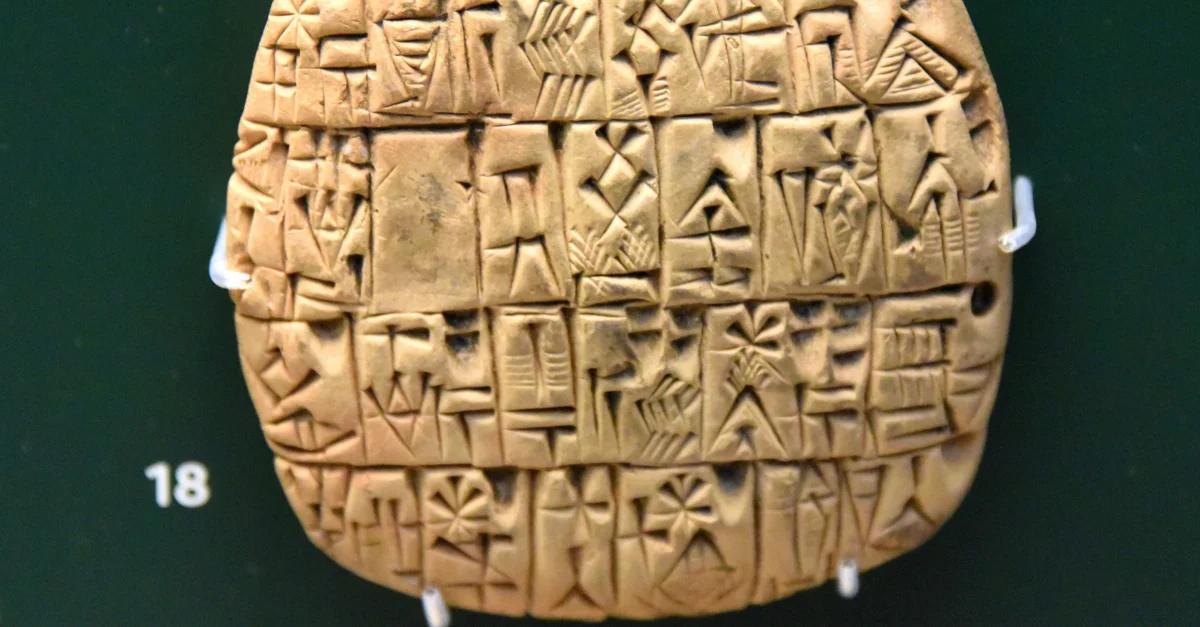
Eridu, Mesopotamia – In the cradle of civilization, where the first written words etched humanity’s thoughts onto clay, stood Nisaba, the revered Sumerian goddess of writing, accounts, and the divine scribe of the gods. A testament to her profound influence, the Hymn to Nisaba, dating back to the 3rd millennium BCE, offers a luminous window [
Unveiling Ancient Echoes: Helen Nde’s "The Runaway Princess and Other Stories" Explores African Female Legends
FOR IMMEDIATE RELEASE [City, State] – [Date] – A new literary voice is poised to captivate readers with a collection that delves deep into the rich tapestry of African history, legend, and folklore. Helen Nde’s upcoming book, "The Runaway Princess and Other Stories," promises to illuminate the multifaceted roles and compelling narratives
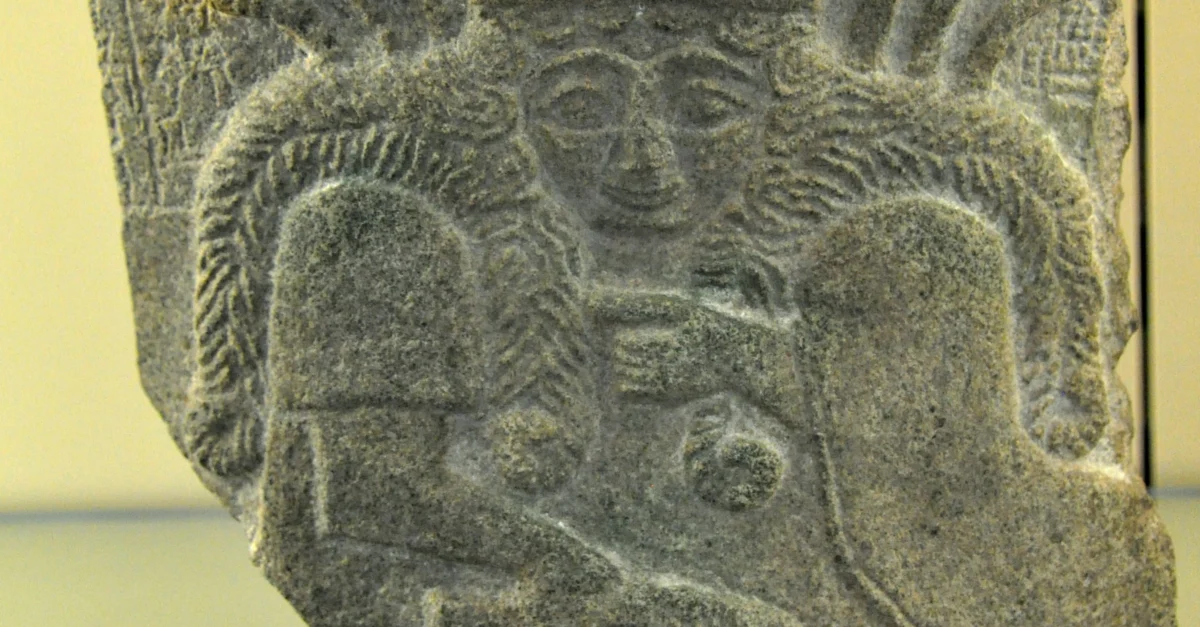
Nisaba: The Sumerian Goddess Who Embodied the Dawn of Literacy
In the ancient lands of Mesopotamia, where civilization first bloomed and the written word was forged, a deity emerged whose very essence intertwined with the burgeoning power of knowledge and communication. Nisaba, often referred to as Nidaba or Nissaba, stands as the revered Sumerian goddess of writing, accounts, and the divine scribe of the gods
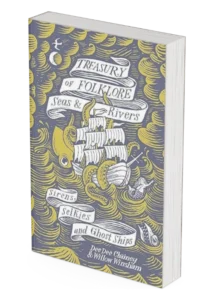
Unearthing Ancient Echoes: #FolkloreThursday Authors Weave a Tapestry of Global Myths
London, UK – From the whispered secrets of ancient forests to the boundless expanse of the starry heavens and the profound mysteries of the deep blue sea, humanity’s shared narrative has long been shaped by an intricate tapestry of myths, legends, and superstitions. Leading voices in contemporary folklore, Dee Dee Chainey and Willow Winsham,
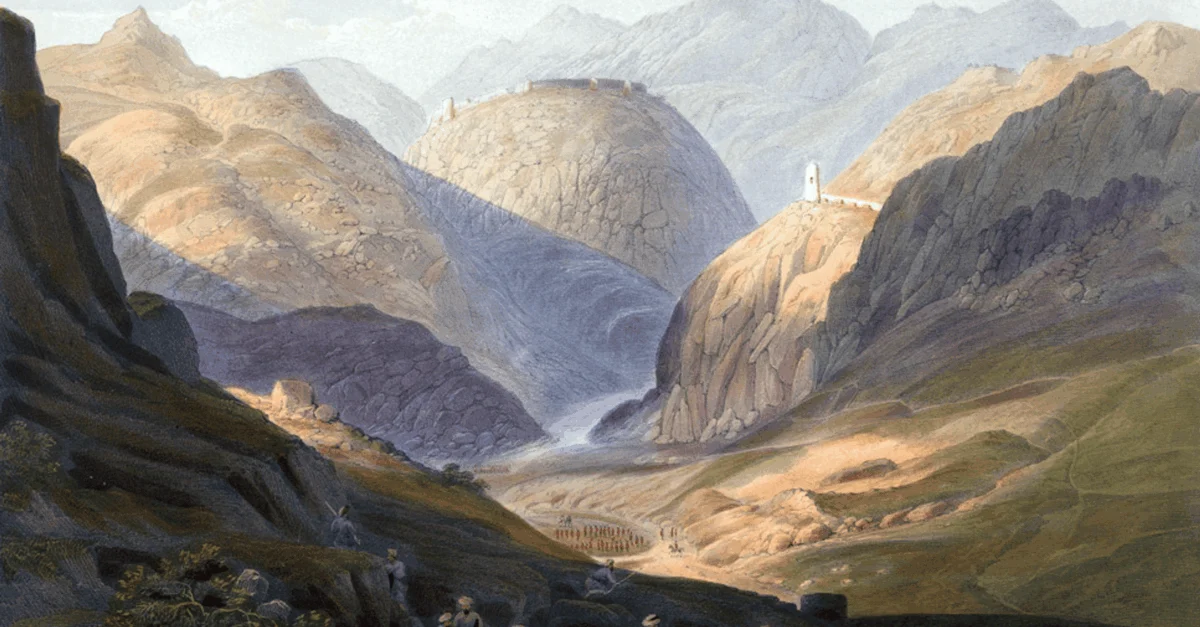
The Shadow War for Asia: Unpacking the Great Game
London, UK – For much of the 19th century, a silent, relentless struggle for dominance played out across the vast, rugged landscapes of Central Asia. Known as "The Great Game," this intense geopolitical rivalry pitted two of the world’s most formidable empires – the British and the Russian – against each other in a high-stakes [&hel
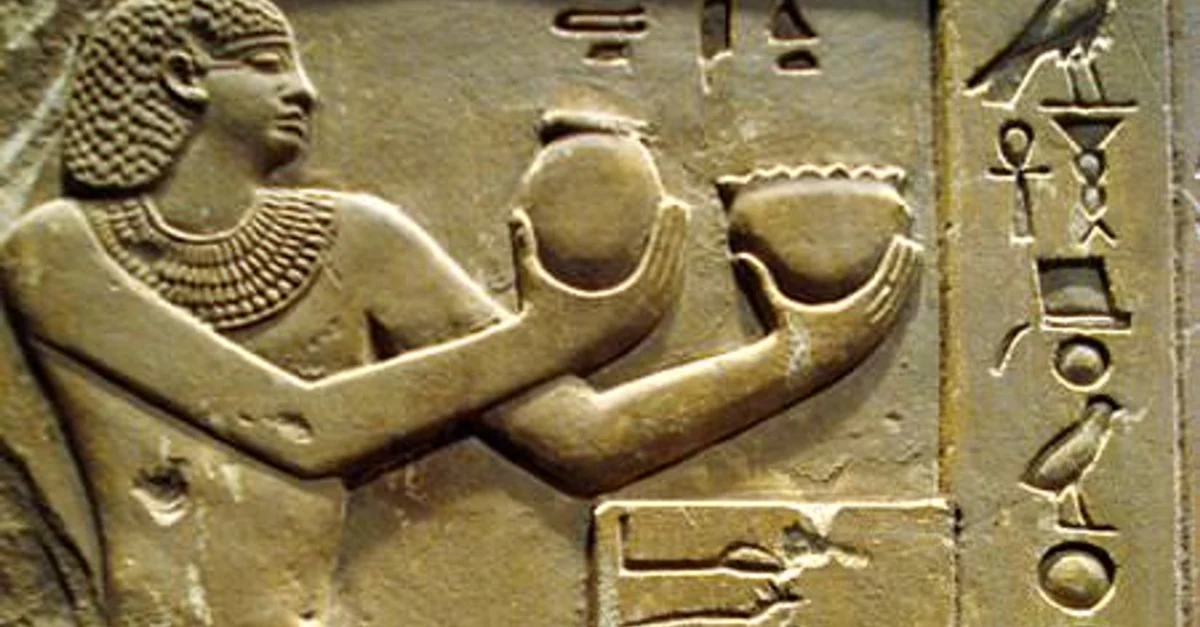
Unveiling Ancient Egypt’s First Intermediate Period: A Transformative Era, Not a ‘Dark Age’
Giza, Egypt – For centuries, the period spanning 2181 to 2040 BCE in ancient Egypt, known as the First Intermediate Period (FIP), was branded by historians as a "dark age." This era, nestled between the grandeur of the Old Kingdom and the resurgence of the Middle Kingdom, was long perceived as a time of political […]
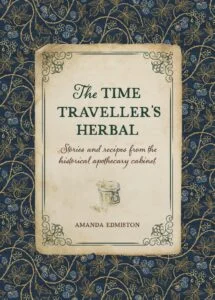
Unearthing Ancient Wisdom: Amanda Edmiston’s "The Time Traveller’s Herbal" Invites a Journey Through Botanical History and Celtic Myth
FOR IMMEDIATE RELEASE SCOTLAND – Step into a captivating journey through the annals of botanical history with Amanda Edmiston, the acclaimed herbal storyteller behind Botanica Fabula, as she unveils her latest literary creation, The Time Traveller’s Herbal: Stories and recipes from the historical apothecary cabinet. This groundbreaking work r
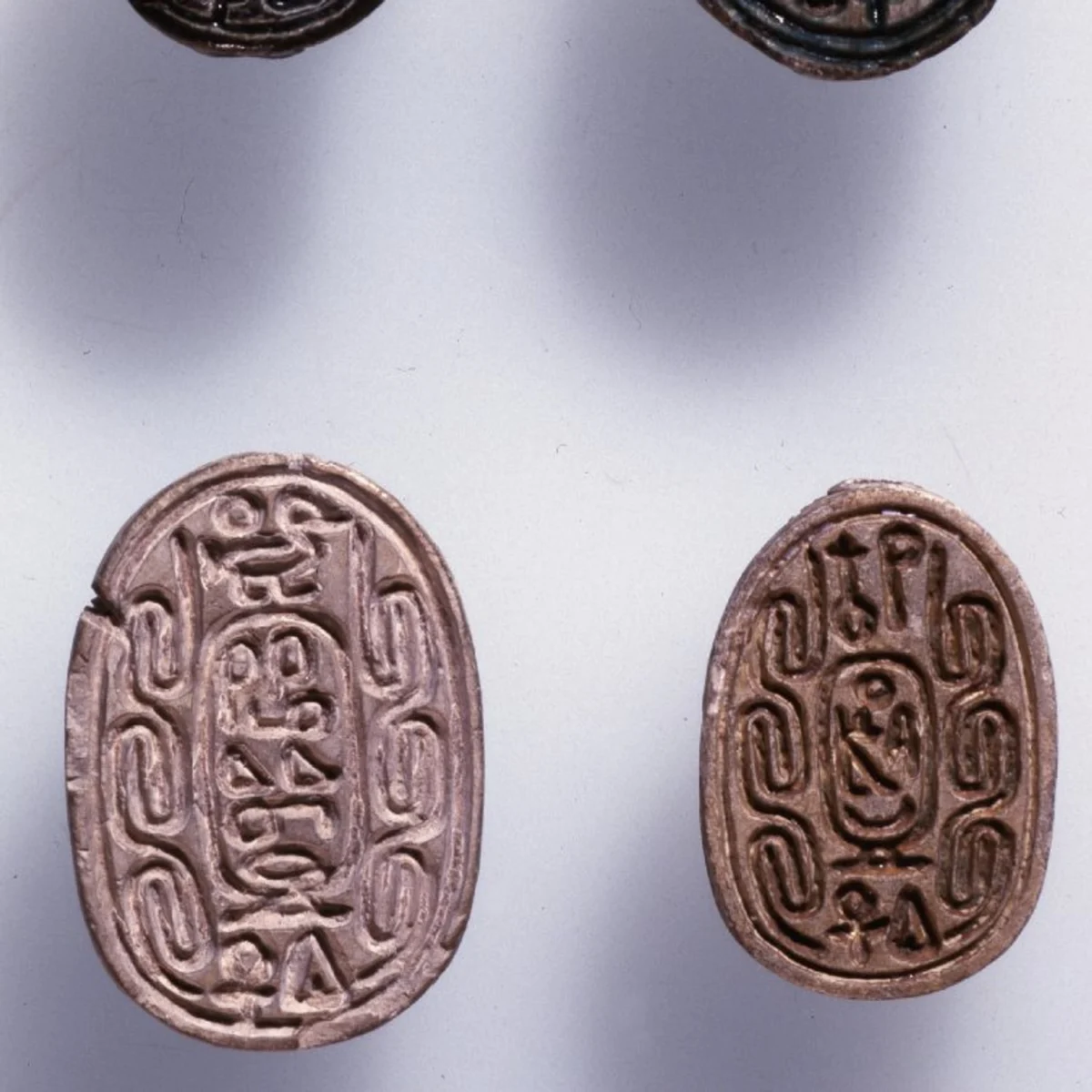
The Hyksos: Rethinking the "Invaders" Who Forged Egypt’s Empire
A historical reevaluation challenges centuries of vilification, revealing how a West Semitic-speaking people, once branded as barbaric invaders, profoundly transformed ancient Egypt, inadvertently laying the groundwork for its most glorious imperial age. Main Facts For centuries, the Hyksos have been cast as antagonists in the grand narrative of an
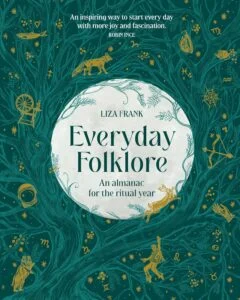
Embracing the Everyday: Why Consciously Engaging with Folklore Can Transform Your Life
London, UK – For many, the word "folklore" conjures images of quaint anachronisms or fantastical tales spun for entertainment. It might evoke the sight of antler-wearing men dancing in Abbotts Bromley, or the memory of a grandparent attempting a wart charming cure. To some, it’s merely "flim flam," a device to lull childre
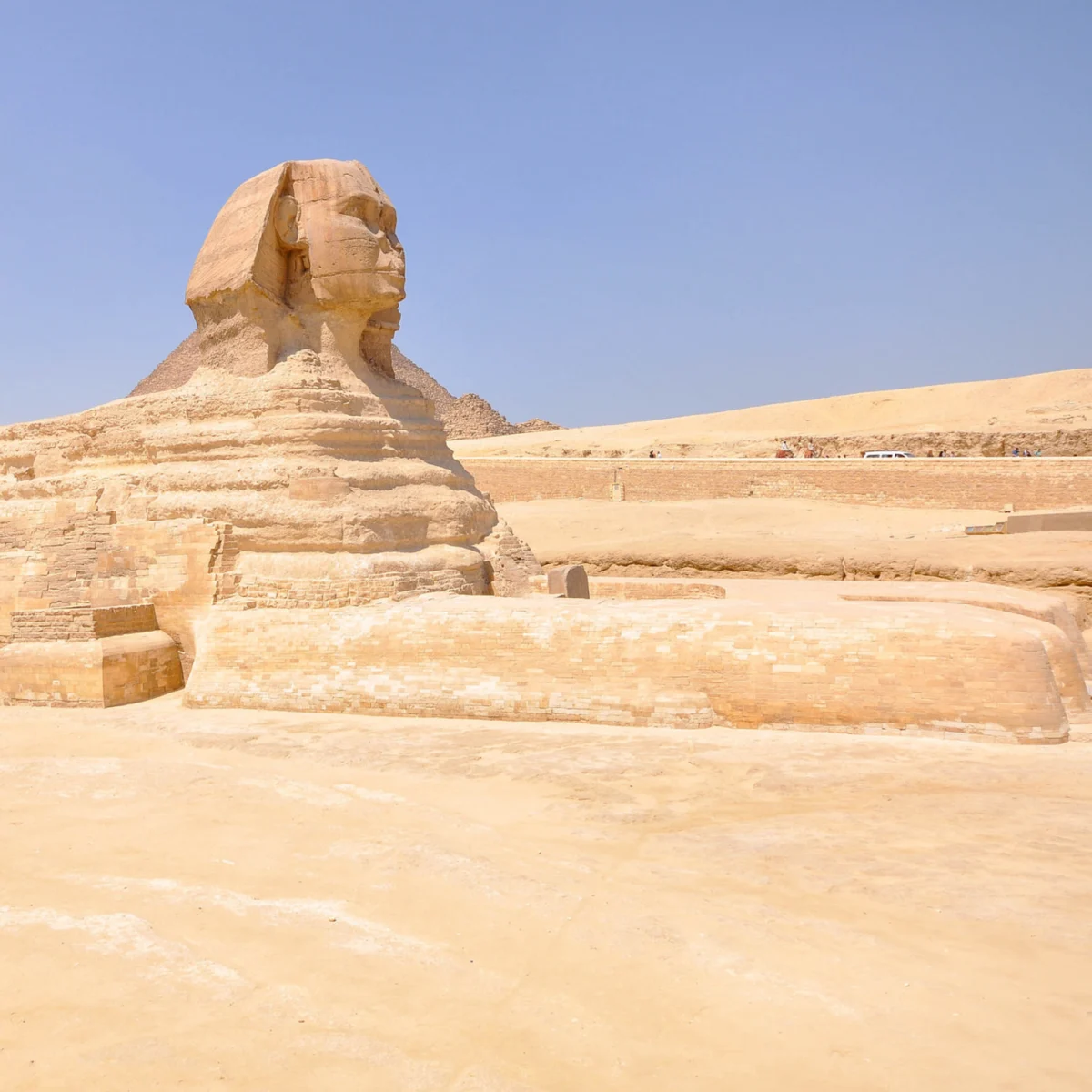
Echoes of Eternity: Unraveling the Enduring Legacy of Ancient Egypt
CAIRO, Egypt – Nestled in the northeastern corner of Africa, bordered by the shimmering Mediterranean Sea, lies Egypt – a land synonymous with antiquity, the cradle of one of Earth’s most enduring and influential civilizations. For millennia, this majestic nation, known to its ancient inhabitants as Kemet ("Black Land") for the fert
