
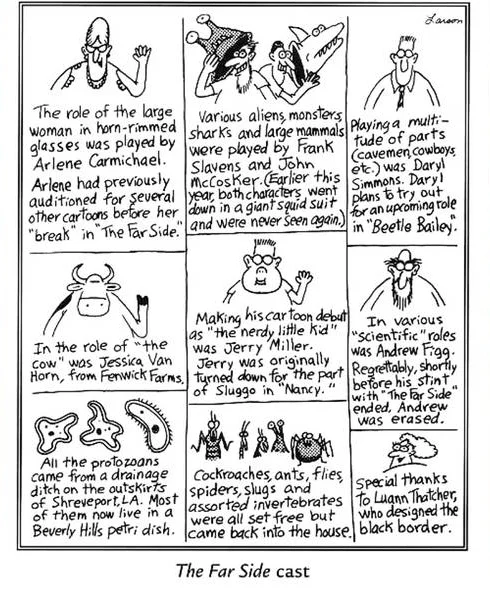
Main Facts: A Milestone for a Master of the Surreal On August 14, 2026, the world of sequential art paused to celebrate the 76th birthday of Gary Larson, the visionary creator behind The Far Side. While a 76th birthday may not carry the traditional weight of a "diamond" or "platinum" jubilee, the occasion sparked a […]

The State of the Graphic Arts: Industry Shifts, Labor Disputes, and the Return of Controversial Figures
August 14, 2026 — The second week of August 2026 has proven to be a pivotal moment for the international comics community. Against the atmospheric backdrop of an eclipse in the United Kingdom, the industry has grappled with a dense convergence of celebratory milestones and deep-seated ethical dilemmas. From the 80th annual Reuben Awards to [&hellip
Shadow of the Facsimile: The Unravelling of Adam Fortier’s Publishing Empire
Pickering, Ontario — Adam Fortier, a man whose two-decade career has seen him occupy executive suites at some of the comic industry’s most recognizable mid-tier publishers, now finds himself at the center of a burgeoning legal and ethical firestorm. A veteran of Boom! Studios and the now-defunct Joe Books, Fortier is currently facing a dual-front [
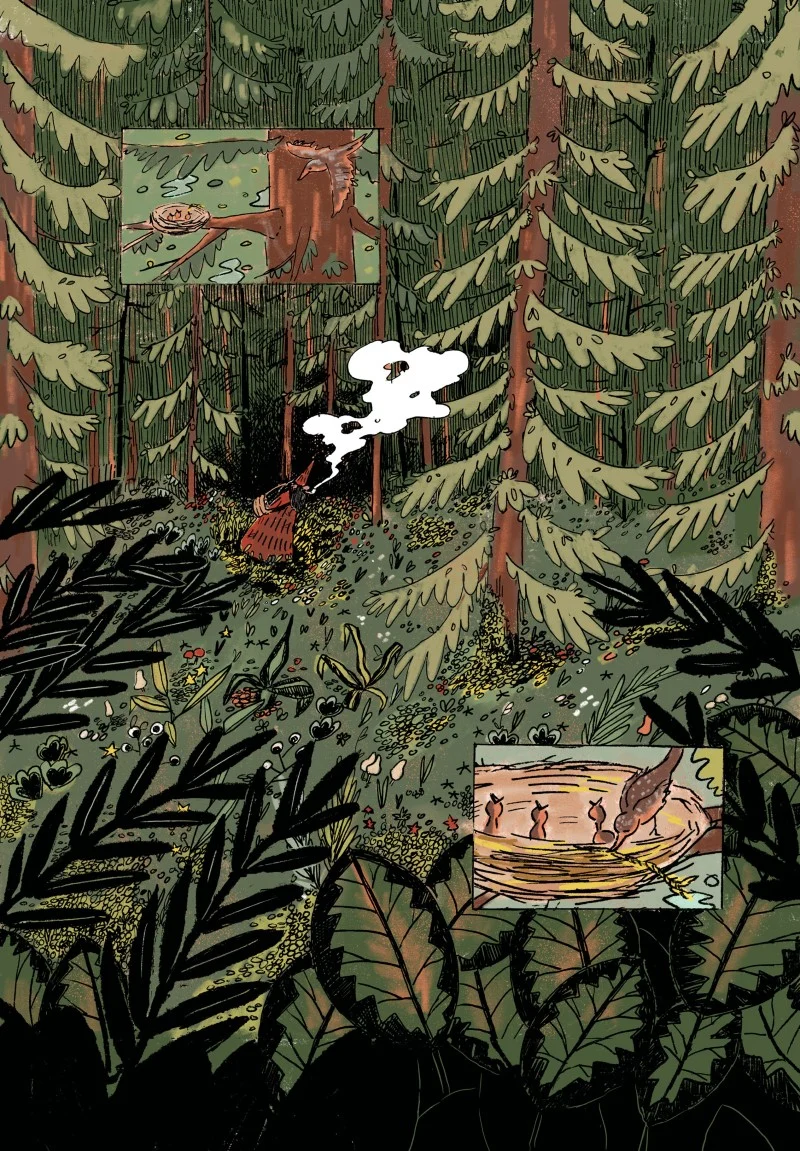
The Architecture of Uncanniness: Exploring Kit Anderson’s ‘Safer Places’ and the New Wave of Magical Realism in Comics
The landscape of contemporary independent comics is often defined by its ability to bridge the gap between the mundane and the metaphysical. In the latest installment of DoomRocket’s "Required Reading"—a monthly curation dedicated to championing essential graphic literature—critic Arpad Okay spotlights a work that exemplifies this boundar
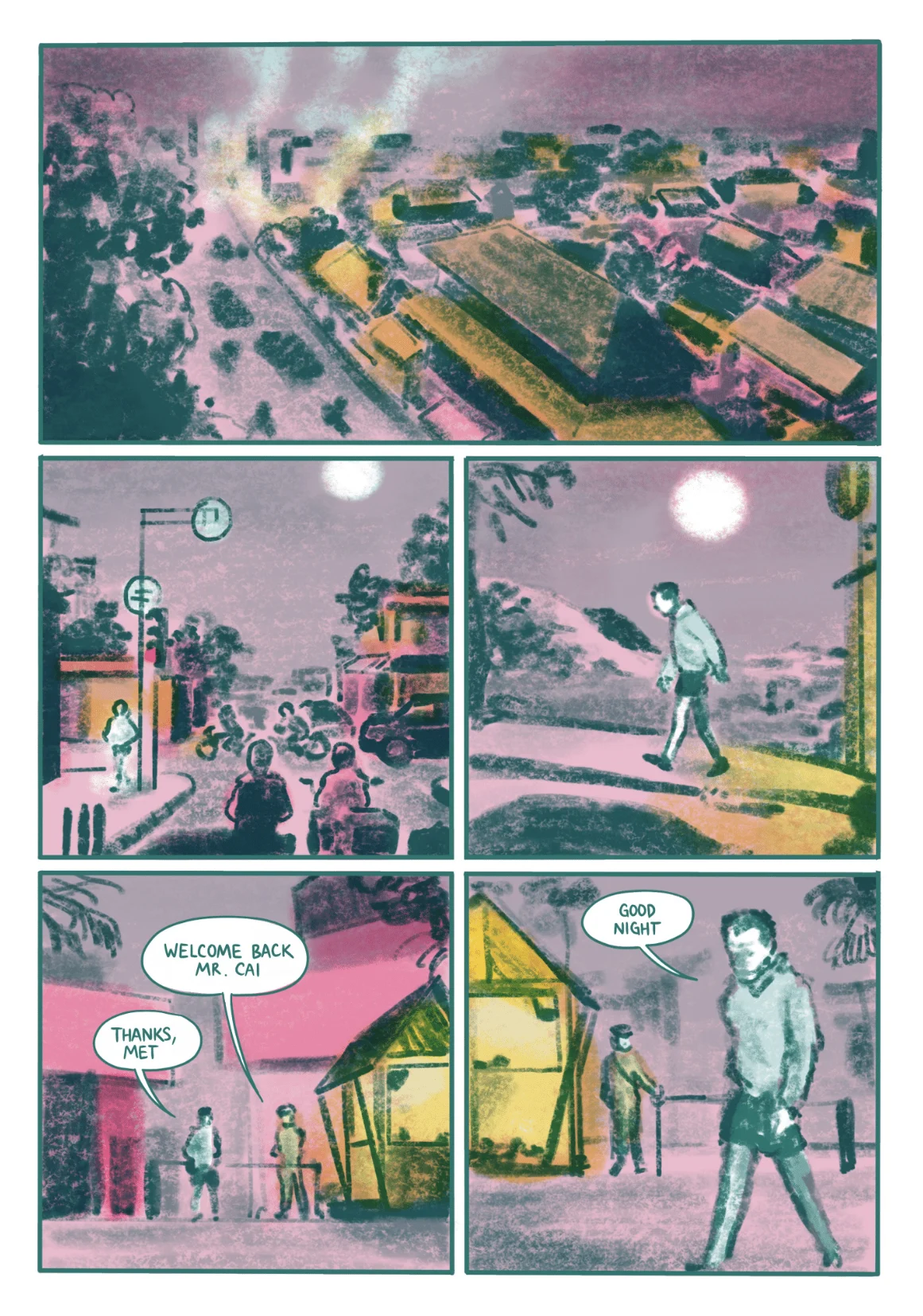
Between Myth and Modernity: Analyzing Ferry Gouw’s ‘Limbo’ and the New Frontier of Graphic Narrative
The landscape of contemporary graphic literature is undergoing a seismic shift, moving away from traditional superhero tropes and toward deeply atmospheric, socio-political explorations of identity and history. At the forefront of this movement is Ferry Gouw, whose latest graphic novel, Limbo, published by the prestigious Breakdown Press, has recen
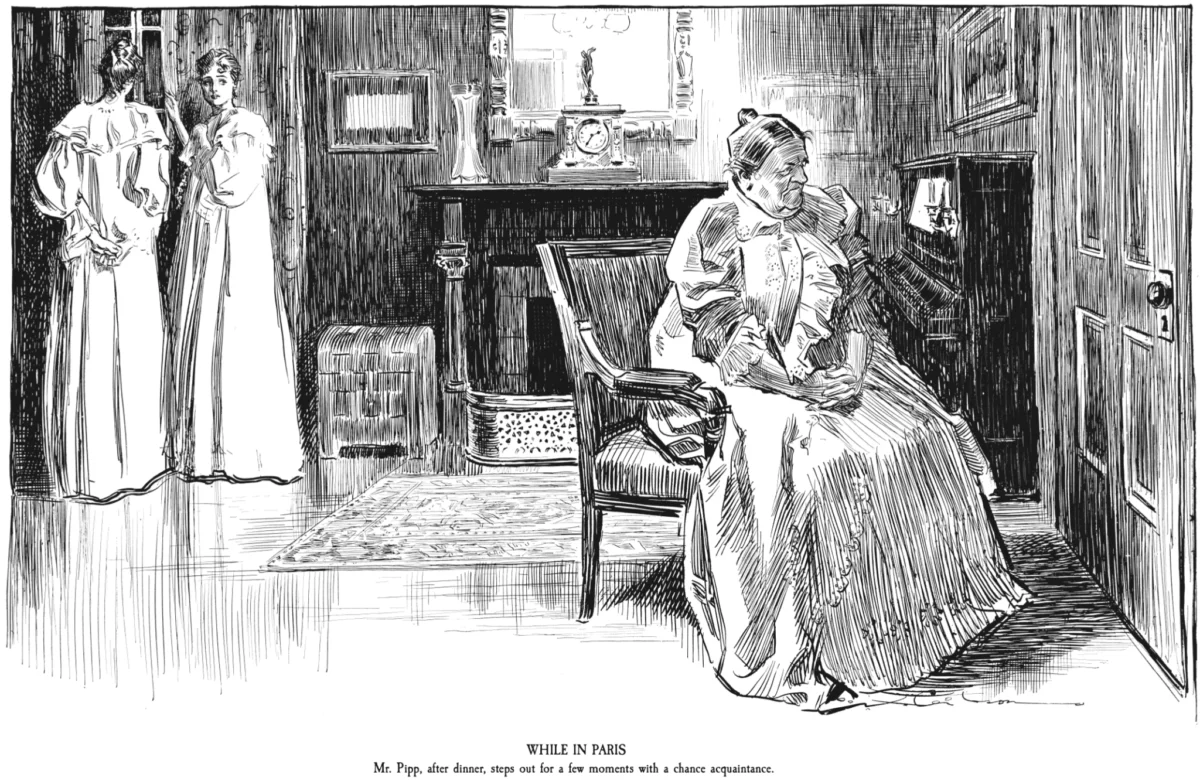
The Gilded Age Reimagined: The Legacy of Charles Dana Gibson and the Genesis of the Graphic Novel
The history of sequential art is often told through the lens of the 1930s—the era of capes, masks, and the birth of the "Golden Age" of comics. However, decades before the first appearance of Action Comics, a different kind of visual revolution was taking place in the pages of high-society weeklies. Charles Dana Gibson, an […]
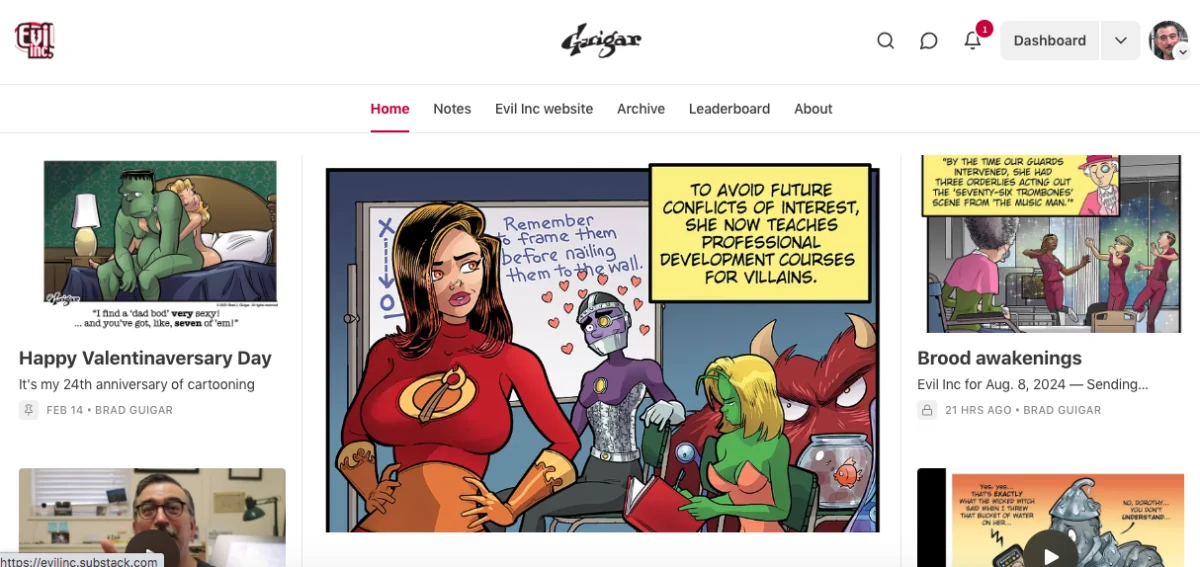
The Digital Storefront: Optimizing Substack Home Pages for the Modern Webcomic Era
Main Facts: The Evolution of the Creator-Audience Interface In the rapidly shifting landscape of digital publishing, Substack has emerged from a simple newsletter tool into a comprehensive content management system (CMS) and community hub. For webcomic creators and independent writers, the platform represents a significant shift away from the algor
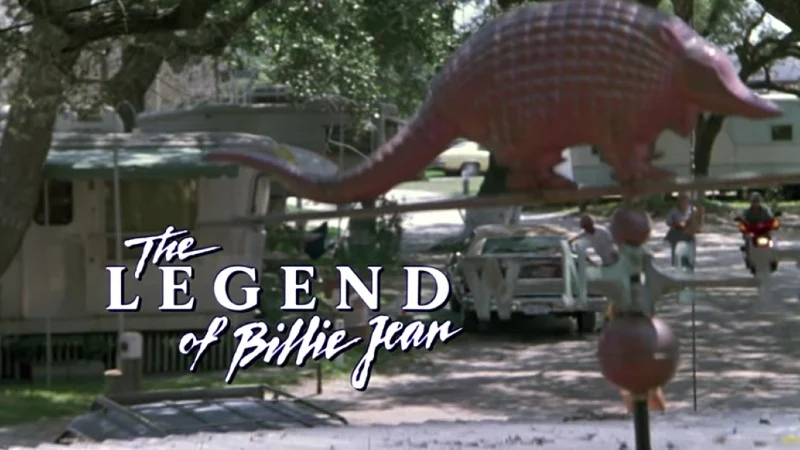
Fair is Fair: The Resilient Legacy of ‘The Legend of Billie Jean’
In the pantheon of 1980s cinema, certain titles are etched into the collective consciousness with the permanence of a neon sign. 1985, in particular, was a year of cinematic giants: Back to the Future redefined the sci-fi comedy, The Goonies set the gold standard for childhood adventure, and The Breakfast Club codified teen angst for […]
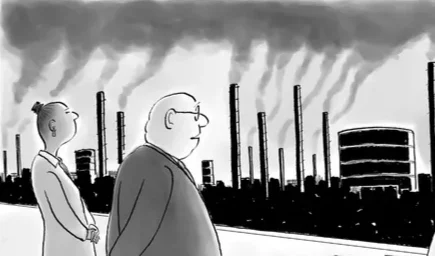
The Shifting Landscape of American Culture: From Coffee Wars to the AI Frontier
In a series of recent reflections on the state of modern commerce, education, and technology, veteran columnist Mike Peterson has highlighted a growing disconnect between traditional American institutions and the evolving expectations of the 21st-century consumer. Through a lens that blends personal anecdote with sharp media criticism, the discours
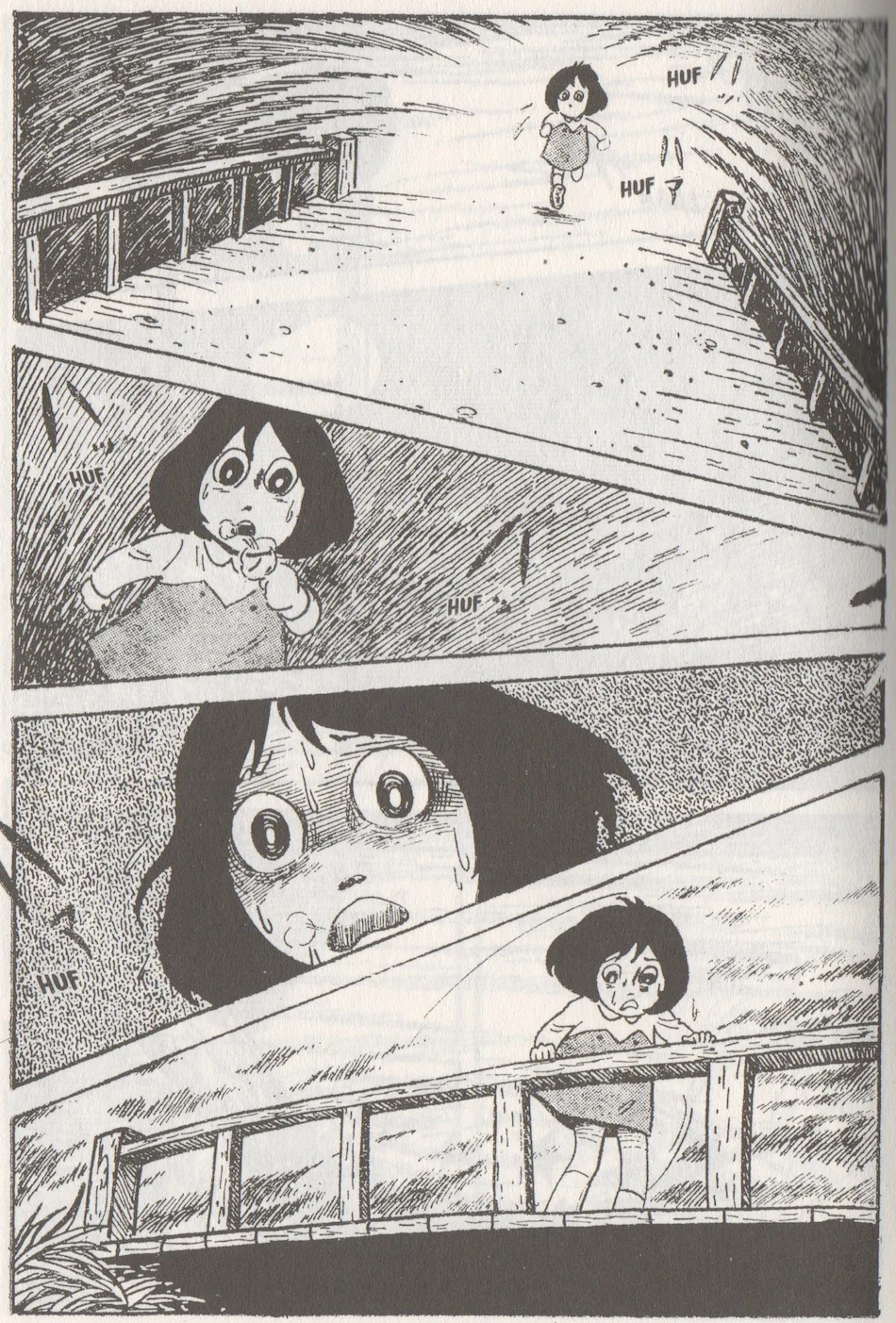
The Silence of the Schoolyard: Analyzing Naono Yoshiko’s "Trauma Shojo" and the Legacy of Hide and Seek
The landscape of horror manga is often defined by its cacophony—the visceral shrieks of Kazuo Umezz’s The Drifting Classroom or the grotesque, supernatural wails found in the works of Junji Ito. However, a newly unearthed collection from the 1970s suggests that the most profound terrors of childhood are not found in the scream, but in […]
