
Forza Horizon 6: A Masterclass in Refinement, Raising Questions of Evolution
By Oli Welsh
Published: May 14, 2026, 8:00 AM EDT
The undisputed king of open-world arcade racing, the Forza Horizon series, has once again cemented its reign with the release of Forza Horizon 6. Playground Games has, with characteristic flair and meticulous polish, delivered a title that not only perfects its already formidable formula but also subtly nudges the boundaries of what players can expect from the beloved franchise. While the series’ signature breezy, low-stakes approach remains, Forza Horizon 6 introduces a nuanced evolution that will delight long-time fans while prompting a re-evaluation of its future trajectory.
The Pinnacle of Polish: Perfection in a Familiar Package
Forza Horizon has long operated in a realm where "stakes" are less about high-octane risk and more about the sheer joy of the drive. Playground Games has cultivated an open-world racing experience that prioritizes enjoyment, community, and a seemingly endless array of automotive pleasures. Whether you’re a solo explorer, a competitive racer, a collector, or a digital artist showcasing your custom paint jobs, the Horizon festival offers a welcoming and endlessly engaging environment. This philosophy, which has seen the series consistently lauded and has effectively eclipsed most mainstream racing competition, including its more simulation-focused sibling, Forza Motorsport, is once again on full display in Forza Horizon 6.
The extended four-and-a-half-year gap since the release of Forza Horizon 5 might have suggested a period of significant reinvention or even a potential for staleness. However, this absence has, in fact, amplified anticipation, allowing the series’ core appeal to resonate even more strongly. It’s a testament to Playground’s mastery that the franchise remains not just relevant, but the benchmark against which all others are measured. Forza Horizon stands as arguably the most reliable and consistently excellent game franchise of the past decade and a half, delivering expansive, technically brilliant, critically acclaimed, and universally adored experiences with each installment.
Navigating the Labyrinth of Content: A Strategic Approach to Progression
One of the inherent challenges of the Forza Horizon series has always been its sheer, almost overwhelming, abundance of content. While this "cornucopia of stuff to do" is a hallmark of its appeal, it can also lead to a sense of choice paralysis. Playground Games, recognizing this, has implemented a crucial strategic shift in Forza Horizon 6 by bifurcating the campaign into two distinct progression tracks: the core Horizon Festival and the new Discover Japan initiative.
The Horizon Festival track focuses on the series’ traditional strengths: high-speed racing, daring stunts, precision time trials, and exhilarating driving skills. Players will find themselves climbing through ranks, unlocking increasingly powerful car classes and more challenging events. This mirrors the beloved wristband progression system from the original Forza Horizon, offering a satisfying sense of growth and accomplishment as players ascend through the ranks. This approach, while potentially divisive for those who prefer immediate access to top-tier vehicles, provides a more structured and RPG-like journey through the racing aspects of the game.
Complementing this is the Discover Japan track, which caters to a different facet of the Forza Horizon experience. This path emphasizes exploration, collection, customization, and narrative-driven missions that delve into the unique culture and geography of the game’s setting. Each track features its own dedicated "collection journal," complete with a constant stream of micro-rewards and significant level-up milestones that unlock new activities and points of interest across the map. This dual-progression system allows players to fluidly transition between adrenaline-fueled racing and more contemplative exploration and customization, catering to diverse playstyles and preventing the experience from becoming monotonous.
Beyond the Asphalt: Embracing the Spirit of Japan
The decision to set Forza Horizon 6 in Japan is a bold one, promising a rich tapestry of automotive culture, stunning landscapes, and iconic urban environments. Playground Games has approached this ambitious undertaking with a dedication to authenticity and an eye for detail, resulting in a map that is both breathtakingly beautiful and remarkably nuanced.
Tokyo: A Metropolis Reimagined
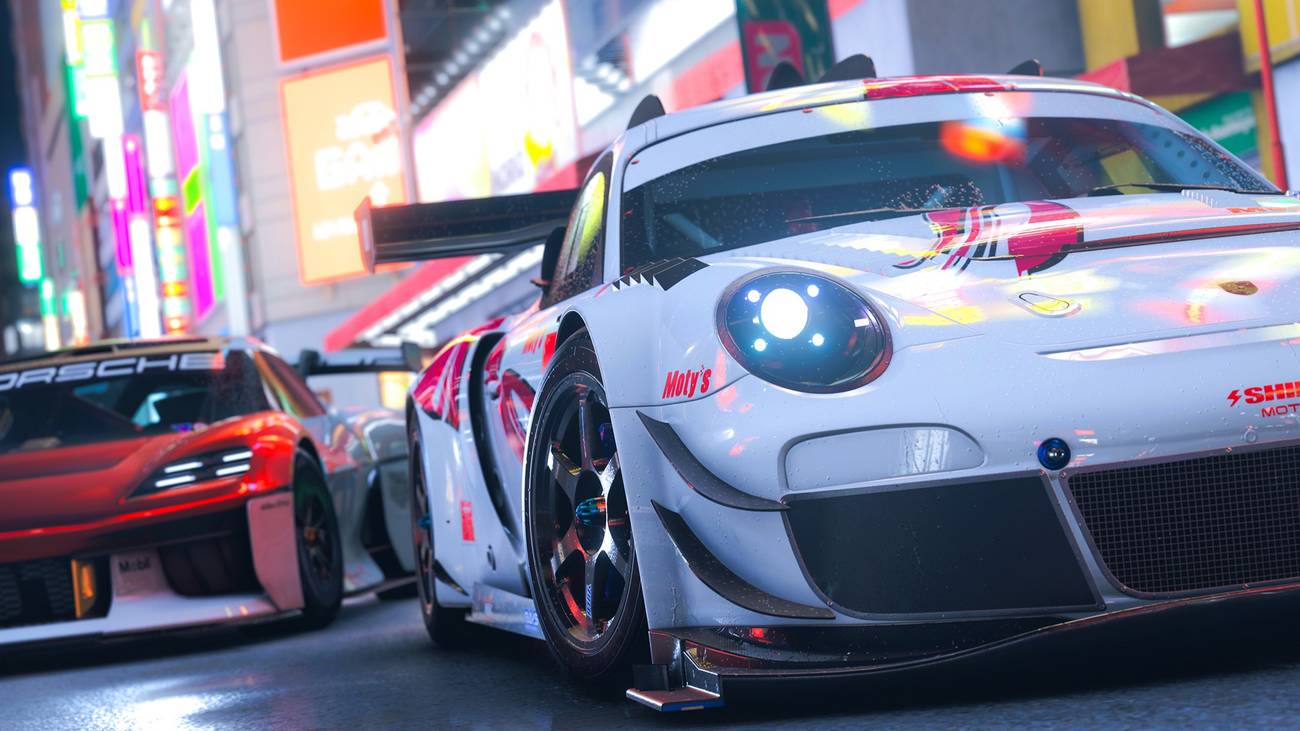
The centerpiece of the Japanese setting is the sprawling metropolis of Tokyo. This is, without question, the series’ most ambitious urban environment to date. Elevated freeways twist and spiral, creating a multi-layered urban driving experience that feels both futuristic and deeply ingrained in the city’s character. The sheer scale and intricate design of Tokyo provide a stunning backdrop for high-speed chases and intricate maneuvering. Beyond the neon-drenched cityscape, the map unfurls into a diverse and evocative landscape.

A Tapestry of Landscapes
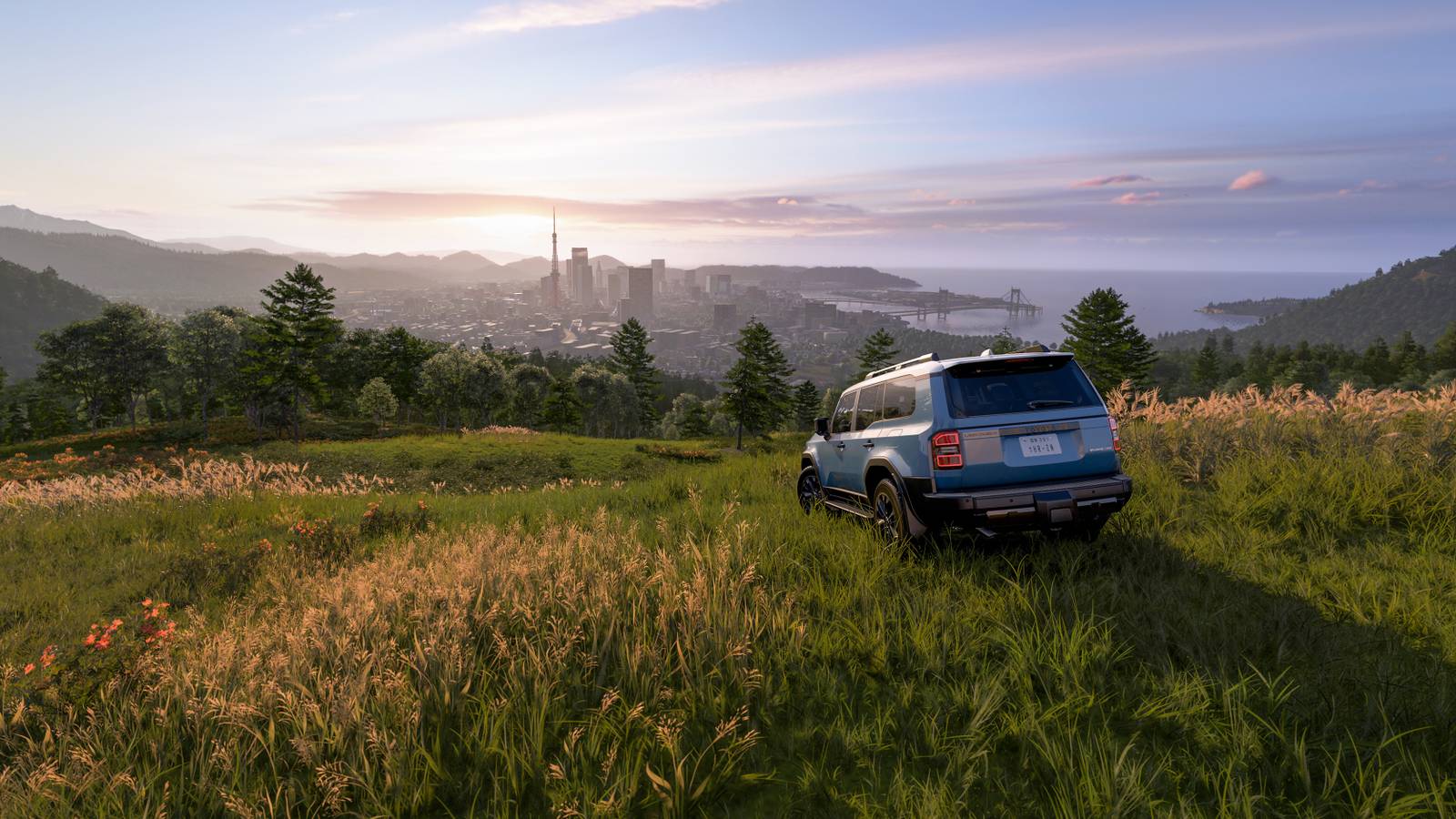
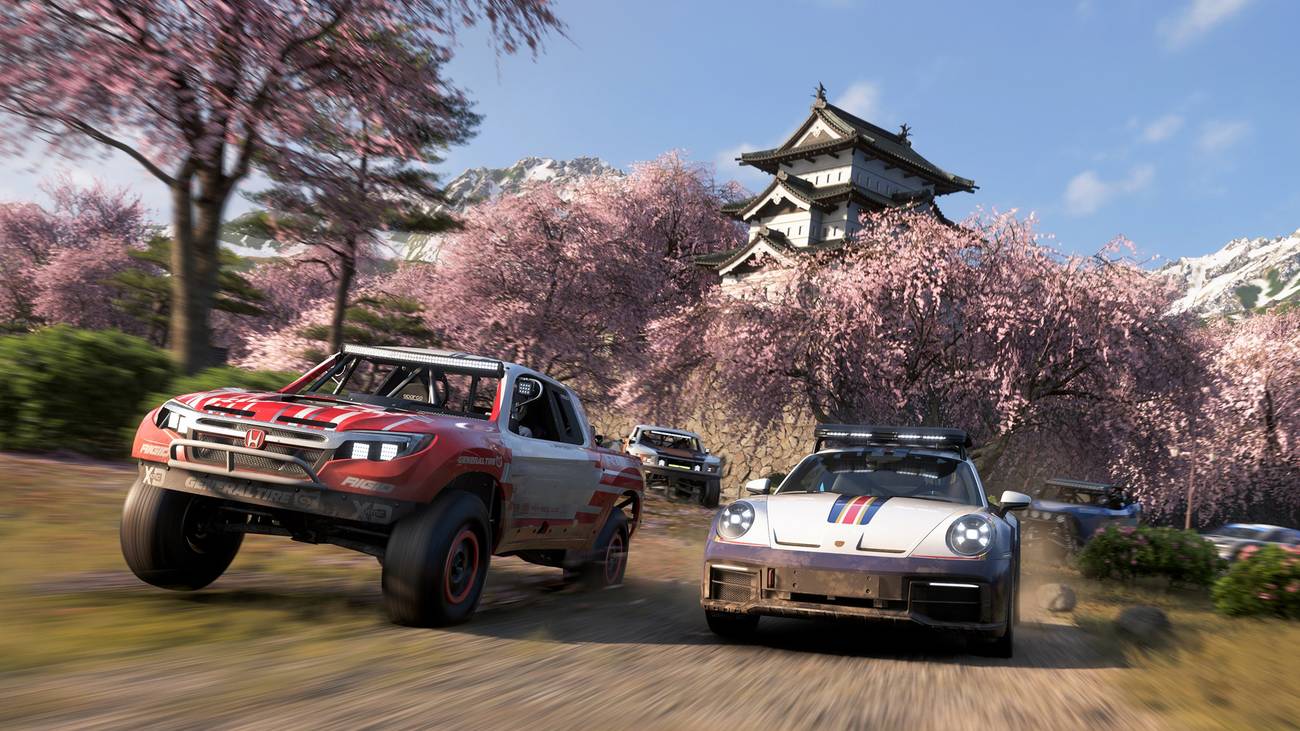
From the vibrant coastal fishing villages and serene, humid rice paddies to lush, forested slopes and the majestic, snow-capped alpine ranges, Forza Horizon 6 offers a geographically diverse playground. This variety ensures that no two driving experiences feel the same. The game’s seasonal rotation, a feature that has been a staple since Forza Horizon 4, promises to further enhance this diversity, transforming the familiar vistas with the unique characteristics of spring, summer, autumn, and winter. The developers have managed to capture a sense of place that feels genuine and immersive, avoiding the artificiality often found in themed environments.
Embracing the Culture: Car Culture and Immersive Details
Forza Horizon 6 doesn’t just present a stunning rendition of Japan; it actively engages with its rich automotive culture. The inclusion of a deep dive into local "esoterica" within the car catalog is particularly noteworthy. This goes beyond the familiar JDM sports cars, featuring a curated selection of smaller, more utilitarian vehicles such as K-cars, service vehicles, and taxis, alongside discreet luxury limousines. This attention to detail offers players a more comprehensive understanding of Japanese automotive life.
New event types like Touge one-on-ones directly draw from the legendary downhill mountain races popularized by Japanese street racing culture, offering a thrilling and intense new challenge. Similarly, the introduction of Horizon Rush events, with their emphasis on showy, stunt-heavy gymkhana-style time trials, inject a vibrant and dynamic energy into the gameplay. The series also leans into Japanese pop culture with whimsical, albeit generalized, nods like the concept of racing against a Gundam mech and the inclusion of kawaii mascot characters. While these elements may lean towards a tourist-board-approved fantasy, they are delivered with a sincerity that reflects a genuine appreciation for the subject matter.
The Evolution of Multiplayer: Organic Social Experiences
While Forza Horizon has always flirted with the idea of being a racing MMO, Forza Horizon 6 takes significant strides towards realizing that potential through more organic and emergent multiplayer experiences. The introduction of Time Trials that can be initiated directly from free-roam sessions is a game-changer. These circuits become instant hubs for other players, fostering spontaneous convoy invitations and the opportunity to compare lap times in real-time. This seamless integration of multiplayer into the open-world exploration is a brilliant realization of the series’ latent social potential. Impromptu drag races also benefit from this same organic matchmaking.
Beyond these spontaneous encounters, the game also fosters community through curated aftermarket car sales. These vehicles, upgraded and tailored to a player’s progress and nearby events, are offered by the roadside, injecting a sense of personal discovery into the car-buying process and reducing time spent navigating menus. This shift towards more integrated and less menu-driven social interactions is a welcome evolution for the franchise.
Addressing the Inevitable: Questions of Future Innovation
Despite its undeniable excellence, Forza Horizon 6 inevitably raises questions about the long-term sustainability of its formula. While the series has reached a near-perfect state of polish and accessibility, the very success of its established structure prompts a consideration of what comes next.
The Double-Edged Sword of Perfection
The core question that looms over Forza Horizon 6 is how much longer the series can continue to refine its existing framework before it begins to feel repetitive. Playground Games has a remarkable ability to imbue each iteration with a fresh sense of wonder and discovery. However, the sheer familiarity of the core gameplay loop, while comforting to many, may eventually necessitate a more radical departure.
The inclusion of an intricate environmental creation mode, allowing players to decorate garages and build custom estates, is an example of Playground Games attempting to add depth and longevity. While this feature is sure to be embraced by the highly creative Forza community, its practical utility for the average player might be limited, offering a glimpse into the challenge of finding genuinely additive new features that resonate broadly.
The Road Ahead: Balancing Tradition and Transformation
Playground Games has demonstrated an astute awareness of the series’ strengths and weaknesses. The dual-progression system, the enhanced multiplayer integration, and the thoughtful curation of Japanese automotive culture are all testament to their commitment to evolving the Forza Horizon experience. Yet, the fundamental question remains: at what point does refinement tip into stagnation?
The success of Forza Horizon 6 solidifies its position as the definitive arcade racing game of its generation. It delivers an unparalleled experience of automotive freedom, joy, and community. However, as the series looks towards future installments, the challenge for Playground Games will be to maintain this high standard while also pushing the boundaries of innovation, ensuring that the romance of the open road continues to captivate players for years to come, perhaps by exploring even more profound narrative arcs, more dynamic world interactions, or entirely new gameplay paradigms that build upon the series’ already stellar foundation.
Forza Horizon 6 will be released on May 19th for Windows PC and Xbox Series X, with early access commencing on May 15th. The game was reviewed on Xbox Series S and Xbox Ally X using a prerelease download code provided by Xbox.


Leave a Comment