Navigating the Goldeneye: How 007 First Light Found Its Blend of Stealth and Spectacle
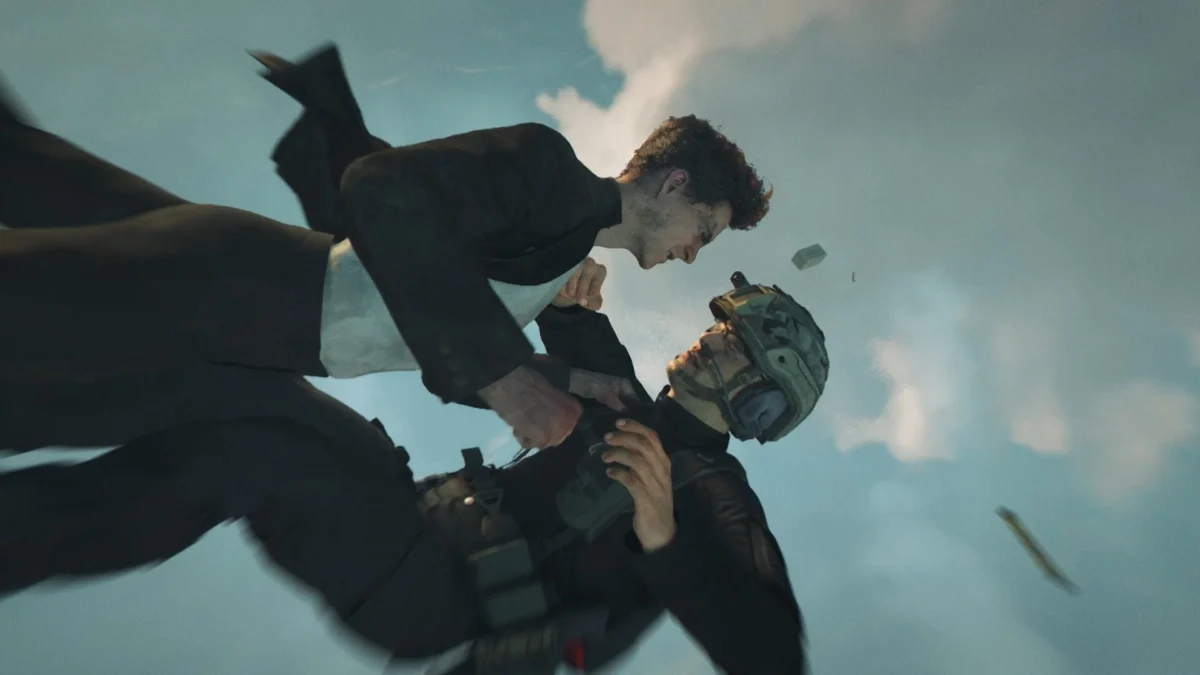
London, UK – [Insert Date] – The world of espionage, as embodied by James Bond, thrives on a delicate balance of charm, cunning, and calculated chaos. This intricate dance is precisely what IO Interactive aimed to capture in their recent title, 007 First Light. While the game has been lauded for its ability to allow players to embody Bond in various ways – from the suave operative to the blunt instrument – the development process was a perilous tightrope walk. Senior Combat Designer Tom Marcham recently revealed that First Light narrowly avoided becoming an overly aggressive, brawler-focused experience, a testament to the team’s dedication to preserving the core tenets of the iconic secret agent.
The Tightrope of Development: When Combat Threatened to Dominate
The genesis of 007 First Light was rooted in a desire to offer players a multifaceted Bond experience. The vision was clear: a flexible blend of shooting, sneaking, and close-quarters combat, allowing for a truly personal approach to each mission. However, as is often the case in the crucible of game development, the reality proved more complex. Marcham, speaking at the UKIE’s "For One Night Only" showcase, detailed how the visceral thrill of direct confrontation repeatedly threatened to overshadow the more nuanced stealth and social mechanics.
"There’s been different times where in development, the combat got a bit too overpowered, and then the stealth would go away for a little while because it would be too easy to fight your way through," Marcham explained. This created a recurring challenge for the development team: how to ensure that the stealth and social aspects remained viable and engaging when the option to simply punch one’s way through seemed so readily available and effective.
The risk, as Marcham articulated, was that the game could devolve into a purely combat-driven affair, losing the essence of what makes James Bond, well, James Bond. "And then we’d have to find different ways to challenge the player," he continued. "So there were a couple of times in development where it started to feel like there wasn’t any stealth element in the game."
This cyclical struggle between combat dominance and the preservation of stealth highlights a fundamental design challenge. When a particular gameplay mechanic proves exceptionally effective and satisfying, it can naturally draw players towards it, potentially unbalancing the overall experience. For 007 First Light, the allure of direct confrontation was a powerful siren song, one that the developers had to actively resist to maintain their intended vision.
A Ghostly Past: The Shadow of Hitman’s Legacy
The notion of an IO Interactive game downplaying stealth might strike many as ironic, given the studio’s legendary pedigree with the Hitman series. The Hitman franchise is practically synonymous with meticulous planning, environmental awareness, and the art of silent elimination. To imagine a game from the creators of Agent 47 making stealth an afterthought would undoubtedly send ripples of concern through their dedicated fanbase.
"I found this anecdote amusing on two levels," remarked the article’s original author. "One, can you imagine such an obviously Hitman-influenced IO game making an afterthought of the stealth? They’d have furious, freshly head-waxed Agent 47 superfans clambering the drainpipes of their Copenhagen HQ like vengeful, hairless squirrels." This sentiment underscores the deep-seated expectation that stealth will always be a cornerstone of any IO Interactive stealth-adjacent title. The team’s success in navigating this challenge, therefore, is not just a matter of internal development but also a matter of managing the expectations of a discerning player base.
The struggle to balance combat and stealth in First Light served as a constant reminder of the studio’s heritage. It necessitated a conscious effort to ensure that the lessons learned from years of crafting complex stealth sandboxes were not lost in the pursuit of immediate, impactful action. The developers had to actively rein in the combat’s potency, not to make it weak, but to ensure it didn’t become the only viable path.
The Balancing Act: Reining in the Brawler
The process of achieving the desired balance was not a single, decisive action but rather an ongoing series of adjustments and refinements. Marcham elaborated on the continuous nature of this endeavor: "And then we had to kind of bring it back, and tone… or not tone, but balance it to make sure that you know your first resort isn’t always – unless you want it to be – going up and punching someone. To get it so that all of those options are interesting and balanced. That kind of went up and down throughout development."
This description paints a picture of a dynamic development cycle where the team was constantly evaluating and tweaking the gameplay loops. It suggests that there were periods where combat was indeed too dominant, leading to a reduction in the perceived importance of stealth. Conversely, there were likely times when stealth mechanics were overemphasized, perhaps making combat feel less impactful or even frustrating. The goal was to create a state of equilibrium where each approach offered distinct advantages and disadvantages, catering to different player styles and encouraging strategic thinking.
The success of this balancing act is, of course, ultimately judged by the player. The original author’s personal experience, where they "ghosted through the opening hour… with fully 007-like efficacy, before getting beaten into unconsciousness by some drunk bloke in a nightclub toilet," serves as a humorous yet telling anecdote. It highlights both the player’s initial success with stealth and the game’s ability to still present challenges that require more direct intervention, even if it leads to an unceremonious defeat. This suggests that while the combat was reined in, it still retained its potential for danger, and the player’s skill – or lack thereof – ultimately determined their fate.
A Glimpse Beyond the Horizon: DLC, Gadgets, and Brand Relations
While the internal development struggles of 007 First Light provide fascinating insight, Marcham remained tight-lipped about future content. He did not offer details on the upcoming story DLC or further information on the "Pirate King" DLC and new game modes. However, he did touch upon the game’s integration of real-world brands, specifically mentioning the AR glasses based on the real-life Even G2.
Interestingly, Marcham revealed that the brands involved in the game’s product placement appear to be remarkably unfazed by how their products are utilized within the game’s often chaotic scenarios. "Though I did at least learn that the brands involved in the game’s product placement dabbling tend to be fairly unbothered by how you misuse and abuse their wares in-game." This suggests a level of trust and understanding between IO Interactive and the brands, allowing for a more organic integration of product placement without compromising the game’s narrative or gameplay.
This is a significant point, as brand integration can often be a delicate dance. The fact that IO Interactive can allow players to, for instance, destroy a vehicle adorned with a specific brand’s logo, or use a branded item in a less-than-savory manner, speaks volumes about the collaborative spirit. It implies that the brands recognize the value of being associated with a high-profile franchise like James Bond, even if their products are subjected to the rigors of spycraft.
The anecdote about Mark spending "about nine hours deciding on an Omega watch strap before almost immediately ditching it inside a crashing plane" further illustrates this point. It’s a humorous testament to the player’s agency within the game world and the apparent leniency of the brands involved. It reinforces the idea that 007 First Light aims to provide a sandbox where players can truly embody Bond, complete with all the high-stakes, often destructive, actions that come with the territory.
The Enduring Appeal of the Balanced Agent
The journey of 007 First Light from its initial concept to its polished release is a compelling case study in game development. The core challenge of balancing diverse gameplay mechanics, particularly when drawing upon a studio’s established legacy, is a hurdle that many developers face. IO Interactive’s success in ensuring that both stealth and combat have a meaningful place in First Light is a testament to their design prowess and their understanding of what makes the James Bond fantasy so enduring.
The game, by Marcham’s own admission, did not become a "Hitman-scale murder sandbox." Instead, it evolved into something distinct: a "flowing thriller that blends occasional sandboxy spying into an exotic rollercoaster ride." This evolution, born from the necessity of reining in an overzealous combat system, ultimately resulted in a richer and more varied player experience.
The ongoing development, including the promise of new DLC and the integration of real-world products, suggests that 007 First Light is a project that IO Interactive is committed to evolving. As players continue to navigate the world of espionage, the delicate balance struck between all of Bond’s disciplines – from the quiet infiltration to the explosive confrontation – will undoubtedly remain a key factor in its appeal. The near miss with an overly aggressive combat focus serves as a valuable lesson, underscoring the importance of preserving the nuanced identity of the world’s most famous secret agent. The best Bond game ever? That remains a subjective question, but 007 First Light‘s journey to find its balanced identity is a narrative worthy of its titular hero.