Ryan Cahill’s "The Fall": A Masterclass in Subtlety and the Weight of What’s Lost
FOR IMMEDIATE RELEASE
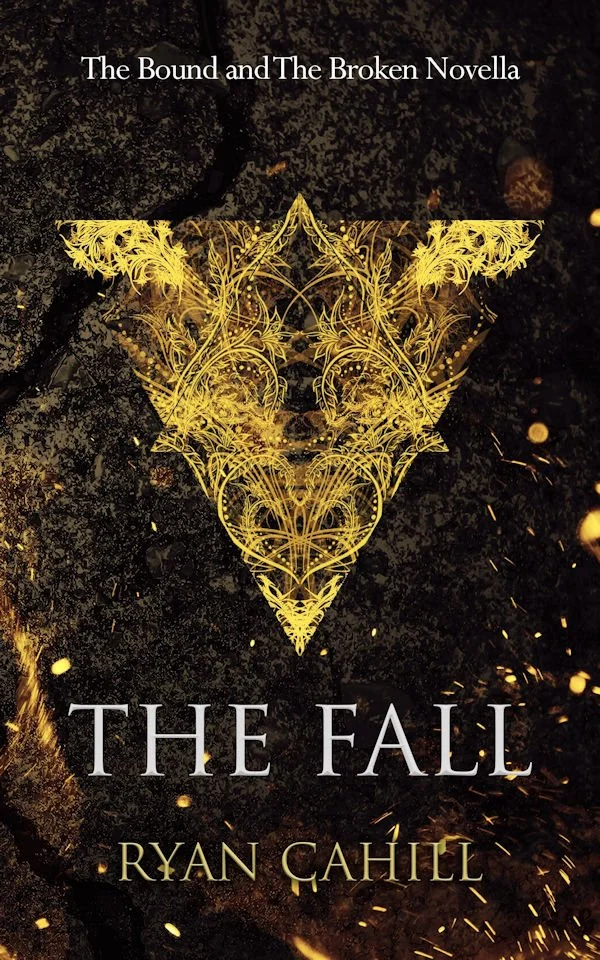
SCOTLAND – July 25, 2024 – In the vast and often bombastic landscape of modern epic fantasy, Ryan Cahill’s latest novella, The Fall, emerges not with a shout, but with a profound whisper. Serving as a crucial prequel to his acclaimed series, The Bound and the Broken, The Fall eschews the conventional fanfare of origin stories, opting instead for a meticulously crafted narrative that explores the harrowing aftermath of a world in collapse. Critically praised for its intimate character work and a unique focus on the emotional weight of historical inevitability, the novella has quickly cemented its place as an indispensable entry for both ardent fans and new readers of Cahill’s expansive world.
Authored by Tom Joyce, the initial review highlights The Fall‘s deliberate choice to dial down the volume, allowing readers to truly feel the burden of what has been irrevocably lost. Set thousands of years after the founding of The Order, the novella plunges into a period where the venerable institution, once the stalwart guardians of the continent of Epheria, faces accusations of corruption, indulgence, and deceit. The narrative opens with stark imagery: "The City of Ilnaen is on fire. Dragons fill the skies. Traitors fill the streets." This immediate immersion into chaos sets the stage for a story less concerned with the build-up to cataclysm and more with the profound, personal fallout of its arrival.
The Narrative Unveiled: A Prequel Unlike Others
Ryan Cahill’s The Fall is not merely an antecedent; it is a vital recontextualization of established lore within The Bound and the Broken series. Positioned chronologically before the first full-length novel, Of Blood and Fire, the novella deliberately chooses to depict the consequences rather than the genesis of one of Epheria’s most pivotal historical moments. This narrative decision is central to its acclaimed impact, allowing for a unique exploration of decline and resilience.
The Setting: Epheria on the Brink
The continent of Epheria, a land steeped in ancient traditions and governed for millennia by The Order, finds itself at a precipice. The review meticulously outlines the growing disillusionment with The Order, whose long reign has, for many, devolved into a period marked by corruption, self-interest, and duplicity. This internal decay forms the ideological backdrop against which the physical destruction unfolds. The vivid portrayal of Ilnaen ablaze, with dragons – often symbols of immense power and destruction in fantasy – dominating the skies, and betrayal festering in the very heart of its streets, immediately establishes a sense of profound crisis. It is a world unraveling, where the established order is not just challenged but actively being torn apart by internal dissent and external forces.
A Chronicle of Collapse: The Fall of The Order
Unlike many prequels that strive to explain every minute detail leading to a grand event, The Fall focuses on the emotional and human experience of living through the "fallout." There is an omnipresent sense of inevitability that permeates the narrative from its opening pages. Readers are drawn into a world where collapse is not a looming threat but a present reality, and the tension derives from observing characters grapple with this dawning, irreversible truth. The power of the story, as highlighted by Joyce, resides in watching this realization settle and deepen within the characters, rather than in the surprise of a plot twist or a sudden revelation. This approach allows Cahill to explore the quieter, more devastating aspects of societal breakdown, emphasizing the personal cost of epic-scale conflict. The focus shifts from the architects of the fall to those who must endure its immediate, brutal aftermath, making the historical event deeply human and resonant.
Crafting Inevitability: Cahill’s Subtlety in Storytelling
Cahill’s approach in The Fall stands in deliberate contrast to many contemporary fantasy prequels. Where others might opt for sprawling exposition and thunderous spectacles to justify their existence, Cahill masterfully employs a subtler hand, allowing the narrative’s weight to be felt rather than overtly declared. This strategic restraint is a hallmark of the novella’s critical success and its ability to deeply impact readers.
Deconstructing the Prequel Trope
The review astutely observes that many prequel novels "try too hard to justify themselves by reaching for scale and spectacle." They often over-explain, shouting their significance to ensure no reader misses the point. Cahill, however, understands that the most effective prequels achieve something far more difficult: they recontextualize established truths, thereby reshaping the reader’s understanding of what is yet to come in the main series. The Fall succeeds precisely because it "dial[s] down the volume," allowing the reader to internalize the sheer weight of what has already been lost. This method creates a profound sense of historical tragedy, making future events in The Bound and the Broken series resonate with deeper meaning and emotional heft. It is not about revealing new information for information’s sake, but about enriching the emotional landscape of the entire saga.
Intimacy Amidst Chaos: Character and Connection
At the heart of The Fall is its unwavering focus on connection. The character work is intentionally "low-key and intimate," built around the enduring power of relationships, the echoes of memory, and the lasting impact of legacy. While the epic carnage unfolds on the fringes of the narrative, Cahill grants these personal elements ample "time and space to breathe." This allows for a deeply human story to emerge from the ashes of a collapsing world. The quiet emotional weight that settles upon the reader at the novella’s conclusion, rather than an explosive dramatic climax, is a testament to this character-centric approach. Readers are invited to witness individual struggles and bonds in the face of overwhelming odds, making the larger historical tragedy feel intensely personal. This emphasis on the micro-narrative within the macro-event is a key factor in the novella’s ability to forge a strong emotional bond with its audience, transforming historical events into lived experiences.
The Bound and the Broken: Contextualizing "The Fall"
The Fall‘s significance cannot be fully appreciated in isolation. It is an integral component of The Bound and the Broken, a series that has rapidly garnered a reputation as one of the most remarkable fantasy sagas of recent years. The novella serves not just as a standalone story, but as a meticulously placed piece within a grander narrative tapestry, enhancing the entire reading experience.
An Essential Stepping Stone
Despite its modest length—under 30,000 words—The Fall is described as an "important stepping stone" on the epic journey of The Bound and the Broken. While its brevity means certain character beats pass quickly and the world itself is "sketched rather than deeply explored" (reserving that for the weighty main novels), this conciseness is paradoxically one of its strengths. The novella’s apparent brief, "Get in, make us care, and then creep out quietly," is executed with precision. It delivers a potent emotional punch without overstaying its welcome, efficiently establishing a foundational understanding and emotional resonance that reverberates through the subsequent novels. For those new to the series, it provides a compelling, if harrowing, entry point, offering a glimpse into the depth and tone of Cahill’s world without overwhelming them with an epic’s scale.
Drawing from Familiar DNA: Tropes and Their Mastery
The review acknowledges that The Fall "draws on familiar fantasy DNA." Readers will encounter classic tropes such as fallen kingdoms, pervasive betrayal, lingering magic, the long shadow of history, and, of course, "really big dragons." However, Cahill’s genius lies not in radical reinvention but in a confident and purposeful embrace of these elements. He leans into these established tropes with "clarity and purpose," resulting in a story that feels "grounded, sincere, and very human." This mastery of conventional fantasy elements, rather than their subversion, allows the narrative to connect deeply with readers who appreciate the genre’s rich heritage. By treating these tropes with respect and infusing them with genuine emotion and relatable human drama, Cahill crafts a narrative that feels both comfortingly familiar and refreshingly authentic, elevating the storytelling beyond mere cliché.
Critical Reception and Authorial Intent
The reception of The Fall, as articulated in the review, underscores its unique contribution to Ryan Cahill’s expanding universe and to the fantasy genre at large. Its impact is not immediate or explosive, but rather a slow-burn realization that deepens with subsequent engagement with the main series.
A Resonant Introduction
On its own merits, The Fall is lauded as a "solid, emotionally resonant introduction." It effectively sets a somber tone and establishes a profound emotional foundation for the events that follow. The novella’s controlled ambitions are precise: it seeks to invite the reader into the aftermath of a monumental catastrophe, allowing them to experience the personal grief and societal disruption that precedes the larger heroic sagas. This intentional focus on the consequences, rather than the build-up, allows Cahill to explore themes of loss, resilience, and the enduring human spirit in a more intimate and impactful way. The critical appreciation stems from its ability to evoke strong feelings and forge connections without resorting to bombastic narrative tactics, a testament to Cahill’s maturing craft.
The Retrospective Power
One of the most intriguing aspects highlighted is how The Fall "seems to grow in retrospect." While compelling on its own, its true power is unlocked within the context of the wider The Bound and the Broken series. Details that might initially appear minor take on "greater meaning," emotional beats "deepen," and what felt like a "small, contained story begins to echo outward." This retrospective enrichment is the hallmark of a truly successful prequel. It not only stands independently but actively reshapes and amplifies the stories that follow, making them feel "heavier" with the weight of prior events. This layered narrative design demonstrates Cahill’s foresight and his ability to weave a complex, interconnected tapestry that rewards dedicated readers, transforming a mere backstory into an essential emotional anchor for the entire saga.
Broader Implications for Epic Fantasy
The Fall is more than just a successful prequel; it offers valuable insights into effective storytelling within the epic fantasy genre and solidifies Ryan Cahill’s position as a significant voice in contemporary fiction.
Deepening the World of Epheria
For existing fans of The Bound and the Broken, The Fall provides invaluable depth and context to the history and motivations within Epheria. It transforms abstract historical events, often referenced in the main series, into tangible, emotionally charged experiences. By witnessing the "fall" firsthand, readers gain a richer understanding of the societal scars, the lingering resentments, and the driving forces behind characters and factions in Of Blood and Fire and beyond. This profound deepening of the world-building is crucial for an epic fantasy series, turning a fictional realm into a place that feels lived-in and historically authentic. It enriches the reader’s appreciation for the struggles and triumphs that define the main narrative, making the overarching conflict more poignant and meaningful.
A Model for Prequel Storytelling
In an era where prequels often struggle to justify their existence, The Fall stands as a compelling model for how to execute them effectively. It demonstrates that the value of a prequel lies not in explaining everything, but in recontextualizing established narratives and deepening emotional resonance. By focusing on the impact of historical events rather than their exhaustive genesis, Cahill avoids the pitfalls of over-exposition and narrative bloat. This novella proves that brevity, intimacy, and a clear understanding of the prequel’s purpose can lead to a more impactful and memorable reading experience, setting a new standard for how supplementary stories can enhance a primary series without overshadowing it. Its success offers a valuable lesson to other authors navigating the complexities of expanding their fictional universes.
Ryan Cahill’s Ascendance
The critical success of The Fall further solidifies Ryan Cahill’s reputation as a rising star in epic fantasy. His ability to craft a narrative that is both familiar in its genre conventions and unique in its execution speaks volumes about his skill as a storyteller. He navigates complex themes of corruption, betrayal, and the collapse of power with a maturity and subtlety that belies his relative newness to the genre’s forefront. The review’s praise, combined with the wider acclaim for The Bound and the Broken, positions Cahill as an author who is not only delivering "remarkable fantasy" but also innovating within its established frameworks, particularly in his nuanced approach to character-driven narratives, moral complexity, and the evolving trends within modern fantasy fiction.
Conclusion
The Fall by Ryan Cahill is unlikely to be remembered for groundbreaking narrative reinvention, nor does it aspire to be. Its ambitions are, as the review aptly puts it, "more controlled and precise." What it achieves, however, is far more significant: it sets a powerful tone, establishes an indelible emotional foundation, and masterfully invites the reader into the profound aftermath of a world irrevocably changed. For fans of The Bound and the Broken, it is an essential piece of the puzzle, deepening their understanding and emotional investment in Epheria. For newcomers, it offers a poignant, character-driven introduction to a world on the brink. The Fall is a testament to the power of subtle storytelling, proving that sometimes, the most resonant narratives are found not in the roar of battle, but in the quiet, devastating echoes of what has already been lost. It stands as a powerful reminder of why The Bound and the Broken continues to be one of the most compelling and emotionally resonant fantasy series in recent memory.
About the Reviewer:
Tom Joyce is a fantasy writer, educator, and lifelong genre enthusiast based in Scotland. He reads epic fantasy, grimdark, and space opera and has a particular interest in character-driven narratives, moral complexity, and evolving trends within modern fantasy fiction. When he’s not reading or writing, he teaches literature and media studies, plays bass guitar in a rock band, and makes up stories for his two children.