
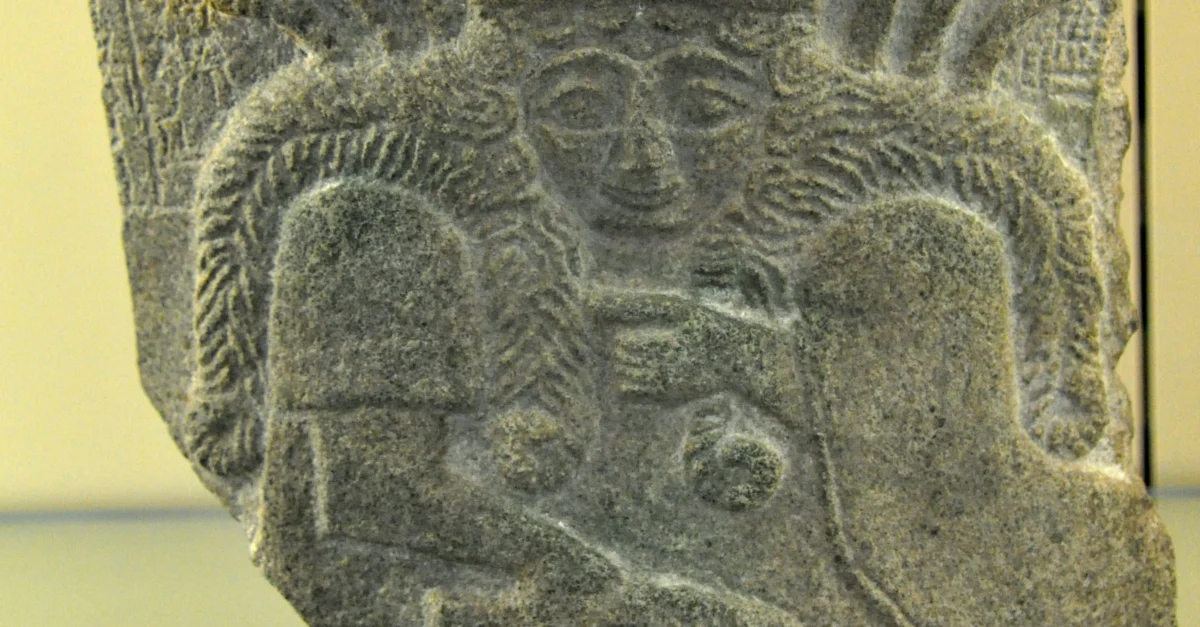
Introduction In the annals of ancient Mesopotamia, amidst a pantheon of powerful deities, stands Nisaba (also known as Naga, Se-Naga, Nissaba, Nidaba, and associated with Nanibgal), the Sumerian goddess of writing, accounts, and the revered scribe of the gods. While the name Nidaba is commonly encountered, noted scholar Jeremy Black posits that &qu
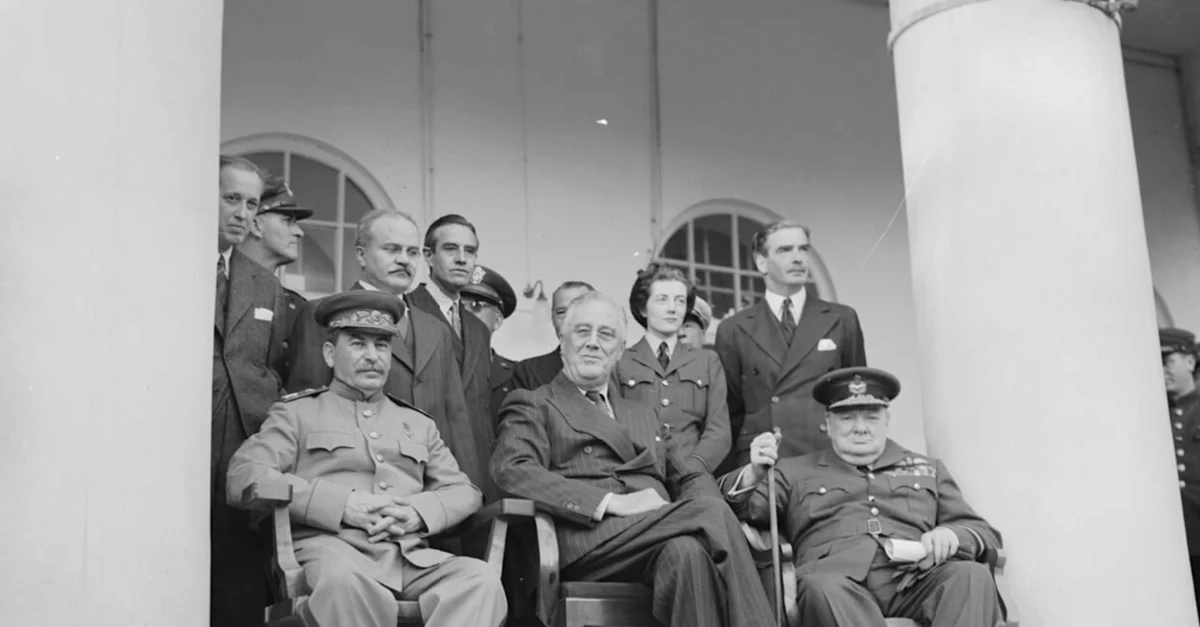
The Tehran Conference: Forging a Grand Alliance Amidst Shifting Tides and Emerging Tensions
Tehran, Iran – December 1, 1943 – In a pivotal moment of World War II, the leaders of the Allied powers – U.S. President Franklin D. Roosevelt, Soviet Premier Joseph Stalin, and British Prime Minister Winston Churchill – concluded the Tehran Conference, code-named "Eureka." This historic four-day meeting, held from November 28 to December
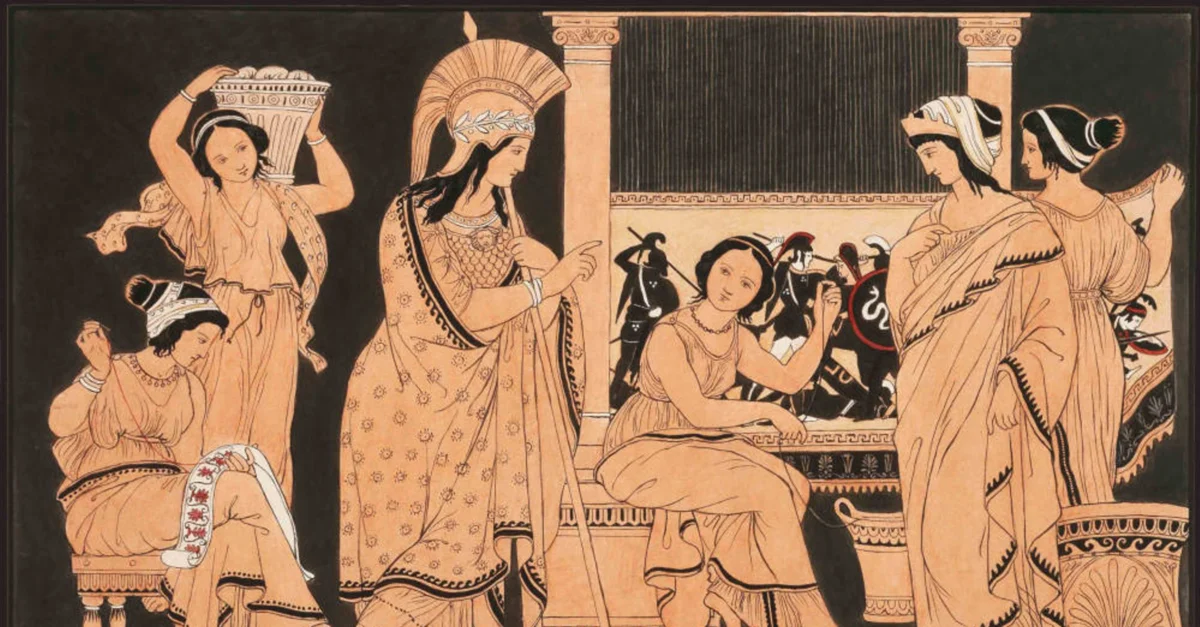
Penelope of Ithaca: Unraveling the Enduring Legacy of Loyalty and Wit
In the annals of Greek mythology, few figures resonate with the complexity and unwavering spirit of Penelope, the formidable queen of Ithaca. As the wife of the legendary Odysseus, the cunning king renowned for his exploits, and the devoted mother of Telemachus, Penelope’s story is an epic within an epic. She is immortalized in Homer’s

The Mycelial Network of Myth: Tracing Herne the Hunter Through Folklore and Fiction
Folklore and ancient tales form a colossal, intricate web, much like the subterranean mycelial networks that underpin forests. This vast, living system quietly feeds and informs the diverse narratives that sprout above the surface, spreading its tendrils through human cultures and societies. Just as a walk in the forest might reveal the distinct fo
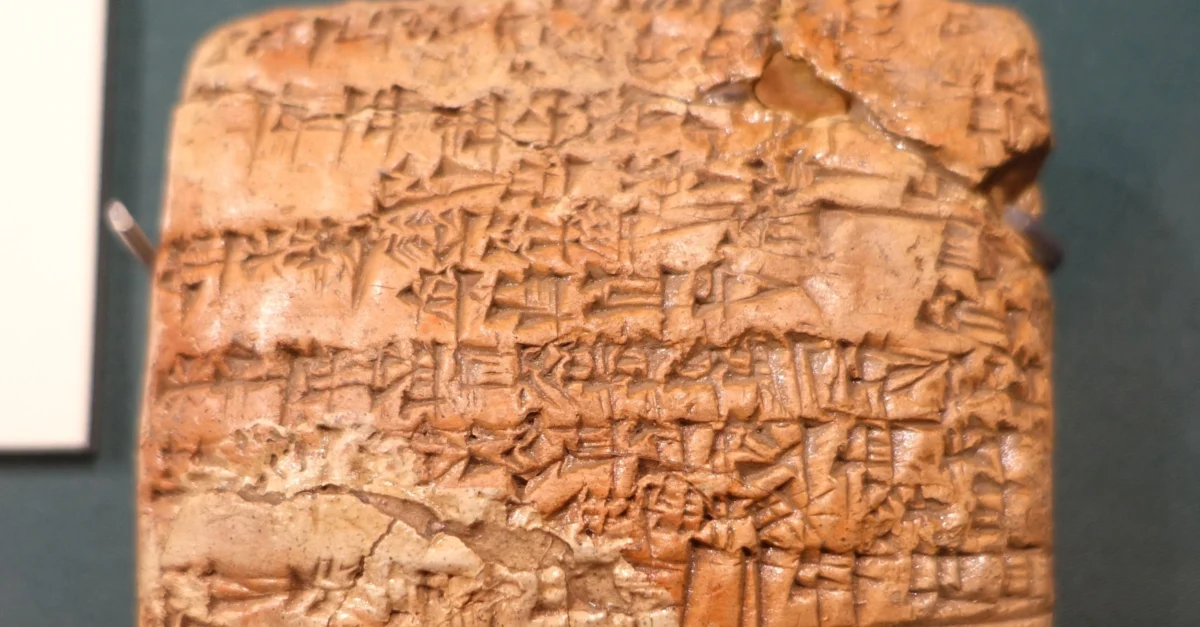
Unveiling Ancient Justice: The Sumerian Hymn to Nungal
Nippur, Mesopotamia – Circa 1894-1595 BCE – In the annals of ancient literature, few texts offer as profound and complex a window into early concepts of justice, divinity, and human accountability as the Hymn to Nungal. This Sumerian poem, dating back to at least the Old Babylonian period, extols Nungal, a deity whose portfolio uniquely […]
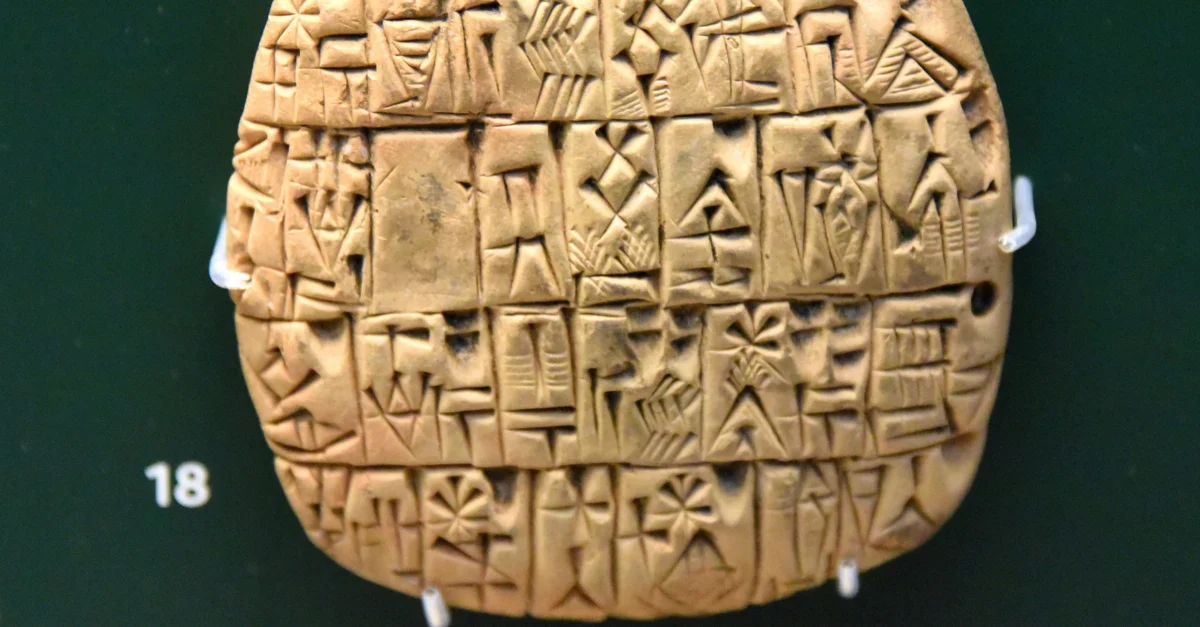
Unearthing the Divine Scribe: The Enduring Legacy of the Sumerian Goddess Nisaba and Her Ancient Hymn
FOR IMMEDIATE RELEASE Mesopotamia’s Divine Administrator: Rediscovering Nisaba, Goddess of Writing and Accounts [DATELINE, Ancient Mesopotamia Studies] – In the annals of ancient Sumerian civilization, few deities encapsulated the very foundations of societal order and intellectual progress as profoundly as Nisaba. Revered as the goddess of w
The Undying Flame: How Renaissance Magic Reshaped Modernity, According to Ioan P. Couliano
A groundbreaking historical and philosophical work, "Eros and Magic in the Renaissance" by Ioan P. Couliano, challenges prevailing notions about the origins of modern thought, arguing that our contemporary understanding of imagination and desire as purely subjective forces is a radical departure from historical perspectives. Far from a si
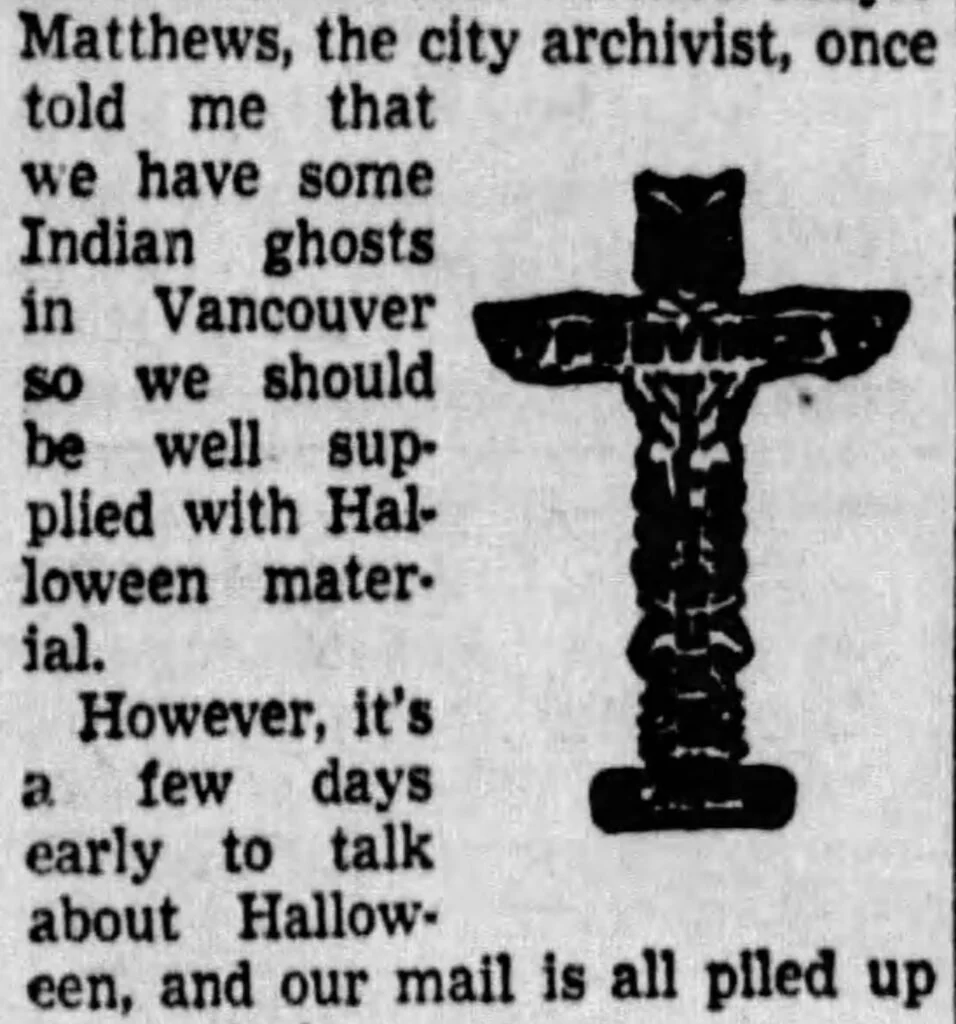
The Enduring Haunt: Deconstructing the "Indigenous Burial Ground" Trope in North American Pop Culture
Main Facts In North America, the phrase "built on an Indian burial ground" has become a ubiquitous explanation for paranormal phenomena, particularly in horror narratives. This urban legend, deeply embedded in popular culture, posits that disturbances in a home or location are the result of desecrated Indigenous sacred sites, thereby invo
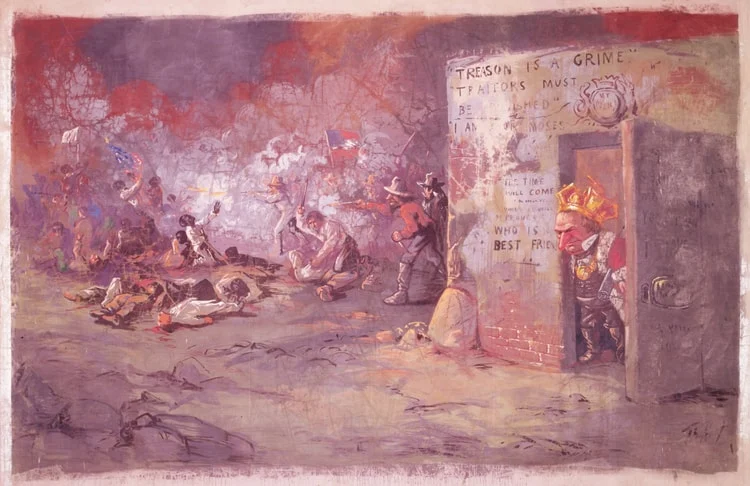
The Shadow of Freedom: Unpacking the Black Codes and Their Enduring Legacy
Washington D.C. – In the tumultuous aftermath of the American Civil War, as the United States grappled with the monumental task of reunifying a fractured nation and integrating millions of newly freed individuals, a sinister set of legislative acts emerged from the former Confederate states: the Black Codes. Enacted primarily between 1865 and 1866,
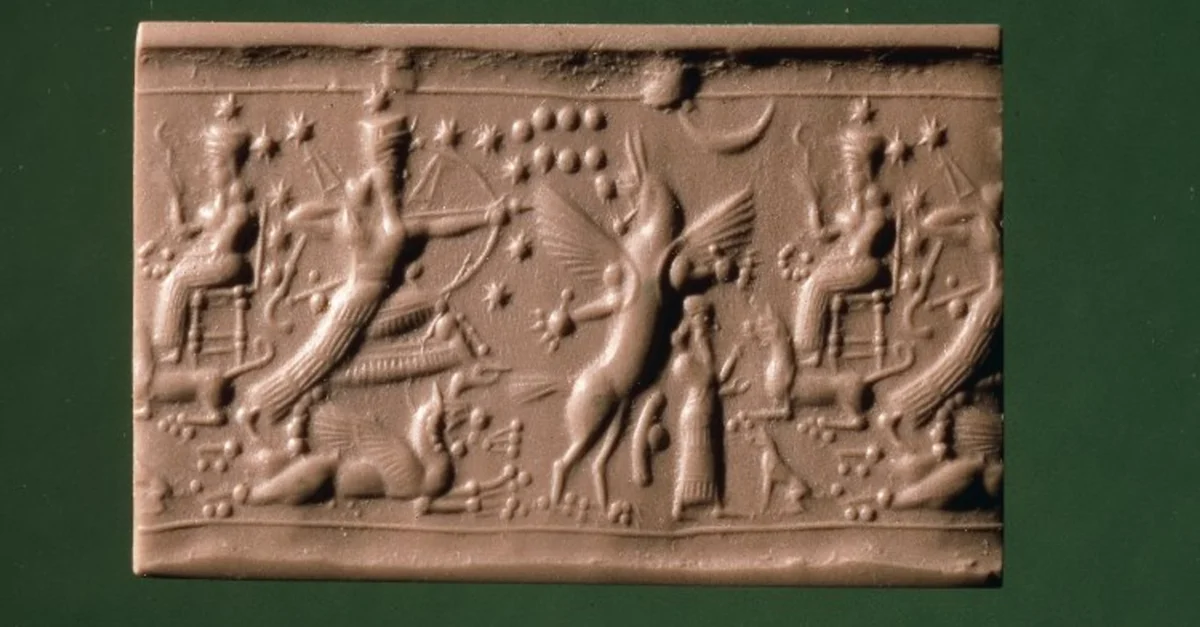
The Enduring Legacy of Ninurta: From Plow to Pantheon’s Champion
Ancient Mesopotamia, a land of shifting sands and mighty rivers, gave birth to a pantheon of deities whose influence shaped civilizations for millennia. Among them stands Ninurta, a hero-god whose multifaceted nature—from agricultural benefactor to fearsome warrior—mirrored the evolving societies that worshipped him. Identified variously as Ningirs
