

Introduction: The Lingering Echo of a Wartime Judgment The stark phrase "Lack of Moral Fiber" (LMF) served as official jargon during the Second World War, a blunt instrument used to categorize aircrew members who, under the unimaginable pressures of combat, "gave way to fear." This was particularly true for those serving in Roya

The Audacity of the Afterthought: Re-evaluating the 9/11 Twist of ‘Remember Me’
In the landscape of 21st-century cinema, few narrative pivots are as infamous, polarizing, or enduringly discussed as the final three minutes of the 2010 romantic drama Remember Me. Directed by Allen Coulter and starring Robert Pattinson at the height of his Twilight fame, the film spent nearly its entire runtime masquerading as a standard, albeit

The Overdue Narrative: Evaluating the Veteran Contenders for the 99th Academy Awards
The history of the Academy of Motion Picture Arts and Sciences is as much a chronicle of who was snubbed as it is a record of who won. The "overdue" narrative—the idea that a performer’s cumulative body of work and previous near-misses should weigh on the current year’s ballot—is one of the most potent forces […]

The Scars of Fear: Re-evaluating "Lack of Moral Fiber" in the Crucible of War and Beyond
The chilling official designation of "Lack of Moral Fiber" (LMF) during World War II served as a stark judgment on aircrew members, particularly those in Royal Air Force Bomber Command, who succumbed to the paralyzing grip of fear. In the face of unimaginable peril, this term, though seemingly straightforward, carries a profound weight, p

The Shadow of "Lack of Moral Fiber": Re-evaluating Courage and Character in the Crucible of War and Beyond
A retrospective examination of a wartime designation reveals profound questions about fear, morality, and human evolution. The stark phrase "Lack of Moral Fiber" (LMF) echoes from the grim realities of the Second World War, a piece of official jargon that served to label aircrew members, particularly those in the perilous Royal Air Force

The Weight of Fear: Re-evaluating "Lack of Moral Fiber" in the Crucible of War and Beyond
The shadows of World War II cast a long and complex legacy, not just on the battlefields but also within the human psyche. One such enduring shadow is the term "Lack of Moral Fiber" (LMF), a piece of official jargon used to describe aircrew members, particularly those in Royal Air Force Bomber Command, who succumbed […]
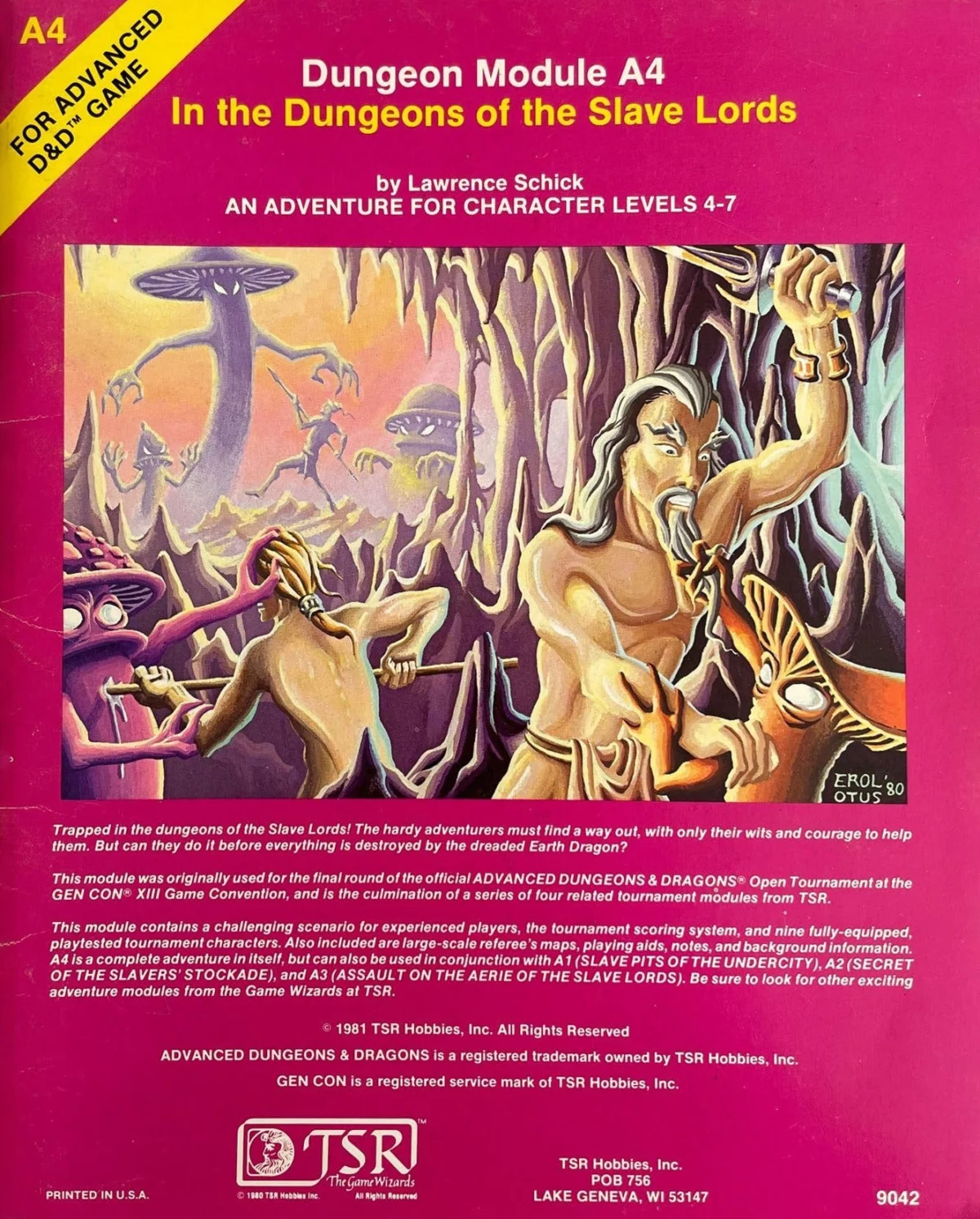
The Unfinished Symphony: Re-evaluating the Divisive Climax of D&D’s "A4: In the Dungeons of the Slave Lords"
Originally Published March 16th, 2002 (Review) The annals of tabletop role-playing games are replete with legendary adventures, sagas that captivate generations of players and Dungeons & Dragons Dungeon Masters alike. Among these, TSR’s "A-series," often known as the "Slavers saga," holds a revered, if somewhat complic

Re-evaluating Our Ancestral Legacy: The Unsung Triumph of Homo erectus
For too long, the narrative of human evolution has been a teleological march towards Homo sapiens, casting our predecessors as mere stepping stones on the path to our perceived pinnacle. This anthropocentric bias often dismisses earlier hominin species as rudimentary, unsophisticated preludes to our own "Mercedes-class" existence. However
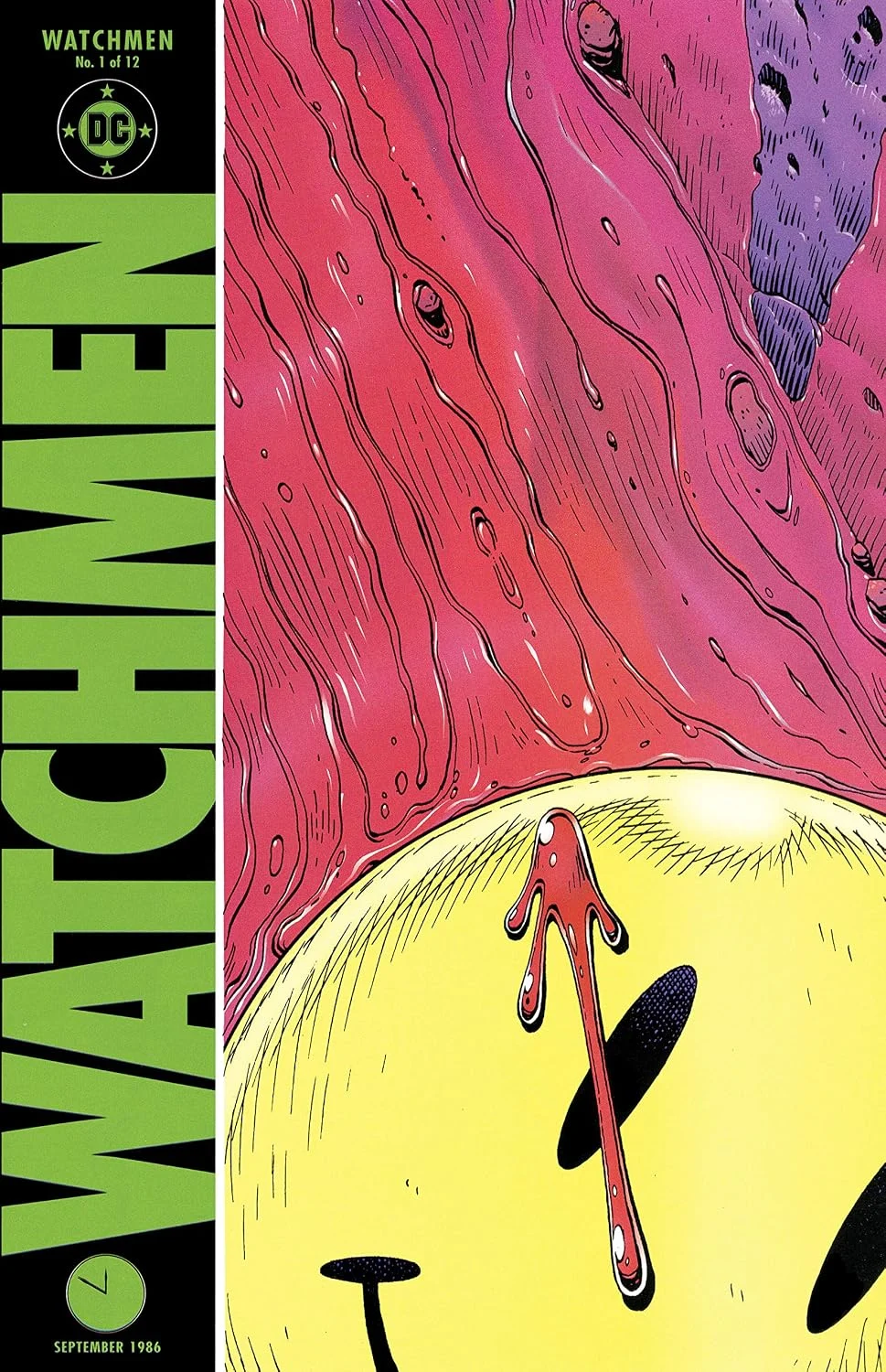
The Clock Stays at Midnight: Re-evaluating the Legacy and Impact of Alan Moore’s Watchmen
Forty years after its initial publication, Alan Moore and Dave Gibbons’ Watchmen remains the singular monolith of the graphic novel medium. Originally released as a 12-issue limited series by DC Comics between 1986 and 1987, it did more than just "deconstruct" the superhero; it dismantled the American mythos during the height of Cold War
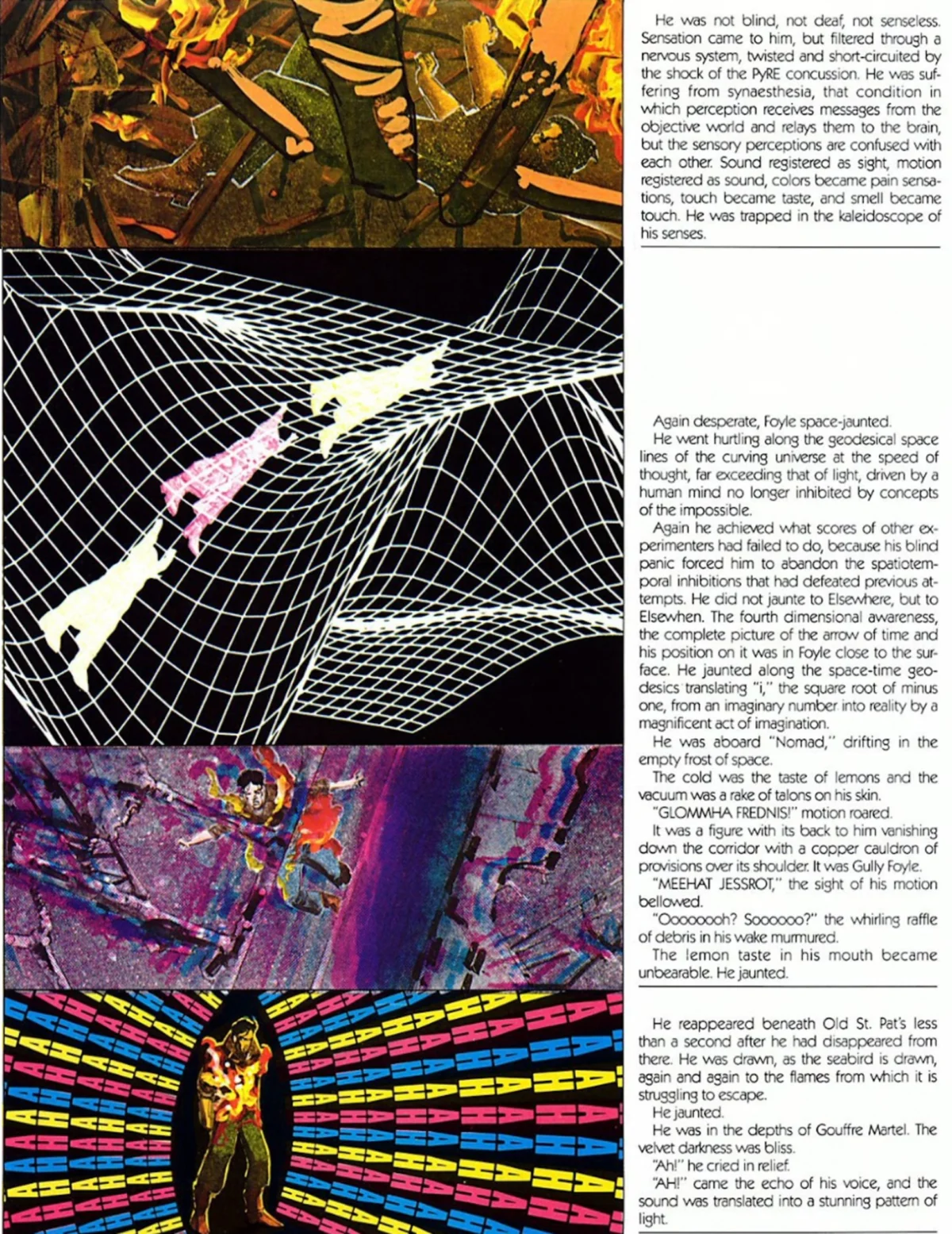
The Evolutionary Mutation: Re-evaluating the Chaykin and Preiss Adaptation of The Stars My Destination
“It was a golden age, a time of high adventure, rich living, and hard dying… but nobody thought so.” The opening line of Alfred Bester’s 1956 masterpiece, The Stars My Destination (originally titled Tiger! Tiger! in the UK), serves as a poignant epitaph for the American comics industry of the late 1970s. It was an […]
