
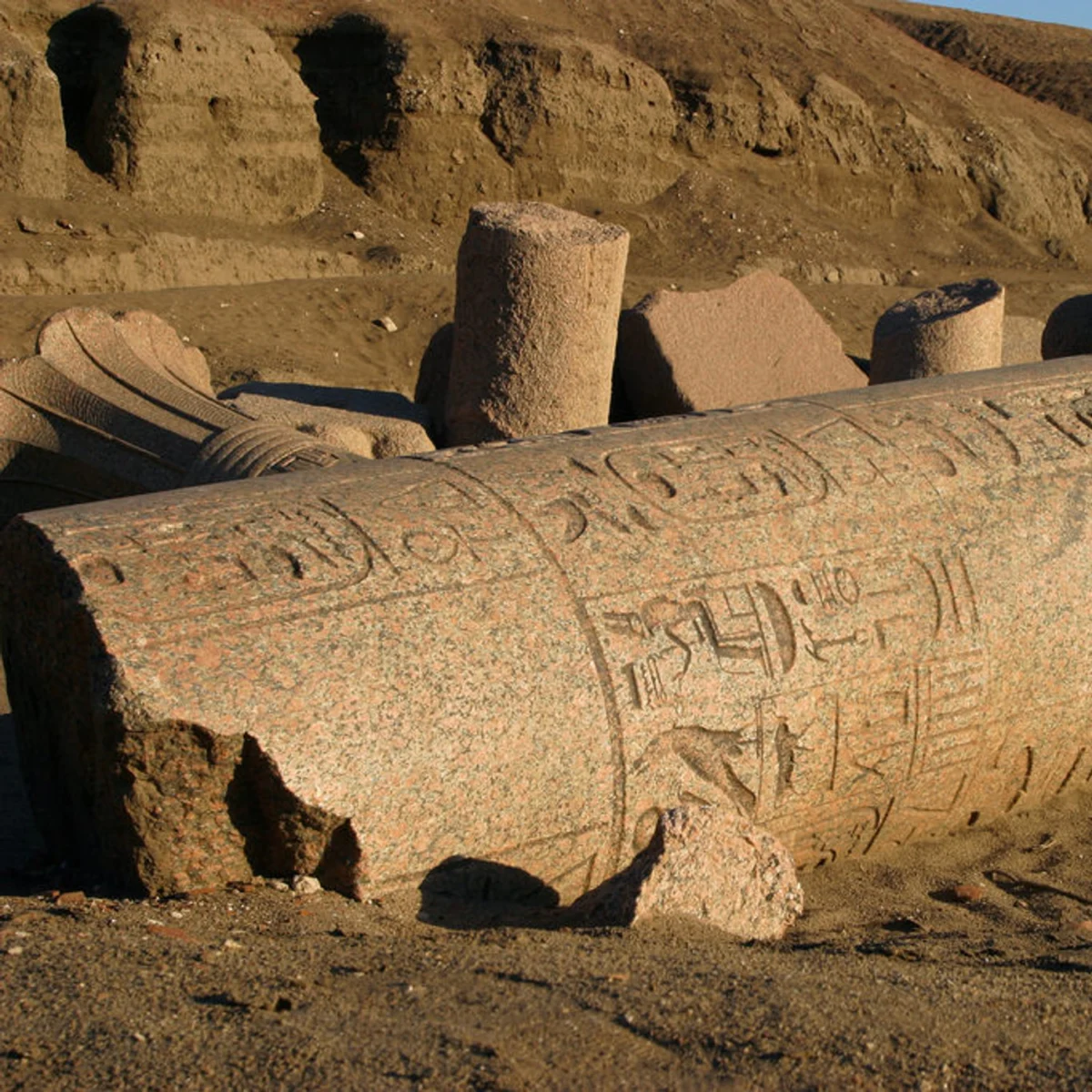
Cairo, Egypt – Spanning nearly five and a half centuries from approximately 1069 to 525 BCE, the Third Intermediate Period represents a pivotal and often misunderstood epoch in the long and storied history of ancient Egypt. Following the resplendent era of the New Kingdom and preceding the Late Period, this era, as defined by 20th-century […

The Unyielding Wall and the Lightning War: How the Maginot Line Became a Monument to Strategic Miscalculation
Paris, France – In the annals of military history, few structures embody the paradox of ambition and obsolescence as poignantly as the Maginot Line. Conceived in the shadow of the First World War’s horrific trenches, this colossal network of French fortifications, built throughout the 1930s, was designed to be an impenetrable shield against G
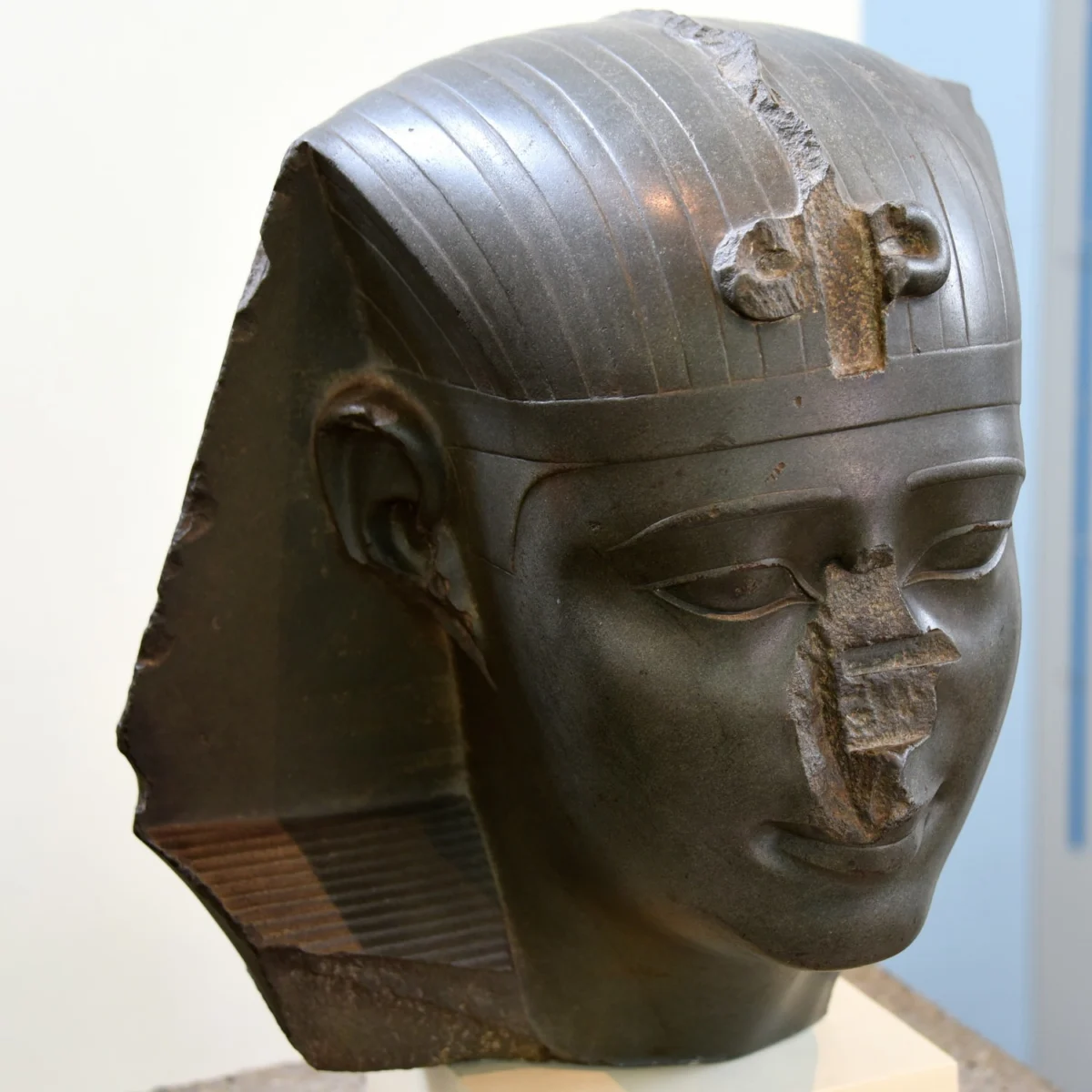
Egypt’s Late Period: Reclaiming a Narrative of Resilience and Revival
Cairo, Egypt – Often overshadowed and misunderstood, the Late Period of ancient Egypt (525-332 BCE) stands as a testament to the enduring spirit and cultural resilience of one of history’s greatest civilizations. Far from being a mere epilogue to a long decline, this era, spanning the 27th to 31st dynasties, witnessed profound shifts in power
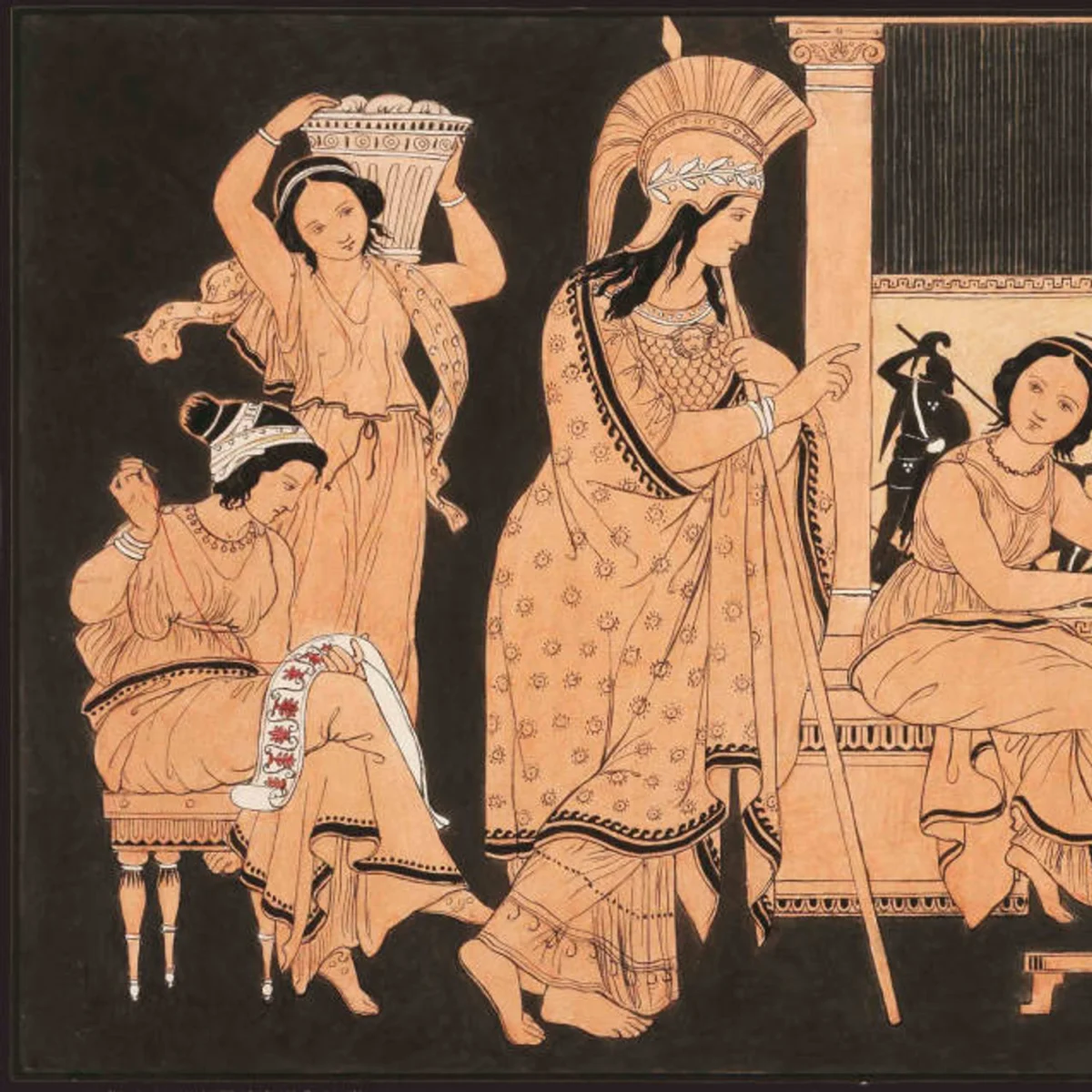
Penelope: The Enduring Icon of Loyalty, Resilience, and Cunning in Ancient Greek Mythology
ATHENS, GREECE – In the annals of Greek mythology, few figures command as much admiration and scholarly intrigue as Penelope, the formidable queen of Ithaca, wife of the resourceful Odysseus, and mother of Telemachus. Her epic narrative, meticulously woven into the fabric of Homer’s enduring masterpiece, The Odyssey (c. 750 BCE), transcends a

Unrefined Truths: David Singerman’s "Unrefined" Unveils Sugar’s Role in Forging Global Capitalism
FOR IMMEDIATE RELEASE [City, State] – [Date] – A forthcoming scholarly work promises to redefine our understanding of global economic history, asserting the pivotal role of sugar in shaping the capitalist system we know today. David Singerman, Assistant Professor of History and American Studies at the University of Virginia, is set to release "
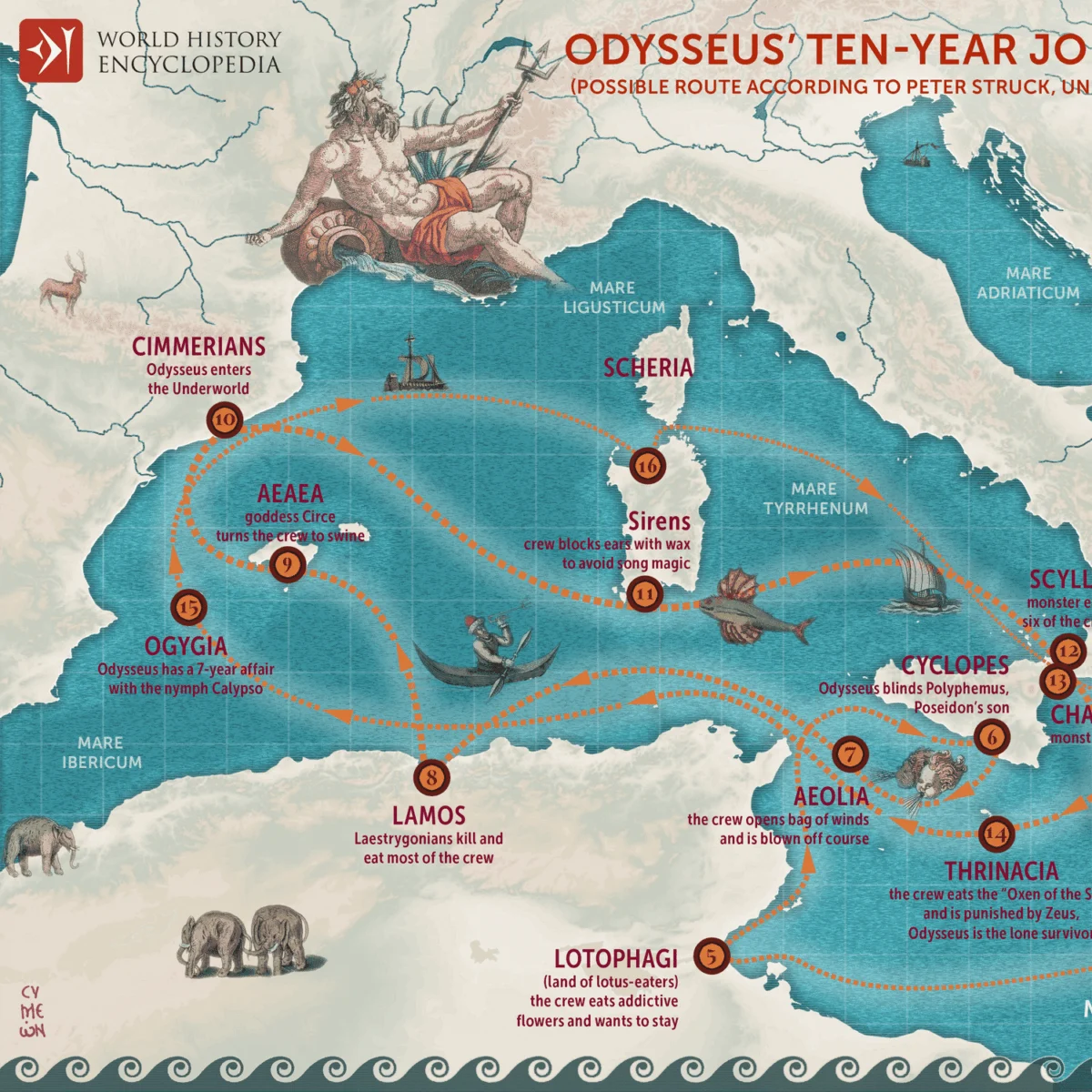
The Enduring Epic of Homecoming: Unpacking Homer’s Odyssey
By [Your Name/Journalist Alias, or Mark Cartwright as per source] [City, Date] – More than two and a half millennia after its composition, Homer’s Odyssey remains an unparalleled masterpiece, a foundational text of Western literature, and a narrative that continues to resonate with audiences worldwide. Far from being a mere ancient tale, this

The White Gold Standard: How Jingdezhen Defined the Global History of Porcelain
For nearly two millennia, a single geographic coordinate in China’s Jiangxi province has dictated the aesthetic and technical trajectory of the ceramic world. Jingdezhen, often referred to as the "Porcelain Capital," is not merely a city of industry but a living monument to human craftsmanship. Nestled among the lush mountains and riverba
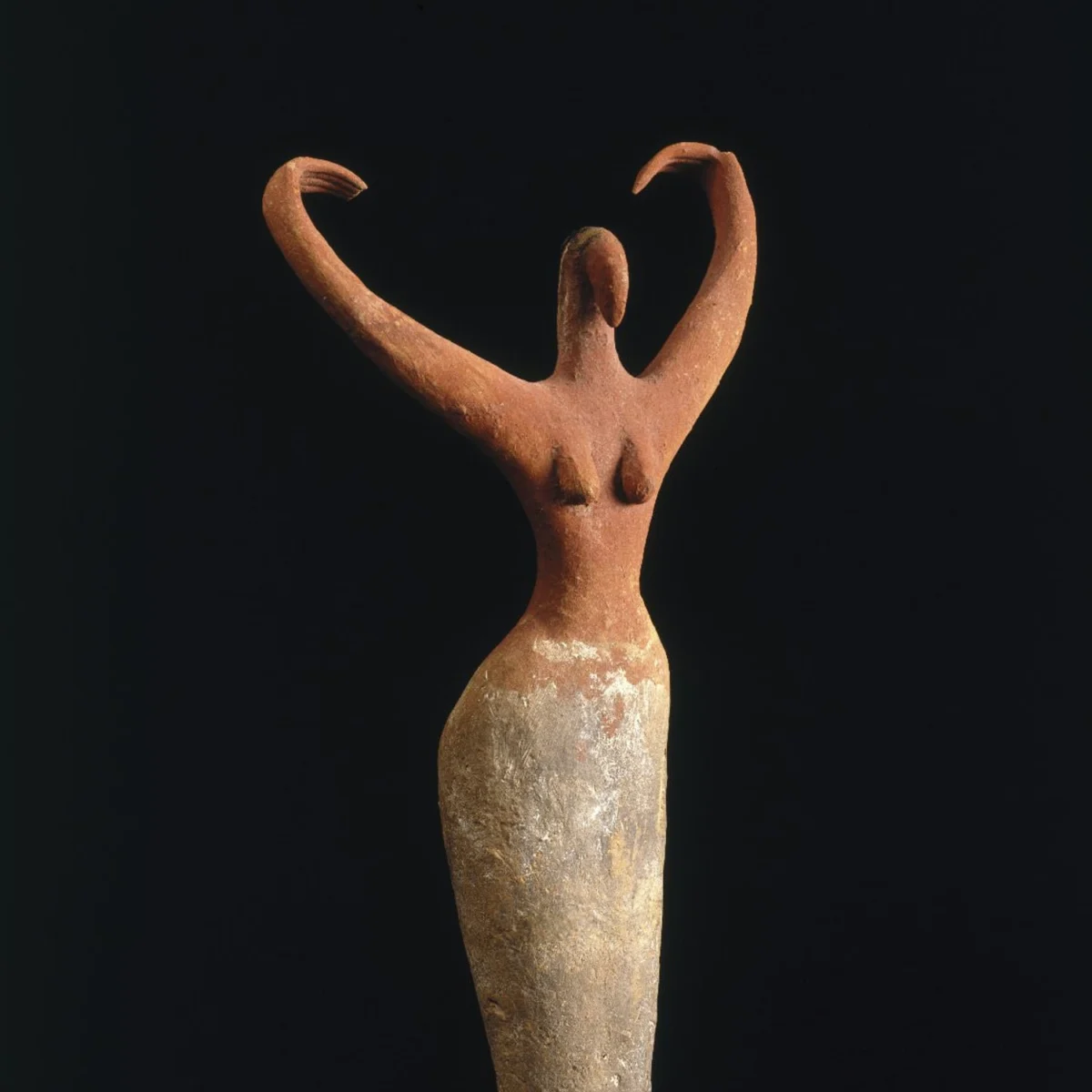
Unearthing the Dawn of Egypt: A Deep Dive into the Predynastic Period
Cairo, Egypt – Before the towering pyramids pierced the sky and pharaohs ruled a unified land, an extraordinary era of development laid the bedrock for one of the world’s most enduring civilizations. This largely pre-literate epoch, known as the Predynastic Period, spans millennia, from the earliest human settlements in the Nile River Valley
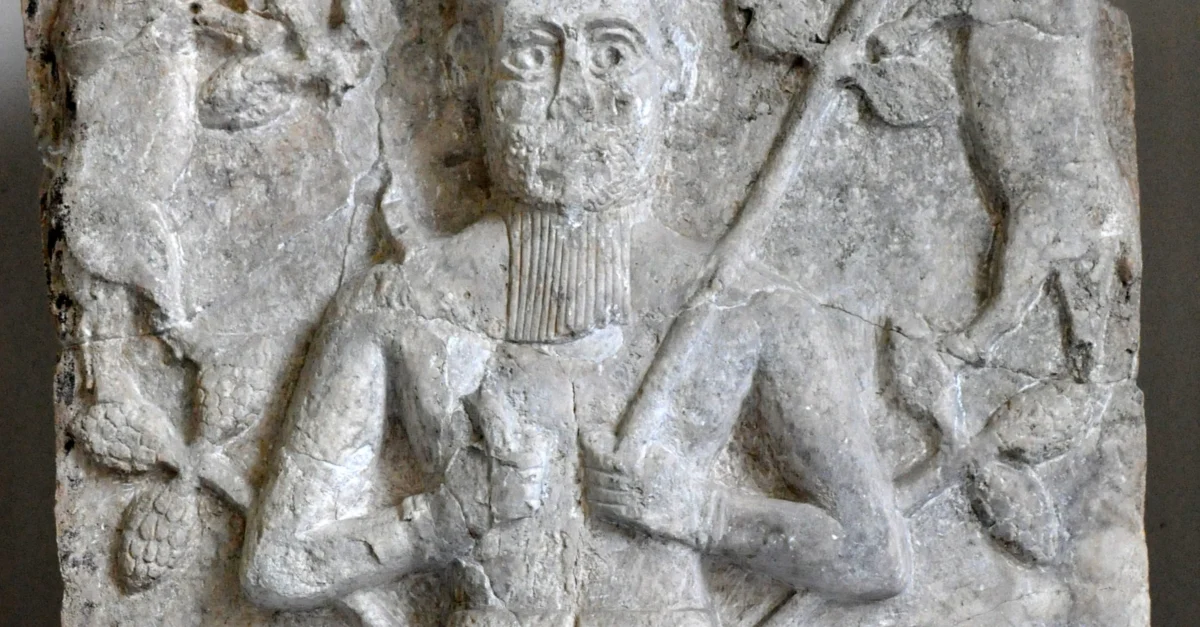
Assur: The Shifting Sands of Divinity in Ancient Assyria
BAGHDAD, IRAQ – In the annals of ancient Mesopotamian civilization, few deities embody the dynamic evolution of religious thought and imperial ambition as profoundly as Assur. From his humble beginnings as a localized patron spirit of a single city, Assur ascended to become the supreme god of the mighty Assyrian Empire, a cosmic sovereign whose [&h
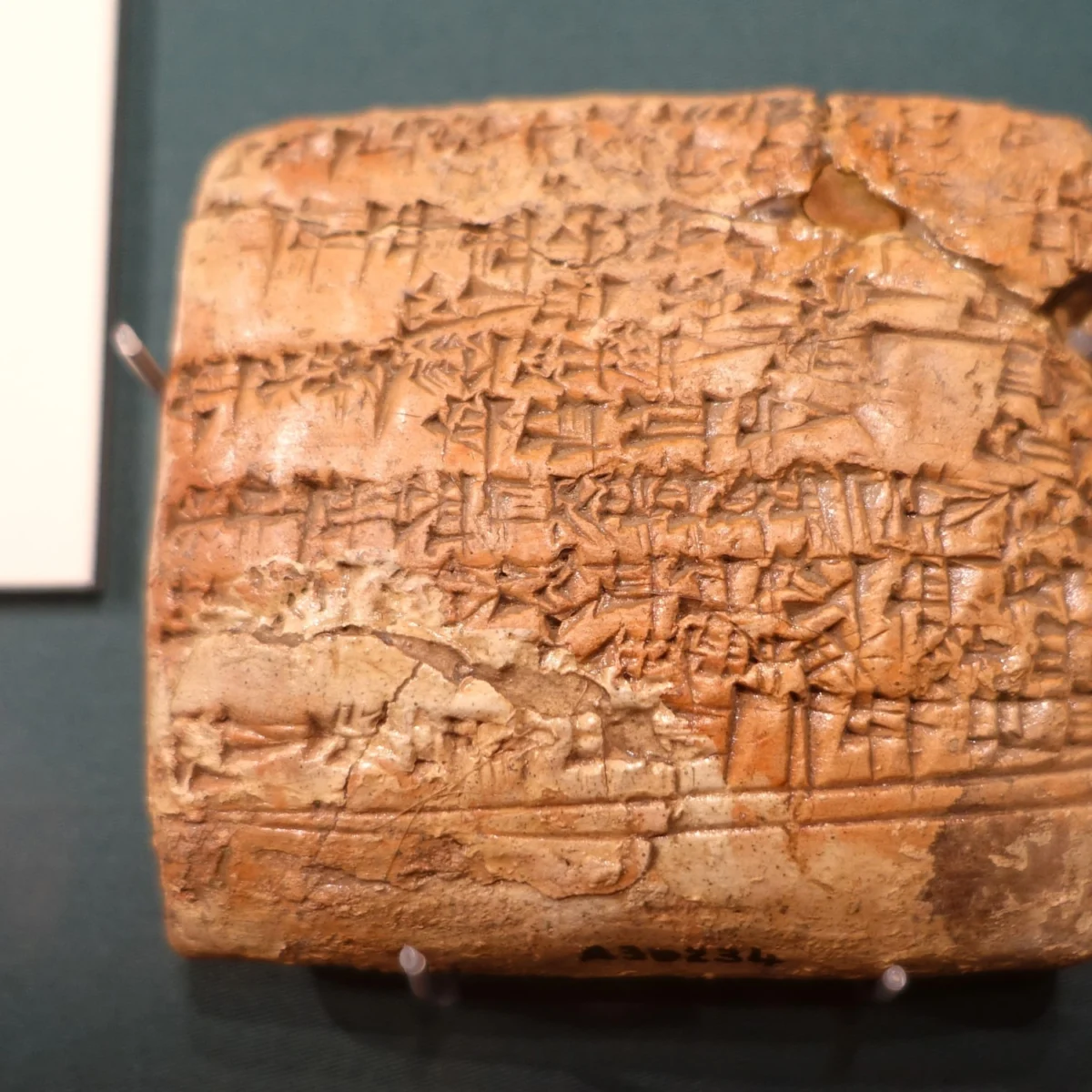
Ancient Sumerian Hymn Reveals Complex View of Justice, Rehabilitation, and Divine Power
NIPPUR, MESOPOTAMIA – From the dusty ruins of ancient Mesopotamia emerges a profound literary work, the Hymn to Nungal, offering an unparalleled glimpse into the Sumerian understanding of justice, punishment, and rehabilitation. Dating back to the Old Babylonian period (circa 1894-1595 BCE) through its numerous surviving copies, this Sumerian poem
