
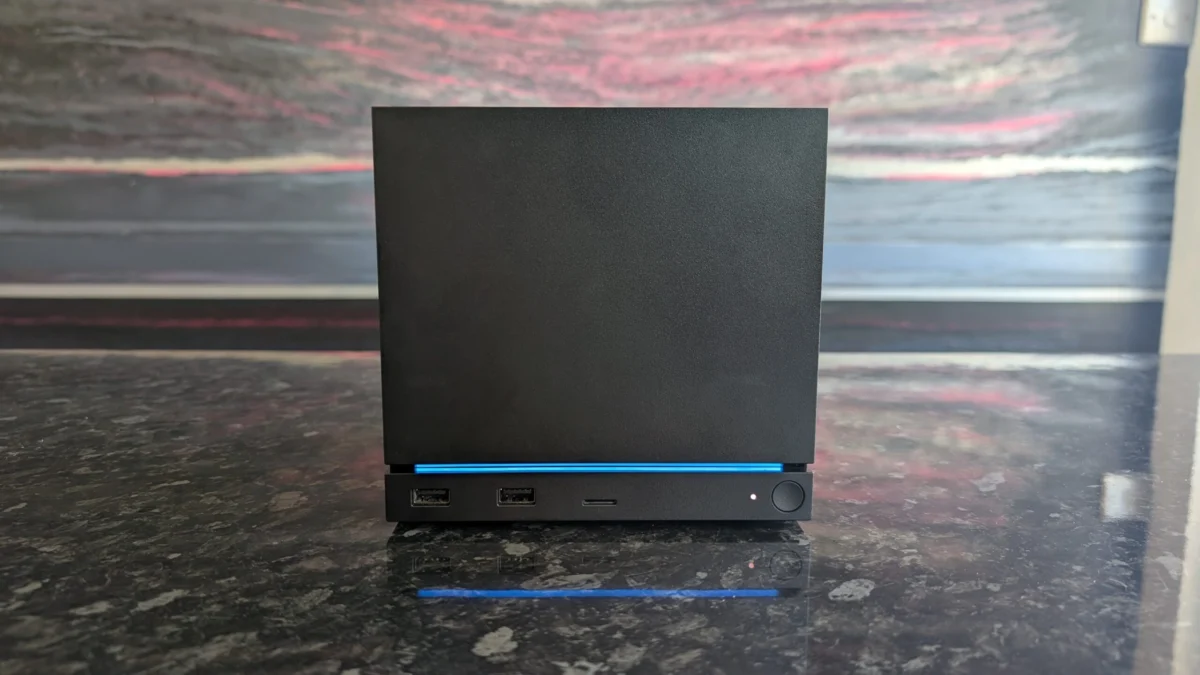
The long-standing wall between the high-performance world of PC gaming and the accessible, "lean-back" experience of the living room console has a new, cube-shaped crack in it. Valve, the architect of the world’s largest digital gaming storefront, has officially released its second-generation Steam Machine. After years of speculation foll

Valve’s Steam Machine: An Open Ecosystem Philosophy and the Future of PC Gaming in the Living Room
Introduction: Redefining Console Boundaries Valve’s ambitious venture into the living room, the Steam Machine, represents a significant departure from traditional console hardware. Eschewing proprietary ecosystems and exclusive titles, Valve champions an open platform philosophy, aiming to foster a robust and innovative PC gaming landscape. T

The Algorithmic Storm: The Rise of NeuroSurrealism and the Rebirth of the Human-Machine Mind
In the third decade of the 21st century, the boundary between biological thought and silicon-based processing is no longer a clear line, but a shimmering, permeable membrane. A new artistic and philosophical movement, termed "NeuroSurrealism," has emerged to document and accelerate this fusion. This movement posits that Artificial Intelli
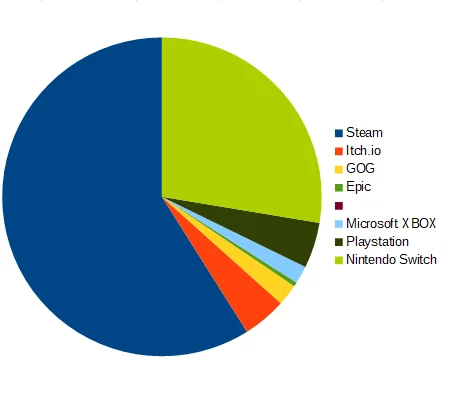
The Ghost in the Machine: Why 1.4 Billion Windows Users Couldn’t Generate a Single Sale for ‘Nowhere Prophet’
On August 5, 2022, a single tweet from an independent game developer sent ripples through the digital distribution industry. Martin Nerurkar, the founder of Sharkbomb Studios and the mind behind the critically acclaimed deck-building roguelike Nowhere Prophet, shared a routine revenue breakdown by platform. The data was standard for a successful in

The Ghost in the Machine: Unpacking the Mystery of ‘The Algorithm’ in Silo Season 3
The dystopian landscape of Apple TV+’s Silo has always been defined by its layers—both physical and metaphorical. For two seasons, viewers watched as Juliette Nichols (Rebecca Ferguson) climbed from the grease-stained depths of Mechanical to the sterile, secretive heights of IT, uncovering a conspiracy that spanned generations. However, as Season 3
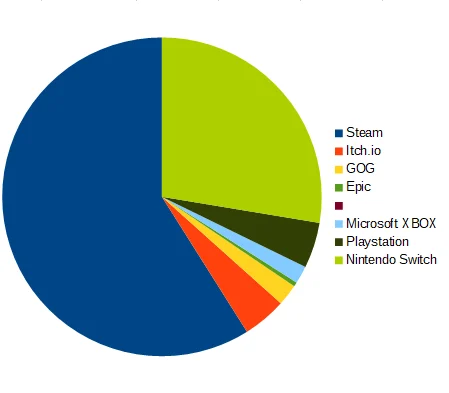
The Ghost in the Machine: Why a Game with 1.4 Billion Potential Customers Managed Zero Sales on the Microsoft Store
Introduction: The Statistical Impossibility of Zero In the digital age of video game distribution, the "long tail" theory suggests that even niche products will eventually find a buyer if the marketplace is large enough. However, a recent revelation from independent developer Martin Nerurkar has sent shockwaves through the indie developme

Valve’s Steam Machine Return: High Price Tags and Hardware Hurdles Spark Consumer Backlash
The landscape of living-room PC gaming has shifted dramatically since Valve’s first attempt to revolutionize the space a decade ago. While the Steam Deck successfully captured the hearts of millions by offering a portable, affordable entry point into the Steam ecosystem, the company’s latest hardware venture is facing a much colder reception. After
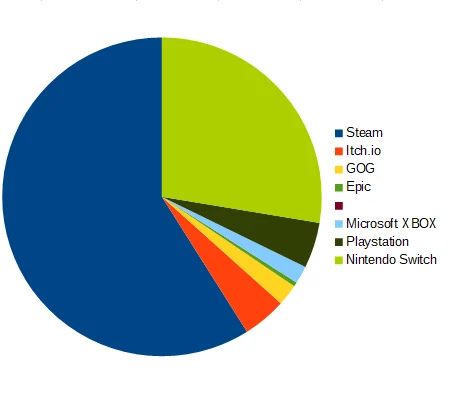
The Ghost in the Machine: Why 1.4 Billion Windows Users Ignored a Critically Acclaimed Indie Title
The digital storefront has become the lifeblood of the modern independent video game industry. For a developer, being featured on a platform like Steam or the Nintendo eShop can mean the difference between a sustainable career and a shuttered studio. However, a startling revelation from independent developer Martin Nerurkar has cast a harsh spotlig

The Humanist Machine: Jacob Holster and the Evolution of Painterly AI Aesthetics
In an era where generative artificial intelligence is often synonymous with the "uncanny valley"—a realm of hyper-polished, plastic-looking skin and mathematically perfect but soul-less landscapes—a new movement is emerging. At the forefront of this movement is Jacob Holster, known to the digital art community as @bandyquantguy. A scholar
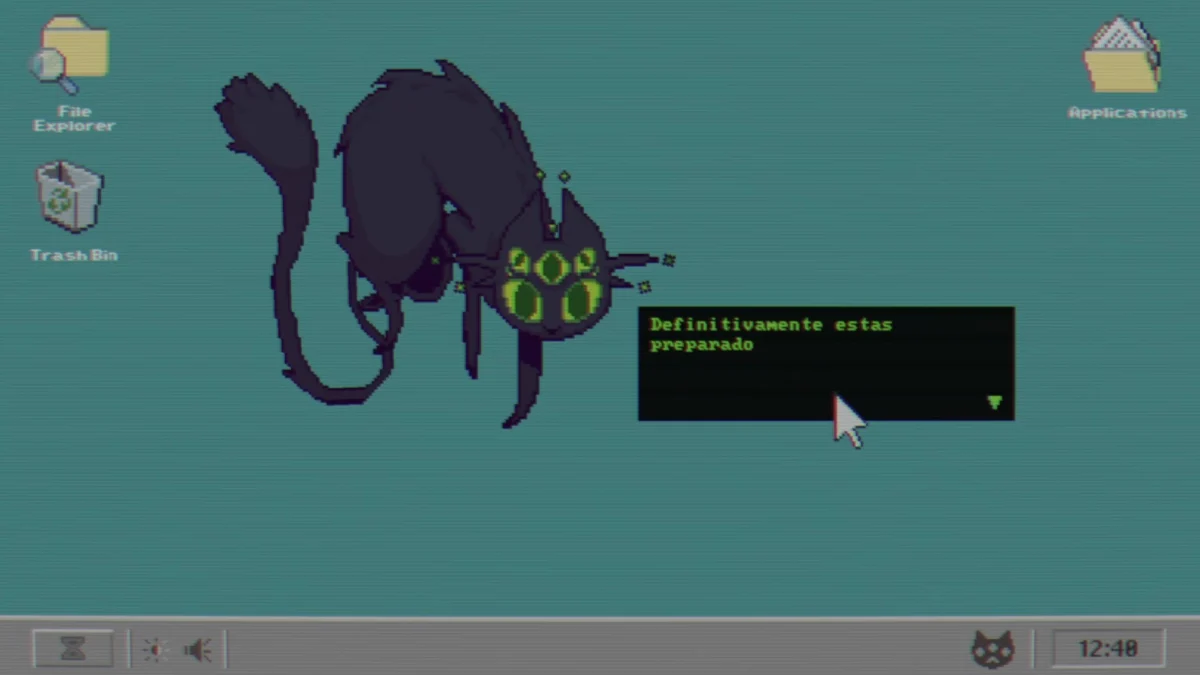
Digital Hauntology and the Virtual Machine: An In-Depth Look at ‘Overbit’
The indie gaming landscape has long been a fertile ground for experimental narratives that challenge the boundaries between the player and the software. From the fourth-wall-breaking antics of Doki Doki Literature Club to the unsettling simulated environments of Hypnospace Outlaw, "meta-games"—titles that acknowledge their existence as so
