
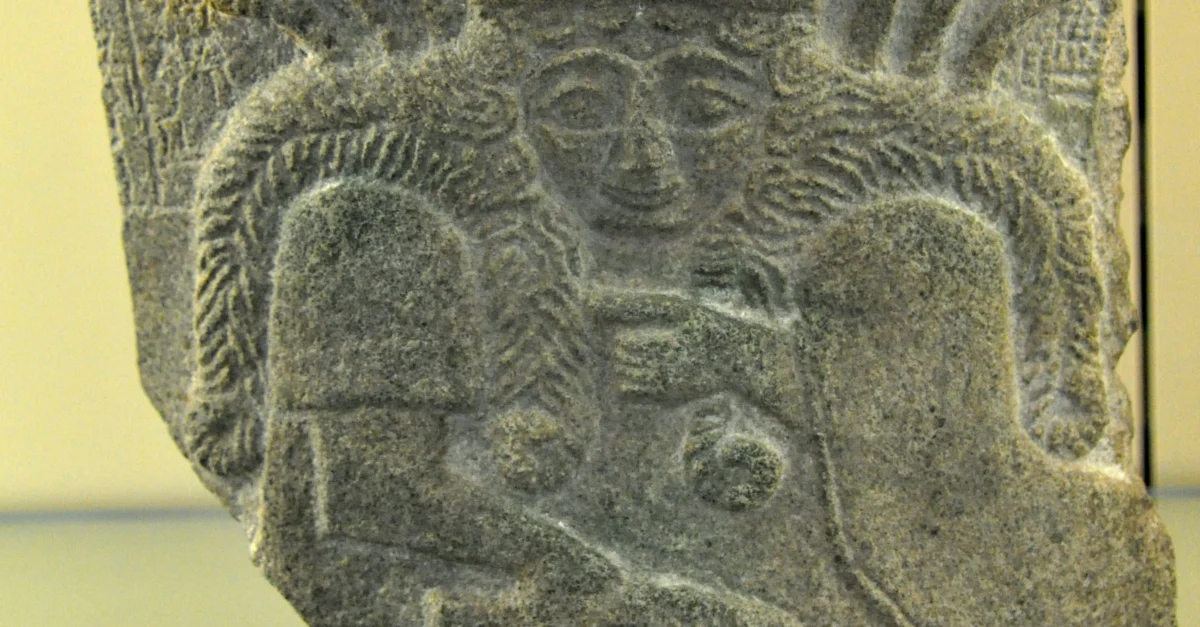
Introduction In the annals of ancient Mesopotamia, amidst a pantheon of powerful deities, stands Nisaba (also known as Naga, Se-Naga, Nissaba, Nidaba, and associated with Nanibgal), the Sumerian goddess of writing, accounts, and the revered scribe of the gods. While the name Nidaba is commonly encountered, noted scholar Jeremy Black posits that &qu
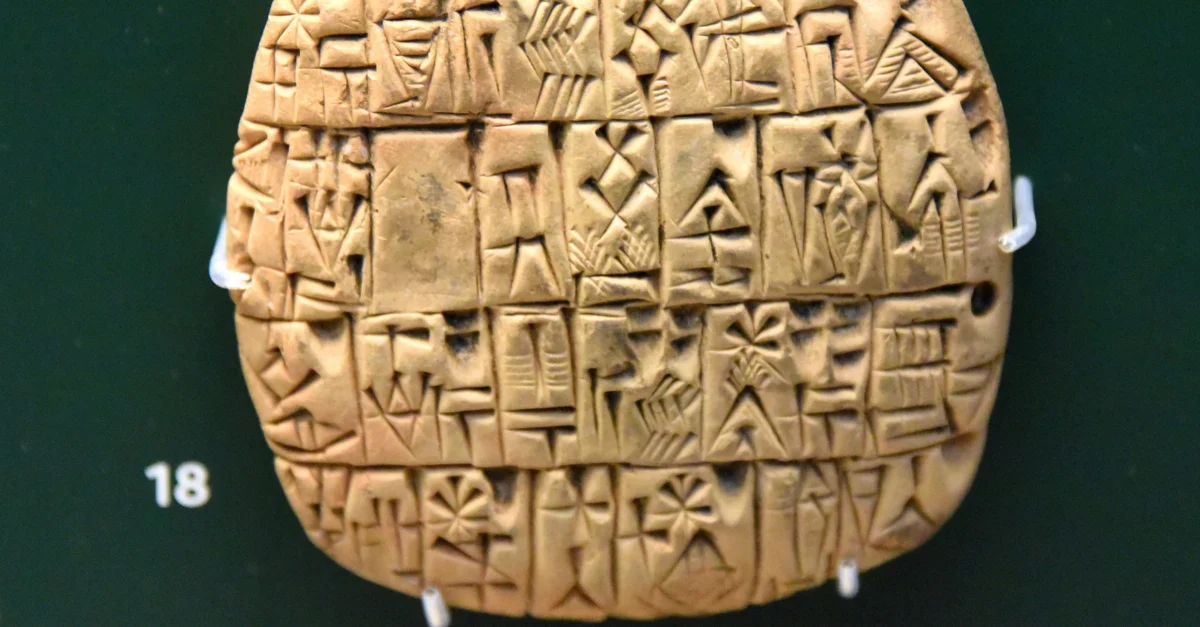
Unearthing the Divine Scribe: The Enduring Legacy of the Sumerian Goddess Nisaba and Her Ancient Hymn
FOR IMMEDIATE RELEASE Mesopotamia’s Divine Administrator: Rediscovering Nisaba, Goddess of Writing and Accounts [DATELINE, Ancient Mesopotamia Studies] – In the annals of ancient Sumerian civilization, few deities encapsulated the very foundations of societal order and intellectual progress as profoundly as Nisaba. Revered as the goddess of w
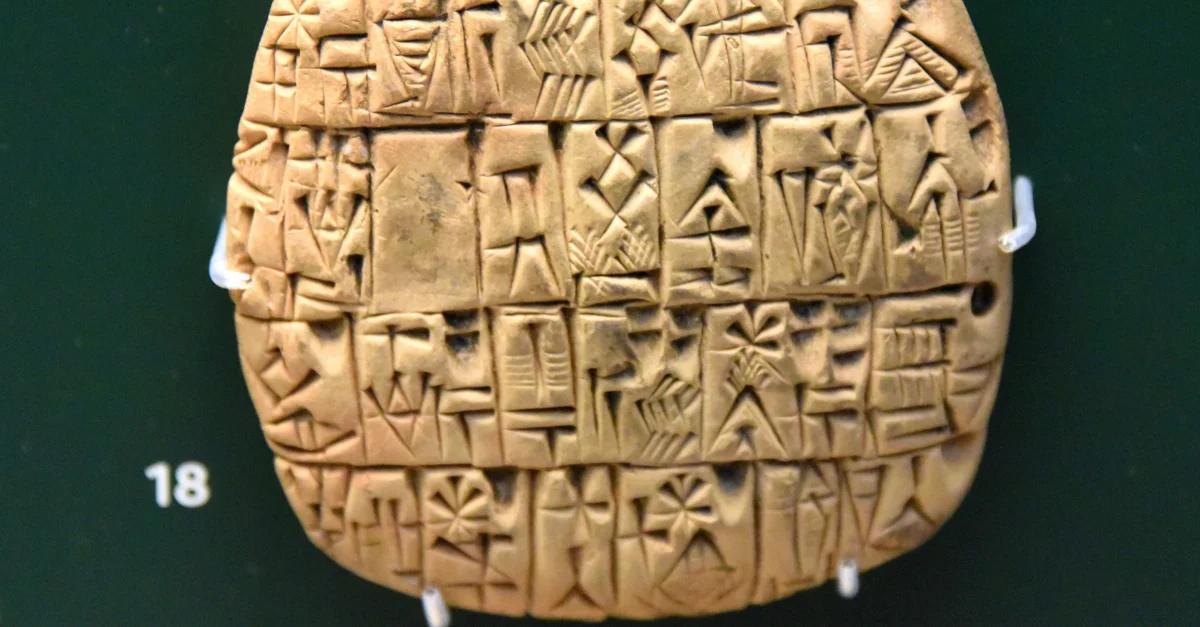
Rediscovering Nisaba: The Sumerian Goddess of Writing, Wisdom, and the Enduring Legacy of Her Hymn
Eridu, Mesopotamia – In the cradle of civilization, where the first written words etched humanity’s thoughts onto clay, stood Nisaba, the revered Sumerian goddess of writing, accounts, and the divine scribe of the gods. A testament to her profound influence, the Hymn to Nisaba, dating back to the 3rd millennium BCE, offers a luminous window [
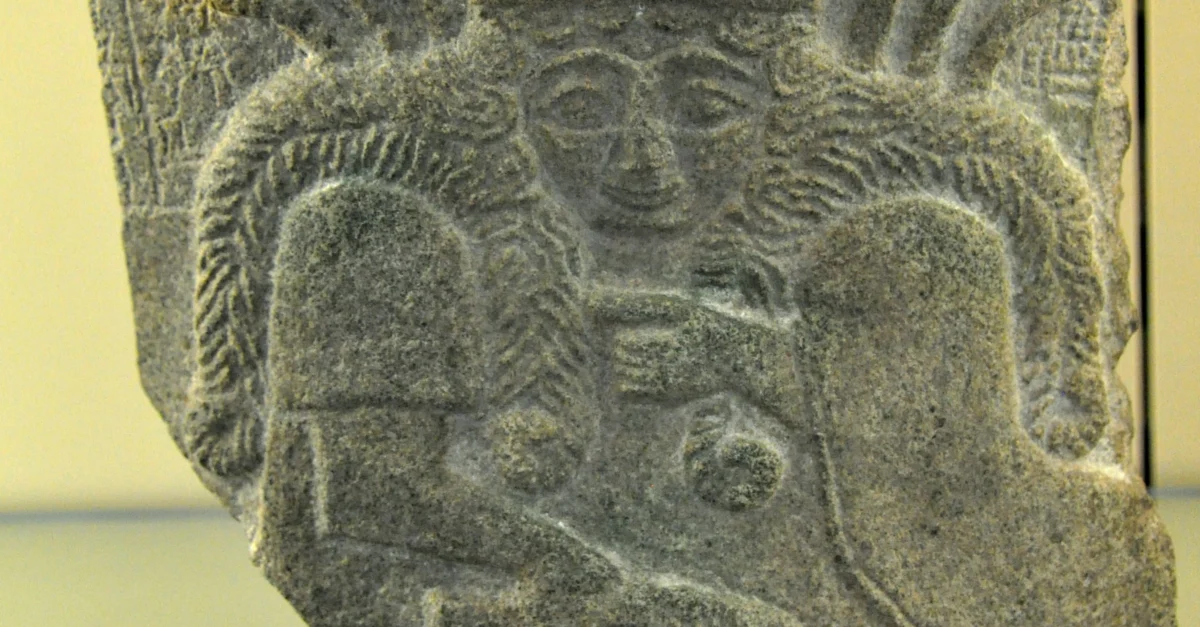
Nisaba: The Sumerian Goddess Who Embodied the Dawn of Literacy
In the ancient lands of Mesopotamia, where civilization first bloomed and the written word was forged, a deity emerged whose very essence intertwined with the burgeoning power of knowledge and communication. Nisaba, often referred to as Nidaba or Nissaba, stands as the revered Sumerian goddess of writing, accounts, and the divine scribe of the gods
