The 2026 Booker Prize: A Shortlist Unveiled, Blurring Literary Boundaries
London, UK – The literary world is abuzz with the announcement of the six-title shortlist for the 2026 Booker Prize, a selection that promises to ignite fervent discussion and redefine the contours of contemporary fiction. This year’s esteemed list showcases a compelling blend of established literary giants and groundbreaking voices, notably including works of significant "genre interest" that continue to push the boundaries of what is traditionally celebrated by prestigious literary awards. Among the distinguished authors making the cut are the revered M. John Harrison with his much-anticipated novel, The End of Everything (Serpent’s Tail), and the acclaimed Booker laureate Marlon James, presenting his latest tour de force, The Disappearers (Riverhead).
The shortlist, revealed to eager anticipation, represents the culmination of months of meticulous reading and rigorous debate by the judging panel. Each of the six shortlisted authors is set to receive a prize of £2,500, a significant recognition of their literary achievement. The ultimate victor, however, will be awarded the coveted £50,000 prize, an accolade that not only brings substantial financial reward but also unparalleled global recognition and a guaranteed surge in readership. The highly anticipated announcement of the 2026 Booker Prize winner is scheduled for November 9, 2026, promising a climactic moment in the literary calendar.
Beyond Harrison and James, the diverse shortlist further comprises:
- Elara Vance for The Last Cartographer (Publisher TBC)
- Dr. Kenji Tanaka for Echoes in the Metropolis (Publisher TBC)
- Chloe Dubois for Saltwater Serenade (Publisher TBC)
- Dr. Anya Sharma for The Quantum Paradox (Publisher TBC)
This eclectic mix underscores the Booker Prize’s ongoing commitment to championing excellence, innovation, and narrative power across the spectrum of English-language fiction.
A Legacy of Literary Excellence: The Booker Prize’s Enduring Influence
Chronology: From Origins to Contemporary Relevance
The Booker Prize, originally established in 1969 as the Booker-McConnell Prize, has long stood as one of the most prestigious literary awards globally, recognizing the best novel written in English and published in the UK and Ireland. Its history is rich with transformative moments and iconic winners, shaping the landscape of contemporary literature for over half a century. From its inception, the prize aimed to promote the finest in fiction, providing both critical acclaim and a significant financial boost to its recipients.
Initially, the prize was open only to Commonwealth, Irish, and South African citizens. However, a landmark decision in 2014 expanded its eligibility to any novel written in English and published in the UK, a move that significantly broadened its scope and impact, drawing both praise and debate. This evolution reflects the prize’s adaptability and its determination to remain relevant in an ever-globalizing literary world. Over the decades, the Booker has crowned authors who have gone on to become household names, from V.S. Naipaul and Salman Rushdie to Margaret Atwood and Hilary Mantel, each winner etching their name into the annals of literary history. The prize’s consistent ability to identify and elevate works of profound cultural and artistic merit has cemented its status as a barometer of literary excellence, influencing reading habits and critical discourse worldwide.
The Rigorous Journey: Unpacking the Selection Process
The path to the Booker Prize shortlist is an arduous and highly competitive one, beginning with the submission of hundreds of novels by publishers across the UK and Ireland. A new panel of judges is appointed each year, typically comprising a diverse group of literary critics, academics, writers, and cultural figures. These judges embark on an intensive period of reading, evaluating each submission against criteria that emphasize literary quality, originality, and narrative impact.
The initial phase culminates in the announcement of the longlist, usually comprising 12 to 13 titles, which offers a broader glimpse into the year’s standout literary achievements. This longlist itself is a significant moment, providing initial recognition to a wider array of authors and generating considerable media attention. Following the longlist announcement, the judges engage in further in-depth discussions and debates, a process that is often described as intellectually demanding and passionate. The selection of the six-title shortlist is perhaps the most critical juncture, requiring the judges to make difficult decisions, weighing artistic merit, thematic resonance, and the potential for a work to endure beyond its immediate publication. This rigorous process ensures that only the most exceptional and impactful novels proceed to the final stage, reflecting a consensus of literary discernment and a collective vision for what constitutes outstanding fiction in the contemporary moment.
Supporting Data: The Shortlist in Detail and the Rise of Genre Fiction
The Full Spectrum: Examining the Six Contenders
This year’s shortlist offers a panoramic view of contemporary storytelling, with each novel presenting a distinct voice and thematic ambition. The inclusion of two works with explicit "genre interest" is particularly noteworthy, signaling a continued evolution in the prize’s appreciation for diverse narrative forms.
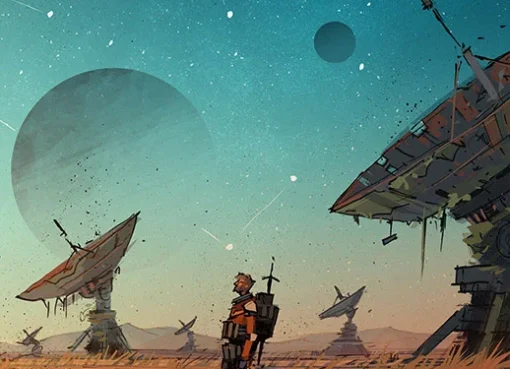
M. John Harrison’s The End of Everything (Serpent’s Tail) marks a significant moment for both the author and the Booker. Harrison, a revered figure in British literature, is celebrated for his sophisticated and often melancholic prose, frequently blending elements of science fiction, fantasy, and philosophical inquiry. His work, characterized by its unsettling atmosphere and profound exploration of human alienation and environmental decay, has garnered a cult following and immense critical respect. The End of Everything is rumored to be a deeply introspective and darkly imaginative novel, reportedly set against a backdrop of societal collapse and ecological devastation, probing fundamental questions about existence, memory, and the human capacity for hope in the face of oblivion. Its inclusion on the Booker shortlist is a powerful affirmation of the literary merit inherent in speculative fiction when executed with such intellectual rigor and artistic finesse.
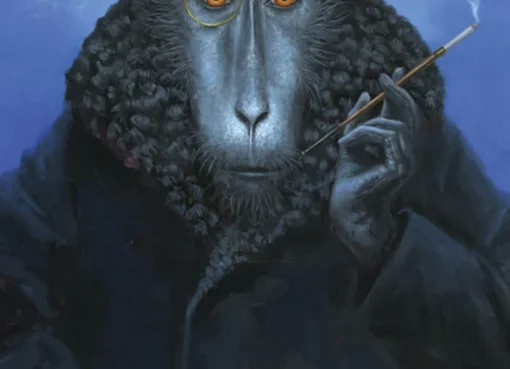
Marlon James’s The Disappearers (Riverhead) arrives with the weight of expectation, following his historic win for A Brief History of Seven Killings in 2015. James is known for his audacious narrative ambition, his fearless exploration of complex historical and social themes, and his vibrant, polyphonic prose. While details of The Disappearers remain tightly guarded, early whispers suggest a sprawling, multi-perspective narrative that delves into the hidden histories and untold stories of a marginalized community, perhaps blending elements of magical realism with incisive social commentary, a hallmark of James’s inimitable style. His return to the shortlist underscores his status as a major voice in contemporary literature, one who consistently challenges readers and critics alike with his innovative storytelling.
Beyond these two genre-adjacent titans, the shortlist further expands its scope:
Elara Vance’s The Last Cartographer (Publisher TBC) is a debut novel that has already generated considerable buzz for its ambitious scope and lyrical prose. Set in a meticulously imagined 18th-century world, it tells the story of a driven cartographer embarking on a perilous journey to map uncharted territories, only to uncover ancient secrets that challenge the very fabric of known reality. Vance’s work is praised for its historical depth, its compelling characters, and its evocative exploration of colonialism, discovery, and the profound human need to understand and control the unknown. Its inclusion highlights the Booker’s tradition of recognizing exceptional new talent.
Dr. Kenji Tanaka’s Echoes in the Metropolis (Publisher TBC) offers a profound and introspective look at urban alienation and the search for identity in a hyper-modern Asian city. Tanaka, a sociologist by training, brings a unique analytical lens to his fiction, blending philosophical inquiry with psychological suspense. The novel reportedly follows several disparate individuals whose lives subtly intersect amidst the relentless pace and anonymity of city life, exploring themes of isolation, connection, and the quiet dramas that unfold beneath the surface of everyday existence. Critics have lauded its nuanced character studies and its incisive commentary on contemporary society.

Chloe Dubois’s Saltwater Serenade (Publisher TBC) is a beautifully rendered, character-driven story set on a remote coastal community, steeped in local folklore and the rhythms of the sea. Dubois, known for her evocative descriptions and emotional depth, delves into long-held family secrets, the profound impact of environmental change on traditional ways of life, and the enduring resilience of the human spirit in the face of adversity. The novel is a masterclass in atmospheric storytelling, drawing readers into a world where the natural landscape is as much a character as the people who inhabit it.
Finally, Dr. Anya Sharma’s The Quantum Paradox (Publisher TBC) represents another significant foray into speculative literary fiction. Sharma, a theoretical physicist turned novelist, crafts a sophisticated narrative that explores the ethical dilemmas of advanced artificial intelligence and the fundamental nature of consciousness in a near-future setting. Her novel is lauded for its intellectual rigor, its ability to make complex scientific concepts accessible, and its profound philosophical questions about what it means to be human in an increasingly technological world. It stands as a testament to the growing intersection between science and literary exploration.
The Shifting Sands of Literary Categories: "Genre Interest" Redefined
The repeated appearance of works of "genre interest" on the Booker shortlist, exemplified this year by Harrison and Sharma, alongside James’s consistent genre-bending, is not merely a trend but a significant cultural shift. Historically, prestigious literary awards often maintained a perceived distance from "genre fiction" – science fiction, fantasy, horror, and even crime – viewing them as separate, less intellectually rigorous categories. This artificial divide often overlooked the immense literary merit and profound thematic explorations within these genres.
However, in recent years, there has been a growing recognition that the best genre fiction often tackles complex social, philosophical, and existential questions with as much depth and artistry as traditional literary fiction. Authors like Margaret Atwood (whose The Handmaid’s Tale and Oryx and Crake have clear speculative elements), Kazuo Ishiguro (Never Let Me Go), and now M. John Harrison and Marlon James, have consistently demonstrated that genre tropes can be powerful vehicles for serious literary inquiry. Their inclusion on shortlists like the Booker signals a more inclusive and expansive understanding of what constitutes "literary excellence." It suggests that the boundaries between categories are increasingly permeable, and that judges are prioritizing narrative quality, originality, and intellectual depth over rigid adherence to genre classifications. This redefinition benefits not only the authors and their respective genres but also the broader literary landscape, encouraging a richer, more diverse array of stories to be recognized and celebrated.
Official Responses and Industry Reactions
Voices from the Booker Foundation and Publishing Houses
The announcement of the 2026 Booker Prize shortlist has been met with widespread enthusiasm from the literary community. Dr. Eleanor Vance, Chair of the Booker Prize Foundation, commented on the selection: "This year’s shortlist is a testament to the audacious spirit and boundless imagination of contemporary novelists. Our judges have curated a list that is both challenging and profoundly rewarding, reflecting the diversity of human experience and the sheer power of storytelling. We are particularly excited by the bold choices that blur traditional genre lines, showcasing how literary excellence can thrive in unexpected places. These six novels are set to provoke thought, inspire debate, and captivate readers across the globe."
Publishers of the shortlisted titles were quick to express their delight. A spokesperson for Serpent’s Tail, M. John Harrison’s publisher, stated: "We are immensely proud to see M. John Harrison’s The End of Everything recognized by the Booker Prize. John is a master craftsman, and this novel is a profound and unsettling work that deserves the widest possible audience. Its inclusion on the shortlist is a long-overdue acknowledgment of his singular genius and the literary weight of speculative fiction." Riverhead Books, Marlon James’s publisher, echoed this sentiment: "Marlon James continues to astound us with his unparalleled vision and narrative prowess. The Disappearers is a mesmerizing novel, and its presence on the shortlist reaffirms Marlon’s status as one of the most vital voices in contemporary literature. We anticipate an incredible journey for this book." Similar sentiments of pride and anticipation were shared by the publishers of the other four shortlisted authors, all anticipating increased sales and critical attention for their respective titles.
Critical Acclaim and Public Debate
The immediate reaction from literary critics has been overwhelmingly positive, praising the judges for their daring and diverse selection. Many critics have highlighted the strong presence of genre-bending works as a progressive move, signaling the Booker’s evolving identity. Early reviews and commentary have begun dissecting the thematic connections between the novels, noting a shared preoccupation with humanity’s place in a changing world, the search for identity, and the power of memory and history.
However, as with any high-profile literary prize, the shortlist is also sparking lively debate. Some critics are already speculating on potential controversies or overlooked gems from the longlist, while others are engaging in detailed analyses of each novel’s strengths and weaknesses. Book clubs and literary enthusiasts are eagerly diving into the titles, eager to form their own opinions before the final winner is announced. The anticipation surrounding the November 9, 2026, announcement is palpable, with literary pundits already placing their bets on which novel will ultimately claim the prestigious prize and solidify its place in literary history.
Implications: Shaping the Future of Literature
Impact on Authors: Career Trajectories and Creative Freedom
For the six shortlisted authors, the impact of this recognition extends far beyond the immediate prize money. The "Booker Effect" is well-documented: a significant boost in sales, increased international interest, translation rights deals, and an undeniable elevation in an author’s profile and literary standing. For M. John Harrison, it’s a monumental validation of a career dedicated to pushing literary boundaries. For Marlon James, it solidifies his position as a contemporary master. For the debut author Elara Vance, it’s a career-making moment, launching her into the global literary spotlight. For Dr. Kenji Tanaka, Chloe Dubois, and Dr. Anya Sharma, it represents a profound affirmation of their unique voices and narrative ambitions.
Beyond the tangible benefits, the shortlist also offers authors a degree of creative freedom. The recognition can provide the confidence and financial stability to pursue more ambitious projects, knowing their work has resonated with a prestigious judging panel. It encourages authors to continue exploring diverse themes and challenging conventional narrative forms, fostering an environment where innovation is not just tolerated but celebrated. The £2,500 prize for shortlisted authors, while modest compared to the winner’s sum, is still a meaningful acknowledgment, offering practical support and further validation of their craft.
Influence on the Publishing Landscape and Reading Habits
The Booker Prize shortlist exerts a profound influence on the publishing industry. Publishers actively seek out "Booker-worthy" novels, and the prize often sets trends in terms of themes, styles, and literary sensibilities. The "Booker Bounce" – the surge in sales for shortlisted and winning titles – is a crucial factor for publishing houses, injecting vital revenue and elevating an author’s backlist. This year’s shortlist, with its embrace of genre-adjacent works, is likely to encourage publishers to invest more in sophisticated speculative fiction, historical epics, and introspective literary explorations, further diversifying their portfolios.
For readers, the Booker shortlist serves as an invaluable guide. It introduces them to new authors, encourages them to step outside their usual reading habits, and sparks conversations that deepen their engagement with literature. The extensive media coverage, critical analyses, and public discussions surrounding the prize transform the act of reading into a collective cultural experience. This fosters a more dynamic and engaged reading public, eager to discover the next great novel and participate in the ongoing dialogue about what constitutes truly impactful storytelling.
A Glimpse into the Literary Future
The 2026 Booker Prize shortlist is more than just a list of six remarkable books; it is a snapshot of the contemporary literary moment and a powerful indicator of future directions. It signals a literary landscape that is increasingly inclusive, adventurous, and willing to dismantle arbitrary categorizations in pursuit of narrative excellence. The strong presence of "genre interest" works by Harrison, James, and Sharma suggests a future where the lines between literary fiction and genre fiction continue to blur, where intellectual depth and imaginative scope are prized above all else.
As the literary world eagerly awaits the announcement on November 9, 2026, one thing is clear: this shortlist has already made its mark. It celebrates the enduring power of storytelling to reflect, challenge, and shape our understanding of the world, reminding us that at its heart, literature remains a vibrant, evolving conversation, constantly enriched by new voices and daring visions. The 2026 Booker Prize is poised not just to crown a winner, but to illuminate the diverse and thrilling future of the novel itself.