Freak War: A Quirky Card Game Blends Pokémon Evolution, Exploding Kittens Chaos, and Classic War Simplicity
FOR IMMEDIATE RELEASE
[City, State] – [Date] – A new contender is emerging in the vibrant world of tabletop gaming, promising to bridge the gap between complex trading card games and accessible party fun. Titled "Freak War," this innovative card game is quickly capturing attention with its unique blend of monster evolution, chaotic gameplay, and a refreshingly simple rule set. Conceived by cartoonist Nate Galbraith, known online as Sketchnate, Freak War aims to deliver the strategic thrills of collectible card games without the often-intimidating barrier of extensive deck-building or rule memorization.
The game, which draws inspiration from beloved franchises like Pokémon and the runaway success of party game Exploding Kittens, has already surpassed its initial crowdfunding goal on Kickstarter, signaling strong community interest in its novel approach. With its whimsical art style featuring mutated creatures and a core mechanic rooted in the classic card game War, Freak War positions itself as an engaging option for families, friends, and casual gamers looking for quick, entertaining battles.
Main Facts: A Hybrid Hero for Casual Gamers
Freak War is essentially a party-game Trading Card Game (TCG) that cleverly distills the essence of several popular game genres into an easily digestible format. At its heart, it’s a competitive card game where players battle using a deck of bizarre creatures and modifiers. What immediately sets it apart is its explicit design philosophy: no deck-building required for immediate play, though the option exists for those who desire deeper customization. This accessibility is a direct response to the perceived complexity of traditional TCGs, which often demand significant time and investment to master.
The game’s core appeal lies in its dynamic fusion. Players will recognize the thrill of evolving monsters, reminiscent of the iconic Pokémon franchise, as their creatures grow stronger and more formidable throughout a game. This evolutionary aspect adds a layer of anticipation and strategic depth. Simultaneously, the game incorporates the unpredictable, laugh-out-loud chaos characteristic of party game hits like Exploding Kittens, with various card effects designed to shake up the battlefield and introduce surprising twists. The foundational mechanic, however, is a modernized and enhanced version of the elementary card game War (also known as Battle), where players compare card values to determine a winner.
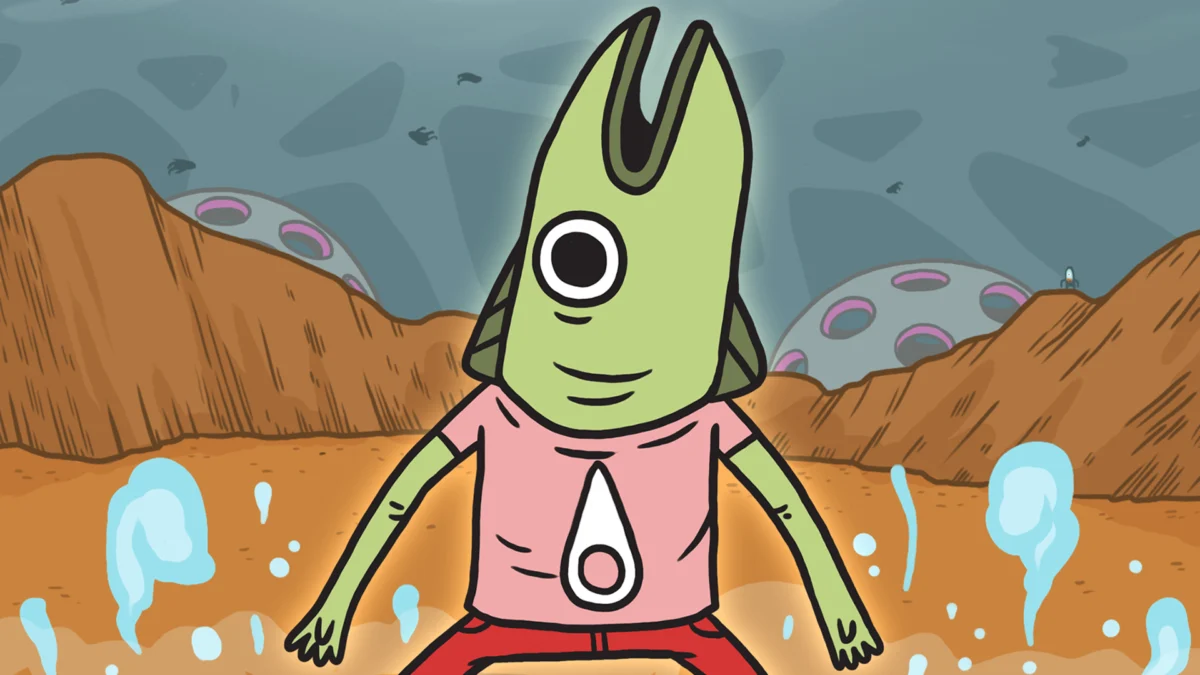
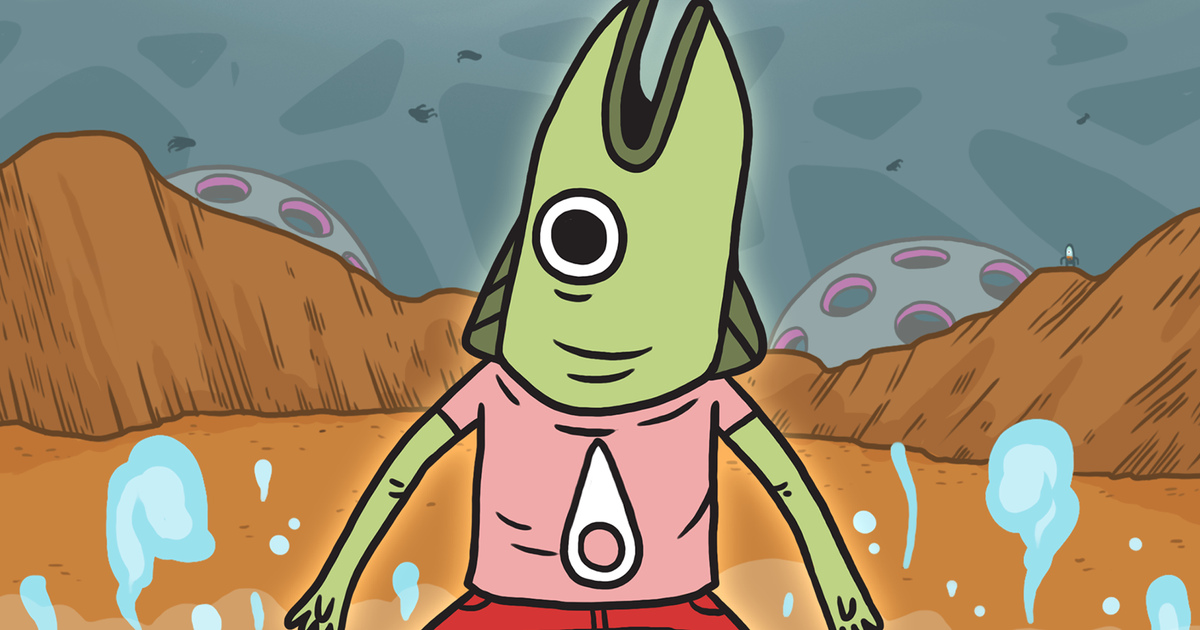
Developed by Nate Galbraith, a cartoonist with a distinctive artistic vision, Freak War boasts a collection of "weird and wonderful creatures" that are both humorous and imaginative. These creatures, ranging from muscly fishpeople to a dog with a goldfish bowl for a head, are central to the game’s identity and visual charm. The game supports up to four or more players, making it a versatile choice for various social gatherings. Its affordability, with decks priced at approximately $20, further enhances its appeal as an accessible entry point into the world of TCGs and party games.
Chronology: From Playground Inspiration to Crowdfunding Success
The genesis of Freak War is a testament to the power of observation and creative problem-solving. Nate Galbraith, operating under his online moniker Sketchnate, stumbled upon the core concept through an unexpected real-world scenario.
Inspiration and Genesis
The spark for Freak War ignited when Galbraith observed children attempting to mimic Pokémon battles using an unlikely substitute: Uno cards. This makeshift gameplay, while imaginative, highlighted a desire for monster-battling mechanics within a simpler framework. Recognizing the limitations of Uno for such an endeavor, Galbraith suggested they instead play the classic card game War. This simple game, known for its straightforward comparison of card values, provided a foundational structure that was immediately comprehensible to the children.
It was this intersection – the children’s aspiration for Pokémon-like monster battles, the inadequacy of Uno for that purpose, and the inherent simplicity of War – that sowed the seeds for Freak War. Galbraith envisioned a game that could capture the excitement of evolving creatures and head-to-head combat, but without the steep learning curve or extensive collection requirements of established TCGs. He began to conceptualize a game where the basic "higher card wins" principle of War was augmented with special abilities, evolving monsters, and disruptive effects. The result was a hybrid that promised both nostalgia for classic card games and fresh, engaging mechanics. The initial collection of strange creatures, born from Galbraith’s unique cartooning style, became the visual backbone of this emerging concept.
Development Process
Translating this initial inspiration into a functional game involved a meticulous design process. Galbraith focused on creating a streamlined rule set that would maintain the fast pace of War while integrating the strategic depth found in TCGs. The decision to incorporate "evolution" was key, allowing creatures to transform into more powerful forms, mimicking the beloved mechanic from Pokémon. This added a layer of progression and excitement to each battle.
The design of the creature and modifier cards was crucial. Each creature needed not only a unique attack value but also distinct abilities that could interact with other cards or the game state. Modifiers, like the "Super Sword" or "Super Duper Sword," were introduced to allow players to dynamically alter creature strengths, adding tactical choices. Crucially, Galbraith also designed cards with "playfully meta" effects, injecting humor and unexpected interactions that are a hallmark of successful party games. For instance, the "Fly Guy" creature gains power if there’s uneaten food nearby, breaking the fourth wall and encouraging player interaction beyond the cards themselves.
Balancing these elements was undoubtedly a challenge. The game needed to be chaotic enough for party play but also offer enough strategic depth to keep players engaged. This led to the creation of different game modes: "War" for pure, fast-paced randomness (flipping the top card), and "Battle" for more deliberate, strategic choices (playing from hand). Further variations like "King of the Hill" and team rules were developed to enhance replayability and cater to diverse player preferences. The visual design, heavily inspired by Pokémon card layouts, was chosen to be familiar yet distinct, showcasing Galbraith’s unique artistic voice.
Crowdfunding Journey
With the game concept solidified and a compelling prototype in hand, Sheltonshire Games, the entity behind Freak War, launched a crowdfunding campaign on Kickstarter. The campaign’s goal was set at a modest $10,000, reflecting a realistic target for an independent game creator. This objective was not only met but quickly surpassed, demonstrating a significant early demand and enthusiasm for Freak War. The rapid funding success underscores the game’s ability to resonate with a broad audience, from casual players seeking lighthearted fun to those intrigued by its innovative genre-bending.
The Kickstarter campaign, which will run until June 13th, serves as a vital platform not just for funding but also for building a community around the game. Backers are offered various tiers, providing access to different editions of the game and potential stretch goals that could expand the Freak War universe. The overwhelming support suggests that the market is ripe for games that simplify complex mechanics while retaining depth and fun. Following the successful campaign, Freak War is projected to land with backers by June of the following year, perfectly timed for summer holidays and gatherings. This timeline allows for final production, quality assurance, and distribution, ensuring a polished product reaches its eager audience.
Supporting Data: Deep Dive into Gameplay, Art, and Market Position
Freak War’s success hinges on its carefully crafted mechanics, distinctive art, and strategic market placement. A closer look reveals how these elements converge to create a compelling new game experience.
Gameplay Mechanics in Detail
Freak War distinguishes itself through its accessible yet engaging gameplay, designed to accommodate various player preferences and group sizes.
- Player Count: The game is highly flexible, supporting up to four or more players. This scalability makes it ideal for a wide range of social settings, from intimate gatherings to larger parties.
- Setup: One of Freak War’s most attractive features is its minimal setup time. Players simply split a shuffled deck of cards among themselves, eliminating the need for complex pre-game preparations or dedicated deck construction. This "ready-to-play" aspect is a significant draw for casual gamers.
- Core Loop: At its core, gameplay revolves around simultaneous card play. Each player chooses or flips a creature card, and the highest attack level wins the battle. This immediate comparison harks back to the simplicity of War, making it intuitive for newcomers.
- Card Types & Effects: The cards are the heart of the game, each imbued with unique characteristics and abilities:
- Creatures: These are the primary combatants. Beyond their attack values, many creatures possess special powers, including the ability to "evolve" into more powerful forms. This Pokémon-esque mechanic introduces strategic depth, as players decide when to trigger evolutions for maximum impact. The variety of creatures ensures diverse gameplay, with each battle offering new tactical considerations.
- Modifiers: These cards add a layer of interaction and unpredictability. Modifiers can be played to boost a player’s own creature’s strength (e.g., "Super Sword," "Super Duper Sword") or to weaken an opponent’s. Other modifiers introduce disruptive effects, such as swapping cards with a rival, canceling another modifier’s effect, or initiating coin flips for a chance at a power boost. These cards ensure that no two battles play out exactly the same, fostering dynamic decision-making.
- "Playfully Meta" Effects: True to its party game spirit, some creature effects break the fourth wall, adding humor and interactive elements that extend beyond the cards themselves. An example is the "Fly Guy," which gains power if there’s uneaten food near the players. These quirky rules contribute to the game’s lighthearted, engaging atmosphere.
- Modes: To cater to different playstyles, Freak War offers distinct game modes:
- War Mode: This mode embraces chaos and spontaneity. Players simply flip the top card of their deck, making each battle a test of luck and quick reactions. It’s ideal for quick, lighthearted sessions.
- Battle Mode: For players seeking more strategic depth, Battle Mode allows them to choose a card from their hand. This introduces an element of tactical planning, as players must decide which creature to deploy at the optimal moment.
- Variations: Further customization is available through optional rulesets like "King of the Hill" and team rules, providing even more ways to enjoy the game and adapt it to different group dynamics.
- Draw Resolution: In the event of a tie in attack level, players engage in a "draw." Both players discard a card and then face off again by playing another creature. This mechanism adds tension and extends battles, keeping players on the edge of their seats.
- Winning Condition: The ultimate goal is to claim all the cards from your opponents. When a player wins a battle, they take all the cards played in that round and add them to their "win pile." These cards are then reshuffled into the player’s deck, making it larger and stronger, until one player has amassed all the cards from their rivals, securing victory.
Art Style and Lore
Nate Galbraith’s background as a cartoonist is evident in Freak War’s distinctive visual identity. The game’s art style is characterized by its humorous, often absurd, depictions of mutated animals. This unique aesthetic is not merely decorative; it’s deeply integrated into the game’s lore.
- The Creatures: The core of Freak War’s appeal lies in its "weird and wonderful creatures." Players will encounter a diverse menagerie of altered beings:
- Muscly Fishpeople: A bizarre yet endearing mutation of aquatic life.
- Time-Traveling Tiger: Suggests a narrative depth beyond simple combat.
- Partying Platypus: Embodies the game’s lighthearted, celebratory tone.
- Dog with a Goldfish Bowl for a Head: A prime example of the game’s quirky humor.
- Sad Bee: Injecting unexpected emotional range into the creature roster.
- Man Cat: A comically simple yet effective concept, appearing to be a person in a cat costume.
These creatures are not just card art; they are characters with personality, contributing significantly to the game’s charm and replayability.
- The Lore: The narrative underpinning these mutations is simple yet intriguing: the emergence of a "second sun" on Earth triggered widespread genetic anomalies, transforming familiar animals into these extraordinary "Freaks." This fantastical premise provides a cohesive framework for the diverse creature designs and fuels player imagination.
- Card Layout: The card layout itself is explicitly inspired by Pokémon cards, creating a sense of familiarity for TCG enthusiasts while maintaining Freak War’s unique identity. This design choice eases new players into the system and provides a clear, functional interface for gameplay information.
Market Positioning
Freak War enters a competitive market but carves out a distinct niche through its strategic positioning.
- Contrast with Traditional TCGs: The game directly addresses the intimidation factor of traditional TCGs like Magic: The Gathering or even Pokémon. By removing the mandatory deck-building component, Freak War significantly lowers the barrier to entry, inviting players who might otherwise be put off by the complexity and financial investment often associated with these games. It offers the "fun battles" without the "effort of learning lots of rules or building a deck."
- Comparison with Party Games: In the party game genre, Freak War offers a refreshing alternative to titles like Cards Against Humanity and its numerous clones. Many players are growing "tired of many copy-paste or just downright gross party games," and Freak War provides a "knowingly silly" and family-friendly option. Its blend of strategic elements with chaotic fun positions it as a more engaging and less controversial choice for diverse groups.
- Price Point and Value Proposition: Priced at approximately $20 per deck, Freak War is an affordable entry point into the world of card gaming. This price point, combined with its high replayability and the option for expandability through different packs (featuring "dozens more creatures from buff penguins to cute-looking snails"), offers significant value to consumers.
- Expandability: The mention of additional packs and creatures suggests a long-term vision for the game, promising ongoing content and new strategic possibilities, much like traditional TCGs but with a more casual, modular approach. This ensures the game remains fresh and exciting for dedicated players.
Official Responses: The Vision Behind the War
The success of Freak War is intrinsically linked to the clear vision of its creator and the supportive framework provided by its publisher.
Nate Galbraith’s Vision
Nate Galbraith, the creative force behind Freak War, articulated a clear intent for his game: to make the exhilarating experience of TCG battles accessible and enjoyable for everyone, regardless of their prior gaming experience. His observations of children trying to play Pokémon with Uno cards highlighted a fundamental truth: people crave engaging creature battles, but often the mechanics of established games are too complex or time-consuming for casual play.

Galbraith aimed to distill the most fun elements – monster evolution, unique creature abilities, and head-to-head combat – and wrap them in a package that prioritized simplicity and immediate gratification. He wanted to create a game that could be understood in minutes, played in short bursts, and still offer surprising depth and humor. The "playfully meta" card effects and the whimsical lore underscore his commitment to fun and lightheartedness. His vision was to craft a "solid, breezy fun" experience that could fill five minutes with friends and family, especially catering to younger players who might be intimidated by more intricate games. The explicit inspiration from Pokémon’s card layout further reinforces his goal of providing a familiar yet fresh experience.
Sheltonshire Games’ Role
While the article primarily focuses on Nate Galbraith’s creative contributions, Sheltonshire Games appears to be the publishing entity responsible for bringing Freak War to market. As the publisher, Sheltonshire Games plays a crucial role in the lifecycle of the game, from its crowdfunding campaign to its eventual distribution. Their responsibilities would encompass:
- Campaign Management: Launching and managing the successful Kickstarter campaign, including setting funding goals, managing backer tiers, and communicating with the community.
- Production and Manufacturing: Overseeing the physical production of the game cards, packaging, and other components, ensuring high-quality standards.
- Logistics and Fulfillment: Managing the logistics of shipping the game to backers worldwide by the projected delivery date in June of next year.
- Marketing and Promotion: Strategically positioning Freak War within the board game market, leveraging its unique selling points to reach target audiences.
- Future Development: Potentially supporting future expansions or new editions of Freak War, based on market reception and community feedback.
The decision by Sheltonshire Games to back Freak War, particularly with its modest initial crowdfunding goal, suggests an understanding of the niche it aims to fill and confidence in Galbraith’s creative vision. Their involvement transforms a creative concept into a tangible product, ensuring that Freak War reaches the hands of players eager for its unique blend of fun.
Implications: Reshaping Casual Card Gaming
Freak War’s emergence and early success carry several implications for the party game and TCG genres, as well as broader trends in the tabletop gaming industry.
Impact on the Party Game Genre
Freak War’s innovative blend of TCG mechanics with party game accessibility could significantly impact the party game genre. Historically, party games have often prioritized simplicity and social interaction over deep strategic engagement. While successful, this often leads to a proliferation of games that are either too simplistic, repetitive, or rely on shock humor (like many Cards Against Humanity clones). Freak War offers a refreshing alternative by introducing strategic depth and replayability (through evolving creatures and varied modes) without sacrificing ease of entry or lighthearted fun. It demonstrates that party games can offer more substance than mere icebreakers or novelty items, potentially inspiring other designers to inject more mechanical richness into the genre. It could carve out a new niche for "strategic party games" that appeal to both casual and more experienced gamers.
Accessibility in TCGs
One of the most significant implications of Freak War is its potential to lower the barrier to entry for the trading card game genre. Traditional TCGs are renowned for their complex rulesets, extensive card pools, and the often-considerable financial investment required for competitive play or comprehensive deck-building. This complexity can be intimidating for newcomers. Freak War directly addresses this by offering a "no deck-building required" approach and a rule set rooted in the universally understood game of War.
This accessibility could introduce a new generation of players to the joys of card battling and strategic card interactions, potentially serving as a gateway game. Players who enjoy Freak War might then feel more confident exploring more complex TCGs, having already grasped fundamental concepts like creature abilities, modifiers, and battle resolution. By democratizing the TCG experience, Freak War contributes to the broader expansion of the tabletop gaming hobby.
Future Potential
The successful crowdfunding campaign and the game’s inherent design suggest considerable future potential for Freak War.
- Expansions and New Creature Types: The existing mention of "a bunch of different packs filled with dozens more creatures" hints at a clear roadmap for expansion. New creatures, modifiers, and even entirely new mechanics could be introduced, keeping the game fresh and engaging. This modular expansion strategy is less daunting than the vast sets of traditional TCGs, aligning with its casual appeal.
- Competitive Play (Casual): While designed as a party game, the "Battle" mode and optional deck-building could foster a casual competitive scene, allowing players to explore deeper strategies without the high stakes of professional TCG tournaments.
- Digital Adaptations: The straightforward mechanics and card-based nature make Freak War a prime candidate for a digital adaptation, either as a mobile app or a PC game. A digital version could further expand its reach and introduce it to an even wider audience.
- Merchandise and Brand Extension: The distinct and humorous art style lends itself well to merchandise, from apparel to collectibles, further solidifying the "Freak War" brand.
Consumer Reception and Market Trends
Freak War’s crowdfunding success reflects a broader trend in the tabletop gaming market: a growing demand for games that are quick to learn, easy to set up, and provide immediate fun. Consumers, especially families and social groups, are increasingly seeking out games that offer a high "fun-to-effort" ratio. The success of Exploding Kittens, a game known for its simplicity and chaotic humor, paved the way for titles like Freak War. This trend suggests that while complex, epic games continue to thrive, there’s a significant and underserved market for innovative, accessible games that prioritize social interaction and immediate enjoyment over extensive rulebooks and lengthy playtimes.
Broader Message
Ultimately, Freak War stands as a testament to the power of simple, creative ideas to disrupt established genres. By thoughtfully combining elements from different gaming traditions – the universal appeal of War, the monster-collecting joy of Pokémon, and the unpredictable humor of party games – Nate Galbraith has crafted a game that is both familiar and refreshingly new. Its success implies that innovation in gaming doesn’t always require groundbreaking technology or excessively complex mechanics; sometimes, it simply requires a fresh perspective on what makes games fun and accessible to everyone. Freak War is poised to be a delightful addition to game nights worldwide, proving that you don’t need to build a deck to have an epic battle.