The Ghost in the Ring: Analyzing the Narrative Pivot of ‘Lanterns’ Episode 6, “Bad Optics”
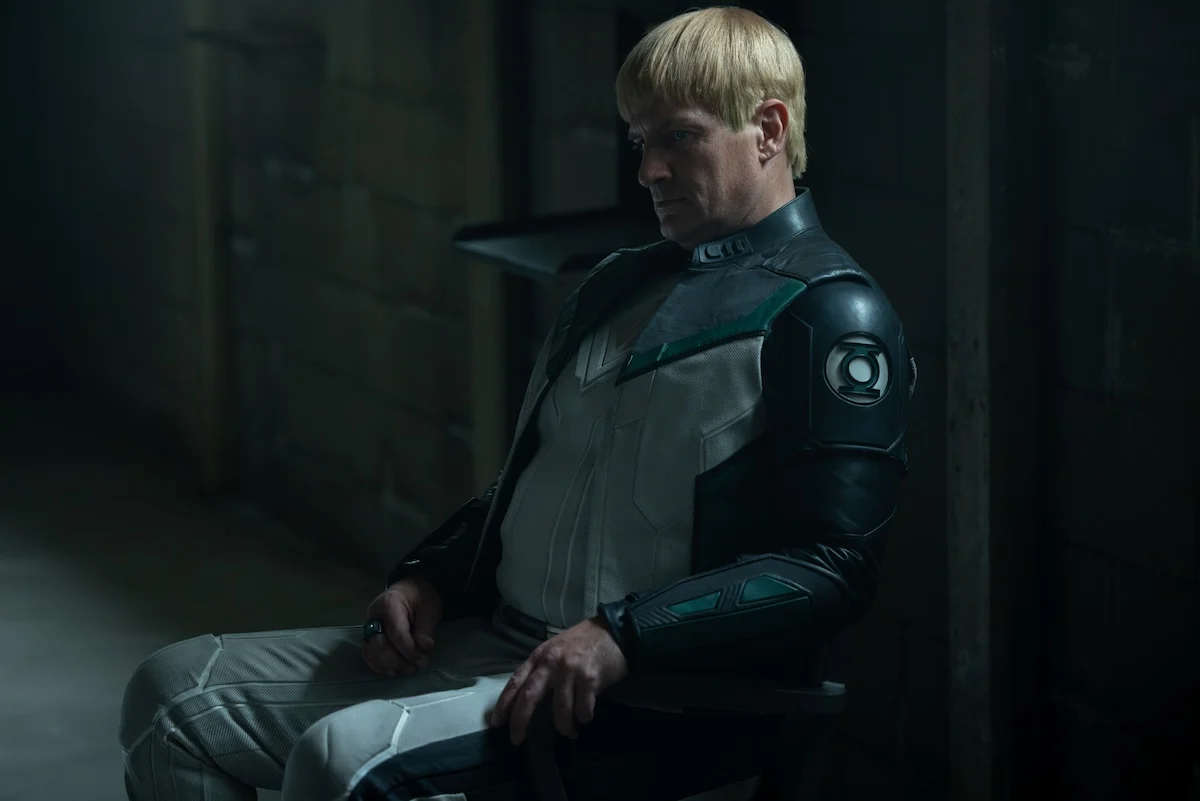
The HBO original series Lanterns has consistently subverted the expectations of the superhero genre, trading in the cosmic spectacle of the Green Lantern Corps for the gritty, rain-slicked atmosphere of a neo-noir detective thriller. However, no episode has leaned harder into the show’s central mystery—and its emotional core—than Episode 6, titled “Bad Optics.” Following the shocking revelation of Hal Jordan’s (Kyle Chandler) death in the series premiere, “Bad Optics” serves as a masterclass in narrative architecture, resurrecting the franchise’s most iconic hero not through a supernatural miracle, but through a digital backup consciousness: the "Hal-o-gram."
As the season hurtles toward its finale, “Bad Optics” clarifies the stakes of the investigation led by John Stewart (Aaron Pierre), while simultaneously deepening the psychological trauma that binds the two men to the scorched earth of Rushville.
Main Facts: The Resurrection of Hal Jordan’s Consciousness
The primary takeaway from Episode 6 is the return of Kyle Chandler’s Hal Jordan to the active narrative. While Jordan’s physical body remains a cold piece of evidence in the Rushville morgue (and later, an exhumed corpse), his presence is secured via a backup consciousness stored within his Power Ring. This technological "ghost" allows the show to maintain the electric chemistry between Chandler and Pierre, even as the power dynamic shifts.
John Stewart, once the reluctant mentee, is now the lead investigator, while the Hal-o-gram functions as a "backup’s backup." This development ensures that the series does not lose its primary draw—Chandler’s charismatic, albeit flawed, portrayal of a hero in decline—while allowing John Stewart to fully inhabit the role of the protagonist. The episode’s title, “Bad Optics,” serves a dual purpose: it refers to the PR nightmare of the Green Lanterns’ history in Rushville and the literal optical manifestation of Hal’s consciousness.

Chronology: The Night at the Diner and the Path to Exhumation
To understand the present state of the investigation, “Bad Optics” utilizes a non-linear approach to fill in the gaps of Hal Jordan’s final hours.
The Final Confrontation
The episode reveals that John Stewart was likely the last person to see Hal Jordan alive. Driven by a lie from his mother, Bernadette—who claimed Hal wanted to apologize—John traveled to a diner in Rushville. The meeting was far from a reconciliation. Instead, the two argued over the 2016 disaster that leveled the town. Hal, having served ten years in prison, claimed he "took the fall," to which John bitingly replied, "You didn’t take the fall. You fell."
The Warning
Before they parted ways, Hal issued a cryptic and forceful warning: "Don’t tell anyone you were here. Please. Nobody." This suggests that Hal was aware of a looming threat, or perhaps was attempting to protect John from being implicated in whatever violent end Hal sensed was coming.
The Investigation Resumes
In the present day, John returns to Rushville under the guise of helping Sheriff Kane (Kelly Macdonald). After being "deputized" by the Sheriff, John’s investigation leads him to a series of desperate moves. He bails on his professional obligations to "build arcs" for cities in crisis, choosing instead to manipulate Guy Gardner (Nathan Fillion) into returning Hal’s ring.

The Ending
The episode concludes with a macabre necessity. To unlock the "Fortress of Storage"—a high-security vault containing Hal’s final secrets—John must use the ring to conjure Hal’s backup consciousness. The final image of the episode, featuring the Hal-o-gram looking down at his own exhumed body with a weary "Goddamnit," sets the stage for the season’s final act.
Supporting Data: The Suspect Hierarchy
“Bad Optics” slyly introduces and reinforces several theories regarding Hal Jordan’s killer. The evidence presented suggests five primary suspects:
1. Sinestro (Ulrich Thomsen)
The most likely culprit remains Hal’s former mentor. Guy Gardner reveals that Sinestro was recently broken out of space prison. Given Sinestro’s history of killing Guardians and his long-standing grudge against Hal for his original incarceration, he has both the motive and the means.
2. Noah (Shea Pritchard)
The son of Sheriff Kane has undergone a suspicious transformation from a traumatized child to an "All-American" football star and political aspirant. In the premiere, a dying Manhunter told Noah to "remember everything I taught you." If Noah is continuing a Manhunter sleeper-agent mission, Hal Jordan would have been his primary obstacle.

3. Sheriff Kane (Kelly Macdonald)
Though John rules her out because she is "too real to fake cry," the episode hints that sorrow and guilt are not mutually exclusive. If Hal’s presence in Rushville threatened the town’s recovery or the safety of her son, Kane may have acted to protect her community.
4. The Citizens of Rushville
The episode highlights the visceral hatred the town holds for the Green Lanterns. A group of locals, led by the bumbling but vengeful Billy (Jason Ritter), attempts to jump John. While it seems unlikely a "putz" like Billy killed a veteran Lantern, the collective anger of the town remains a potent variable.
5. John Stewart
In a narrative written by Damon Lindelof and Justin Britt-Gibson, the "unreliable narrator" is always a possibility. Hal’s line in the diner—"There’s more than one killer at this table"—could be a meta-commentary on John’s own repressed actions or a darker twist yet to be revealed.
Official Responses: Creative Direction and Character Motivations
While HBO has not released a formal "official response" to the plot twists, the creative choices of showrunners Justin Britt-Gibson and Damon Lindelof speak volumes. The decision to ground the story in a "Fortress of Storage" rather than the traditional "Fortress of Solitude" reflects a commitment to a blue-collar, terrestrial version of the DC Universe.

The Evolution of Hal Jordan
Kyle Chandler’s performance in Episode 6 highlights a character who has transitioned from a cocky pilot to a man seeking atonement. Sheriff Kane reveals that in his final months, Hal went door-to-door in Rushville, offering to mow lawns and do grocery shopping for the families he hurt. This "humbled" Hal Jordan provides a stark contrast to the digital ghost in the ring, which retains the sharp-tongued cynicism of his younger self.
The Role of Carol Ferris
The inclusion of Carol Ferris (Amie MacKenzie) at the funeral serves as a bridge to Hal’s past. Her conversation with John—assuring him that Hal liked him but would never say it—provides the emotional validation John needs to continue the investigation. It frames the search for the killer not just as a matter of justice, but as a final act of loyalty to a surrogate father figure.
Implications: Racial Dynamics and the Future of the Corps
The title “Bad Optics” carries significant weight regarding the show’s exploration of race and heroism. The series grapples with the "optics" of a young Black hero, John Stewart, being tethered to the legacy—and now the literal holographic shadow—of an older white hero who "fell."
The "Sidekick" Reversal
By making the Hal-o-gram a semi-permanent fixture, Lanterns reverses the traditional sidekick dynamic. John Stewart is the protagonist, but he is haunted (literally) by the standard set by his predecessor. This raises questions for a potential Season 2: Can John Stewart exist as a Green Lantern without the shadow of Hal Jordan? Or is the "Lantern" identity inherently tied to the trauma of those who came before?

The Manhunter Threat
The lingering threat of the Manhunters—and their ability to "find a path to power" within human institutions—suggests that the mystery of Rushville is merely a symptom of a larger systemic infection. If Noah is indeed a Manhunter plant, the implications for the DCU’s political landscape are massive, suggesting that the "intergalactic police" have already lost control of Earth’s local governance.
Conclusion: A B+ Turn Toward the Finish Line
Episode 6 of Lanterns successfully navigates the difficult task of keeping its most famous star involved while moving the plot forward. By centering the mystery on the emotional wreckage of Rushville, the show elevates itself from a standard procedural to a profound meditation on grief, atonement, and the "bad optics" of trying to be a hero in a world that no longer trusts you. As John Stewart activates the Hal-o-gram, the series prepares to head into its final episodes with a renewed sense of purpose: solving a murder that is as much about the past as it is about the future of the galaxy.