The Great Pivot: How In-App Purchases Overtook Premium Sales in the Meta Horizon Ecosystem
Introduction: A Paradigm Shift in Virtual Reality Economics
For nearly a decade, the dream of consumer virtual reality was built on the "console model": high-fidelity, premium experiences purchased for a fixed price, designed to showcase the power of the hardware. However, a landmark report from Meta regarding the performance of its Meta Horizon store (formerly the Quest Store) has signaled the definitive end of that era. Meta has officially confirmed that in-app purchases (IAP) have now surpassed paid app sales as the primary revenue driver for the platform.
This transition, documented throughout the first three quarters of 2026, represents a fundamental shift in user behavior and developer strategy. As the VR industry moves toward a "social-first" architecture, the traditional "buy-to-play" model is being cannibalized by free-to-play (F2P) titles that prioritize long-term engagement and microtransactions over one-time digital sales. The implications for developers, platform holders, and the future of high-budget VR gaming are profound.
Main Facts: The New Revenue Hierarchy
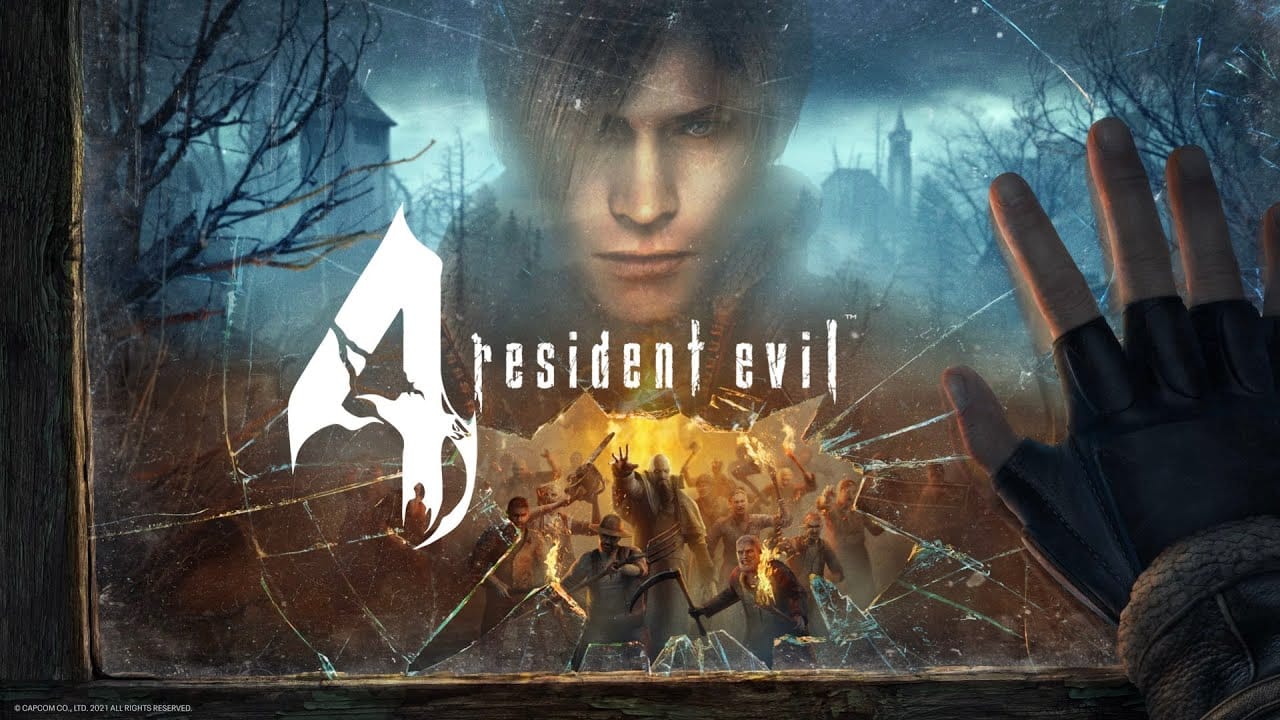
According to Meta’s internal data covering the period from January 2026 to September 2026, the financial landscape of the Quest ecosystem has flipped. Historically, "premium" titles—games that require an upfront purchase, such as Beat Saber or Resident Evil 4 VR—were the bedrock of the store’s economy. Today, those titles have been eclipsed by the recurring revenue generated within free-to-play applications.
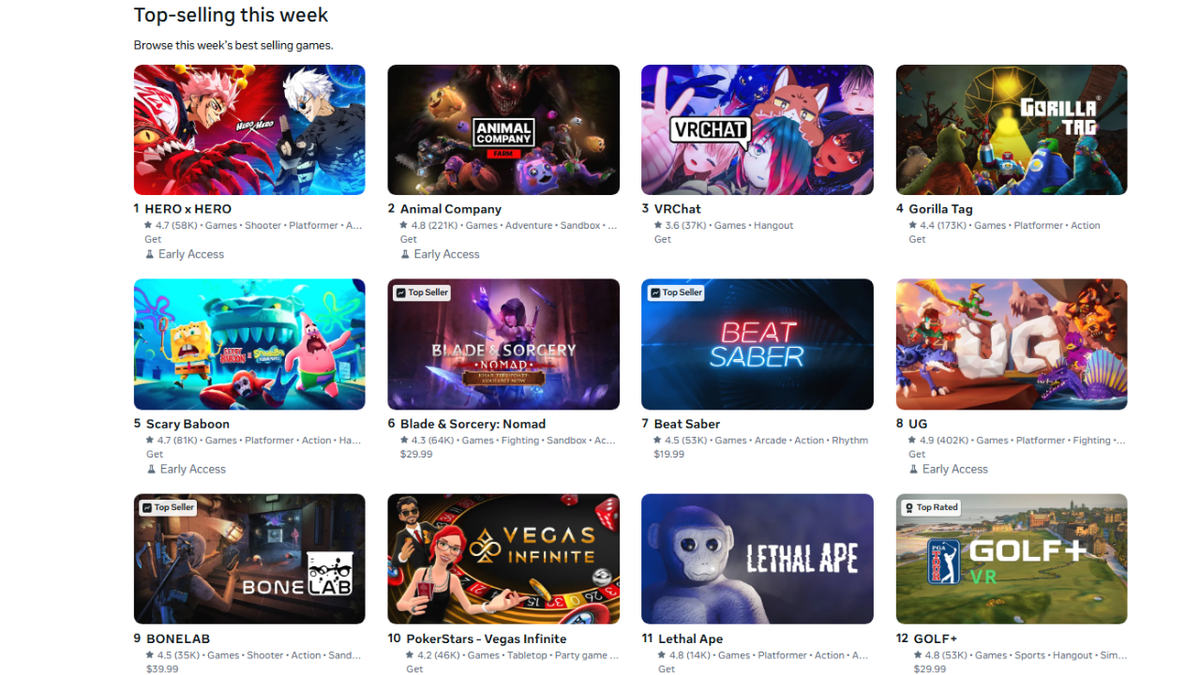
The surge in IAP revenue is driven largely by social VR experiences and competitive multiplayer games. While Meta defines any non-free title as a "premium" game, these traditional experiences are increasingly struggling to maintain the "perennial top seller" status they once enjoyed. Instead, the charts are now dominated by applications that use a "freemium" model, where the barrier to entry is zero, but the opportunities for spending on cosmetics, seasonal passes, and digital currency are limitless.
This shift is not merely a trend in software sales; it is reflected in user engagement metrics. Titles like Animal Company and UG have joined the exclusive "100,000+ ratings" club, a milestone that only a handful of premium games have ever reached. The sheer volume of users in these F2P ecosystems creates a network effect that premium, single-player experiences find difficult to replicate.
Chronology: The Road to 2026
The transition from premium to IAP-driven revenue did not happen overnight. The "tea leaves" were visible as early as 2022, when Gorilla Tag, an indie sensation with rudimentary graphics but highly addictive social mechanics, overtook Beat Saber in user ratings. At the time, Beat Saber was considered the undisputed king of VR, the industry’s "killer app." When a free-to-play title built on a "lo-fi" aesthetic began outperforming a polished, high-budget rhythm game, the industry received its first major wake-up call.
By 2024 and 2025, the trend accelerated. Meta, observing the massive engagement numbers of social-forward titles, began a strategic divestment from its in-house premium studios. The timeline of these closures marks a clear retreat from the "AAA VR" philosophy:

- Ready At Dawn (the team behind the Lone Echo series) was shuttered after years of pushing the boundaries of VR fidelity.
- Armature Studio, Twisted Pixel, and Sanzaru Games—the architects of Resident Evil 4 VR, Deadpool VR, and Asgard’s Wrath 2—were similarly closed or integrated into other departments.
- Within, the developers of the fitness hit Supernatural, chose to spin back out as an independent entity, signaling a desire to distance themselves from the volatility of Meta’s internal studio management.
By the start of 2026, the market reached a tipping point. The Meta Horizon store’s top-grossing lists began to look less like a traditional game store and more like the mobile App Store, where the top spots are occupied by platforms rather than standalone games.
Supporting Data: Performance Disparity and Competitive Landscapes
The data highlights a stark contrast between Meta’s ecosystem and those of traditional gaming giants like Sony and Nintendo.
The Meta Reality
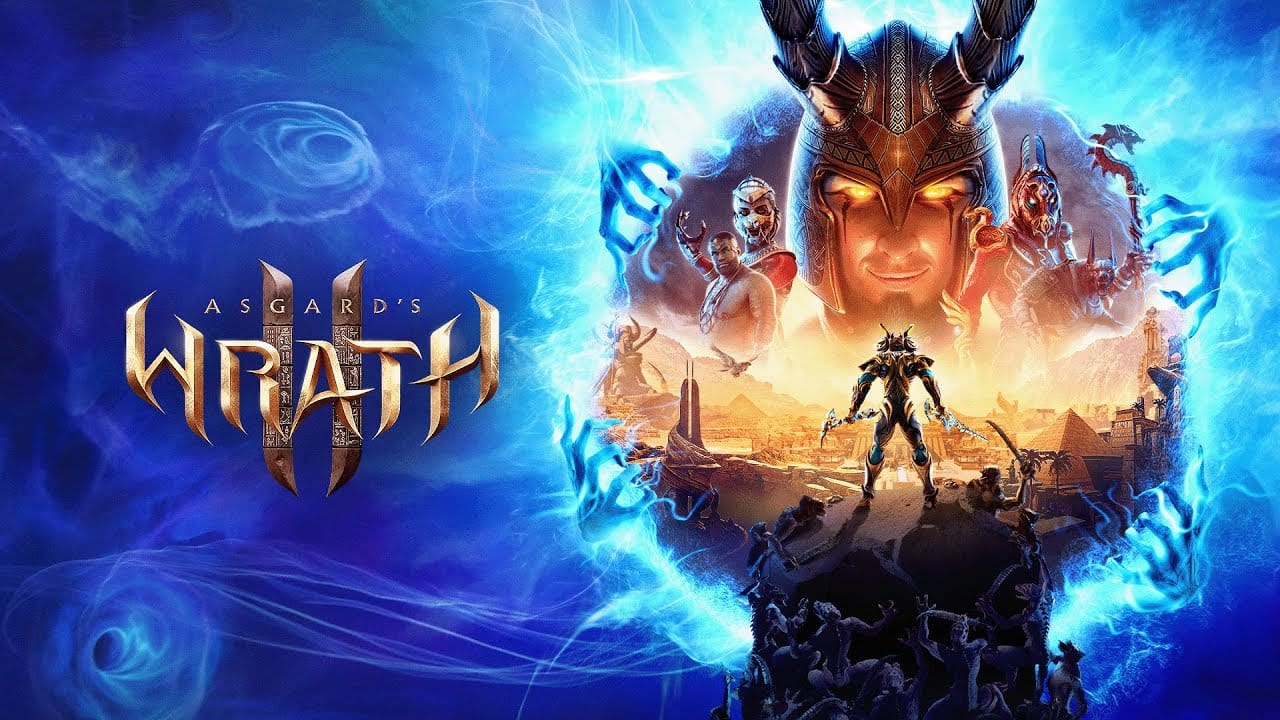
Despite massive investment, Meta’s first-party premium titles have struggled with "tail" performance. High-budget releases such as Asgard’s Wrath 2 and Batman: Arkham Shadow were critical successes but failed to remain in the top 40 best-sellers list for more than a few months post-launch. As of late 2026, only the VR port of Resident Evil 4 remains in the top 50 (sitting at number 44), largely due to the enduring power of the Resident Evil IP. Even Beat Saber, Meta’s most successful acquisition, now relies heavily on music pack DLCs—essentially a form of IAP—to maintain its revenue stream.
The Console Contrast
In contrast, Sony and Nintendo continue to prove that the premium model is alive and well on "flat" consoles. According to Alinea Analytics:
- Sony: God of War: Ragnarok remains the highest-grossing title of the current PlayStation generation, followed by Spider-Man 2 and Gran Turismo 7. All are premium, first-party titles.
- Nintendo: The "Switch 2" launch has been bolstered by premium sales, with the Ocarina of Time remake moving 5.2 million units in just four days. Their top earners—Mario Kart World and Pokémon Legends: Z-A—are all premium exclusives.
This comparison suggests that while VR users crave social interaction and recurring content (fueling IAPs), console users still prioritize the "prestige" single-player experience. Meta’s struggle is unique to the VR medium, where the "presence" of other people often outweighs the "presence" of a scripted narrative.
Official Responses and Strategic Commitments
In its official blog post, Meta attempted to balance the news of IAP dominance with a commitment to the broader developer community. The company announced that it has over $120 million committed to third-party games currently in active development. This is a strategic pivot; rather than funding expensive internal studios with high overhead, Meta is spreading its bets across external partners who can be more agile in responding to market trends.
At the most recent Meta Connect, half a dozen new titles were announced, all specifically optimized for the upcoming Meta VR Glasses, scheduled for release in Spring 2027. These titles will also support the Quest 3, ensuring that the current hardware base remains viable.
However, the "official" optimism is met with skepticism from the developer community. Multiple studio heads, including those from the recently shuttered Polyarc Games (creators of the Moss series), have cited a "lack of funding for new premium projects" as the root cause of recent layoffs. While Meta is still the largest funder in the space, its focus has clearly shifted toward titles that promise long-term monetization through the Horizon OS social layer.
Implications: The Future of the VR Developer
What does this mean for the person currently coding a VR game? The industry is splitting into three distinct survival strategies:

1. The F2P Pivot
Developers who once built premium games are now "dipping their toes" into free-to-play. Owlchemy Labs (Job Simulator), Schell Games (I Expect You To Die), and nDreams have all experimented with F2P or live-service models. The success rate is mixed. While Population: One saw a resurgence after going free-to-play, other titles like Zenith: Nexus and Hyper Dash have struggled to maintain the server costs required for a F2P model, leading to scheduled shutdowns in late 2026 and 2027.
2. The Subscription Sanctuary
The Meta Horizon+ subscription service has emerged as a middle ground. For a monthly fee, users get access to a rotating catalog of games. This model is particularly enticing for games like Walkabout Mini Golf, which already features a hybrid model of a low entry price and high-quality paid DLC. By joining Horizon+, developers can secure a predictable revenue stream from Meta while still selling IAP cosmetics to a wider audience.
3. The "End of Life" Risk
A looming shadow over the entire ecosystem is the scheduled "End of Life" for the Quest 2 in late 2027. The Quest 2 remains the best-selling VR headset by volume in history. As Meta pushes users toward the Quest 3 and the 2027 VR Glasses, developers must decide whether to continue supporting the aging hardware that holds the largest user base or move to the more powerful, but less populated, newer devices.
Conclusion: A Market in Search of Equilibrium
The revelation that in-app purchases have surpassed premium sales is the final confirmation that the VR market has matured into a mobile-adjacent economy. The "social-forward, microtransaction-laden" titles are no longer an outlier; they are the standard.
While this may be disheartening for fans of "AAA" single-player VR, it also points to a more sustainable, albeit different, path for the industry. VR is no longer just a peripheral for gaming; it is a platform for digital identity. As we approach 2027, the developers who survive will likely be those who stop trying to build "the next God of War for VR" and start building the next digital town square where users are happy to spend a few dollars to look, feel, and play differently. The truth remains: there is no singular route to success in VR, but the path paved with premium-only sales is narrower than ever before.