
The Peril of the Past and the Promise of the Present: Navigating Consciousness in the Digital Age
By [Your Name/News Agency Name]
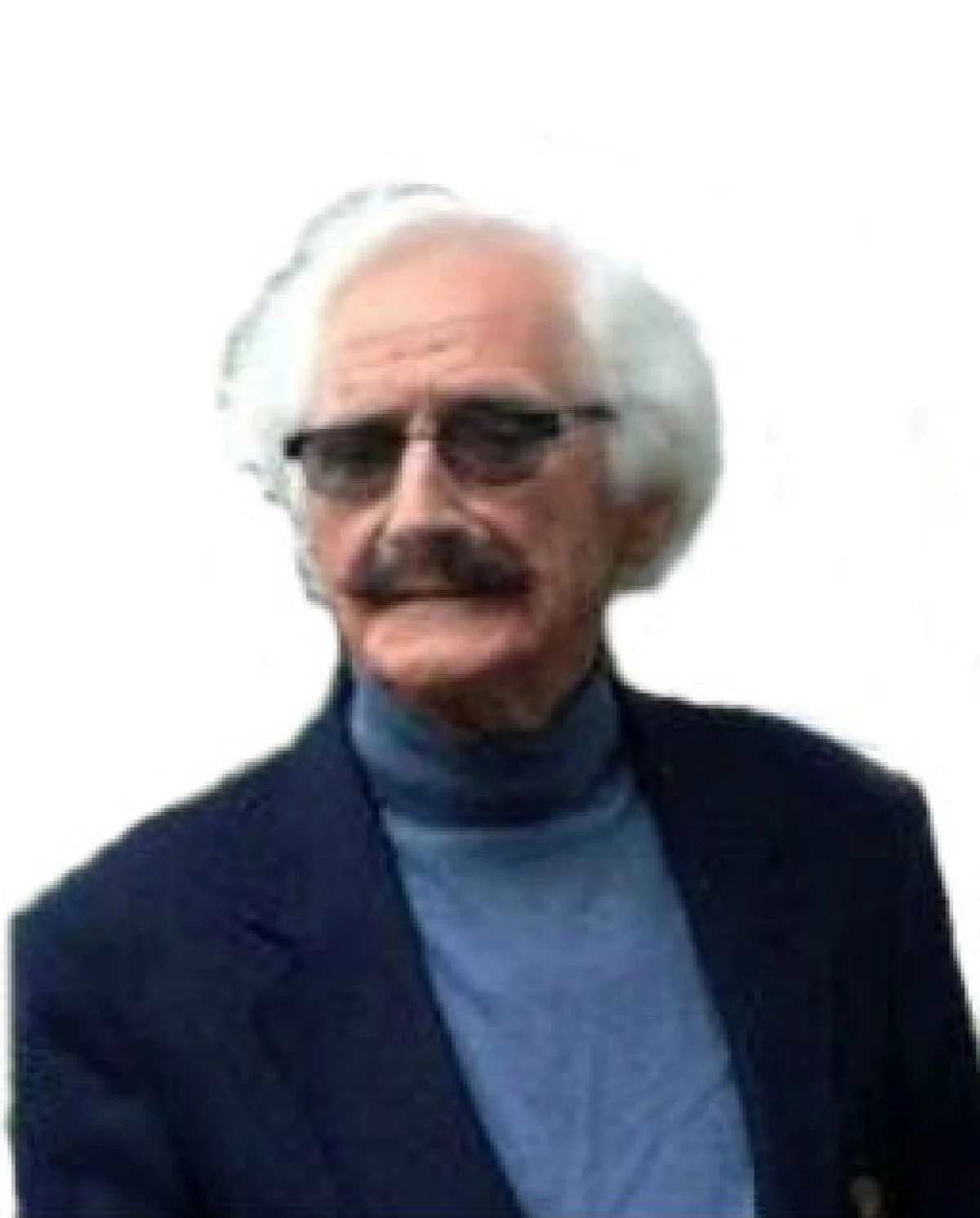
As humanity hurtles forward, propelled by technological innovation and an ever-accelerating pace of life, a profound question emerges from the quiet contemplation of an elder statesman of thought: are we losing ourselves in the echoes of yesterday and the projections of tomorrow, at the expense of the vital, vibrant present? Approaching his 94th birthday, a seasoned observer reflects on the intricate dance of consciousness, memory, and present engagement, offering a stark warning about the potential erosion of self-realization and human individuality in our increasingly digitized world. This article delves into this critical discourse, examining the nature of memory and reflection, the established psychological frameworks of individuation, historical perspectives on present-moment awareness, and the potentially devastating impact of modern technology on our very essence.
The Double-Edged Sword of Memory and Contemplation
At the heart of our conscious experience lies the intricate interplay between memory and contemplation. These twin faculties are not merely passive archives of past events; they are the very mechanisms by which we construct our sense of self and imbue our lives with meaning. Through reminiscing, we revisit moments, not just as factual occurrences, but as experiences that have shaped our emotions, thoughts, and ultimately, our identity. Contemplation allows us to process these memories, to understand their significance and their lasting impact. As the author, nearing his tenth decade, poignantly observes, these processes are fundamental to ensuring that life’s myriad happenings are not lost to the sands of time.
However, as we age, a subtle yet potent danger emerges: the tendency for these powerful internal mechanisms to become dominant, eclipsing the vibrant reality of the present. The older one gets, the more the past can beckon, its familiar landscapes offering a comforting, albeit potentially limiting, refuge. This can lead to a diminished appreciation for the ongoing stream of life, a subtle detachment from the immediate world around us. The mind, it seems, can too easily "wander off" into a nostalgic reverie, a kaleidoscope of memories, dreams, and reflections that, while perhaps vivid, are disconnected from the here and now. This "Been There; Seen This; Done That" attitude, while a testament to a life lived, risks becoming a self-imposed prison, preventing genuine engagement with new experiences and the evolving self.
The Dual Pillars of Self-Realization: Inner and Outer Worlds
The author posits that our individuality is forged through a dualistic functioning of consciousness. On one level, we are attuned to the external world, responding sensorily to the factual events that unfold around us. This is the realm of direct experience, of immediate interaction with the physical environment and the people within it. On a second, equally crucial level, consciousness operates reflectively, processing the internal awareness of the significance of these external happenings. This inner reflection is where meaning is constructed, where purpose is found, and where our existence gains depth and richness.
The critical point, the author stresses, is that maintaining both these functions, regardless of age, is paramount for achieving a significant level of self-realization. To disengage from the outside world, to cease responding to its stimuli and complexities, is to stunt our growth. It is the continuous interplay between external engagement and internal evaluation that allows us to understand ourselves not only as beings in time and space but also as beings with a rich inner landscape. This dynamic duality, this harmonious oscillation between the external and internal, is what some psychologists have termed "individuation" – a lifelong journey of becoming one’s authentic self, a process seen as the ultimate goal of human existence.
Echoes from the Past: Historical Perspectives on Present-Moment Living
The author’s contemporary observations resonate with the wisdom of historical figures who grappled with the same human tendency to dwell on what has been or what might be. Samuel Johnson, the renowned English lexicographer and author, lamented this very predicament in his time: "No mind is much employed upon the present; recollection and anticipation fill up almost all our moments." His words, penned centuries ago, suggest that the allure of the past and the anxieties of the future have long been formidable distractions from the immediate reality of life.
Similarly, the poet-philosopher John Dryden offered a vision of contentment rooted in present-moment embrace:
"Happy the man, and happy he alone,
He who can call today his own;
He who, secure within, can say,
Tomorrow do thy worst, for I have lived today."
Dryden’s lines champion a life lived fully in the present, a state of being where one is so grounded in the current experience that the uncertainties of tomorrow hold no dominion. These historical pronouncements serve as a potent reminder that the challenge of living in the present is not a modern affliction, but a perennial human struggle.
The Digital Deluge: A Threat to Individuation?
The author argues that the contemporary human way of life, profoundly shaped by the advent of computer technology and digital immersion, is actively wreaking havoc on the balanced duality of consciousness. In a world where much of our daily experience is mediated through screens, the rich, multi-sensory engagement with the "actual physical happenings in time and space" is often reduced to mere visual input. The tactile, the visceral, the deeply imprinted sensory experiences that once vitalized our senses and imbued them with meaning and significance are increasingly absent.
This abstract mode of existence, while offering convenience and access to information, carries a significant risk. It may, the author fears, ultimately undermine the very goal of personal individuation. When our interactions are primarily virtual, when our experiences are curated and filtered through digital interfaces, the profound questions of "who" we are and "why" we are on this journey of life become more difficult to confront. The direct, unmediated encounters with the world, which foster deep introspection and a robust sense of self, are being eroded.
A Prophetic Warning from the Past: The Neurons and the Human Being
The author’s concerns are further illuminated by a passage from his own book, What the Hell Are the Neurons Up To? This prescient reflection, written some years ago, foresees a future where the relentless march of the Electronic Age could transform us into "victims" and "automatons." He warns of a potential shift towards a "totally extroverted life," a state where our engagement with the world is purely external, devoid of the internal reflection that defines our humanity.
In such a scenario, the very definition of "human" might be challenged. Darwin’s profound statement regarding the importance of moral senses – wonder and conscience – takes on a chilling prophetic quality. Darwin asserted that these attributes are "the most important and noble of all human attributes, and that to be without them renders us more akin to the lower animals." The author echoes this sentiment, suggesting that if we become so consumed by an external, digitally mediated existence that we lose our capacity for wonder and conscience, we risk forfeiting the very essence of our humanity. This is not merely a philosophical musing; it is a stark warning about the potential consequences of unchecked technological integration on our psychological and moral development.
The Urgency of Present Engagement: Reclaiming Our Inner and Outer Worlds
The insights presented by this elder thinker are not a call to abandon technology or to retreat from the modern world. Rather, they are an urgent plea for a more conscious and balanced approach to our existence. The challenge lies in recognizing the insidious nature of present-day distractions and actively cultivating the faculties that foster true self-realization.
H2: The Psychological Landscape of Individuation
The concept of individuation, as explored by Carl Jung and others, offers a framework for understanding the lifelong process of psychological development. It is not simply about accumulating experiences but about integrating them into a cohesive whole, developing a distinct and authentic self. This process involves confronting the shadow aspects of our personality, embracing our unique archetypes, and achieving a balance between our conscious and unconscious minds. The author’s dualistic model of consciousness – the outward-directed engagement with the world and the inner-reflective processing of its significance – directly aligns with the core tenets of individuation.
- H3: The Role of External Engagement: Jung emphasized the importance of engaging with the world, of participating in its activities, and of confronting its challenges. It is through these external interactions that we gain self-knowledge, discover our strengths and weaknesses, and develop our sense of purpose. The author’s concern about the diminishing "hands-on" experiences in the digital age directly impacts this aspect of individuation, as it limits the raw material for meaningful reflection.
- H3: The Power of Internal Reflection: Equally crucial is the capacity for introspection and self-analysis. This involves understanding our motivations, our values, and our emotional responses. The author’s emphasis on contemplation and the internal awareness of significance speaks to this vital inner work. Without it, external experiences remain superficial, failing to contribute to the deeper integration of the self.
H2: Chronological Echoes: Historical Discourses on Presence
The human struggle to remain present is not a new phenomenon. Throughout history, philosophers, theologians, and poets have articulated the importance of living in the "now."
- H3: Ancient Philosophies: Stoic philosophers like Marcus Aurelius, in his Meditations, repeatedly urged his readers to focus on what is within their control – their thoughts and actions in the present moment – and to accept what is beyond their control. This emphasis on present action and acceptance is a cornerstone of enduring psychological well-being.
- H3: Religious and Spiritual Traditions: Many spiritual traditions, from Buddhism to Christian contemplation, highlight the practice of mindfulness and present-moment awareness as a path to enlightenment or spiritual growth. The concept of "being present" is often seen as a way to transcend the anxieties of the past and the future, fostering peace and clarity.
These historical examples underscore that the author’s observations are not an isolated critique but part of a long-standing human quest to anchor ourselves in the present.
H2: Supporting Data: The Neuroscience of Memory and Attention
While the author’s reflections are primarily philosophical and psychological, contemporary neuroscience offers insights that can further illuminate the dynamics of memory, attention, and their impact on our well-being.
- H3: Memory Consolidation and Recall: Research in neuroscience confirms that memory is not a static recording but a dynamic process of encoding, consolidation, and retrieval. The emotional salience of an event, often heightened by direct sensory experience, plays a significant role in memory formation. The abstract nature of screen-based experiences may lead to less robust memory encoding, impacting our ability to recall and learn from them.
- H3: The Attentional Network: The brain’s attentional networks are crucial for filtering information and focusing on relevant stimuli. The constant barrage of notifications and stimuli in the digital age can lead to attentional fatigue and a diminished capacity for sustained focus, making it harder to engage deeply with either the external world or our internal thoughts. This fragmentation of attention can hinder the development of a coherent sense of self.
H2: Official Responses and Societal Implications
While there are no specific "official responses" to the author’s personal reflections, the concerns he raises are echoed in broader societal discussions and academic research.
- H3: Mental Health Discourse: The rise in anxiety, depression, and feelings of disconnection in contemporary society is often linked to increased screen time and a perceived lack of meaningful engagement. Mental health professionals are increasingly advocating for digital detoxes and a greater emphasis on real-world interactions.
- H3: Educational Reforms: Educational institutions are beginning to recognize the importance of experiential learning and fostering critical thinking skills that go beyond rote memorization of digitally delivered content. There is a growing awareness that education must equip individuals with the tools to navigate the complexities of both the digital and physical worlds.
H2: The Imperative of Balance: Reclaiming the Present for a Fuller Future
The author’s profound reflections, amplified by historical wisdom and contemporary understanding, serve as a vital call to action. As we navigate the ever-evolving landscape of the 21st century, it is imperative that we actively cultivate a balanced relationship with technology and reclaim the richness of present-moment engagement. This means:
- Consciously prioritizing real-world experiences: Making time for sensory engagement, for direct interaction with nature, people, and activities that demand our full attention.
- Practicing mindful reflection: Dedicating time for introspection, for processing our experiences, and for understanding their significance in shaping our identity.
- Cultivating a critical approach to technology: Using digital tools as aids rather than as replacements for genuine human connection and experience.
- Embracing the "now": Recognizing that the present moment is where life truly unfolds, where growth occurs, and where our individuality is forged.
By heeding these warnings and actively engaging in the dual process of outward exploration and inward contemplation, we can ensure that our consciousness remains a vibrant engine of self-discovery, rather than a passive repository of echoes from the past or a fleeting reflection on a distant screen. The journey towards individuation, and indeed the very essence of being human, depends on our ability to live fully in the present, embracing both the world outside and the world within.




Leave a Comment