
The Scrappy Spirit of the Digital Age: Analyzing the Subversive Brilliance of Hanna and The Hells and Animan
In the mid-2020s, the comic book industry continues to find itself at a crossroads. While mainstream "floppy" comics from major publishers often struggle to break free from the gravitational pull of cinematic universes and recycled tropes, the independent scene remains a bastion of genuine experimentation. Two recent releases—Hanna and The Hells vs. The Beatles and the English translation of Anouk Ricard’s Animan—represent the dual poles of this creative resistance. Though they differ wildly in visual execution and narrative tone, both works champion a "midnight movie" sensibility that prioritizes irreverence, formal playfulness, and a refusal to cater to the status quo.
Main Facts: A Tale of Two Independent Visions
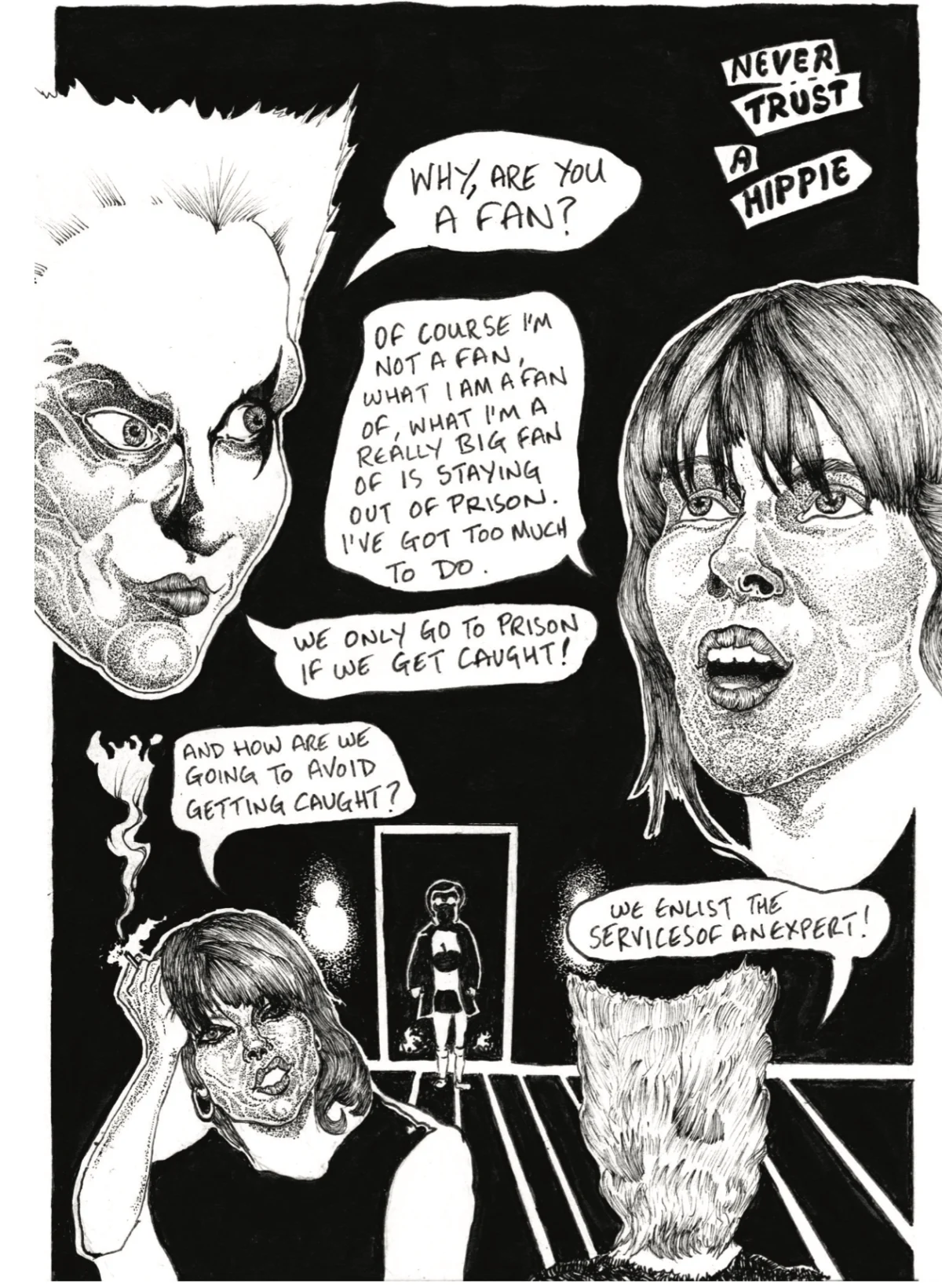
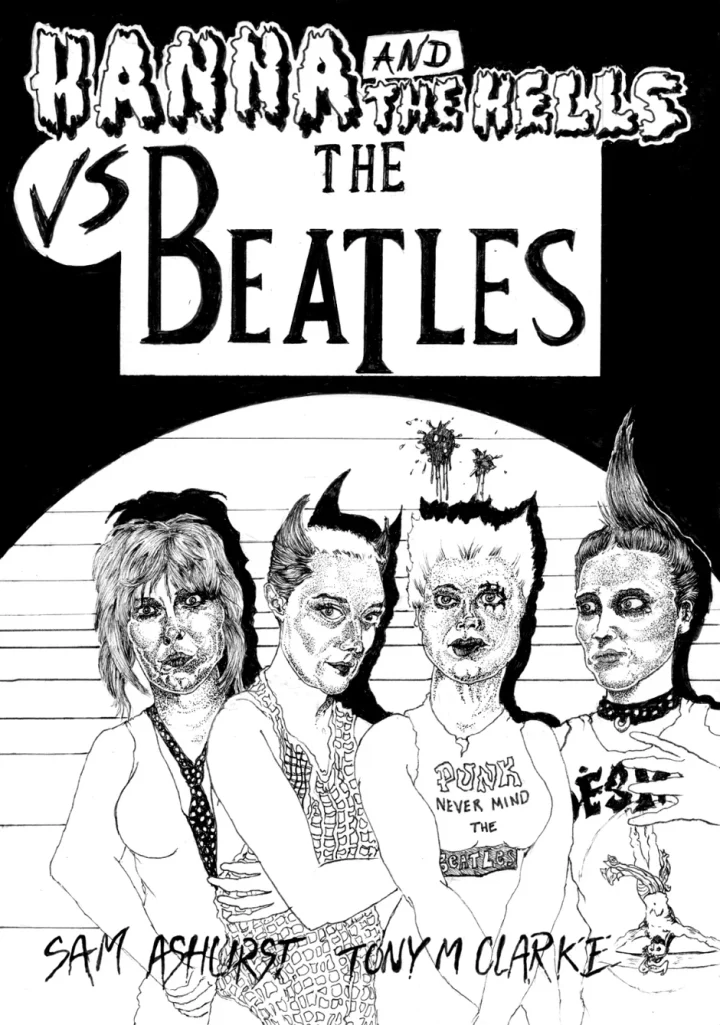
The first of these works, Hanna and The Hells vs. The Beatles, is a visceral, 36-page one-shot published by Portland’s Floating World Comics. It is the result of a cross-continental collaboration between screenwriter Sam Ashurst and London-based illustrator Tony M. Clarke. The book is an unapologetic "midnight movie" in paper-and-ink form, blending the aesthetic of the 1970s UK punk scene with the transgressive humor of filmmakers like John Waters and Herschel Gordon Lewis.
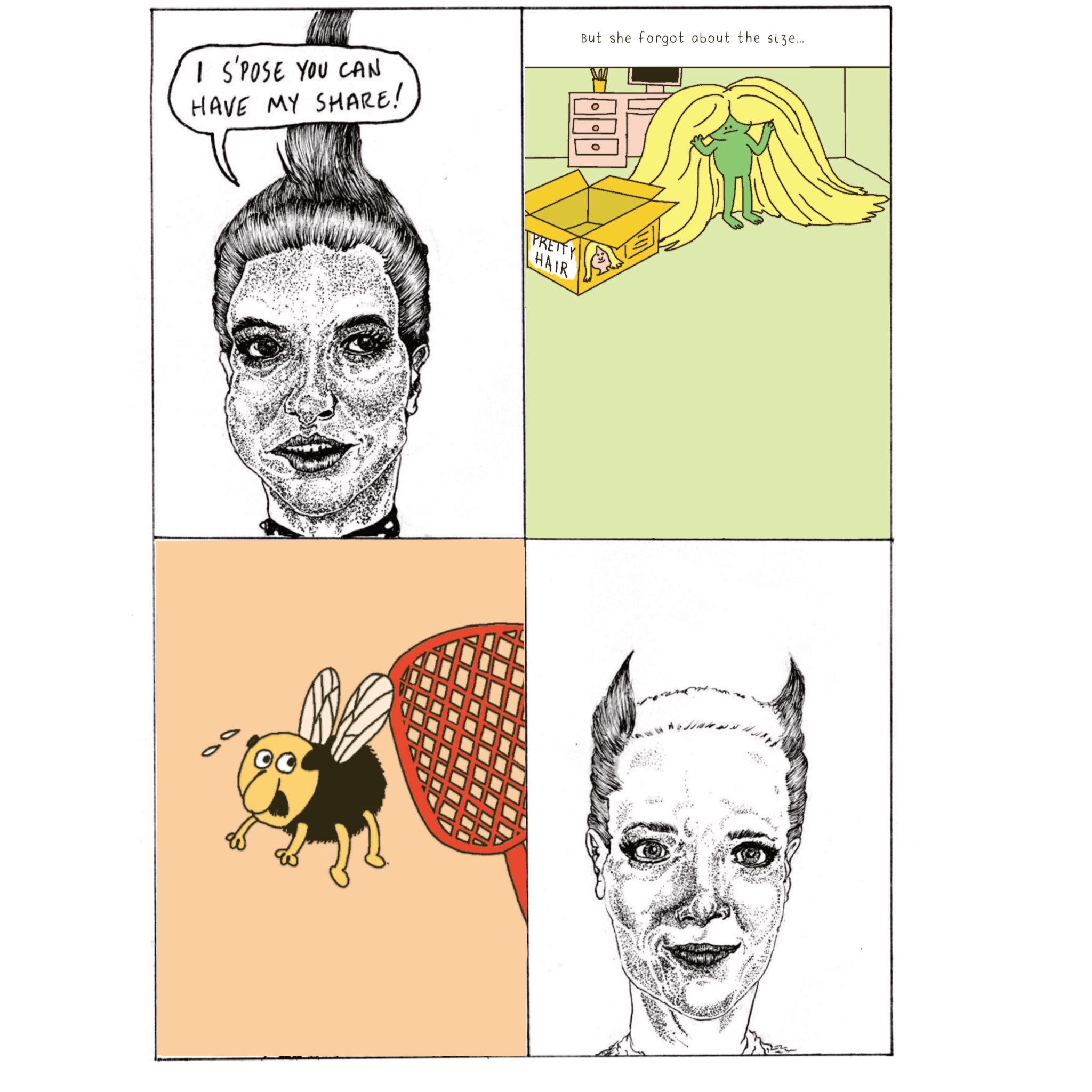
In contrast, Animan, published by Drawn & Quarterly, is a 72-page graphic novella by the acclaimed French artist Anouk Ricard. Translated into English by Montana Kane, the book arrives with the prestige of an Angoulême Grand Prix winner. Ricard’s work utilizes a "clear line" style characterized by simple shapes and vibrant colors, masking a narrative that is profoundly droll and absurdly subversive. While Hanna and The Hells is a loud, feedback-drenched scream, Animan is a quiet, deadpan whisper—yet both are equally effective at dismantling generic conventions.
Chronology: From the Underground to the 2026 Landscape
To understand the impact of these works, one must look at the lineage of independent comics. Hanna and The Hells feels like a spiritual successor to the black-and-white boom of the mid-1980s, an era when creators like the Hernandez brothers and Peter Bagge revitalized the medium by looking toward the "lower depths" of culture.
Timeline of Influence:
- 1978–1980: The height of the UK punk scene, the era in which Hanna and The Hells is meticulously set.
- Mid-1980s: The emergence of independent black-and-white comics from the underground, providing a "scrappy spirit" against the backdrop of a stagnant decade.
- 2023–2025: Anouk Ricard’s Animan gains international acclaim in Europe, eventually securing the Grand Prix at Angoulême, signaling a shift toward humor that prioritizes tone over traditional plot density.
- June 2026: The simultaneous availability of these two works in the English-speaking market marks a high point for "formalist" indie comics that reject the digital polish of modern mainstream publishing.
Supporting Data: Artistic Techniques and Narrative Structures
The Pointillism of the Pits: Hanna and The Hells
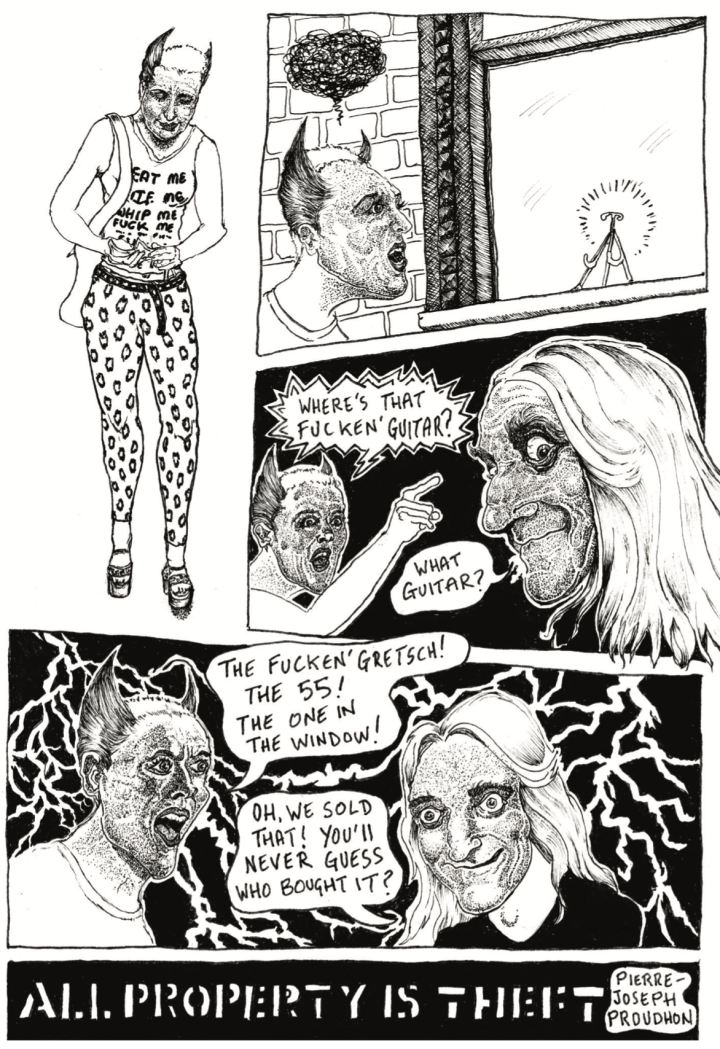
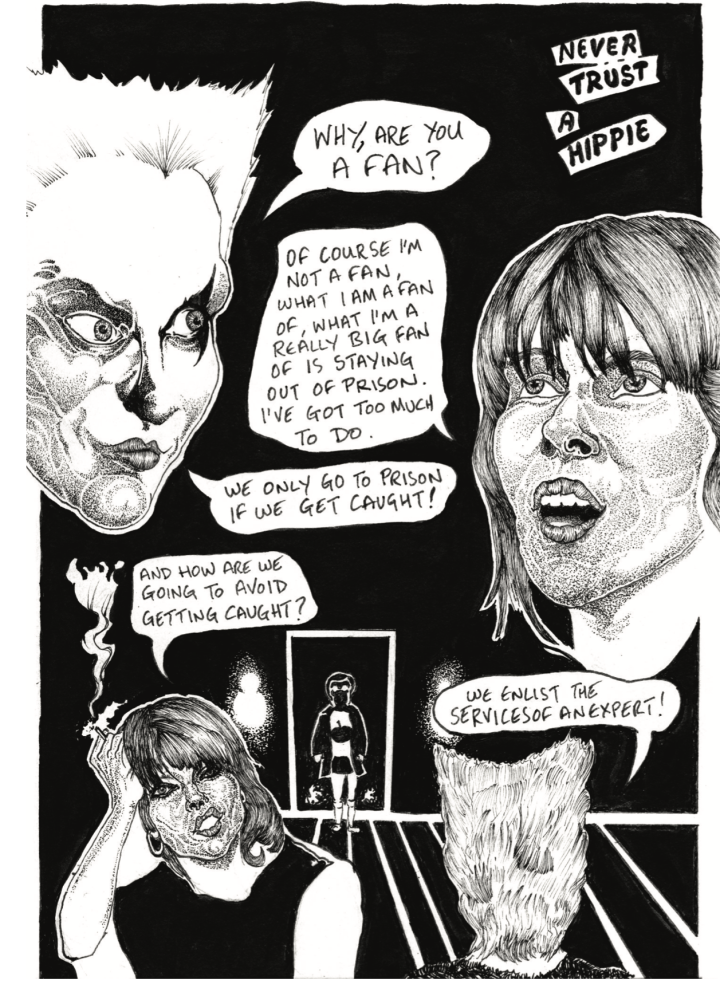
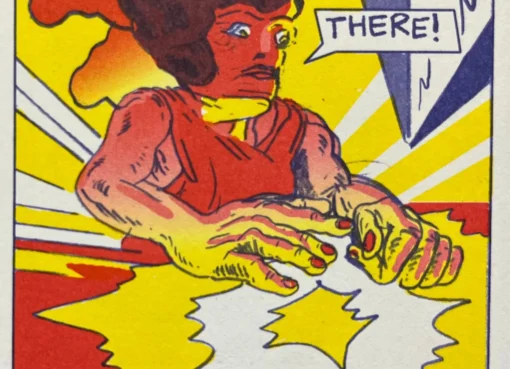
Tony M. Clarke’s artwork in Hanna and The Hells is a masterclass in thematic cohesion. His pointillistic caricatures offer a rough-hewn, gritty edge that perfectly mirrors the jaded outlook of the protagonists. The band members—Hanna, Razor, Fetish, and their unnamed drummer—are rendered with a distorted elegance that captures the "un-American" grime of the London dive bar scene.
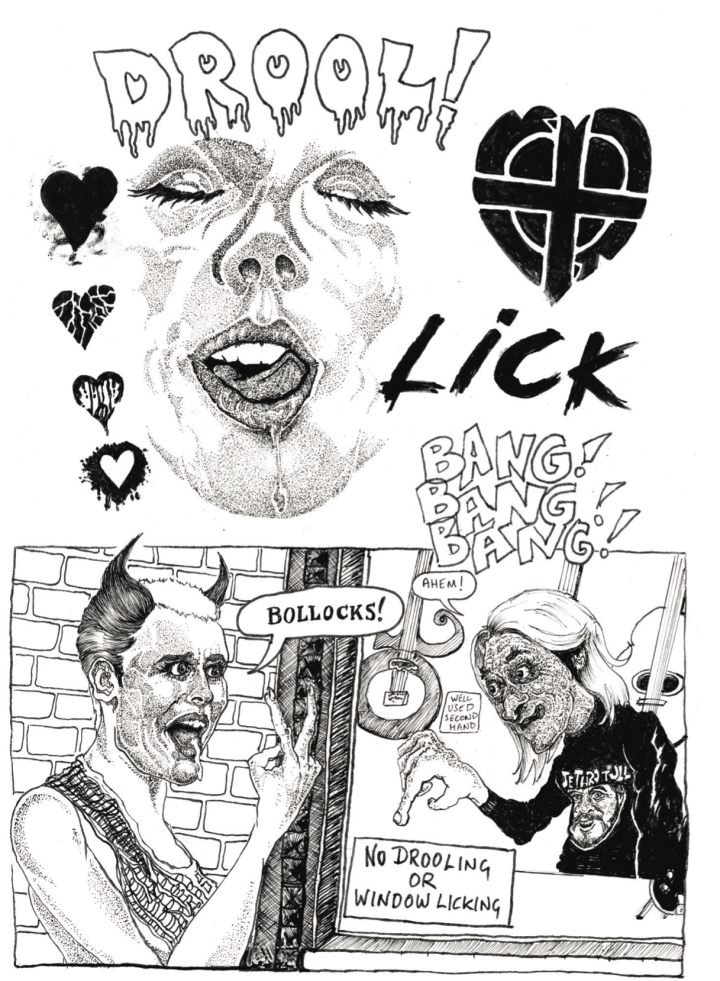
Critically, the physical presentation of the book by Floating World Comics preserves the imperfections of the creative process. Faint pencil sketches and white-out corrections are visible on the page, a deliberate choice that eschews the sterile perfection of digital tablets. This "zine-DIY" feel is essential to the book’s identity as a punk artifact. Ashurst’s script complements this with a "heady stew" of musical references and puns, using punk-rock maxims as ironic clip-art to punctuate the story’s more violent turns.
The Deceptive Simplicity of Animan
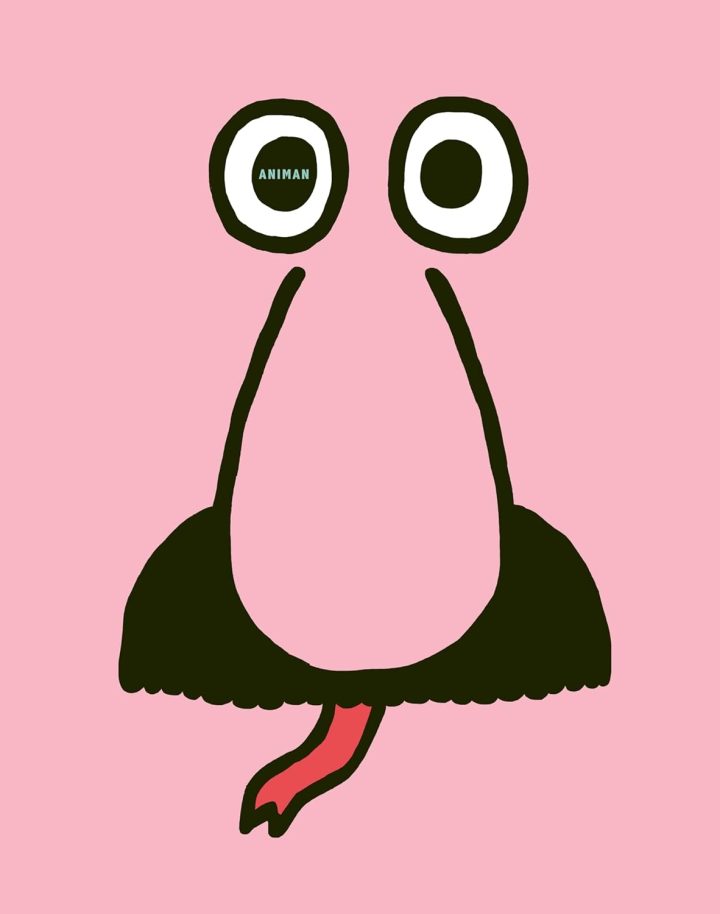
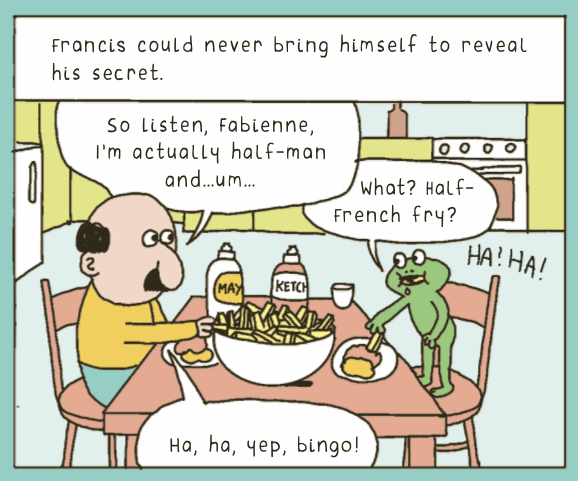
Anouk Ricard’s Animan operates on the opposite end of the spectrum. Her work is often compared to children’s literature due to its rounded characters and bright palettes, yet the humor is so dry it often "whooshes" past younger readers. The protagonist, Francis Rolu, is an animal behaviorist who can shapeshift into any living creature.
The brilliance of Ricard’s narrative structure lies in its inversion of superhero tropes. Unlike Clark Kent or Peter Parker, Rolu’s secret identity is not a burden of responsibility but a personal quirk he barely bothers to share with his roommate, a frog named Fabienne. The "origin story" and the introduction of a nemesis—Objecto, a man who can turn into inanimate objects—are delivered with a Buster Keaton-esque stone-face. Ricard’s philosophy is that "things happen," and the lack of traditional resolution in many of the episodic stories serves as a critique of the over-explained lore of mainstream comics.
Official Responses and Critical Reception
The critical reception of these works highlights a growing fatigue with the "mainstream floppy." Frank M. Young, writing for The Comics Journal, notes that Hanna and The Hells is "100,000 times more interesting" than the typical superhero fare found in neighborhood stores. He praises the book’s "loopy, vicious farce" and its ability to channel the energy of early John Waters films.
Similarly, the English translation of Animan has been lauded for Montana Kane’s ability to preserve the "gentle, matter-of-fact tone" of the French original. Critics have pointed out that while the book "screams kid’s comics," its content—including moments of grim casual detail and bathroom humor—positions it as a sophisticated piece of adult satire. The tension between its "cuddly" art and its "dark matter" (such as the traumatic youth of the antagonist Guy Gulche) creates a reading experience that is both unsettling and hilarious.
Industry analysts suggest that the success of these titles indicates a robust market for physical, tactile comic experiences. Floating World and Drawn & Quarterly have tapped into a demographic that views the "digital doldrums" of webcomics and tablet-optimized art as a loss of the medium’s soul.
Implications: The Future of the Scrappy Spirit
The publication of Hanna and The Hells and Animan in 2026 suggests several significant implications for the future of the medium:
1. The Rejection of Digital Perfection
Both books represent a move away from the "perfect" digital line. Whether it is Clarke’s visible white-out or Ricard’s intentionally naive shapes, there is a clear demand for art that bears the "hand of the creator." This suggests that as AI-generated art and hyper-polished digital coloring become the norm in the corporate sector, indie creators will pivot even harder toward idiosyncratic, manual techniques.
2. The Transgressive Power of Niche References
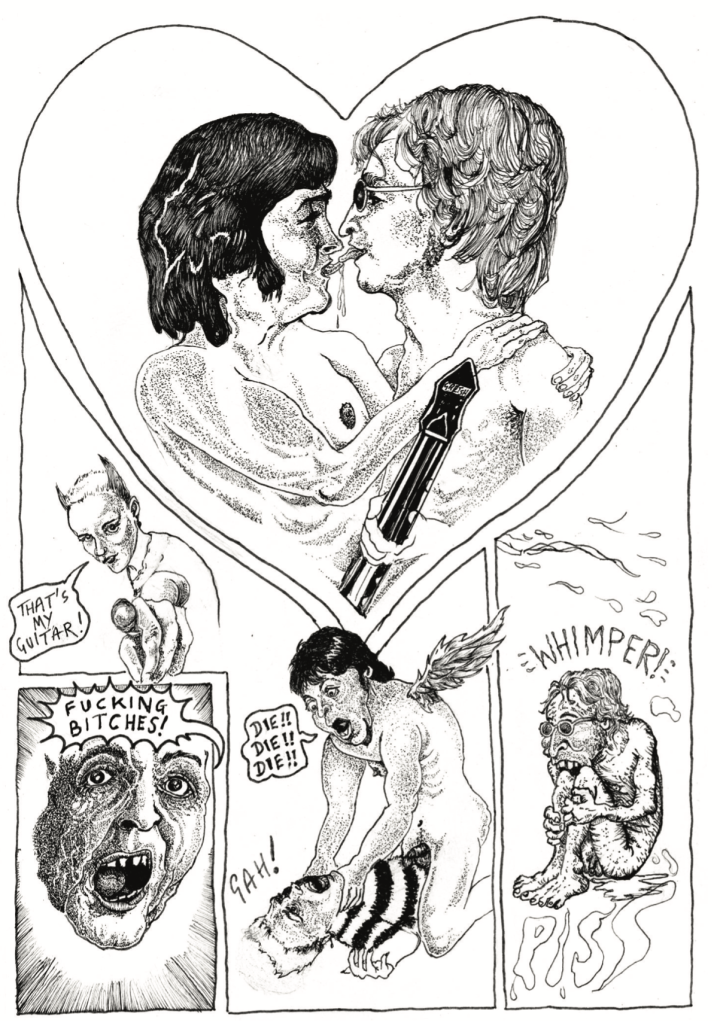
Hanna and The Hells relies on a deep knowledge of music history, film icons, and "Paul is dead" conspiracies. It doesn’t hold the reader’s hand, even suggesting that a "supplemental chart" might be helpful. This unapologetic elitism—or rather, specificity—is a survival strategy. By catering to a "midnight movie" audience, indie comics can build a more loyal, engaged fanbase than those chasing a general "all-ages" market.
3. The Evolution of the Superhero Parody
Animan proves that the superhero genre still has room for innovation, provided the creator is willing to abandon the stakes of "saving the world." By reducing shape-shifting to a tool for sleuthing through medicine cabinets or playing sound effects on a cell phone to fake a bathroom break, Ricard humanizes the fantastic in a way that big-budget comics cannot.
4. The Bridge Between Generations
While Hanna and The Hells looks back at the 70s and 80s, and Animan captures the absurdist humor of the 2020s, both books serve as a bridge. They introduce younger readers to a style of comedy and art that isn’t dictated by algorithms. They preserve the "scrappy spirit" that has historically enlivened the medium during "unrewarding decades."
In conclusion, these two works—one a "vivid passage" of punk-rock sacrilege and the other a "placid" but "vicious" satire—remind us that the most interesting things in comics are still happening in the margins. As we navigate the "digital doldrums" of 2026, the irreverence of Hanna and the deadpan logic of Francis Rolu offer a much-needed antidote to the predictable. They are proof that as long as there are creators willing to be "irreverent, humorous, and heartfelt," the freaks will indeed inherit the earth.

Leave a Comment