
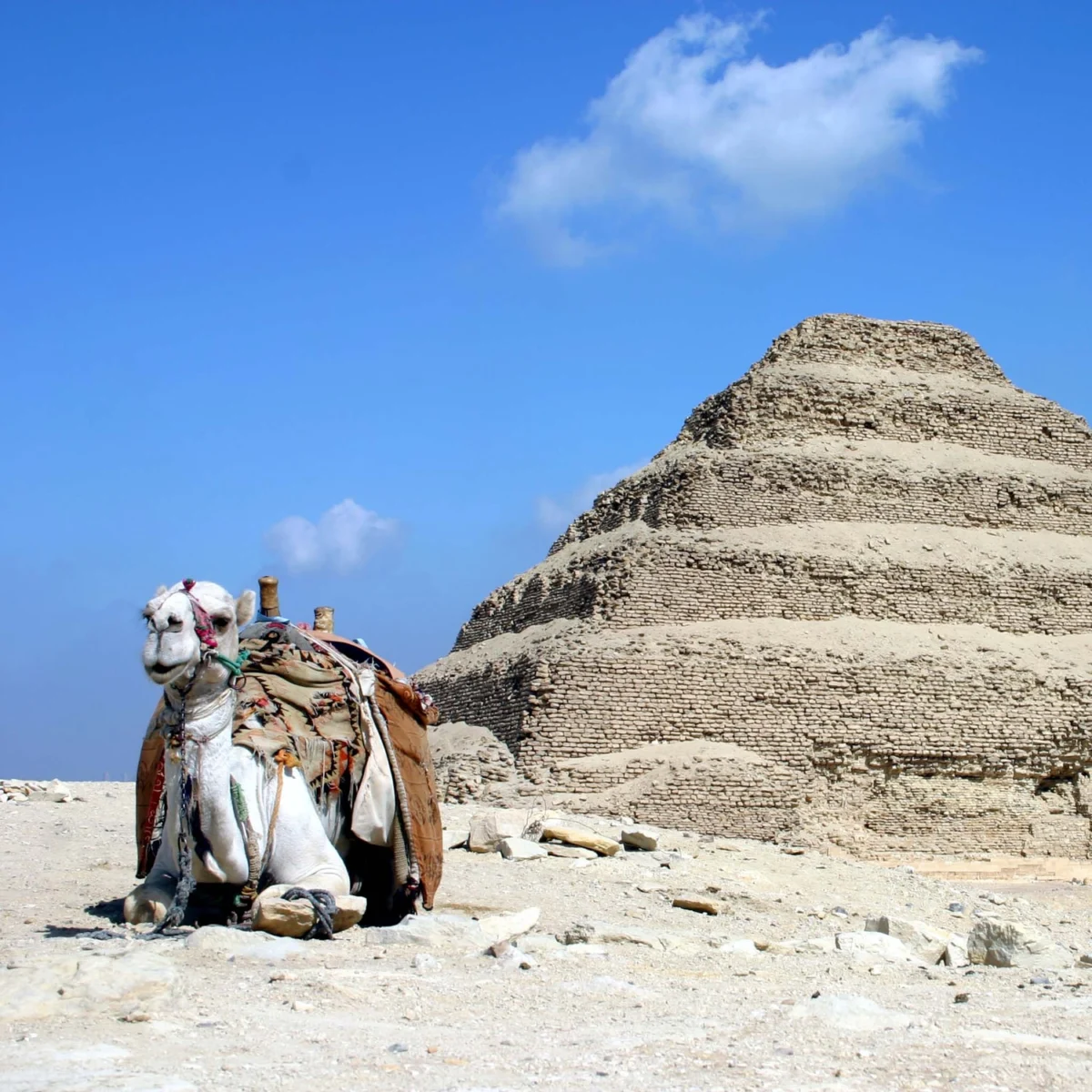
Cairo, Egypt – Spanning from approximately 3150 to 2613 BCE, the Early Dynastic Period marks a pivotal epoch in ancient Egyptian history. It was during this foundational era that the disparate regions of Upper (southern) and Lower (northern) Egypt coalesced into a unified nation under a centralized government, giving birth to the concept of divine
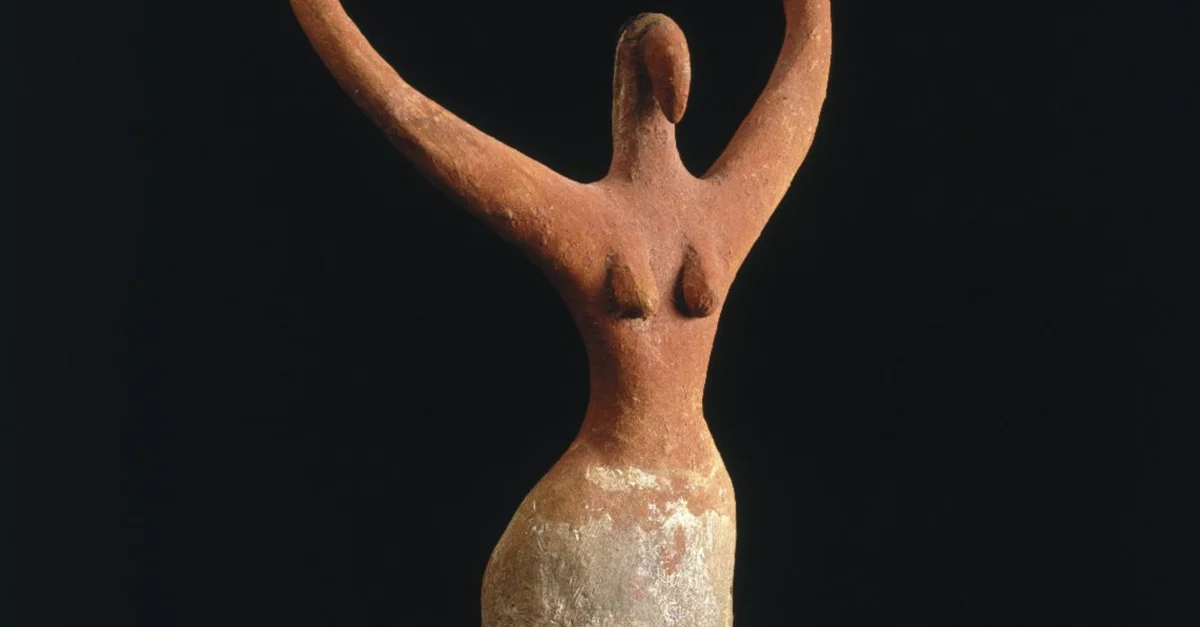
Unveiling Ancient Egypt’s Dawn: The Enigmatic Predynastic Period
Cairo, Egypt – Before the iconic pyramids pierced the sky and pharaohs ruled a unified kingdom, ancient Egypt underwent a profound transformation, a period stretching millennia from the Stone Age to the cusp of dynastic rule. This era, known as the Predynastic Period (circa 6000 – 3150 BCE), remains largely unwritten, its story pieced together [&he
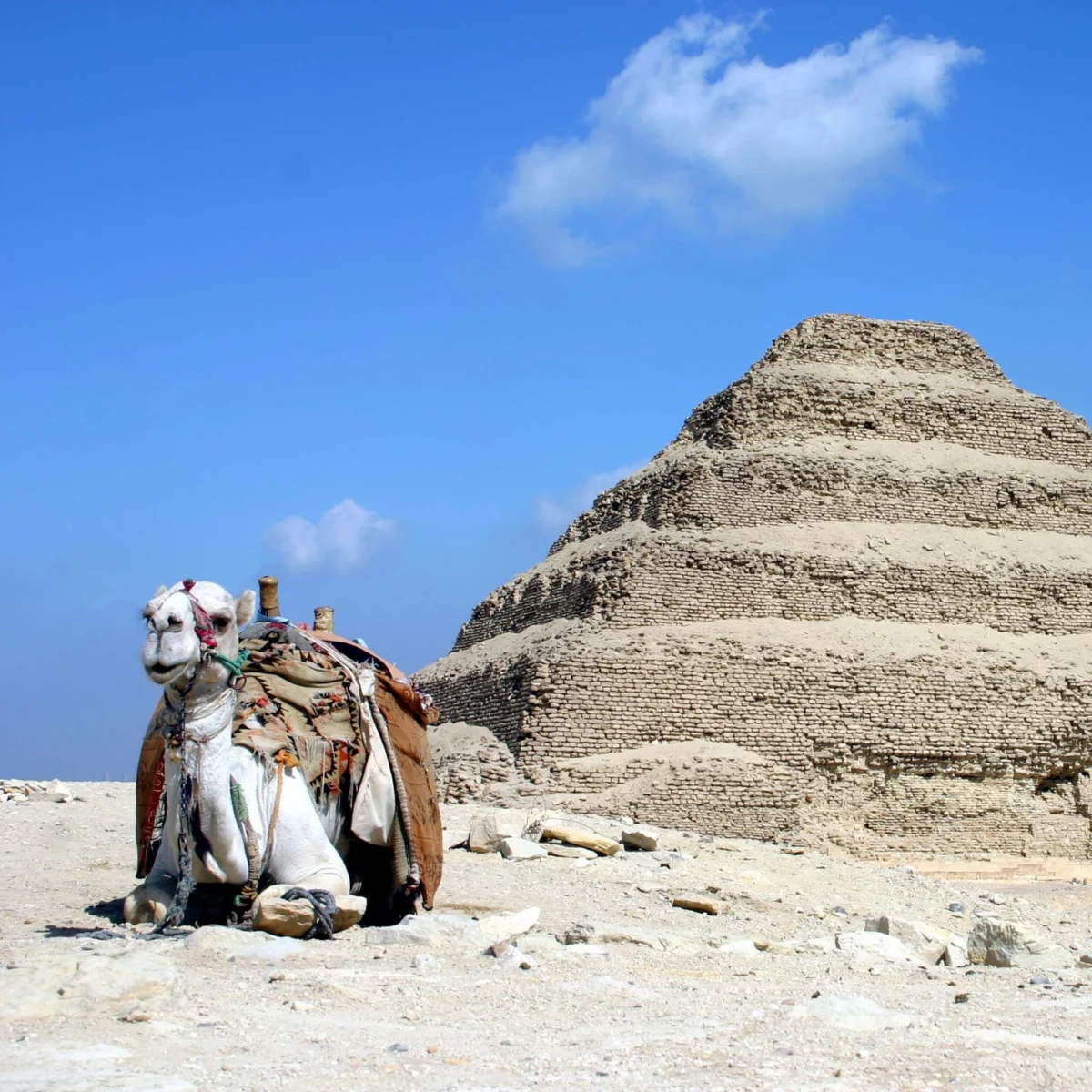
The Dawn of a Civilization: Unpacking Egypt’s Early Dynastic Period
Giza, Egypt – In the annals of human history, few periods are as foundational and transformative as Egypt’s Early Dynastic Period, spanning from approximately 3150 to 2613 BCE. This pivotal era marks the birth of a unified Egyptian state, the establishment of divine kingship, and the nascent development of a distinctive culture that would cap
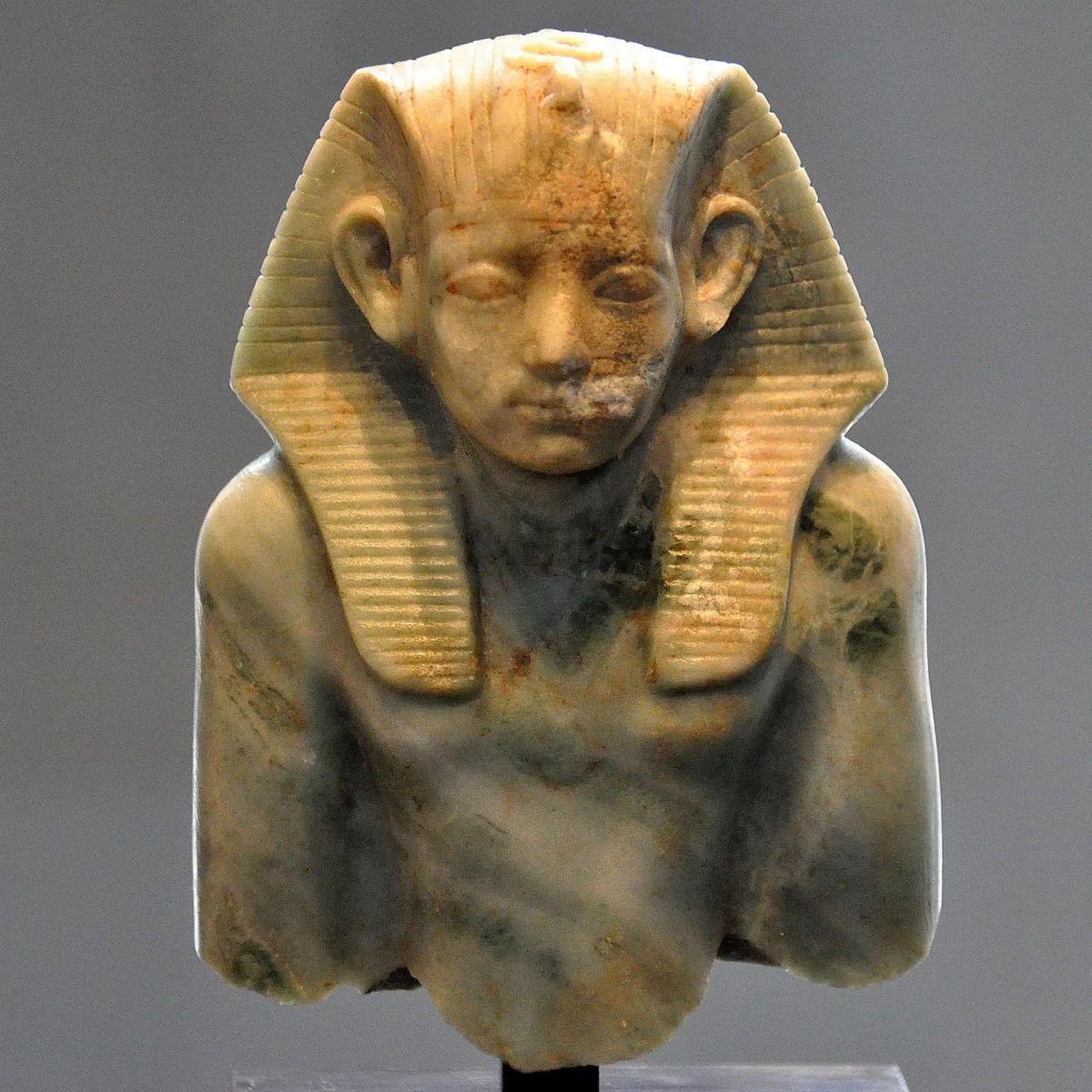
Unveiling Ancient Egypt’s Classical Age: The Enduring Legacy of the Middle Kingdom
Cairo, Egypt – Often heralded as ancient Egypt’s Classical Age, the Middle Kingdom (circa 2040-1782 BCE) stands as a monumental period of cultural renaissance, administrative innovation, and artistic flourishing. While modern Egyptologists continue to debate its precise dynastic boundaries, generally encompassing the latter part of the 11th D
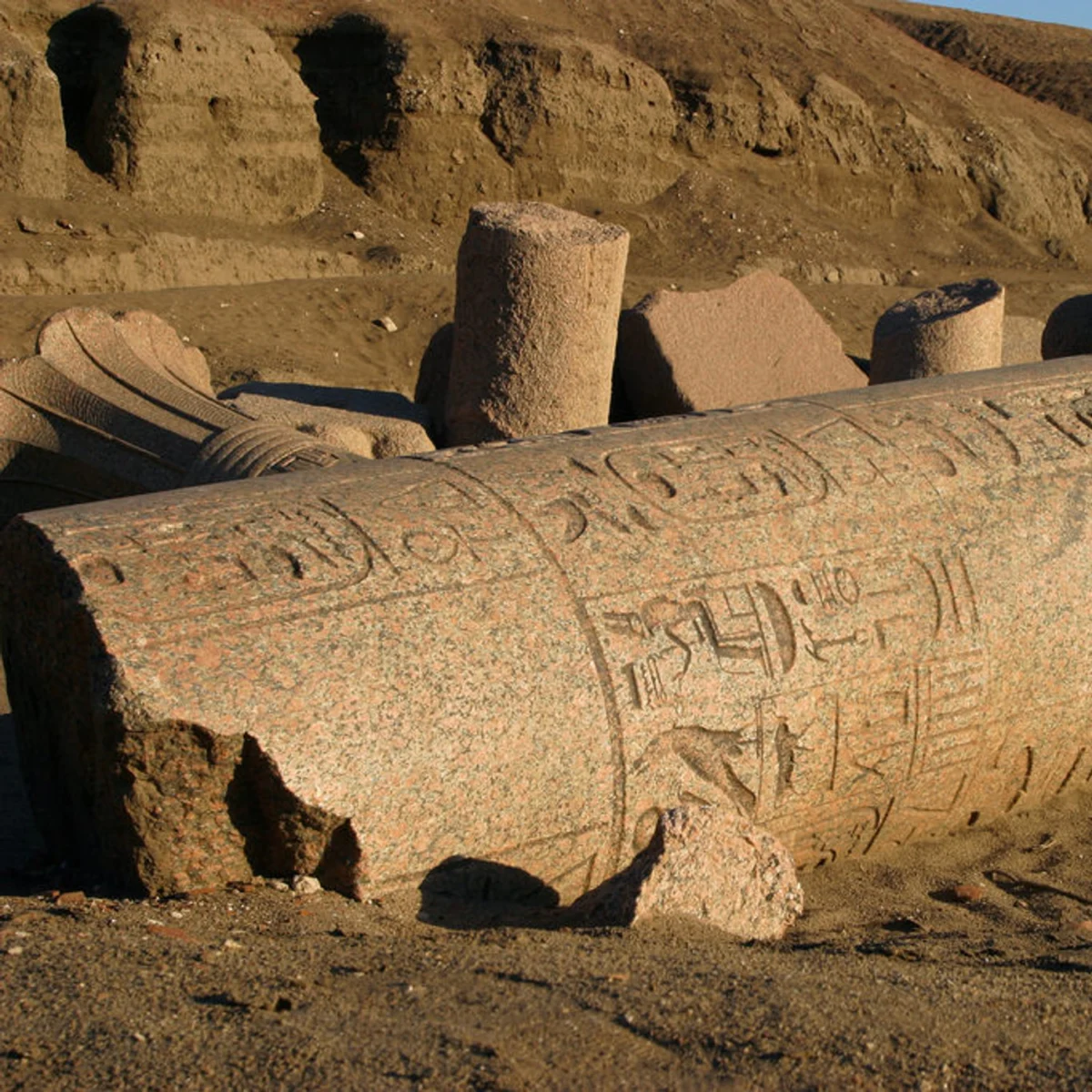
Ancient Egypt’s Turbulent Twilight: Re-evaluating the Third Intermediate Period
Cairo, Egypt – Spanning nearly five and a half centuries from approximately 1069 to 525 BCE, the Third Intermediate Period represents a pivotal and often misunderstood epoch in the long and storied history of ancient Egypt. Following the resplendent era of the New Kingdom and preceding the Late Period, this era, as defined by 20th-century […
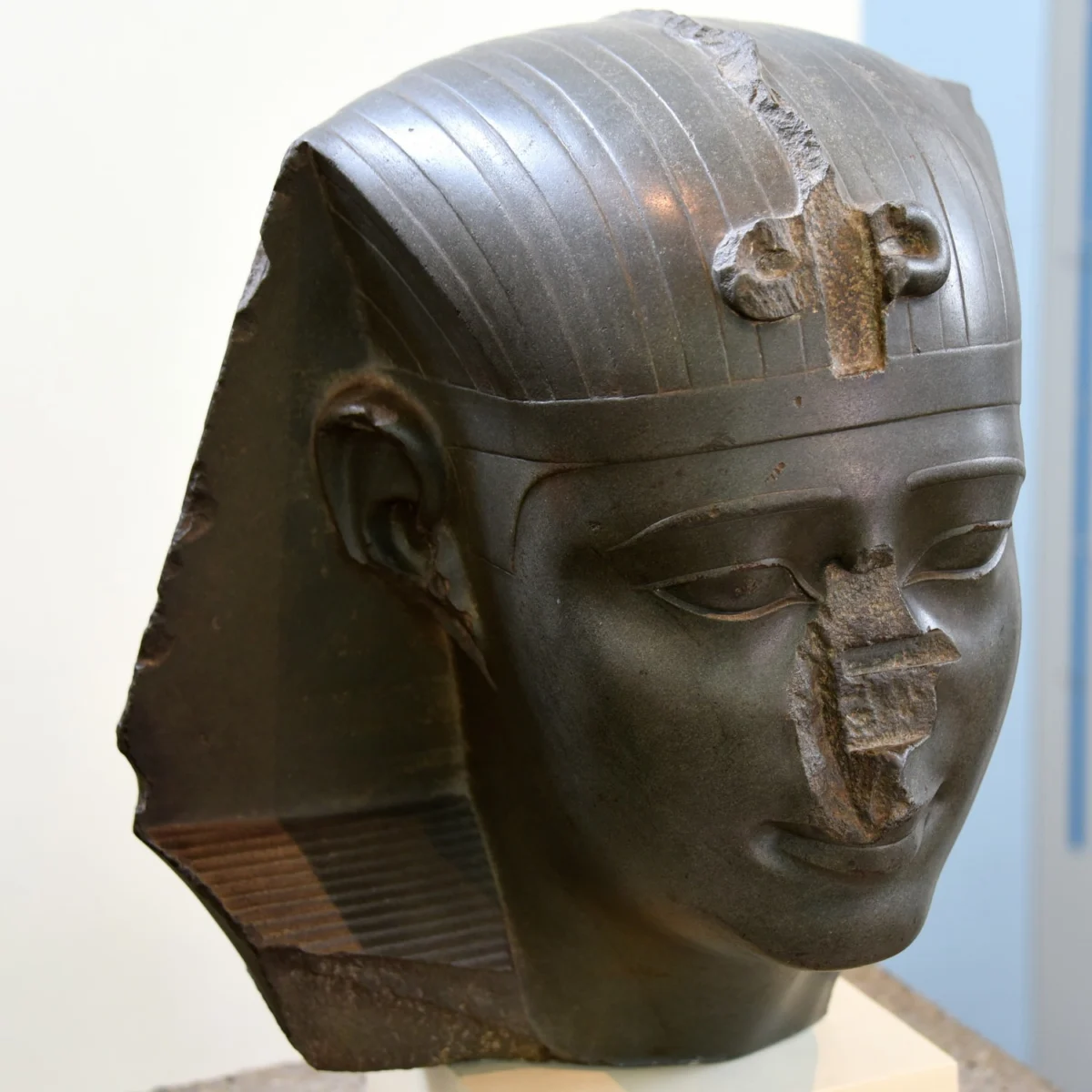
Egypt’s Late Period: Reclaiming a Narrative of Resilience and Revival
Cairo, Egypt – Often overshadowed and misunderstood, the Late Period of ancient Egypt (525-332 BCE) stands as a testament to the enduring spirit and cultural resilience of one of history’s greatest civilizations. Far from being a mere epilogue to a long decline, this era, spanning the 27th to 31st dynasties, witnessed profound shifts in power
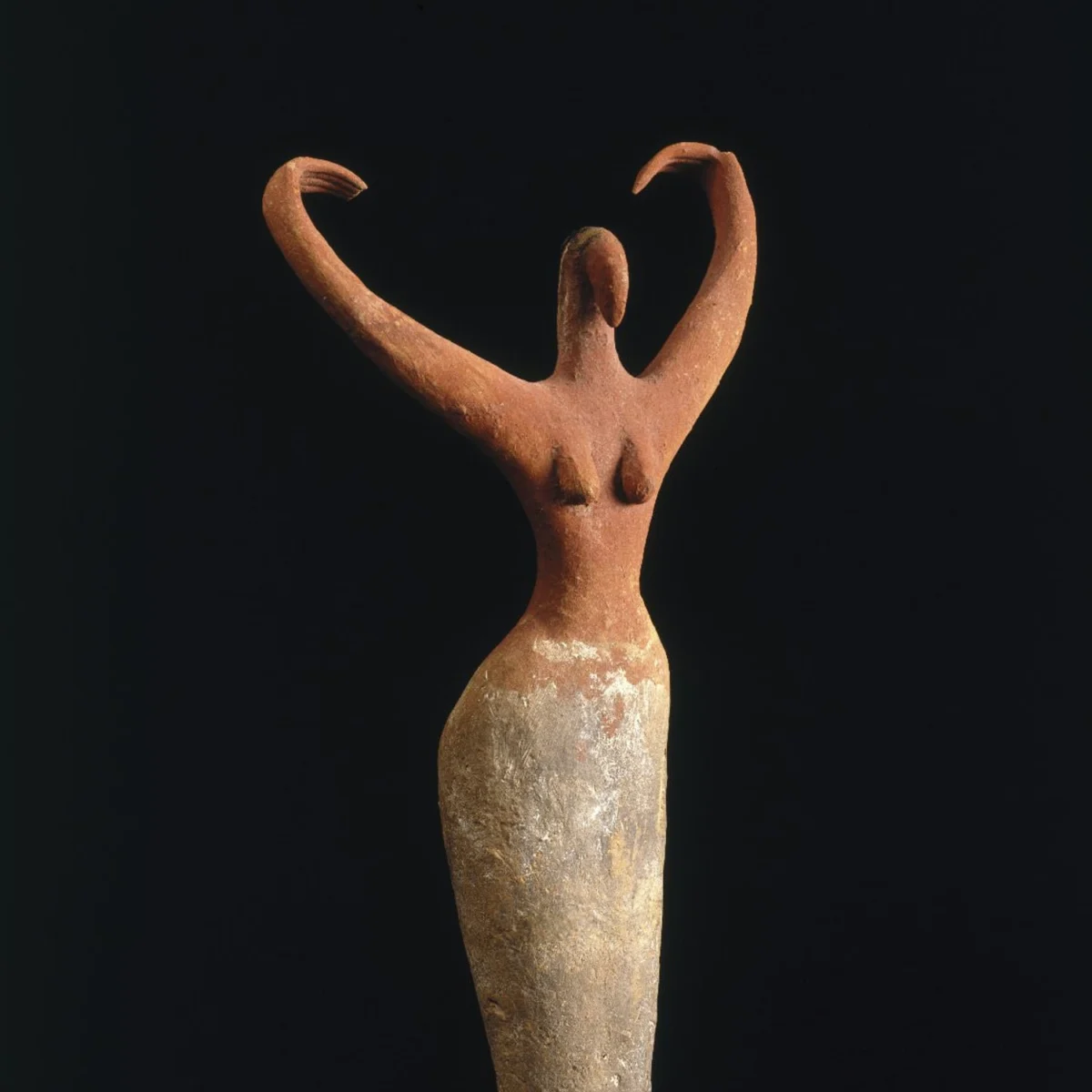
Unearthing the Dawn of Egypt: A Deep Dive into the Predynastic Period
Cairo, Egypt – Before the towering pyramids pierced the sky and pharaohs ruled a unified land, an extraordinary era of development laid the bedrock for one of the world’s most enduring civilizations. This largely pre-literate epoch, known as the Predynastic Period, spans millennia, from the earliest human settlements in the Nile River Valley
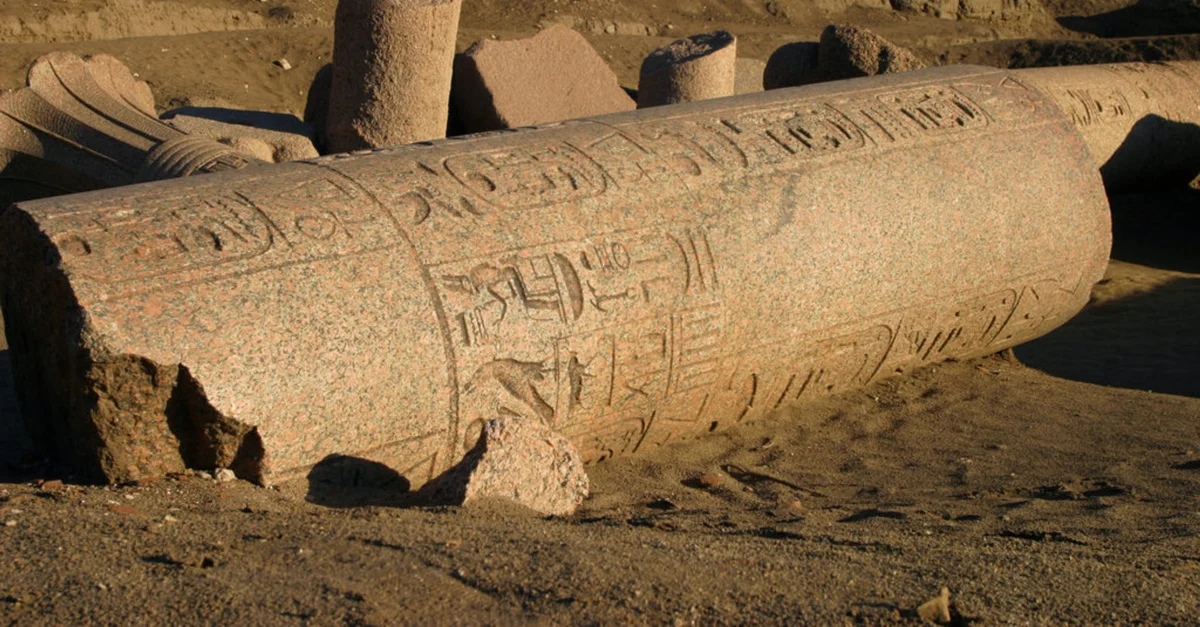
Unraveling Ancient Egypt’s Third Intermediate Period: A Saga of Resilience and Transformation
Cairo, Egypt – For centuries, the Third Intermediate Period (circa 1069-525 BCE) of ancient Egypt has been cast in the shadow of its more illustrious predecessors, often labeled a "dark age" of chaos and decline. Following the grandeur of the New Kingdom and preceding the eventual foreign domination of the Late Period, this era, spanning
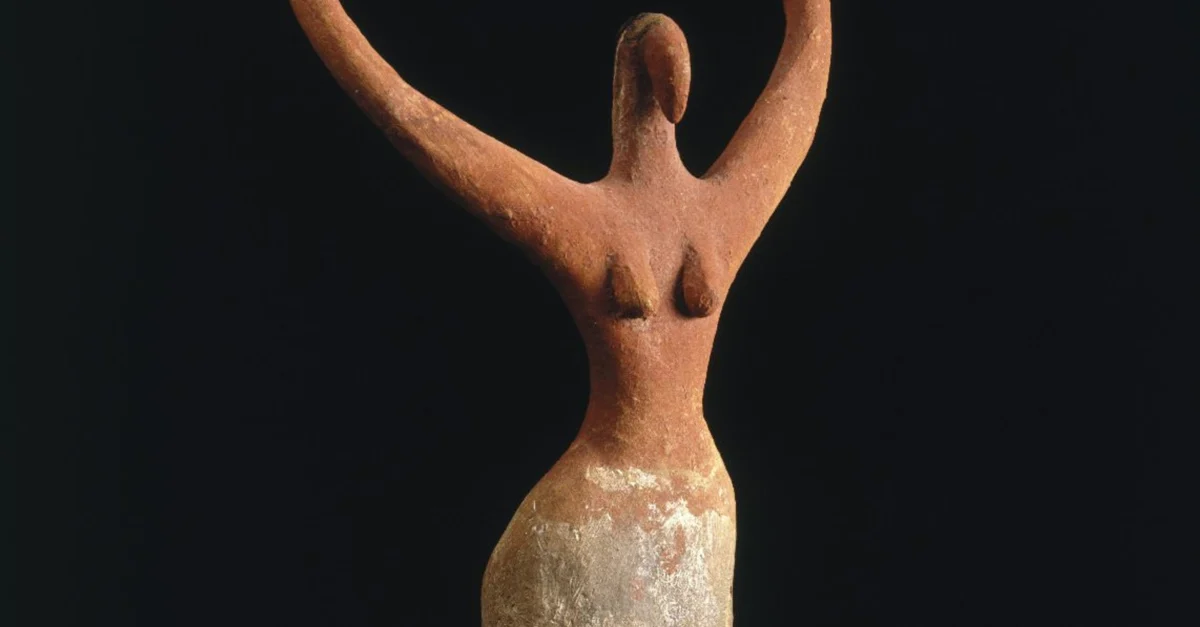
Unearthing the Dawn of Civilization: A Deep Dive into Egypt’s Predynastic Period
Cairo, Egypt – Before the towering pyramids pierced the sky and pharaohs ruled a unified empire, ancient Egypt was a tapestry of evolving cultures along the life-giving Nile River. This era, known as the Predynastic Period, spans millennia, from the earliest human settlements in the Paleolithic Age through the transformative Neolithic Revolution, c
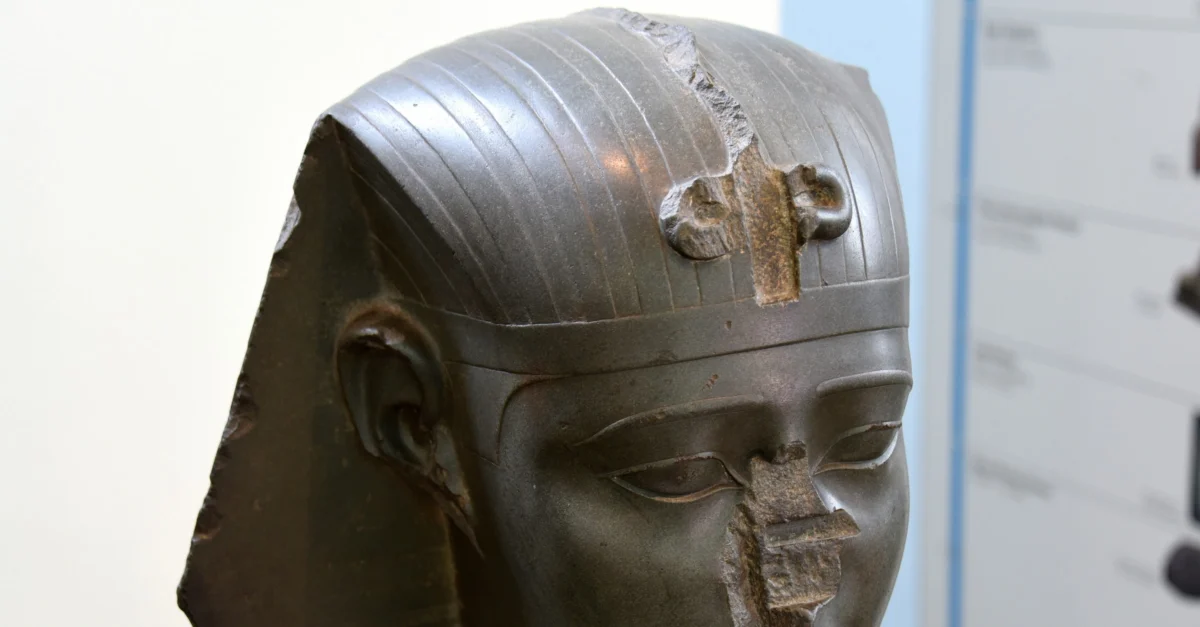
Unveiling the Late Period of Egypt: A Story of Resilience, Revival, and Resistance
The Late Period of ancient Egypt (525-332 BCE) is an era frequently overshadowed by the more glamorous epochs of pharaonic power, often dismissed as a prolonged twilight preceding the final collapse of indigenous rule. Sandwiched between the fragmented Third Intermediate Period (1069-525 BCE) and the Hellenistic reign of Alexander the Great’s
